
Whole-system duct and dryer vent check with before-and-after photos - you see exactly what came out of your vents
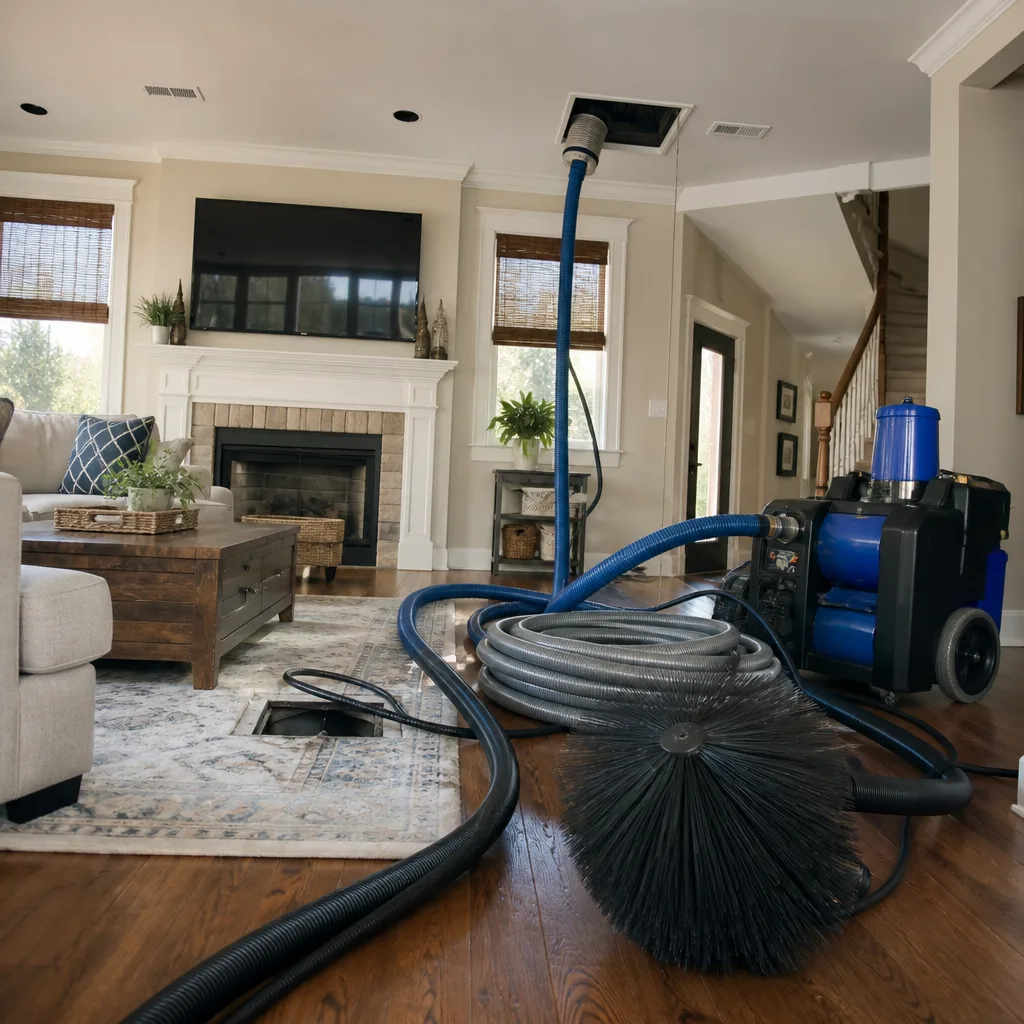
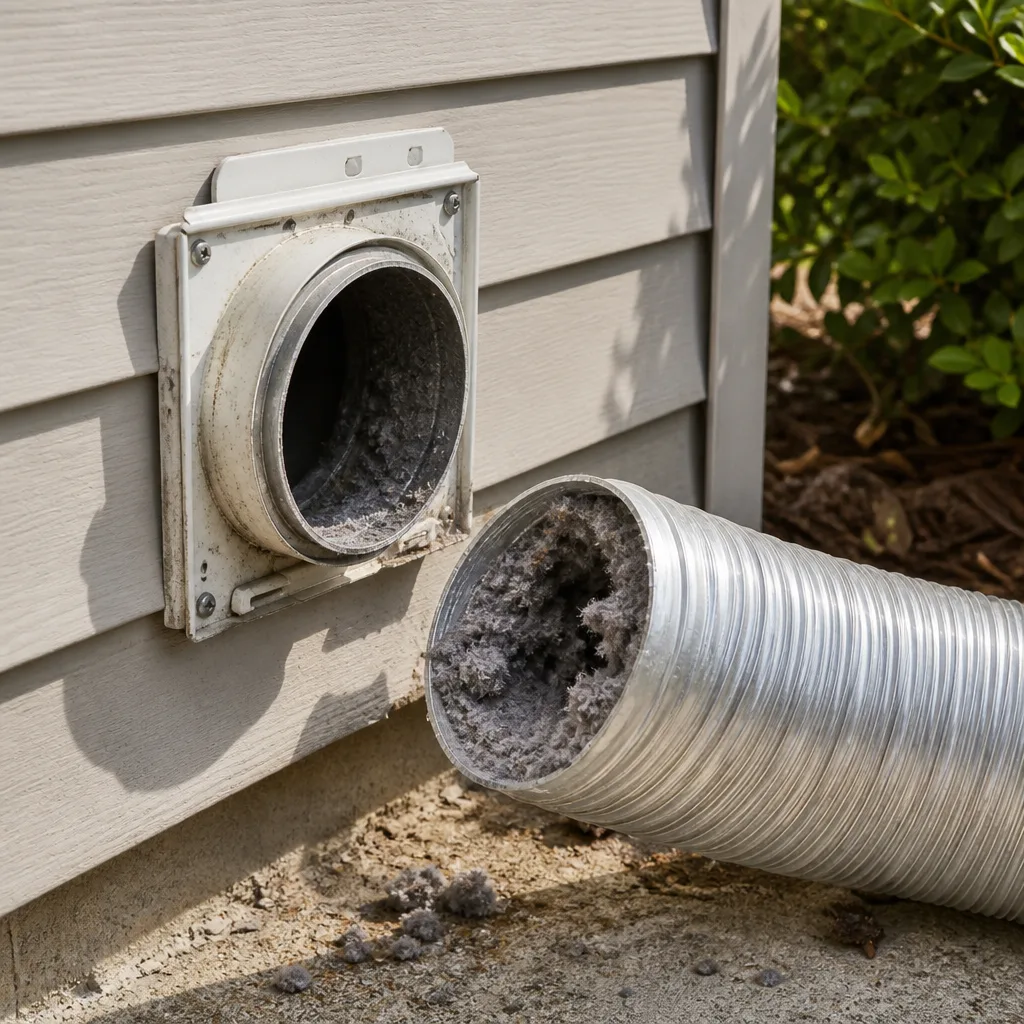
That "$99 whole-house special" is a bait ad - the real number appears once they are in your hallway, or the "clean" is a shop-vac at the register. We photograph the inside of your ducts before and after instead.
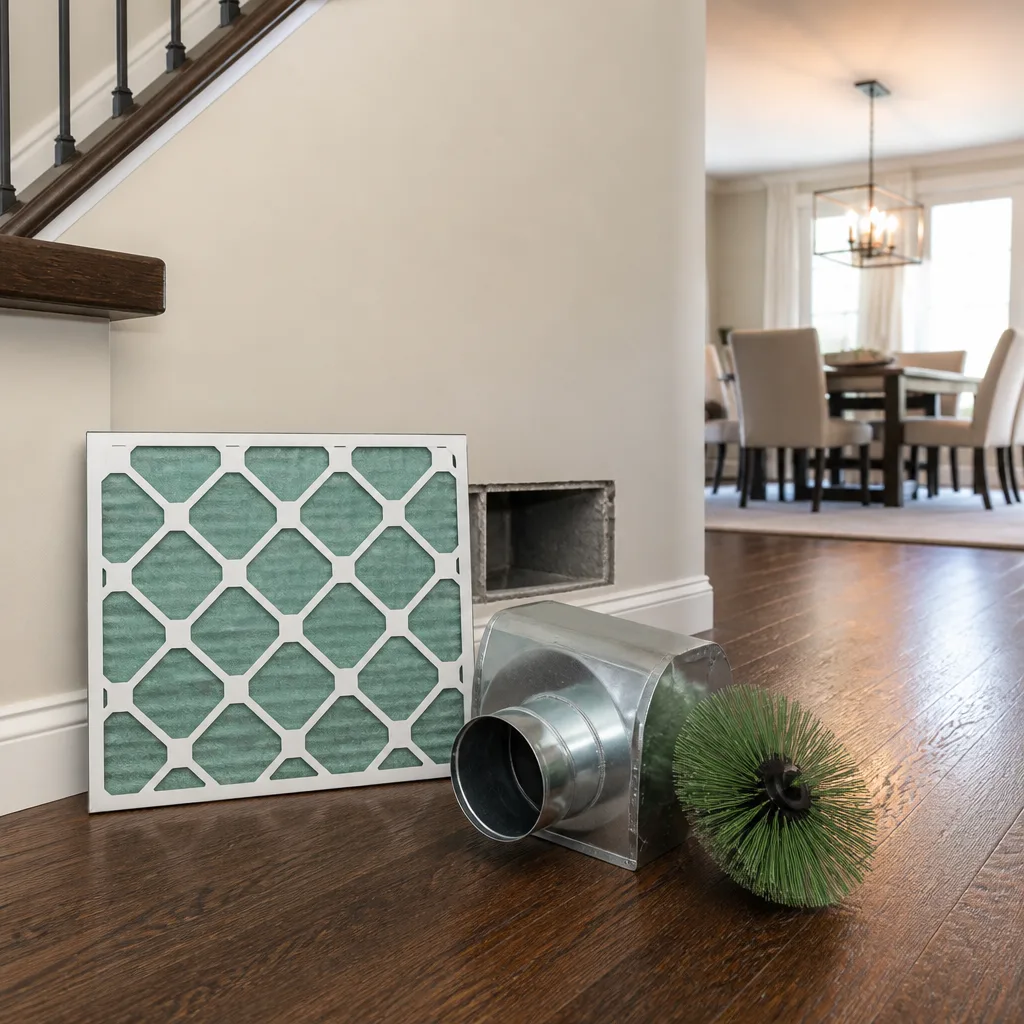
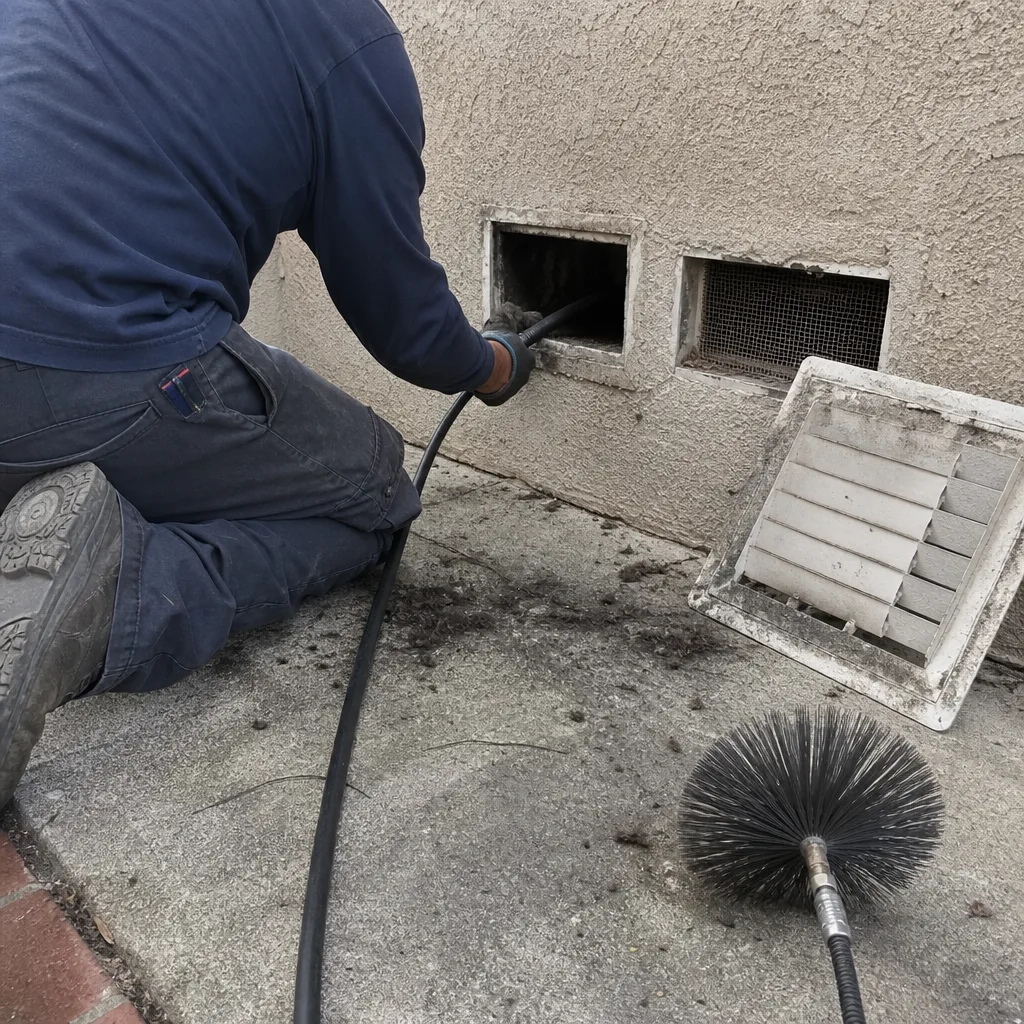 Before
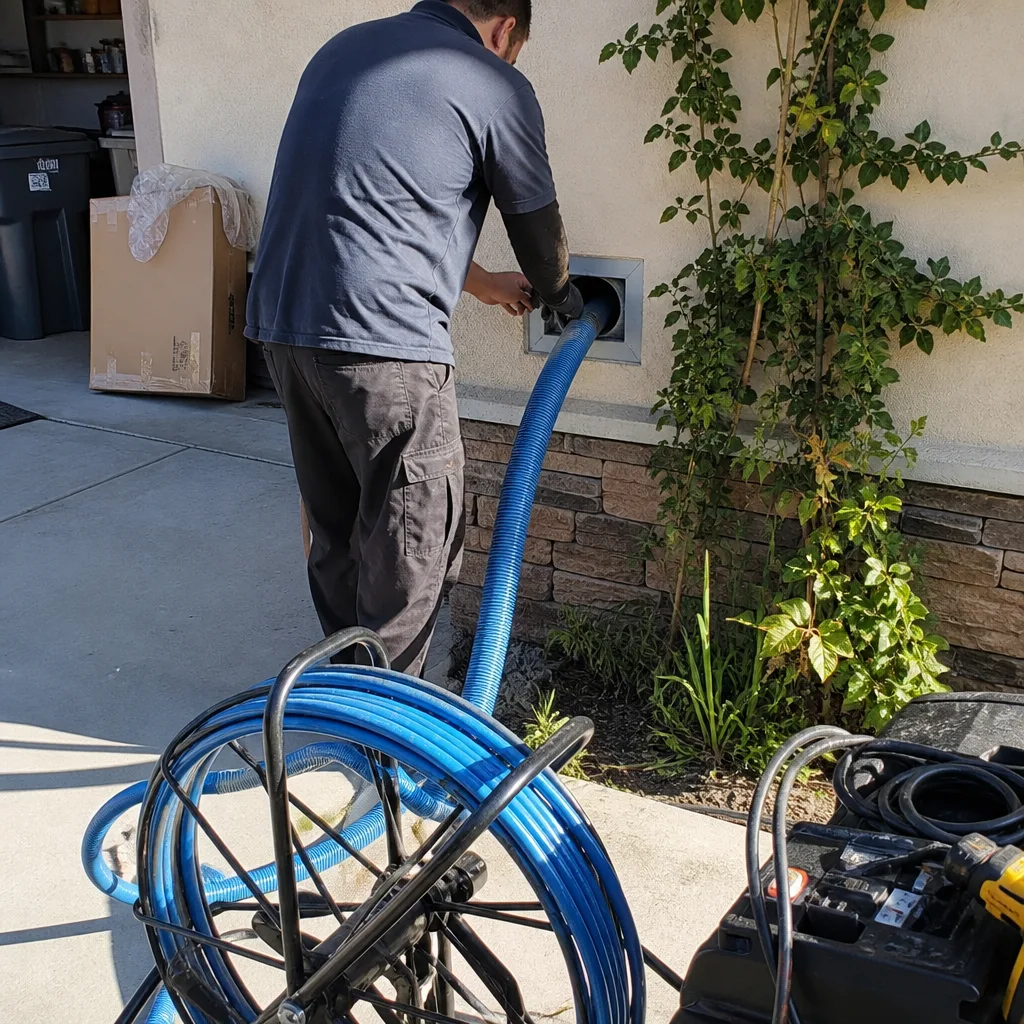 After
After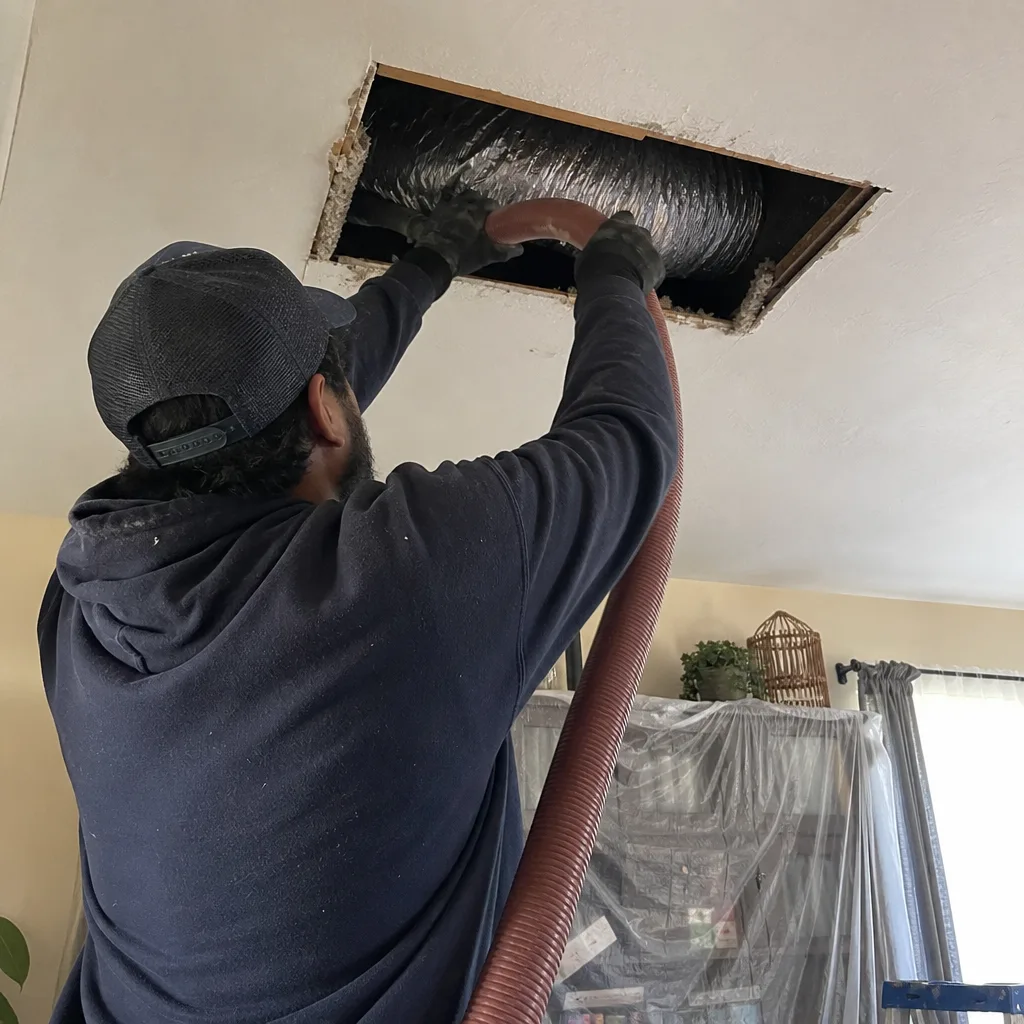 Before
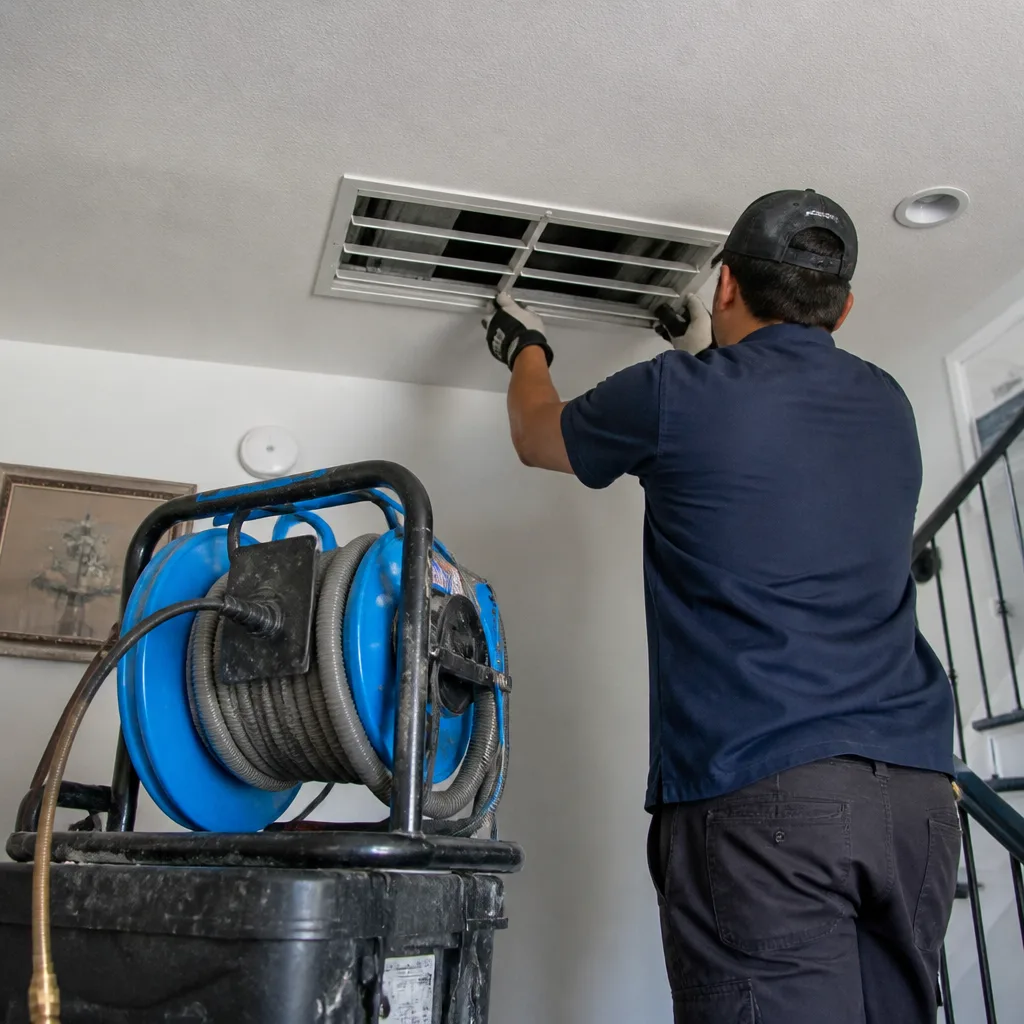 After
After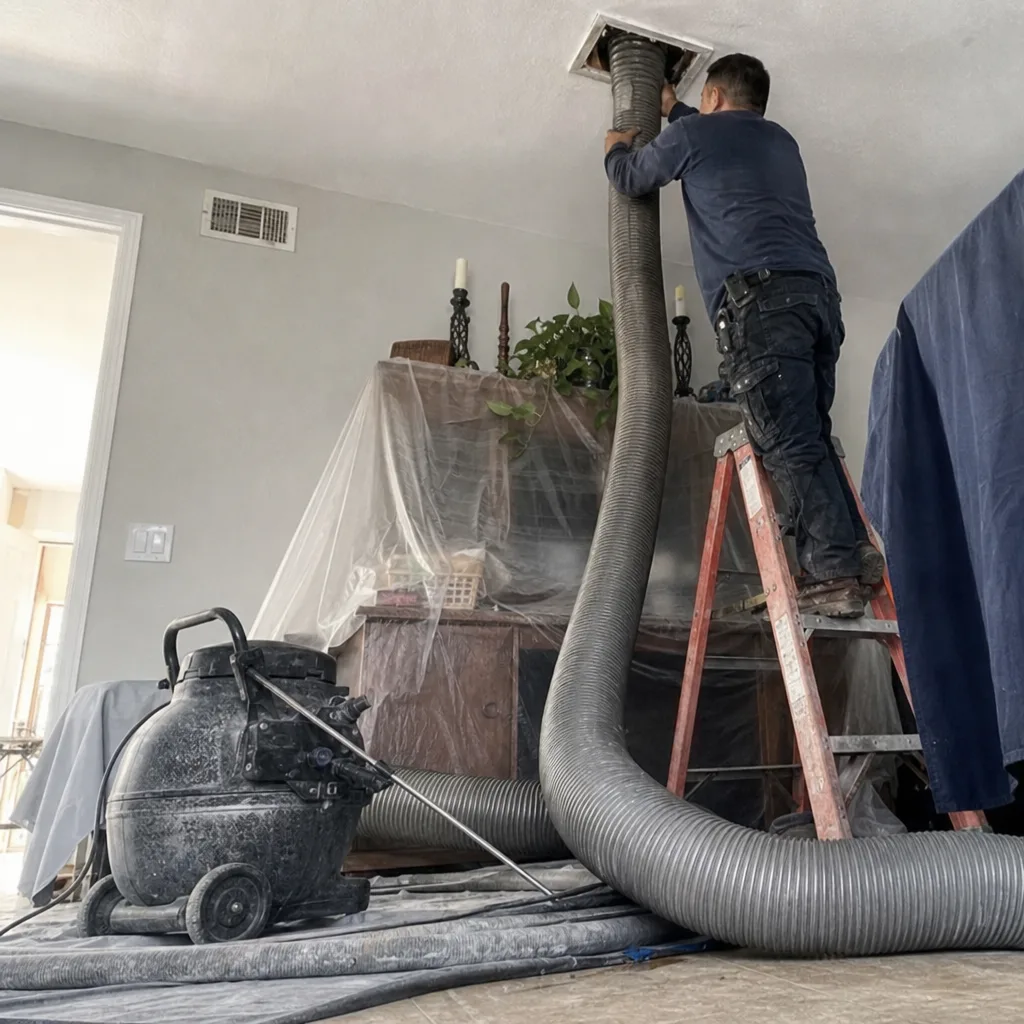 Before
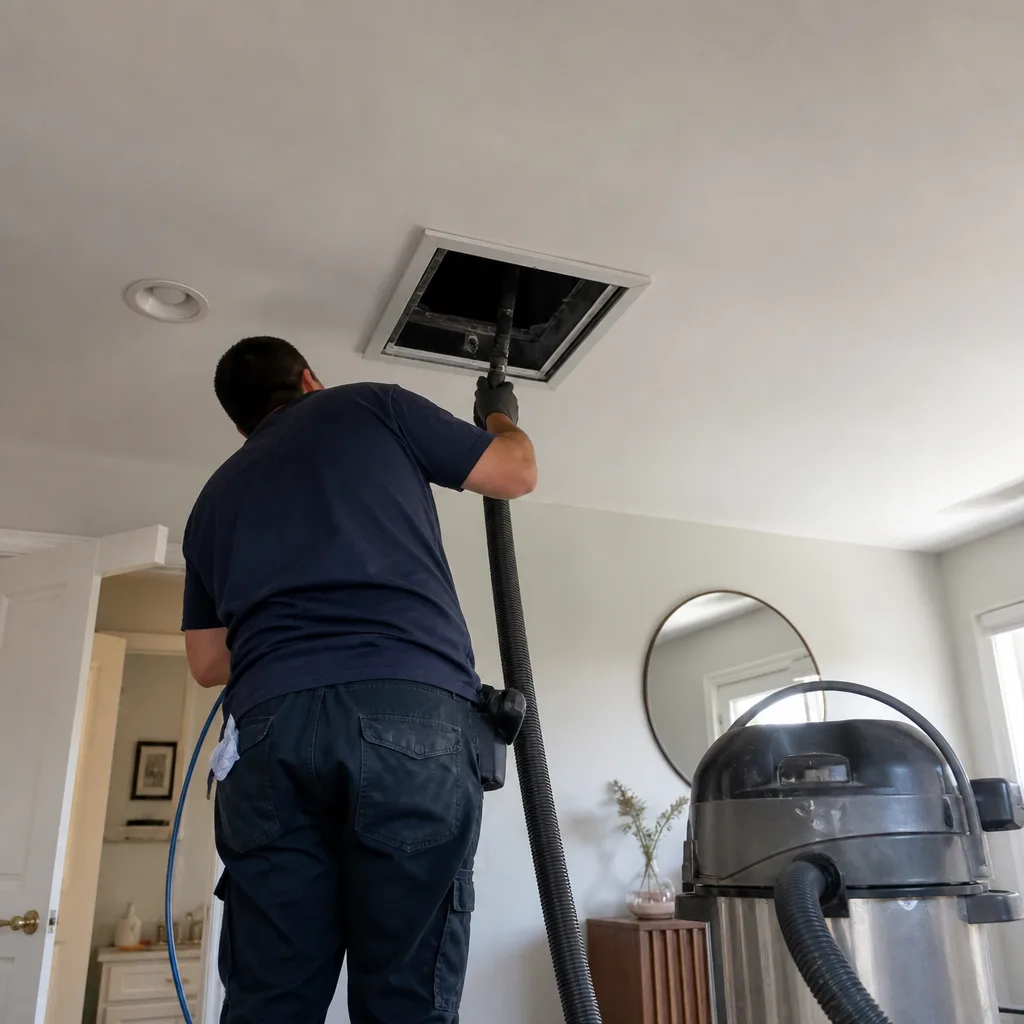 After
AfterFast, Reliable Air Duct Cleaning Across Stanford
Air duct cleaning in Stanford, CA typically runs $450-$850 for a whole-home system, with most jobs completed in a single scheduled visit. Our crews work from our San Francisco Bay Area dispatch office and regularly serve the Stanford campus and surrounding faculty enclaves. Call (323) 918-4345 for a free written estimate before any work begins.
Stanford isn’t like other Peninsula cities. Nearly every building here sits on university-owned land, and that changes who approves the work, how we access properties, and what we find inside the ducts. We’ve cleaned galvanized runs from 1960s faculty homes off Serra Street, navigated procurement with Stanford Facilities Operations, and worked around fume hood tie-ins in research wings that would never appear in a Palo Alto ranch house. Our Air Duct Cleaning team knows the campus layout, the building types, and the protocols that keep a job moving.
Why Morton’s Air Duct Cleaning Is Stanford’s Preferred Air Duct Cleaning Company
We’ve been part of the Cedarwell family since 2005, and our reputation in Stanford has grown through repeat calls from faculty households and graduate housing coordinators who need crews that understand institutional scheduling. Paul Adeyemi leads our operations, and his name appears on every written price sheet we deliver before a technician touches a register.
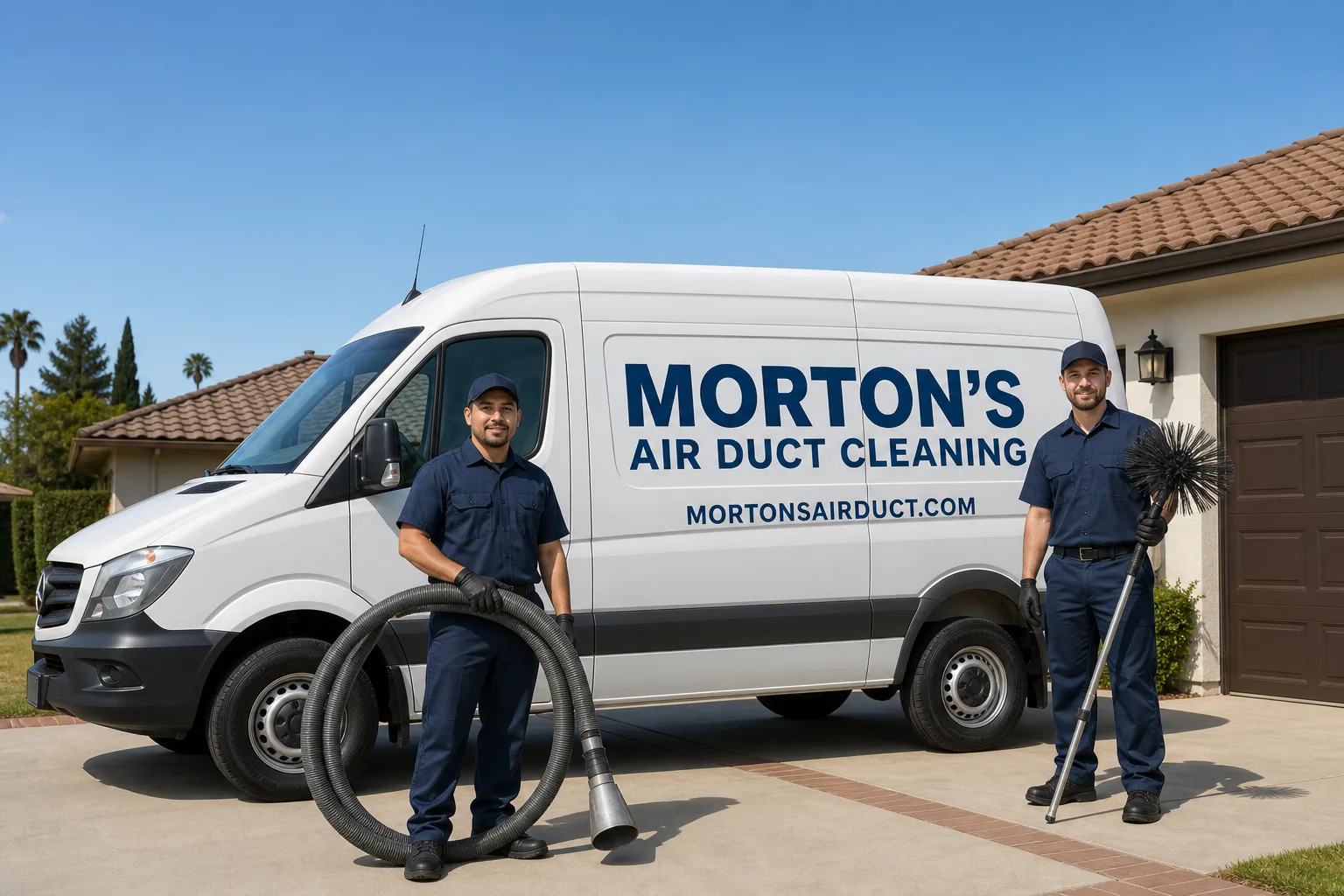
Our response time to Stanford is typically same-week, with scheduling coordinated around university access protocols rather than generic arrival windows. Technicians arrive in uniform with background checks completed, shoe covers and drop cloths in hand, and equipment from Rotobrush and Nikro that matches the scale of the job. We don’t rush through a clean and invoice later. We photograph the cleanup before we leave, and every job carries our 365-Day Done Right Promise.
Local knowledge matters here. A crew that treats a Stanford faculty home like a standard suburban job often misses crushed galvanized returns, disconnected branches behind plaster, or the procurement paperwork that keeps Facilities Operations in the loop. We’ve learned these wrinkles the hard way so our Stanford customers don’t have to.
HVAC Duct Cleaning in Stanford
HVAC Duct Cleaning in Stanford means working with building stock you won’t find anywhere else in the Bay Area: 1890s Romanesque sandstone academic buildings retrofitted with duct systems threaded through masonry, postwar faculty housing clusters with original galvanized sheet metal, and graduate complexes with shared central systems. The job involves source removal at the air handler, agitation and negative-pressure extraction through the trunk and branch lines, and camera verification that every run is actually connected and clear.
Most Stanford homeowners need this service every 3-5 years, sooner after major wildfire smoke events like the 2018 Camp Fire that deposited PM2.5 particles deep into campus HVAC systems. A typical whole-system HVAC duct cleaning in Stanford runs $550-$850 for faculty homes, with graduate housing complexes and larger institutional systems quoted individually after inspection.
Camera Inspection Before Cleaning
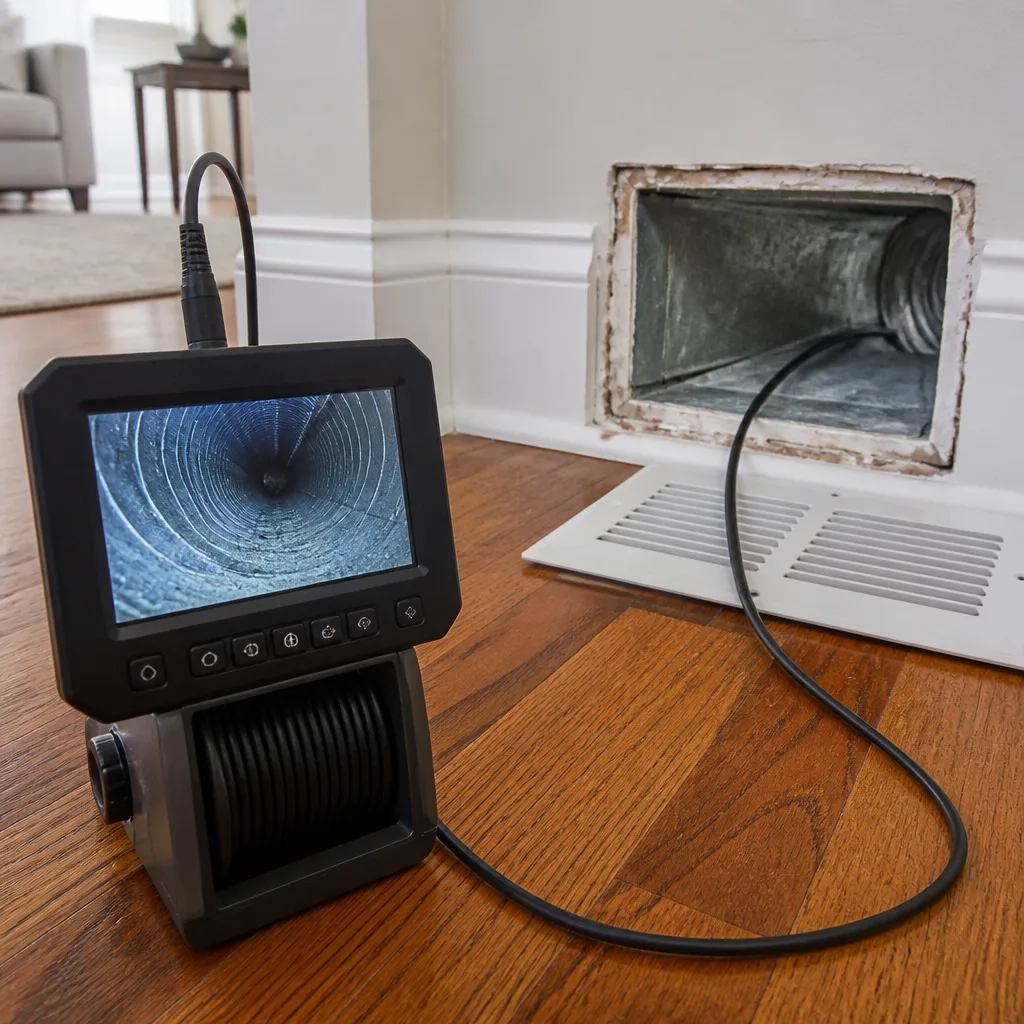
We run a video scope through every accessible run before we start. In Stanford’s 1950s-1970s faculty housing, we’ve found crushed returns, disconnected branches, and accumulation so deep it masks structural problems. Cleaning without looking first polishes the air handler while bedrooms stay starved. The camera tells us what we’re actually dealing with.
Sealing and Reconnection Work
Cleaning often exposes separations in original ductwork that no longer seal properly. We carry mastic, foil tape, and mechanical fasteners to reconnect runs and seal leaks while we’re inside the system. This isn’t an upsell. It’s the difference between moving air and moving dust.
Vent Cleaning in Stanford
Vent Cleaning in Stanford addresses the supply and return registers, grilles, and boot connections where dust collects visibly and odors linger. In campus housing with decades of occupancy turnover, supply vents often show dark buildup on the louvers, and return grilles pull in pet hair, pollen, and fine particulate from the Santa Cruz Mountain dust that settles more heavily here than in fog-buffered coastal towns. The service includes hand-detailing of each register, vacuum extraction of the boot cavity, and verification that airflow patterns haven’t been altered by prior painting or remodeling.
Standalone vent cleaning for a typical Stanford faculty home runs $180-$340, though we usually bundle it with full system work since isolated vent cleaning misses the source of the problem upstream. Graduate housing units with shared returns may need coordinated scheduling through Facilities Operations to avoid disrupting adjacent units.
Register Detailing and Restoration
We remove each register, clean louvers and fins by hand, and treat painted-over screws or damaged mounting tabs. In older Stanford homes, registers have been painted in place multiple times. We note damage without forcing hardware that will crack the surrounding plaster.
Odor Source Identification
Vent odors in Stanford housing often trace to dead airflow in disconnected branches or moisture intrusion from failed duct sealing. We track the source rather than masking it. If the problem is structural, we explain what we found and what it takes to fix it.
Trusted Brands We Service in Stanford
Our crews carry professional equipment from Rotobrush, Nikro, Aprilaire, and Abatement Technologies, not rental-grade machines that lose suction halfway through a job. For Stanford’s mixed building stock, this matters. A Rotobrush system with HEPA filtration handles the irregular duct runs in retrofitted sandstone buildings without cross-contaminating occupied spaces. Nikro negative-air machines maintain containment in lab-adjacent wings where disturbance of fume hood exhaust paths would create genuine safety issues. We stock compatible parts and attachments for these brands locally, so if a job reveals a failed damper or disconnected collar, we’re not waiting on shipping to complete the repair.
Common Air Duct Cleaning Problems We See in Stanford Homes
- Disconnected branches in original galvanized ductwork. Our camera inspections regularly find supply runs that separated decades ago, leaving bedrooms with effectively no conditioned air. Cleaning alone won’t fix this. We reconnect and seal before we close up.
- Crushed returns behind walls or in crawl spaces. The 1950s-1970s faculty homes used thinner-gauge metal that collapses under foot traffic in attics or settling in crawl spaces. We identify the damage, document it with photos, and explain repair options with prices before proceeding.
- Wildfire smoke particulate embedded in porous duct lining. Stanford’s drier climate and 2018 Camp Fire exposure left fine PM2.5 particles in HVAC systems that standard vacuuming won’t dislodge. We use agitation tools and HEPA-sealed extraction to remove residue that affects air quality in research and library environments.
- Lab-adjacent HVAC with fume hood or biosafety cabinet tie-ins. Research buildings on campus have exhaust paths that must not be disturbed during standard cleaning. Our technicians map these systems before starting, coordinate with building managers, and use contained cleaning methods that protect both the ductwork and the lab environment.
Pricing for Air Duct Cleaning in Stanford, CA
Whole-system air duct cleaning in Stanford typically costs $450-$850 for faculty homes and smaller residential units, with larger graduate housing complexes and institutional buildings quoted after inspection. Vent cleaning alone runs $180-$340. If we find disconnected or crushed ductwork that needs sealing or reconnection, repair work adds $150-$400 depending on access and materials.
We don’t quote per-vent teaser prices that balloon on arrival. Every Stanford customer receives one flat price per system, agreed in writing before work starts. No surprises on the invoice. Factors that affect your specific price: system size, accessibility of duct runs, presence of original galvanized versus modern flex duct, and whether camera inspection reveals damage requiring repair. We photograph the completed cleanup before leaving, and estimates are always free. Call (323) 918-4345 to schedule.
We Also Serve Cities Near Stanford
Our crews regularly work in Stanford and the surrounding communities, including Palo Alto, Menlo Park, Atherton, and Los Altos. Each city has its own building stock and ductwork quirks, and we adjust our approach accordingly rather than applying a single template.
Serving Stanford, CA - Our Local Coverage Area
We’re based in the Stanford area and know this community well. Use the map below to see our service coverage - if you’re nearby, we can almost certainly help.
FAQs About Air Duct Cleaning in Stanford
Yes. Most residential buildings on the Stanford campus require coordination with Stanford Facilities Operations & Energy Management rather than direct homeowner scheduling. We handle this procurement protocol regularly and can guide you through the approval process or work directly with your building coordinator. Call (323) 918-4345 and we’ll explain the steps for your specific building.
The 1950s-1970s faculty homes and graduate complexes were built with galvanized ductwork that has separated, crushed, or lost seal integrity over decades of use. Cleaning dislodges accumulation but doesn’t reconnect a branch that’s been blowing air into a wall cavity for twenty years. We camera-inspect first, show you what we found, and quote sealing or reconnection work separately so you can decide. Many Stanford customers tell us the sealing made a bigger difference than the cleaning itself.
Yes. The 2018 Camp Fire blanketed Stanford with hazardous PM2.5 levels, and fine particulate that entered HVAC systems during that event remains embedded in duct lining and porous insulation. Standard filter changes don’t remove it. For research labs, libraries, and sensitive environments on campus, post-smoke duct cleaning is an air-quality compliance issue, not just comfort. We’ve cleaned systems where visual inspection showed clean metal but particle counters confirmed embedded residue.
We map all exhaust paths and tie-ins before starting, coordinate with building safety officers, and use contained HEPA-negative-air methods that prevent cross-contamination between standard HVAC and lab exhaust systems. This isn’t standard residential practice. It’s a safety protocol our technicians follow specifically for Stanford’s research and engineering wings, where disturbing a fume hood stack could redirect hazardous exhaust into occupied spaces.
We deploy Rotobrush systems with flexible cable drives that navigate irregular runs in retrofitted masonry buildings, Nikro negative-air machines for HEPA-contained extraction, and Abatement Technologies filtration for sensitive environments. For the thin-gauge galvanized ductwork common in 1960s faculty homes, we use lower-RPM agitation to avoid damaging metal that’s already fatigued. The right tool for the building type, not a one-machine-fits-all approach.
Written by Paul Adeyemi, Owner at Morton’s Air Duct Cleaning, serving Stanford and the Bay Area since 2005.