
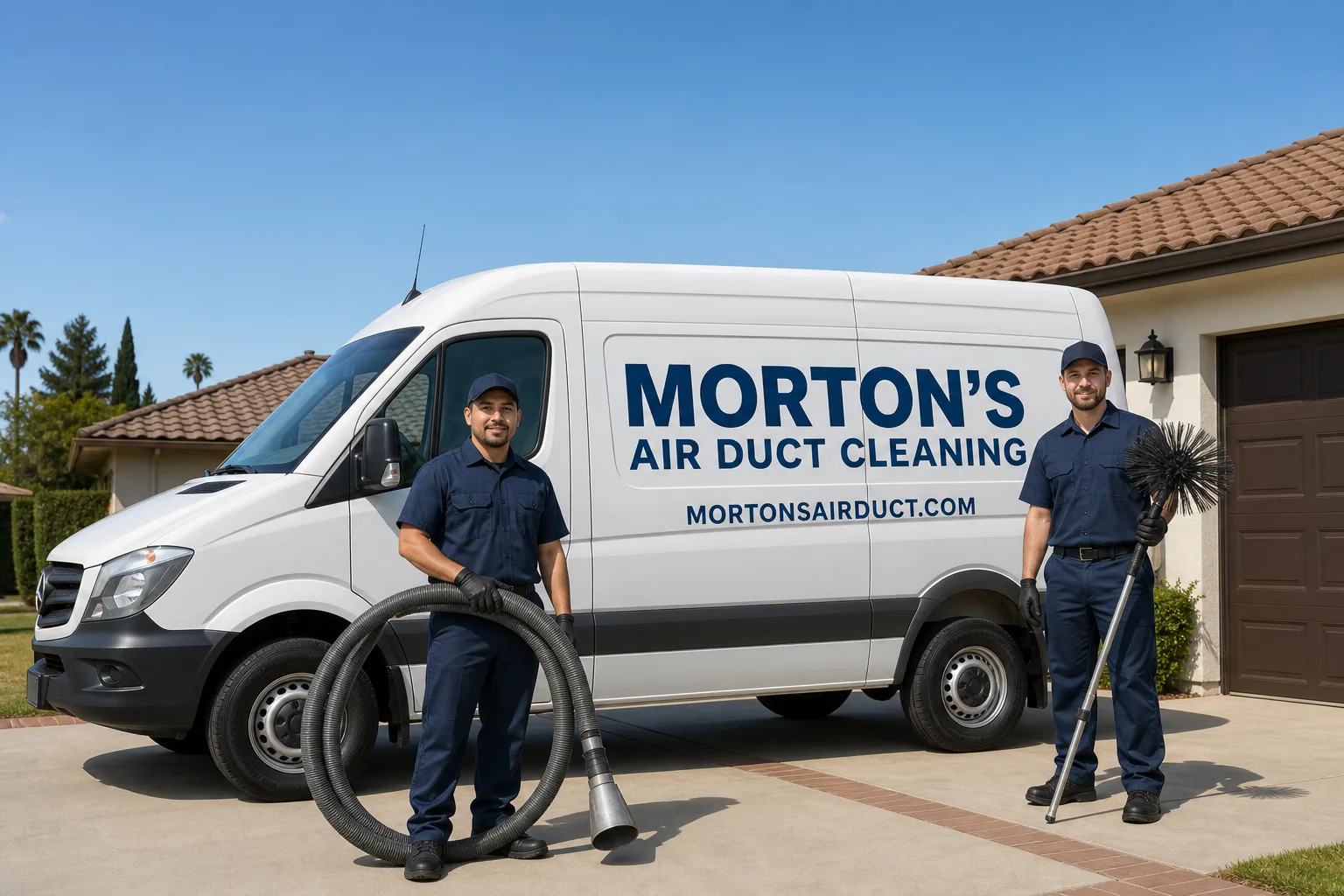
Whole-system duct and dryer vent check with before-and-after photos - you see exactly what came out of your vents
That "$99 whole-house special" is a bait ad - the real number appears once they are in your hallway, or the "clean" is a shop-vac at the register. We photograph the inside of your ducts before and after instead.
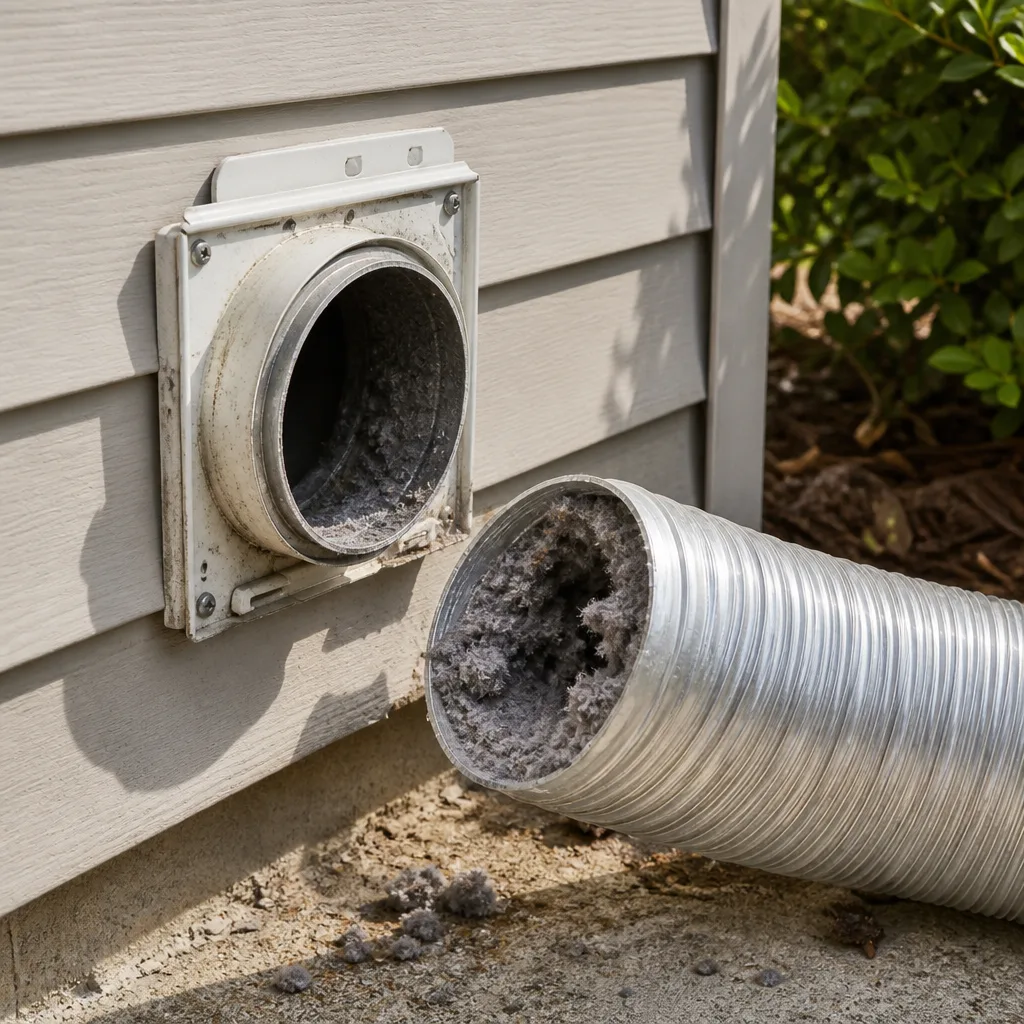
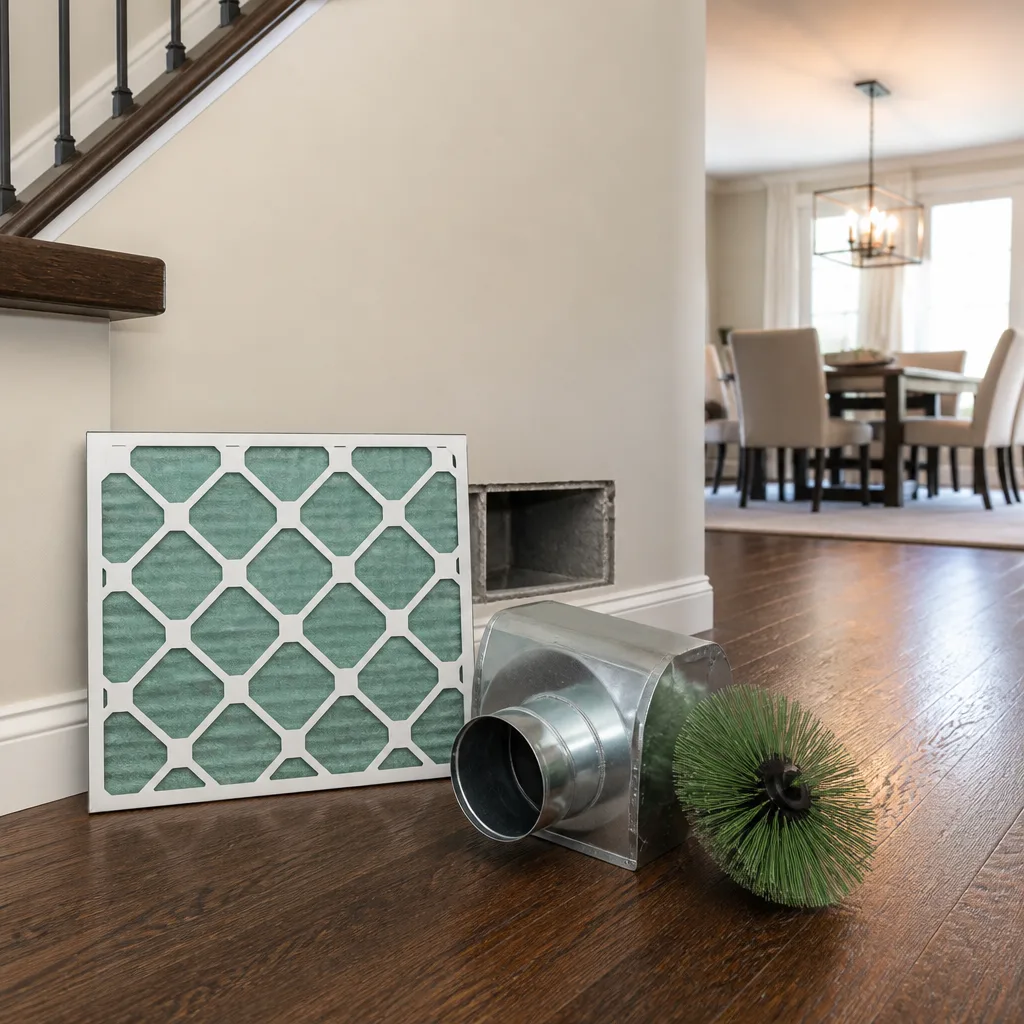
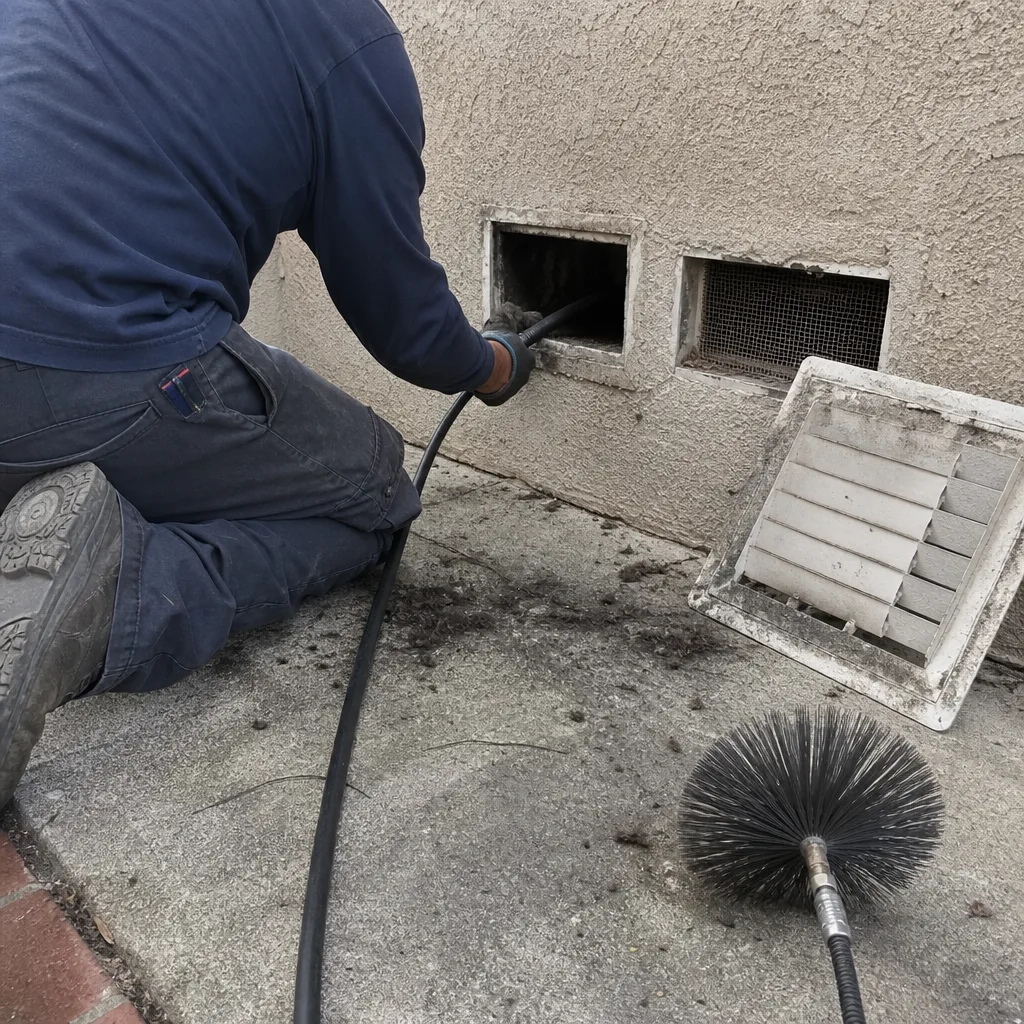 Before
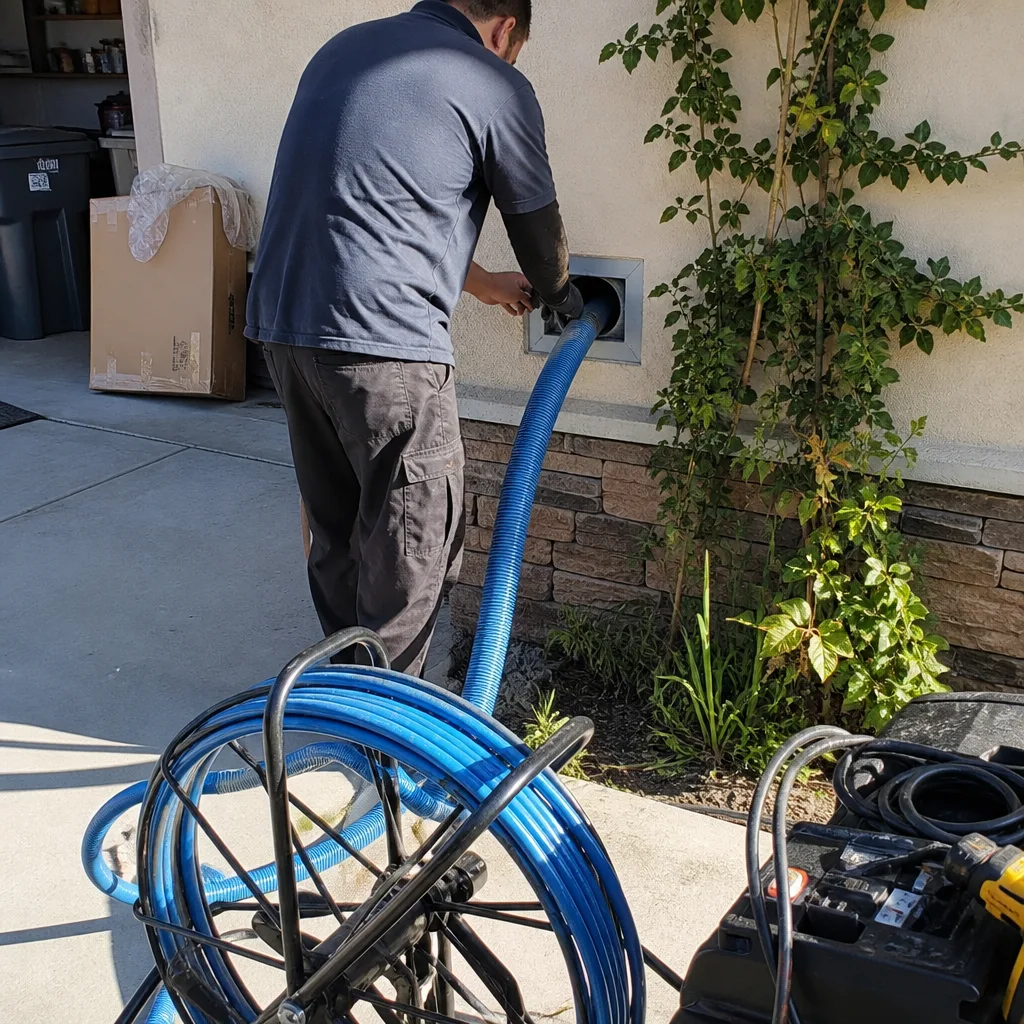 After
After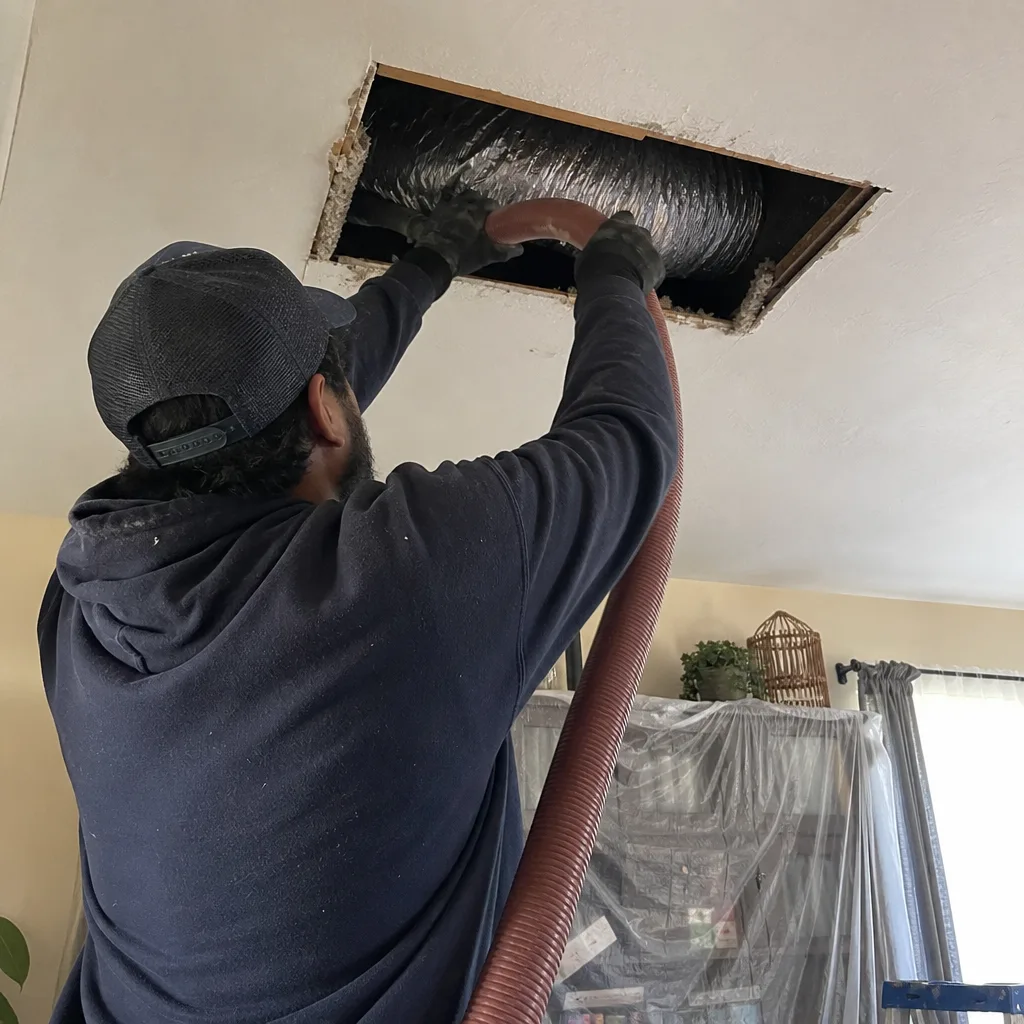 Before
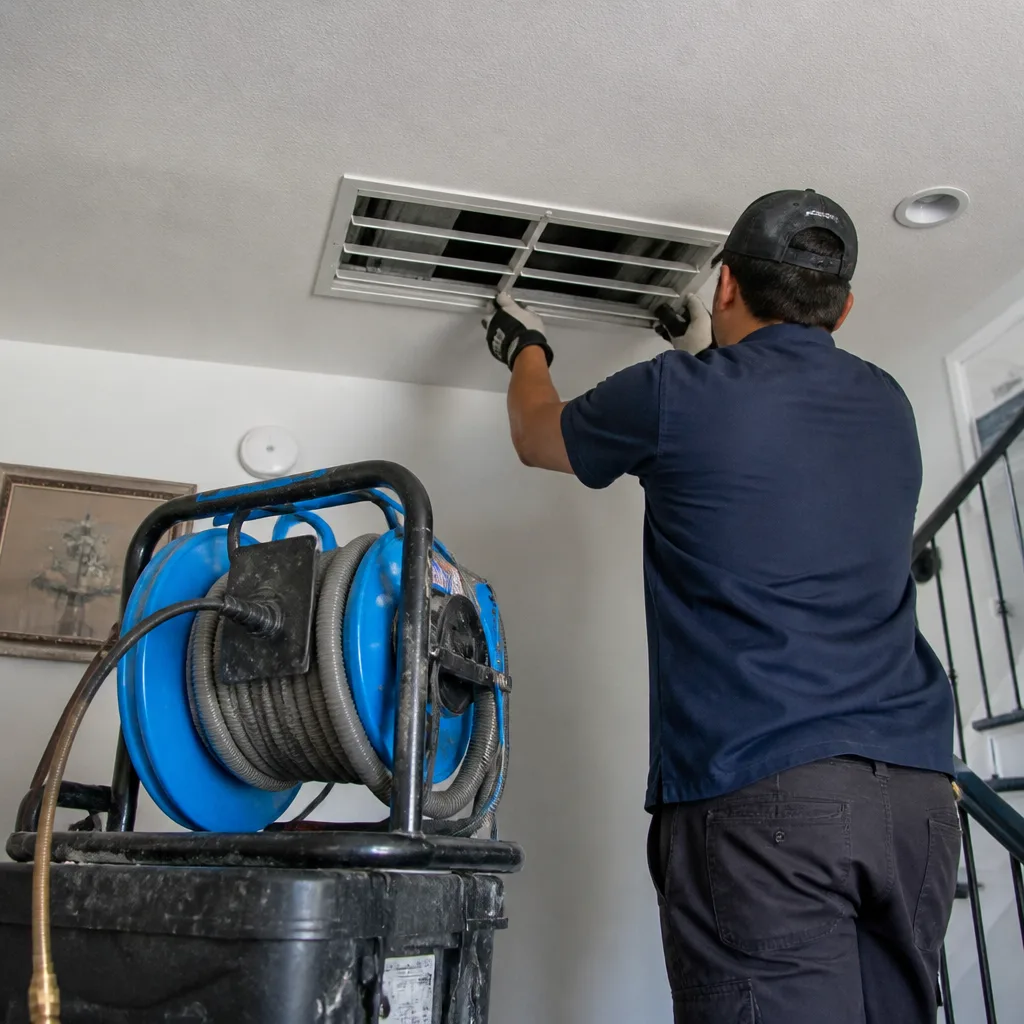 After
After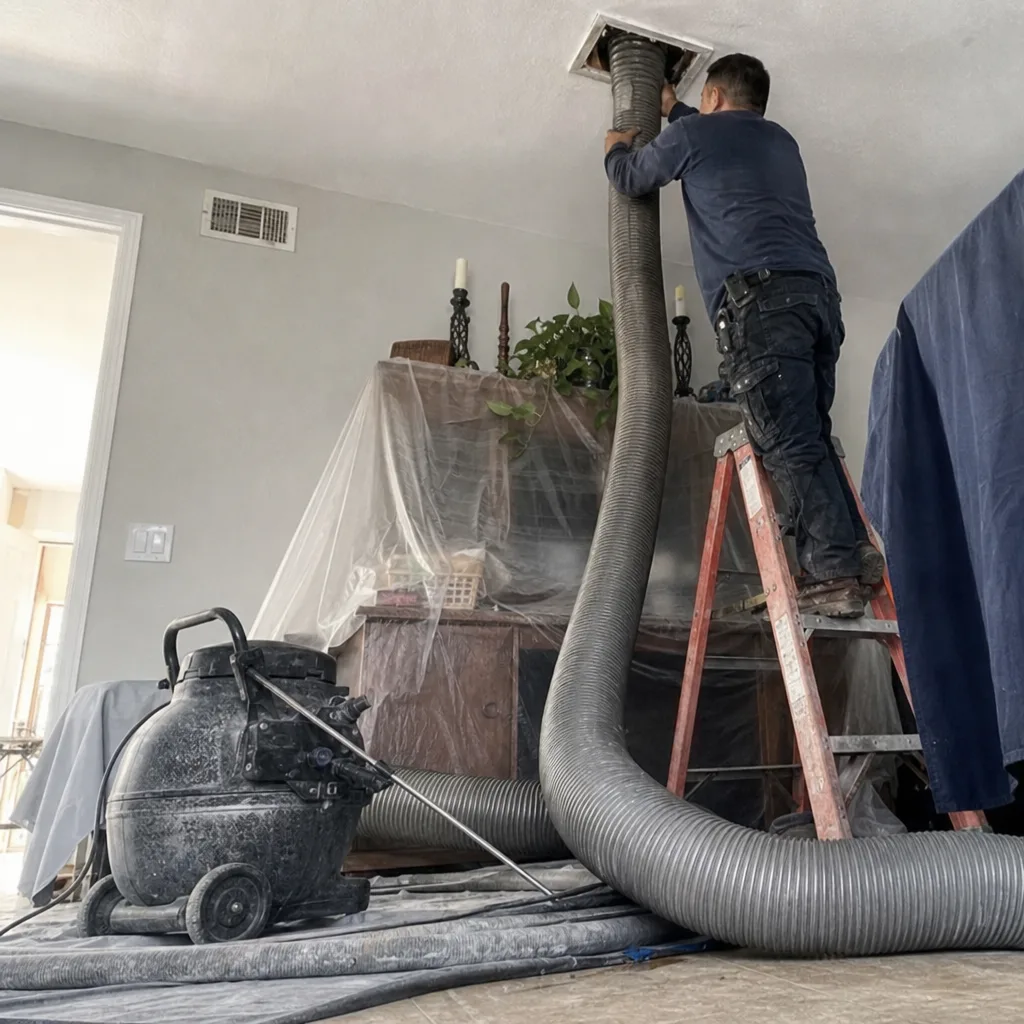 Before
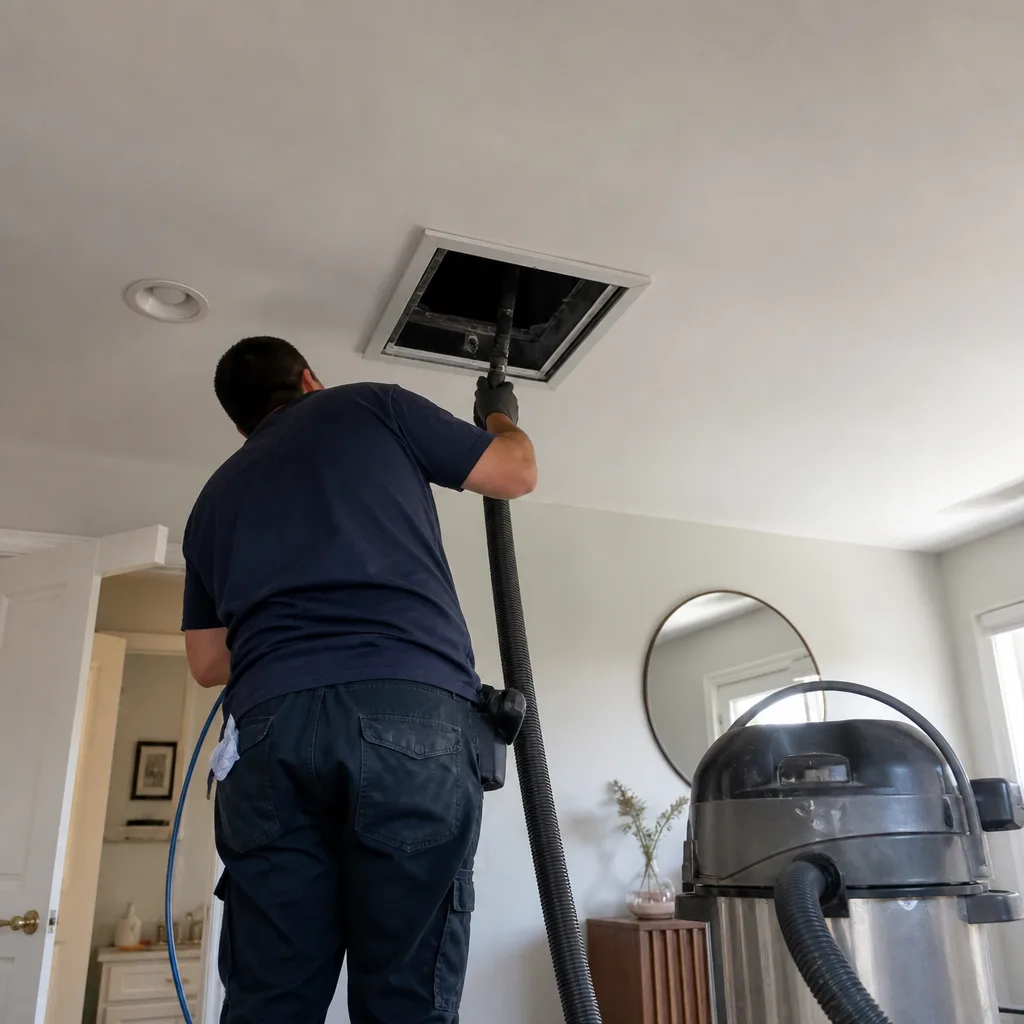 After
AfterAllergies Worse Indoors
If your allergy symptoms get worse the moment you step inside and ease up when you leave, your home’s air duct system is almost certainly recirculating the problem. Dust, mold spores, pet dander, and other particles collect inside duct work over time, and every time your HVAC system runs, it pushes that buildup straight into the rooms where your family breathes. A professional air duct cleaning removes the source – not just the symptom.
This pattern – better outside, worse inside – is one of the clearest signals we see. A lot of homeowners assume it’s the season, or the neighborhood, or something they ate. Then they clean the ducts and the sneezing stops. The ducts in a typical home are never seen, rarely thought about, and almost never cleaned. That’s exactly why they become the hidden trigger for symptoms that seem to come from nowhere. If you have kids or pets, the problem compounds: pet dander and fine debris settle into the duct work and re-enter the air on a loop, every time the system kicks on.
Why It Happens
Dust and Debris Buildup Inside the Ducts
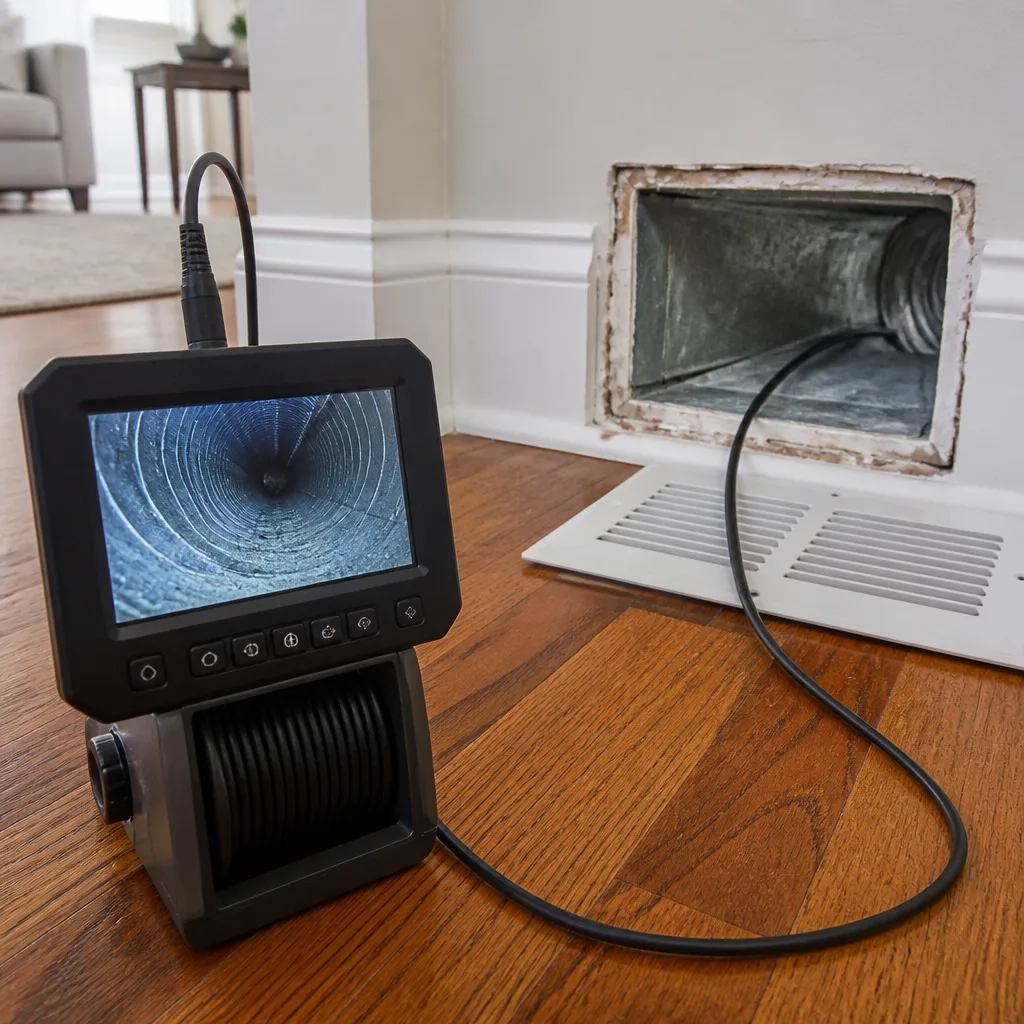
Over years of normal use, fine particles – skin cells, soil tracked in from outside, fibers from furniture and carpet – settle inside your ductwork and stay there. When the blower runs, it lifts those particles and delivers them directly into your living spaces. You can get an early read on this by pulling a supply vent cover off the wall and shining a flashlight inside: a thin grey coating is normal, but anything thicker than that, or visible clumps, means the system is overdue for cleaning.
Mold or Mildew in the Duct System
Ductwork that runs through unconditioned spaces – attics, crawl spaces, basements – can develop condensation on the inside walls when humid air meets a cooler surface. That moisture is enough for mold to take hold. If your symptoms include headaches or a musty smell that’s strongest when the system first turns on, mold in the ducts is worth investigating. A technician with the right equipment can inspect and confirm it before any work begins.
A Clogged or Bypassed Filter
Your system’s air filter is the first line of defense, but a filter that hasn’t been changed in months stops filtering and starts restricting. Worse, if the filter is the wrong size or seated loosely, air pulls around it entirely and whatever’s in the return plenum goes straight into the supply side. Check your filter now: if it’s grey, flat, and dense when you hold it to the light, change it before your next service visit. If the slot around it shows gaps, seal them with foil tape.
Animal Dander Trapped in the System
Pets shed constantly, and the finest particles from that shedding are light enough to travel through the return vents and settle deep inside the duct runs. This is especially common in homes where pets have access to every room, because every return vent becomes an intake for dander. If symptoms spike in the hour after the HVAC runs and you have animals in the house, the duct system is almost certainly holding a significant load of dander that no filter swap alone will clear.
What to Do Right Now
- Change the air filter today. Even if it’s not the root cause, a clean filter stops adding to the problem while you wait for service. Use the size printed on the old filter’s frame.
- Check your return vents. Look for visible dust on the vent grilles. If the grilles are heavily coated, the air passing through them is carrying that debris into the system. You can wipe the grilles with a damp cloth – leave the duct interior to a technician.
- Stop running the HVAC fan on “continuous” mode if you can. Fan-only mode moves air constantly without cooling or heating it, which means it’s also moving whatever’s in the ducts constantly. Switch to “auto” so the fan only runs when the system is actively conditioning the air.
- Photograph the vent covers and any visible buildup. These photos help your technician understand the scope of the problem before the inspection and give you a before-and-after reference.
- Do not attempt to clean inside the duct runs yourself. A household vacuum with a hose attachment can disturb settled debris and push it further into the system, or into the air. The right approach uses negative-air equipment that contains the debris as it’s removed – which is what a trained technician brings.
How We Fix It
When your local Morton’s Air Duct Cleaning team arrives, the first thing they do is walk the home with you, look at the system, and give you a written price before any tools come off the truck. That price is the price – no add-ons once the work is underway.
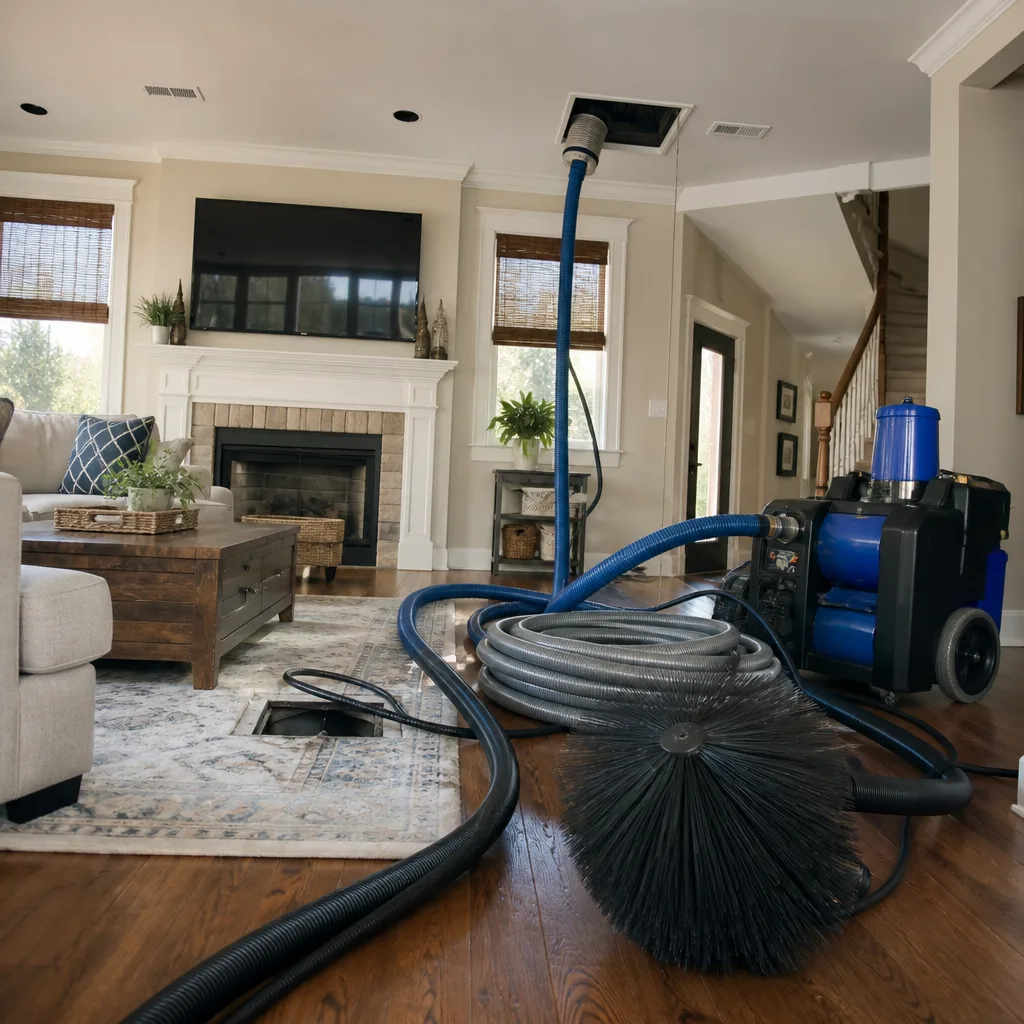
The technician connects professional-grade negative-air equipment from brands like Rotobrush, Nikro, and Abatement Technologies to your duct system, creating a contained vacuum that pulls debris toward a collection point rather than pushing it into the air. Brushes and agitation tools loosen what’s caked on the duct walls, and the debris is captured, not scattered. Supply and return runs are both addressed. For homes where allergens are the primary concern, a dryer vent cleaning is often scheduled the same visit – a clogged dryer vent can force fine lint particles back into the home’s air supply.
Most jobs take two to four hours depending on the size of the system. Before the crew leaves, they photograph the cleaned area and the home, so you have visual confirmation the work was done and the space was left clean. The 365-Day Done Right Promise covers every job: if something isn’t right, your local Morton’s team makes it right, no argument.
Frequently Asked Questions
Yes, dirty ducts are a common and underdiagnosed cause of indoor allergy symptoms. Dust mite debris, pet dander, mold spores, and fine particulate matter accumulate inside duct systems over time and re-enter the air every time the system runs. If your symptoms follow a clear indoor-outdoor pattern – worse at home, better outside – the duct system is a logical first place to look. A technician can inspect the system and show you what’s inside before any cleaning begins.
It’s unlikely to become a medical emergency overnight, but “it can wait” is how a mildly irritating problem turns into a serious one. If there is mold in the system, continued use pushes spores through the home every time the HVAC runs – and mold can spread to adjacent surfaces given enough time and moisture. For households with young children, elderly family members, or anyone with asthma or a compromised immune system, the smarter move is to address it promptly rather than wait. Call (323) 918-4345 and we’ll help you figure out how urgently it needs attention.
Before the crew leaves your home, they photograph the cleaned area so you have visual proof of what was done. You also get a written price before any work starts, so there’s a clear record of what was agreed and what was performed. The 365-Day Done Right Promise means that if you’re not satisfied with the result within a year of the job, your local Morton’s team comes back and makes it right – without a second invoice for the fix.
Scheduling depends on your area and how the calendar looks when you call. The best way to find out is to call (323) 918-4345 – a real person answers around the clock, and they can tell you exactly when your local Morton’s Air Duct Cleaning team is available. No voicemail, no chatbot, no callback required.
Get It Fixed
Call (323) 918-4345 – a live person picks up any time, day or night. Your local Morton’s Air Duct Cleaning team will schedule a visit, walk through the system with you, and give you a written price before any work starts. Book online or call now – the air in your home should be clean.
Written by Paul Adeyemi, Owner at Morton’s Air Duct Cleaning, serving communities across the country since 2005.
What Our Customers Say
"New house, old dusty ducts. They were gentle in the house, laid down drop cloths, and double checked every register was sealed back up. Air smells fresh now."
- Scott Hemmings"Friendly, calm crew that clearly cared about the house. Covered their shoes, protected the floors, and double checked they'd closed up every vent cover properly. Would have them back."
- Omar Zaid"Ducts and dryer vent both. They put runners down the whole hall and wore booties. Spotless after, and they showed me photos of what came out. Worth every penny."
- Bonnie Vo