
Whole-system duct and dryer vent check with before-and-after photos - you see exactly what came out of your vents
That "$99 whole-house special" is a bait ad - the real number appears once they are in your hallway, or the "clean" is a shop-vac at the register. We photograph the inside of your ducts before and after instead.
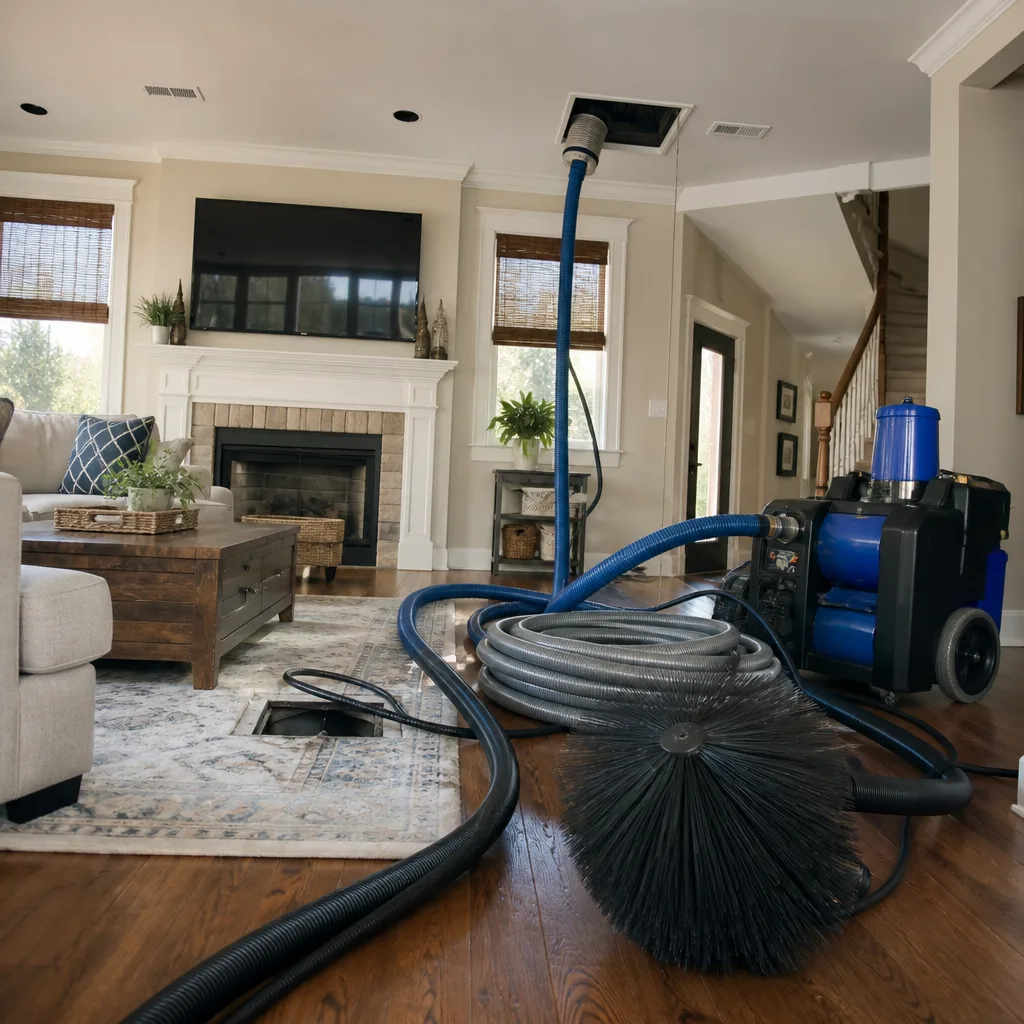
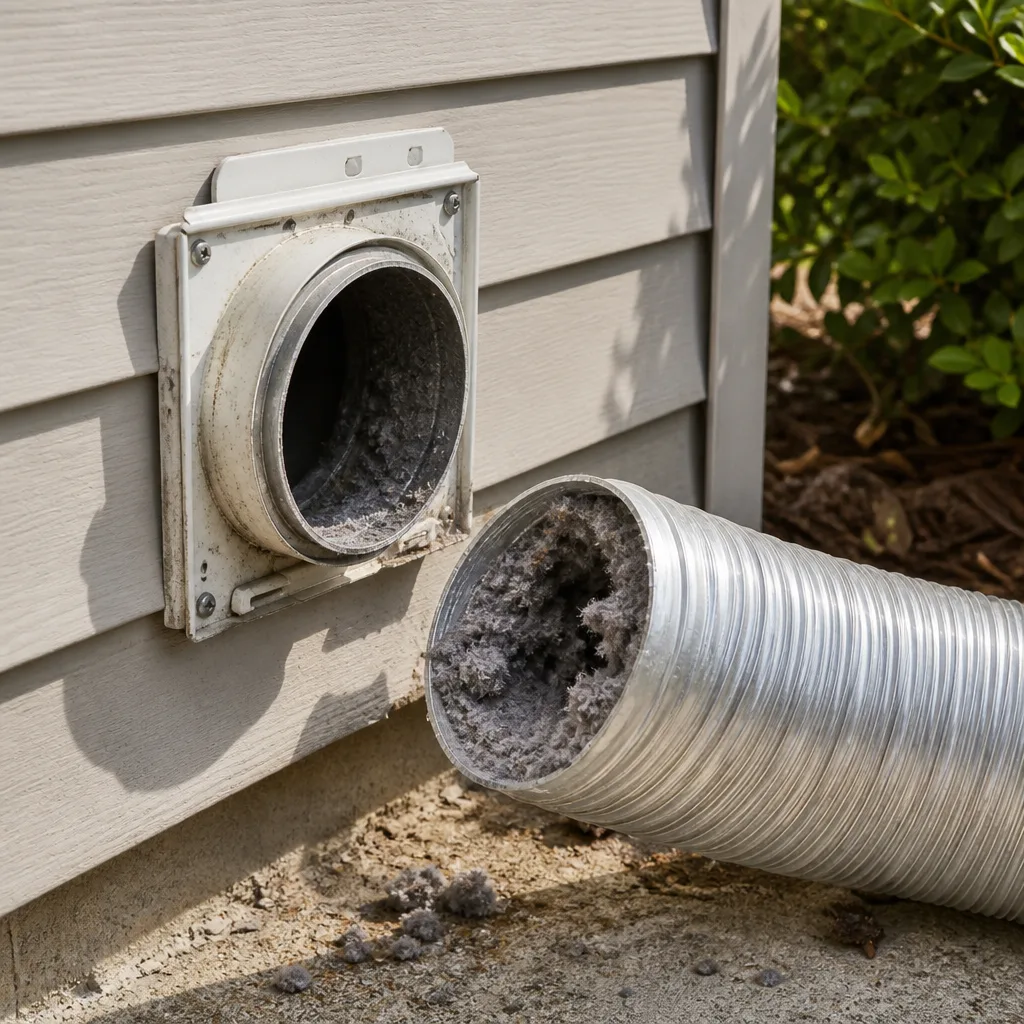
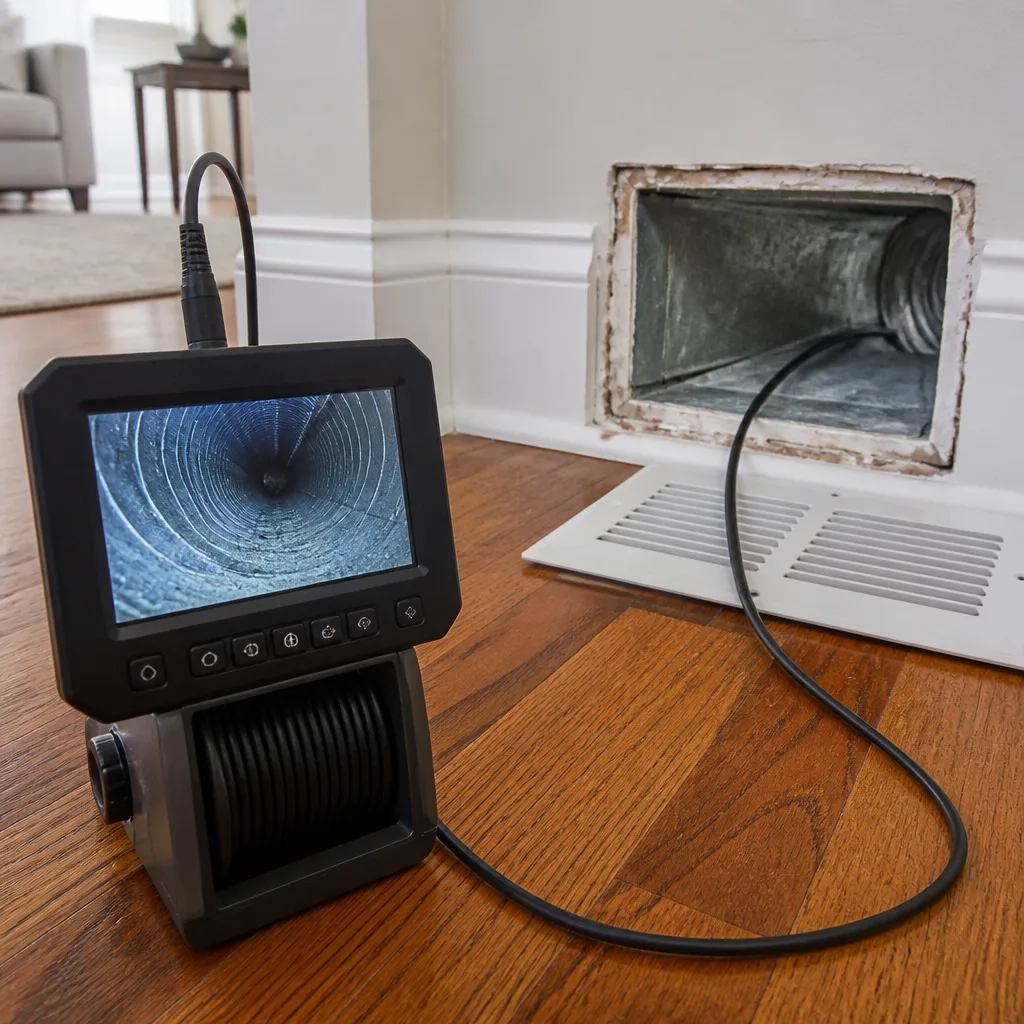
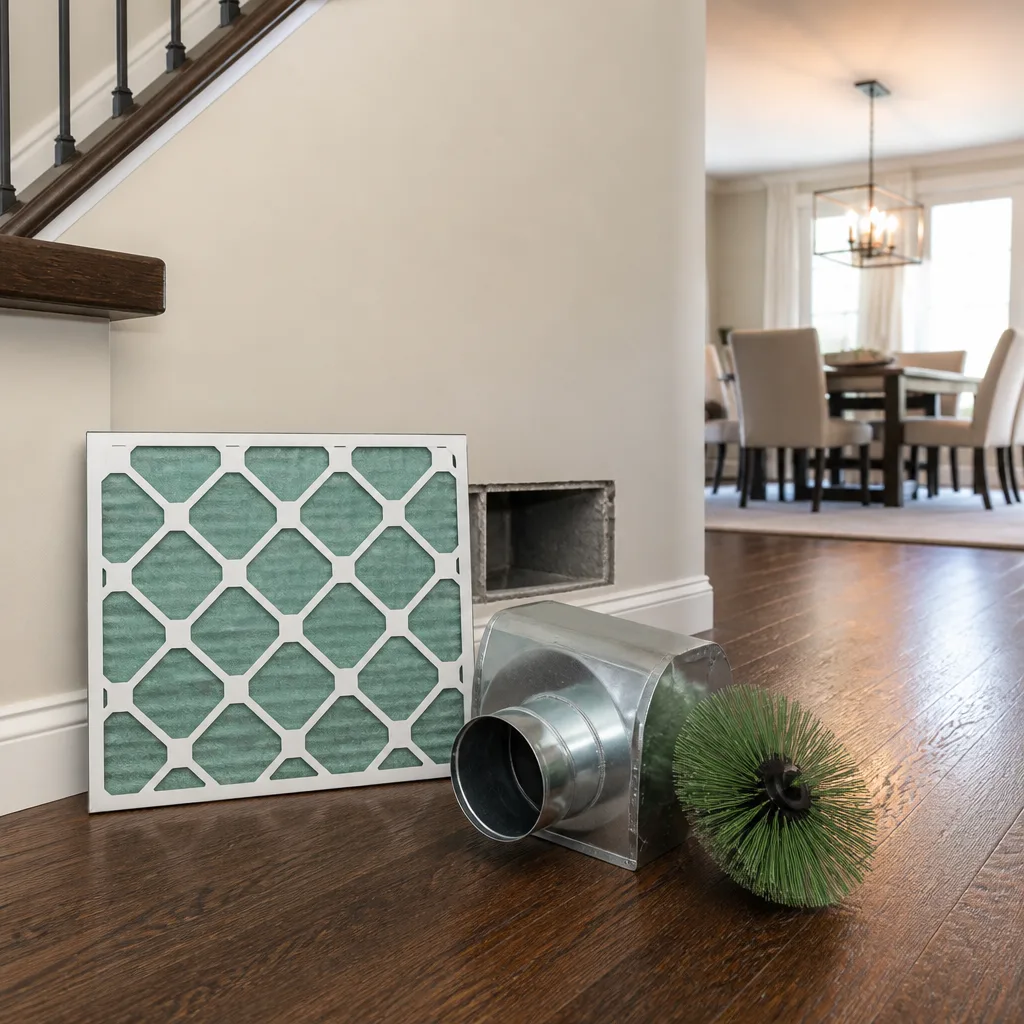
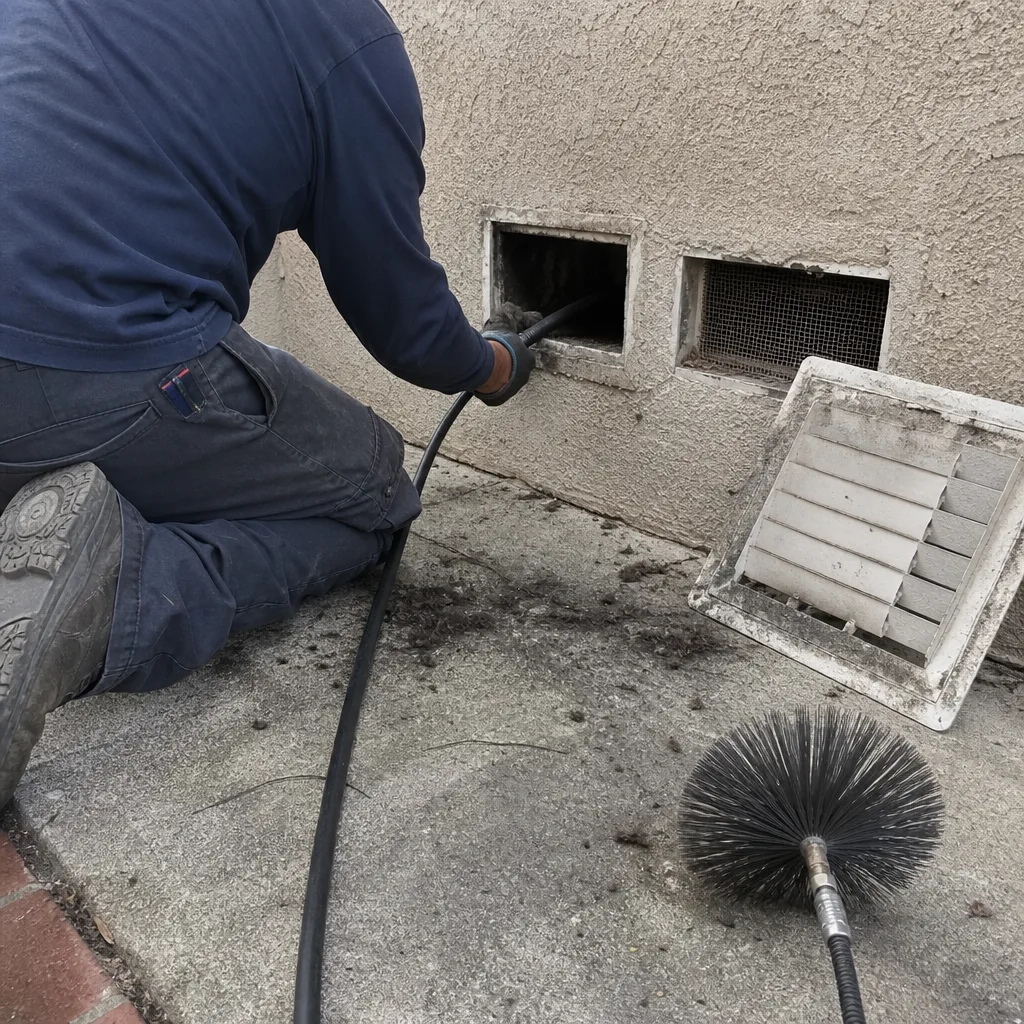 Before
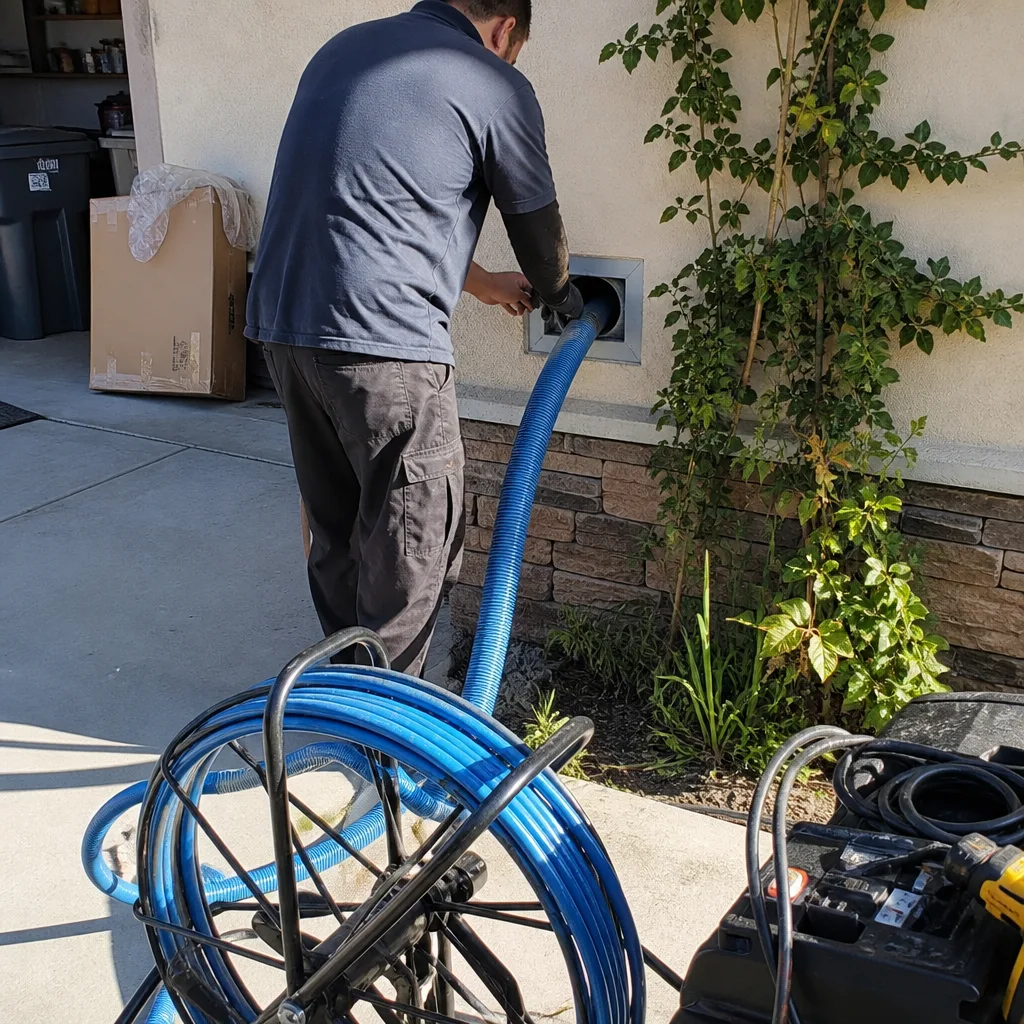 After
After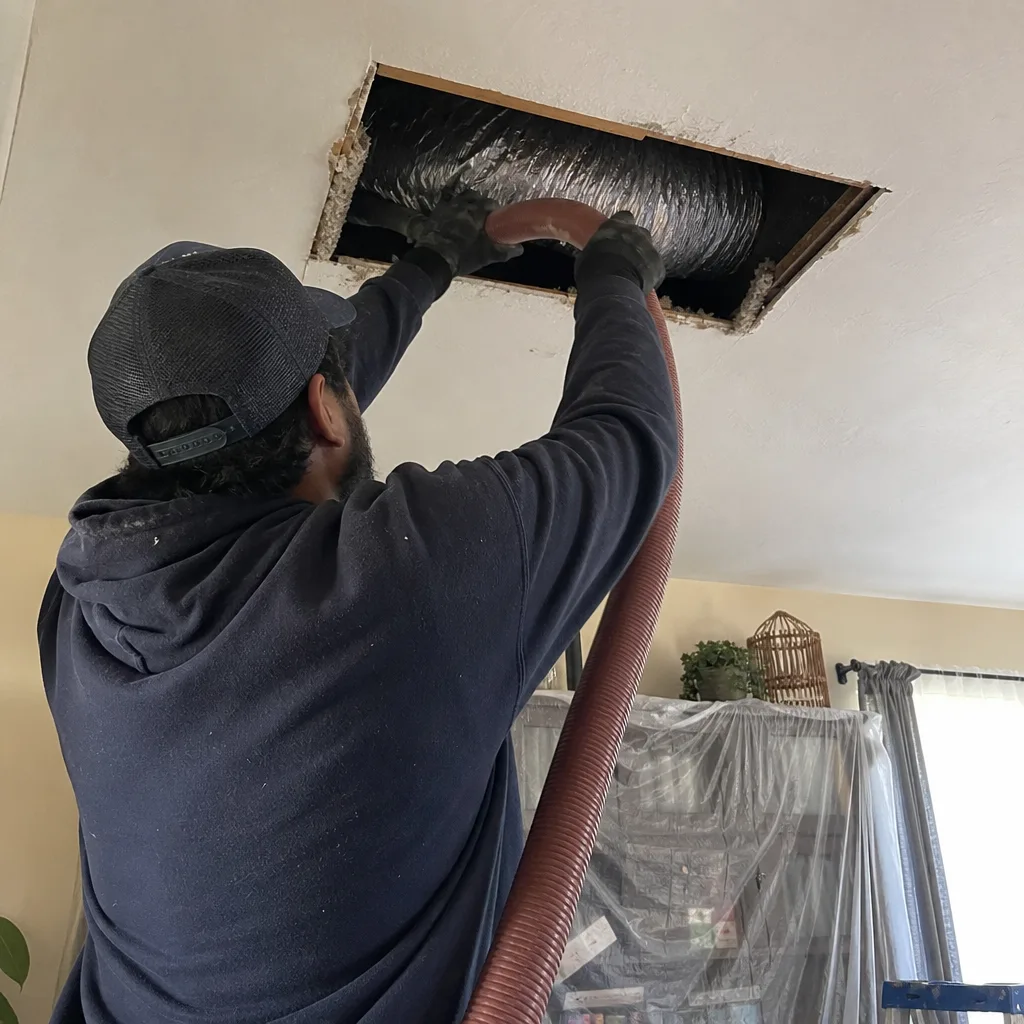 Before
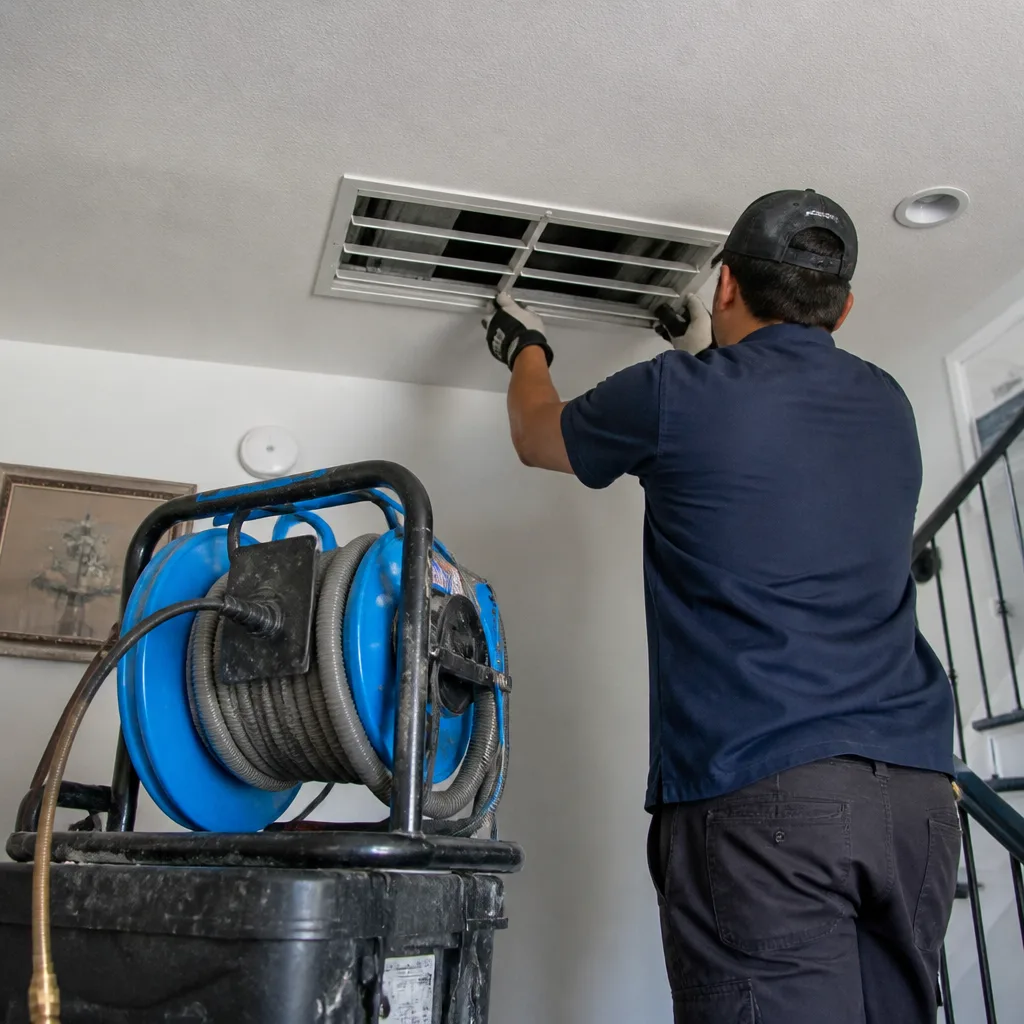 After
After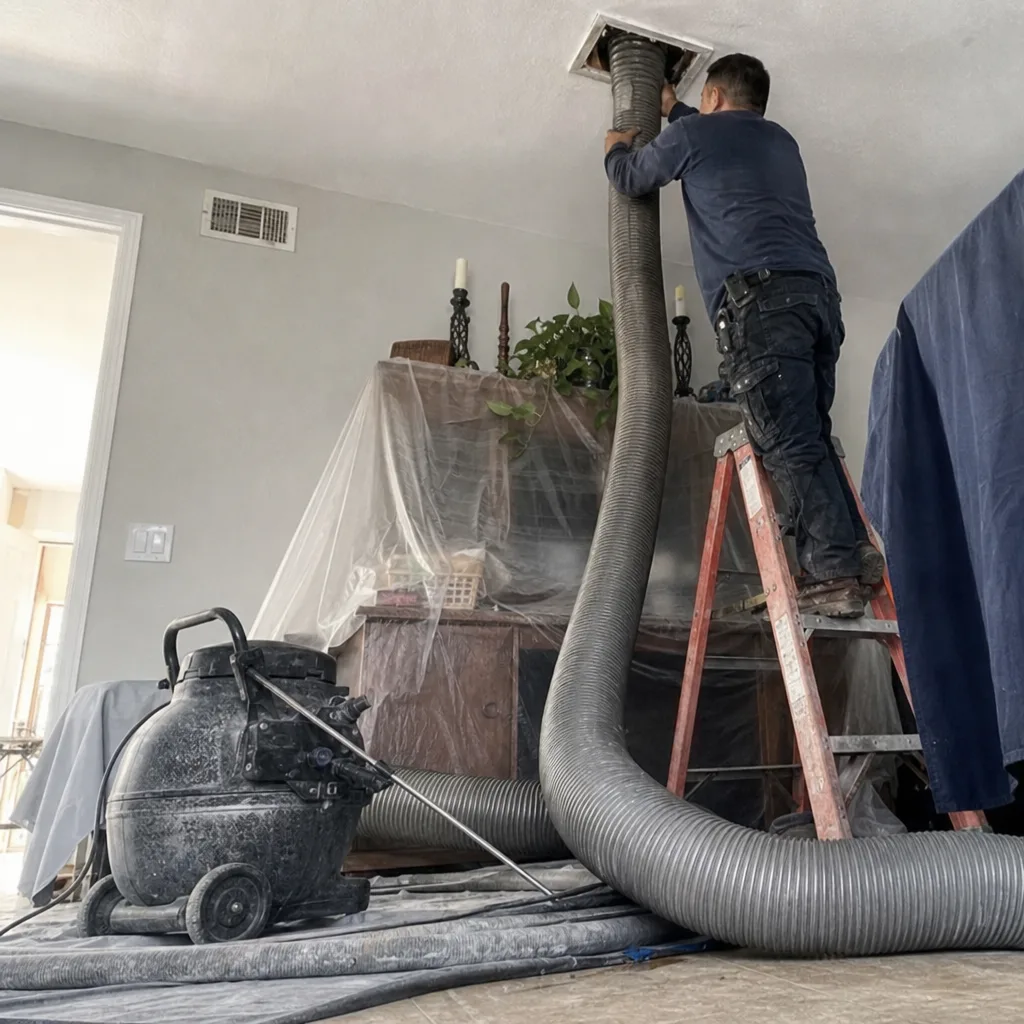 Before
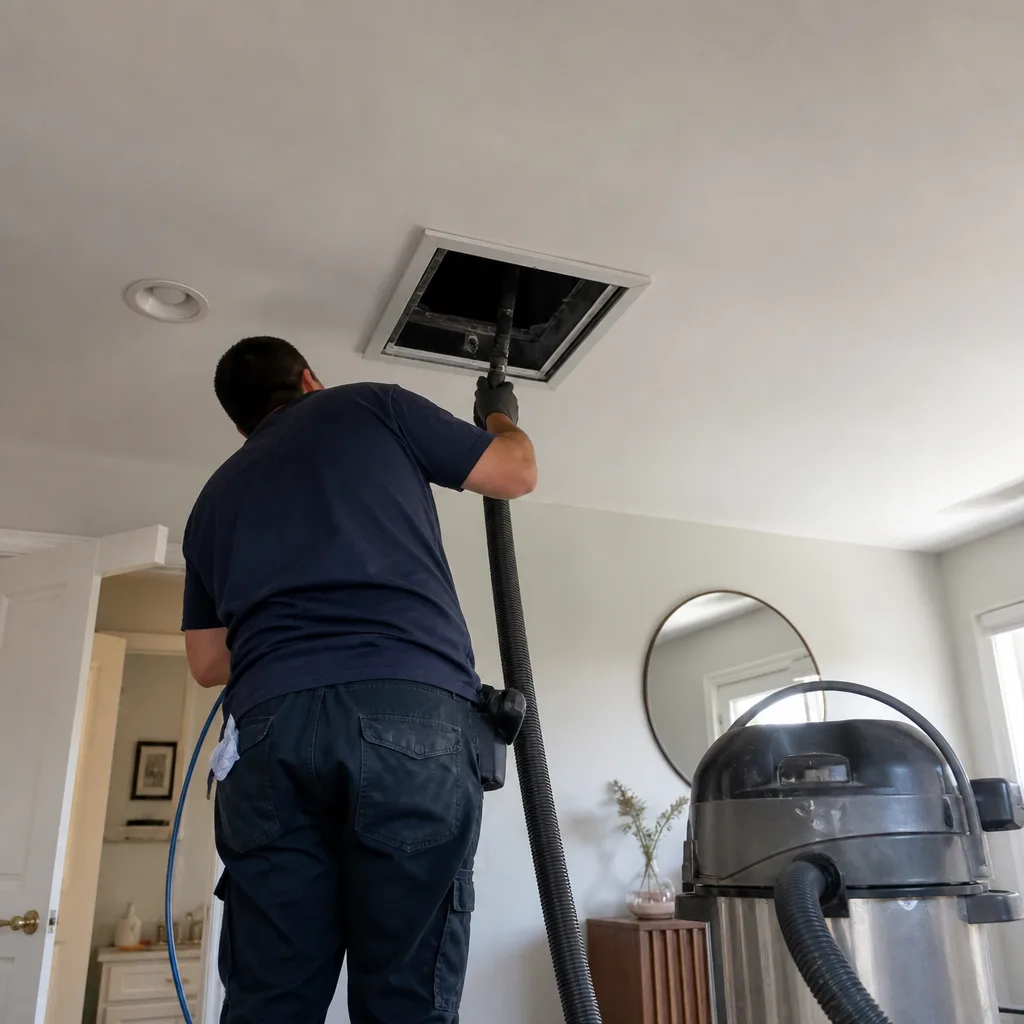 After
AfterNikro Coil Cleaning: The Los Angeles Owner’s Guide
If you own a Nikro coil cleaning machine and the coil itself has failed or is underperforming, we stock replacement coils for most Nikro models and can install them at your Los Angeles location, typically in a single visit. Installed pricing for Nikro coil replacement in the LA area generally runs between $185 and $420 depending on the model and whether you need just the coil or the complete coil-and-manifold kit. Most owners discover the problem the hard way: the machine powers on, but the cleaning head barely pulls water, or the coil smells hot within minutes of startup. You’ll also hear a telltale rattle when the coil’s fins have corroded loose from the core, which happens faster here than most places because our coastal air carries salt and our inland summers bake equipment stored in trucks and garages.
Which Nikro Models This Applies To
Nikro puts coil cleaning assemblies into most of their negative air machines and coil cleaning systems, but the part is not universal across the lineup. The typical Nikro coil used in their portable duct cleaning machines and coil cleaning attachments is a copper-tube, aluminum-fin evaporator-style coil, usually 12 to 16 inches square depending on whether you’re running an older NR series or a newer AQ model. In Los Angeles, the machines we see most are the Nikro AQ3500, the older NR2000, and various Nikro coil cleaning cart systems used by restoration crews, and each takes a slightly different casing footprint even though the internal coil core is often similar. The reliable way to identify your exact part is to find the silver rating plate on the machine’s side panel and read the model and serial number, then measure the coil’s face dimensions with the access door off. Nikro’s OEM coils are well-made but expensive for what they are, and we honestly tell our customers that a quality aftermarket replacement, matched to the same face area and tube count, performs identically in our climate when installed by someone who knows how this equipment actually sees use. We are an independent service provider, not affiliated with Nikro, but we work on their machines every week because so many duct cleaning companies across Los Angeles run them hard.
Signs Your Nikro Coil Cleaning Is Failing
- The cleaning head loses suction or water flow within minutes of startup. A coil with a pinhole leak loses refrigerant charge slowly, so the machine cools fine at first, then fades as the coil warms up. If your Nikro runs strong cold and weakens hot, that’s the classic signature of a failing coil core.
- You hear a metallic rattle or clicking from the coil housing. In Los Angeles air, especially near the coast, aluminum fins corrode at the copper contact points and break loose over time. Once fins are rattling, the coil is no longer transferring heat efficiently, and the noise is the fins bouncing against the tube grids.
- The machine trips a breaker or blows a fuse when the coil engages. A grounded or shorted coil winding pulls far more amperage than the machine was designed for. We see this more in older Nikro units that have spent years in hot attics and van compartments where wire insulation turns brittle.
- There’s a green or white crust forming along the coil’s header joints. That crust is electrolysis at work, accelerated by LA’s hard water and the chemical cleaners many crews run through their machines. Once corrosion starts at the headers, leak repair doesn’t last; the coil needs replacement.
- The air coming off the coil smells sour or musty, even after cleaning the unit. A coil that’s been leaking slowly creates a damp, dark environment inside the housing, which is where biological growth starts. If you’ve cleaned the machine and the smell returns within days, the coil is likely weeping moisture into spaces you can’t wipe down.
Replacement Cost & What’s Included
In Los Angeles, an installed Nikro replacement coil typically runs $185 to $420 all-in. The lower end covers the coil core itself for smaller NR-series machines, replaced here in our shop or at your location if the machine is accessible. The higher end covers the complete coil-and-manifold kit, new gasketing, fresh refrigerant charge, and the labor to remove the old coil, clean the housing properly, and run performance tests before we hand it back to you. What drives the range: coil size, whether your Nikro uses R-410A or the older R-22 refrigerant (older units cost more to recharge), and how much of the cabinet hardware has corroded along with the coil. We give you a written price before any work starts, and that’s the price on the invoice. Every Nikro coil we install is backed by our 365-Day Done Right Promise: if it isn’t right, we make it right.
DIY or Call Us?
You can safely check the model plate, measure the coil face, and take a look for obvious fin corrosion or crusty headers. That’s useful information to have when you call us, and it helps us bring the right part the first time. What you shouldn’t do is open the refrigerant lines yourself. Nikro coil assemblies run under pressure, and releasing refrigerant without recovery equipment is illegal in California and genuinely dangerous to your skin and eyes. If your machine predates 2010, it may still run R-22, which is no longer manufactured and expensive to replace if a DIY attempt vents the system accidentally. Before we start, let me show you exactly what we found and exactly what it will cost to fix it, said Paul Adeyemi, Owner at Morton’s Air Duct Cleaning. That’s how we’ve handled every Nikro job we’ve done in Los Angeles since the beginning, and it’s how we handle yours. Call (323) 918-4345 and we’ll get your machine back to work.
FAQs
A Nikro coil in LA typically lasts 6 to 10 years, though machines stored outdoors near the coast in neighborhoods like Venice or San Pedro often need coils replaced closer to the 6-year mark due to salt-air corrosion, while units kept indoors in the Valley can push past a decade. The single biggest factor is where the machine lives when it’s not working, and the second is whether it gets rinsed after chemical runs. If your coil is older than 8 years and you’re seeing symptoms, replacement is usually the better value than attempting a repair. Call (323) 918-4345 and we’ll tell you honestly where your machine falls.
Small pinhole leaks at an accessible solder joint can sometimes be repaired, but in our experience with Nikro machines across Los Angeles, a coil that’s developed one leak usually has others forming, and once the aluminum fins start separating from the copper tubes, repair stops being cost-effective. We’ll always quote you the repair option first if we think it will hold, but we won’t patch a coil that’s going to fail again in three months just to save you money on the front end. Call (323) 918-4345 for an honest assessment.
Most Nikro coil replacements take 2 to 4 hours from start to finish, including removing the old coil, cleaning the housing, installing the new coil, recharging the system, and running the machine through its full startup sequence to confirm suction, water flow, and temperature drop are correct. We carry the common Nikro coil sizes on our trucks, so we often don’t need a second visit. If your model requires an odd-sized coil, we’ll tell you before we schedule the job so there’s no waiting around.
We stock the most common Nikro coil sizes and manifold kits on our trucks, along with compatible replacement parts for Lennox, Trane, and Carrier equipment we service, so most Los Angeles jobs are done same-visit. For less common Nikro models, we can source the OEM or quality aftermarket equivalent within 2 to 3 business days. Call (323) 918-4345 with your model number before the visit and we’ll confirm what’s on the truck that day. Estimates are free, and a live person answers around the clock.
Written by Paul Adeyemi, Owner, Morton’s Air Duct Cleaning at Morton’s Air Duct Cleaning, serving Los Angeles and nearby areas.