
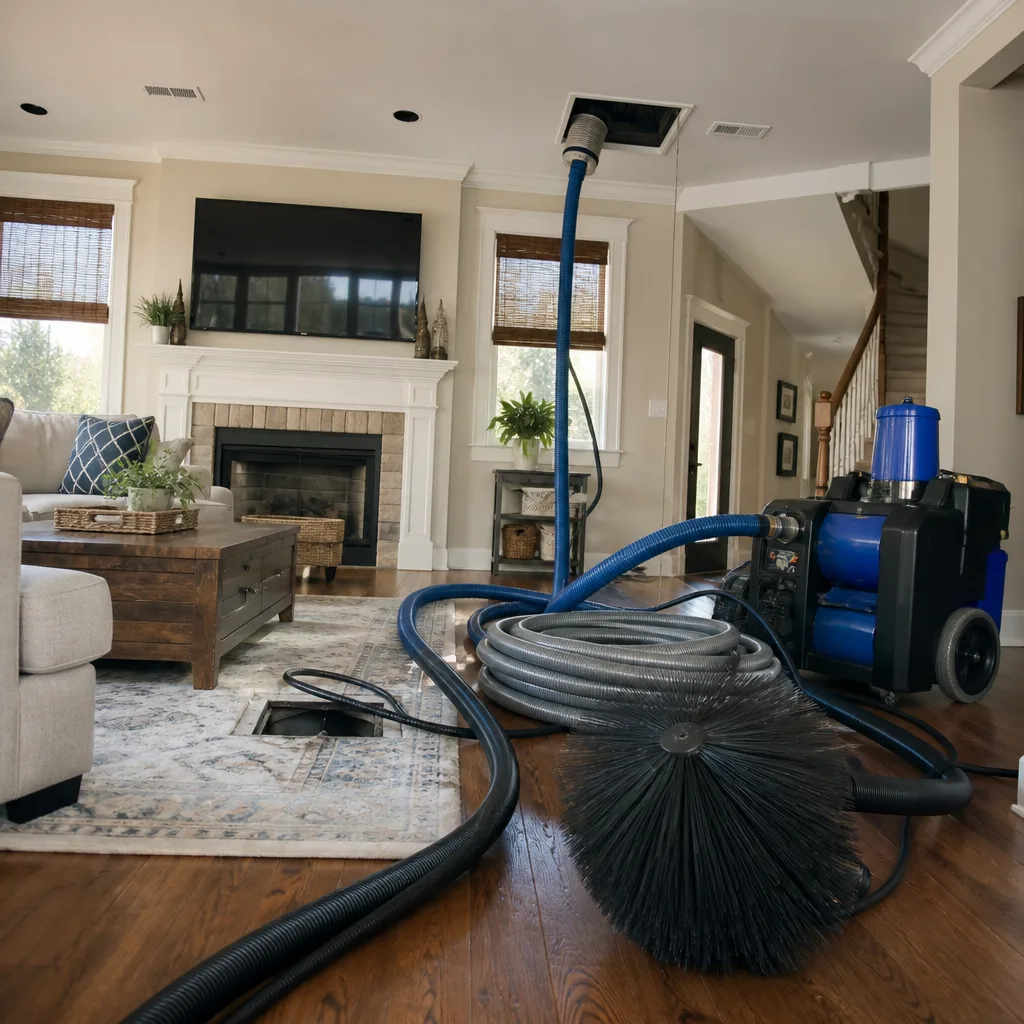
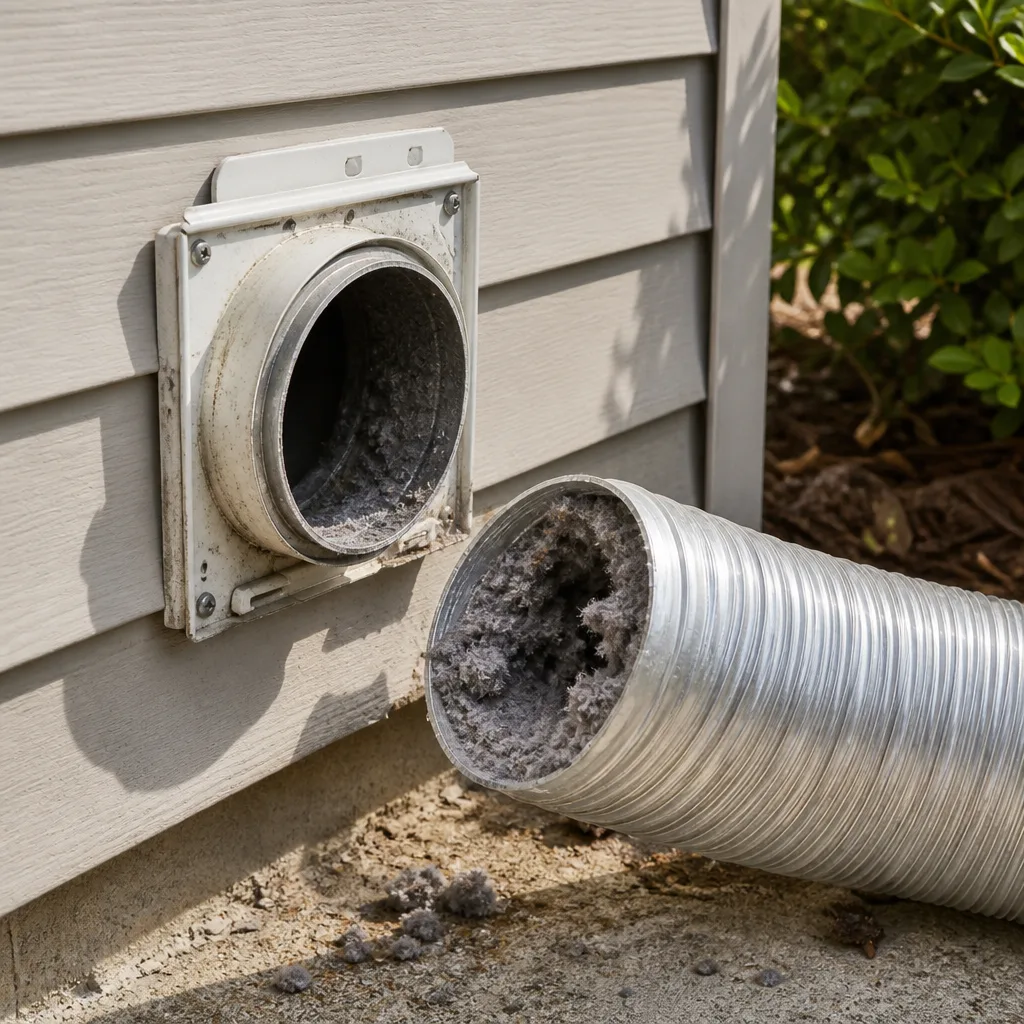
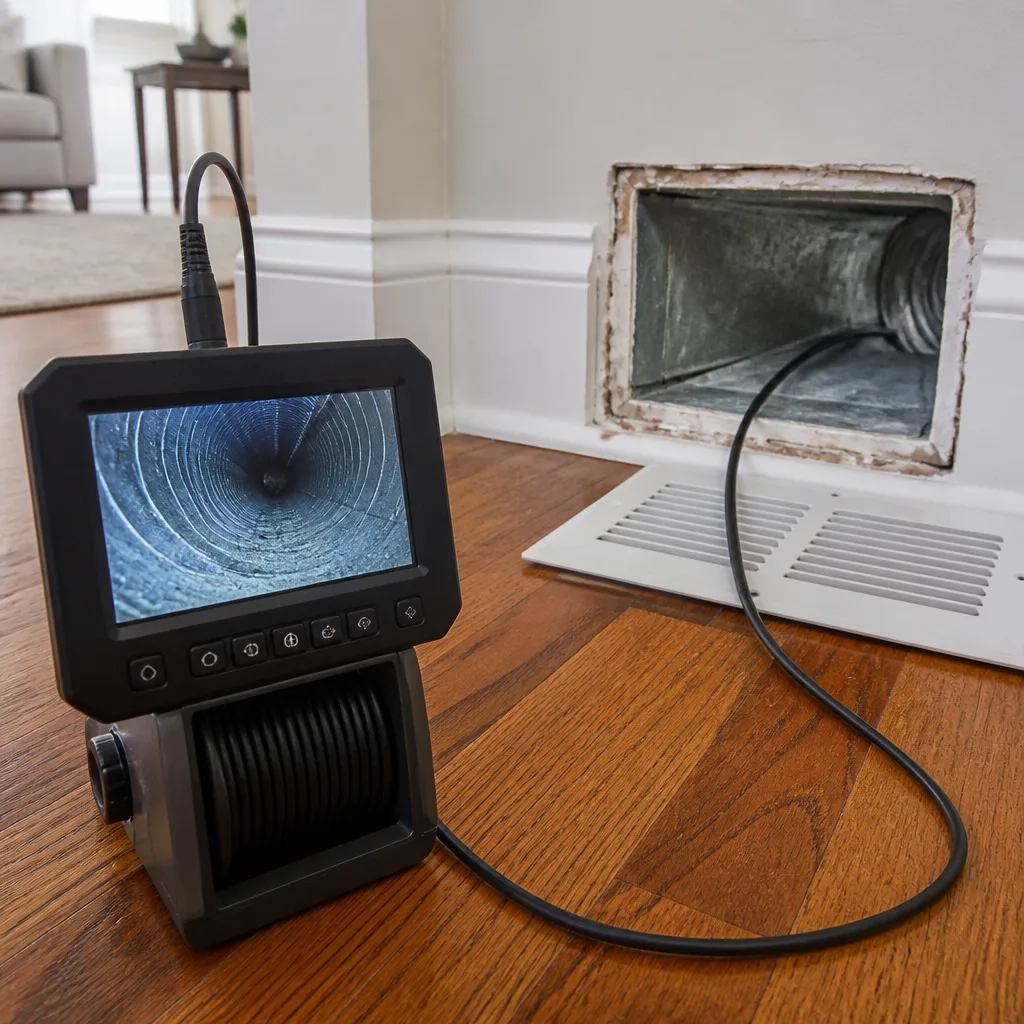
Whole-system duct and dryer vent check with before-and-after photos - you see exactly what came out of your vents
That "$99 whole-house special" is a bait ad - the real number appears once they are in your hallway, or the "clean" is a shop-vac at the register. We photograph the inside of your ducts before and after instead.
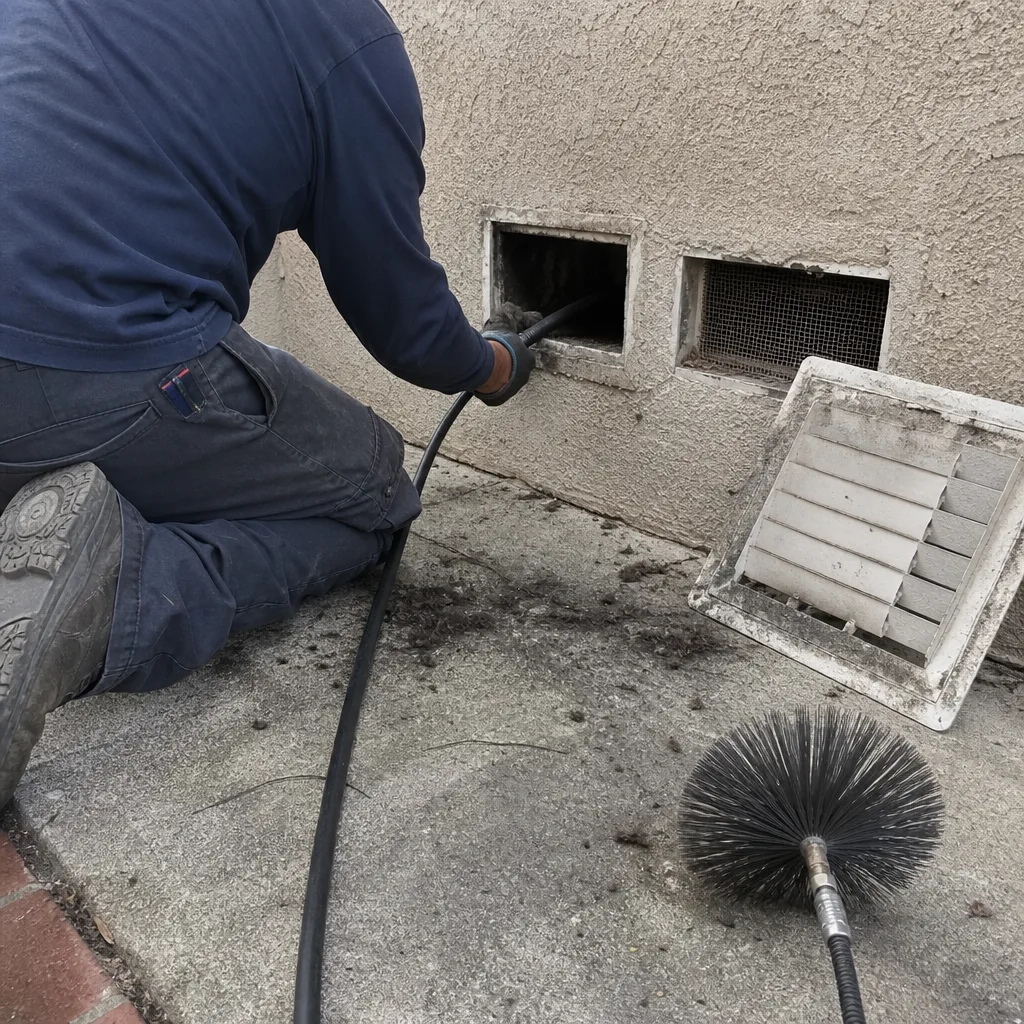 Before
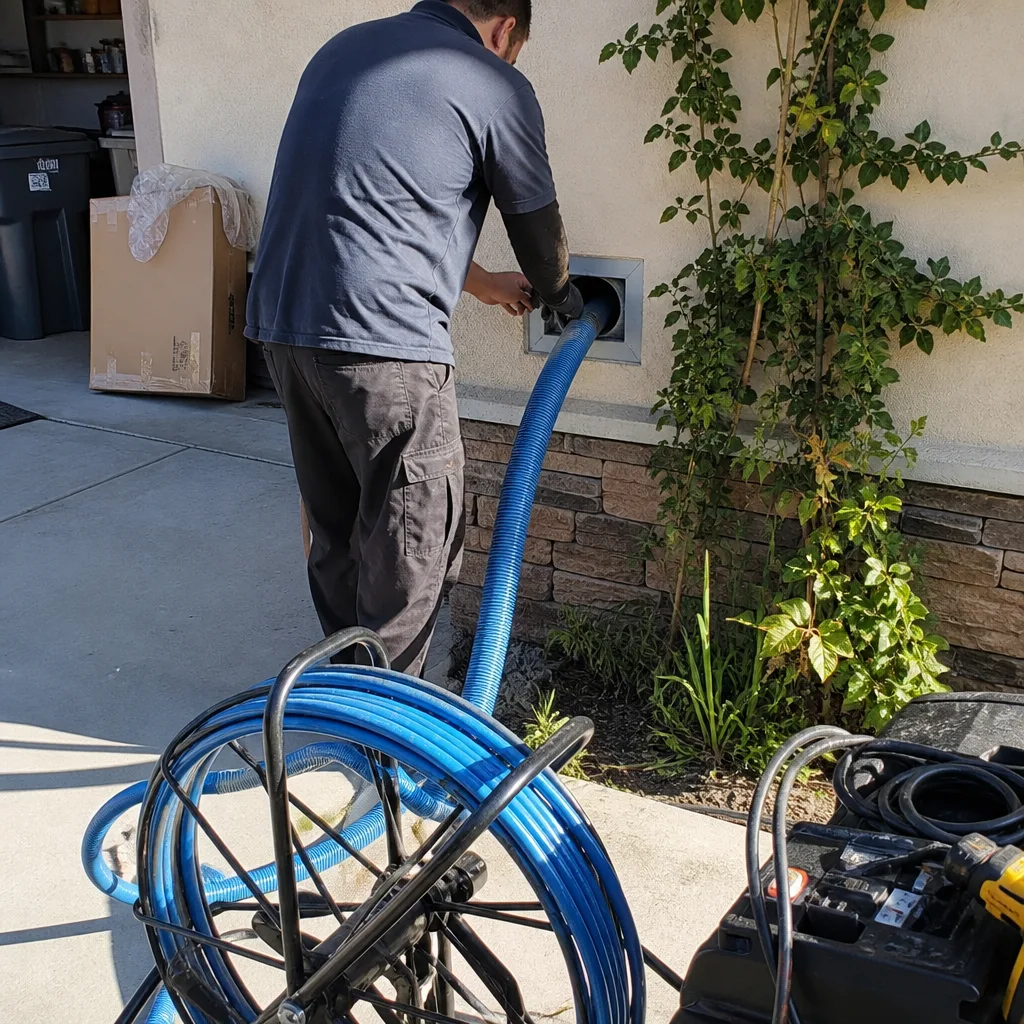 After
After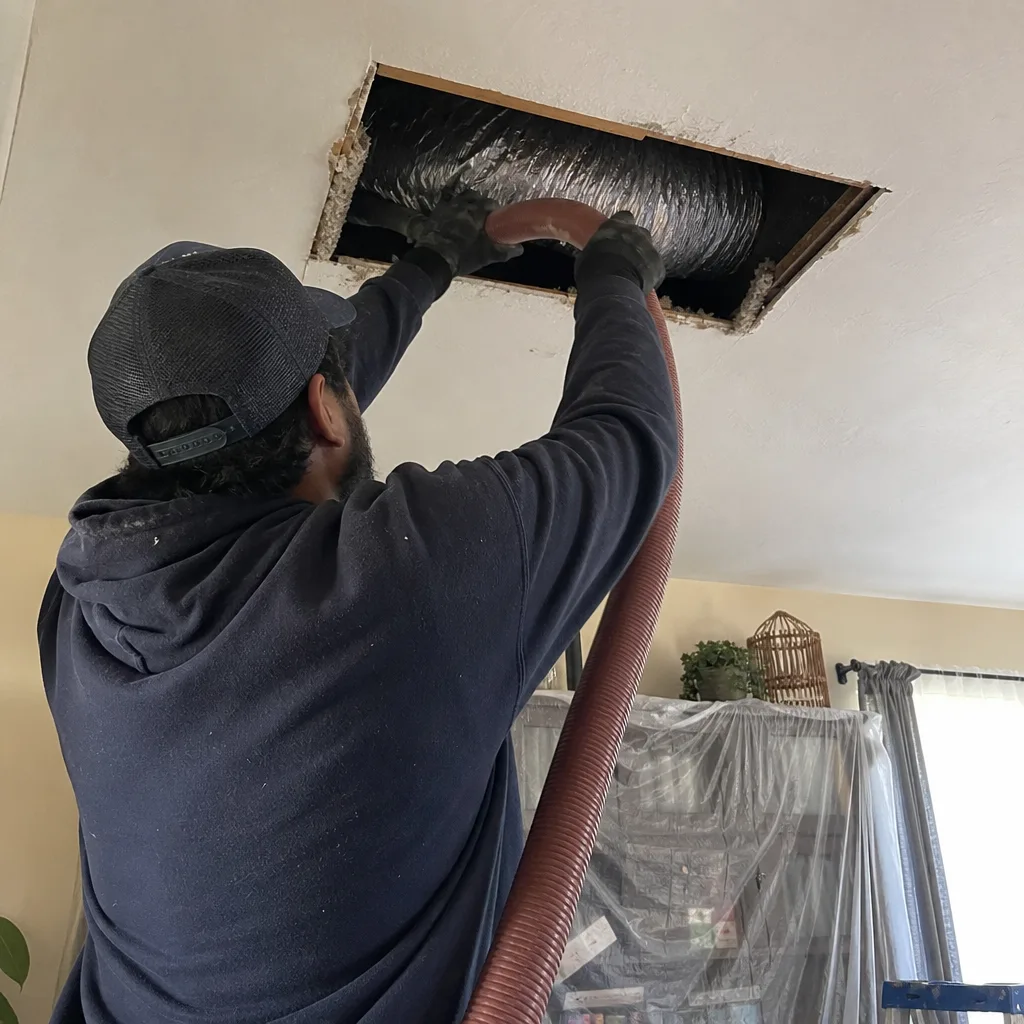 Before
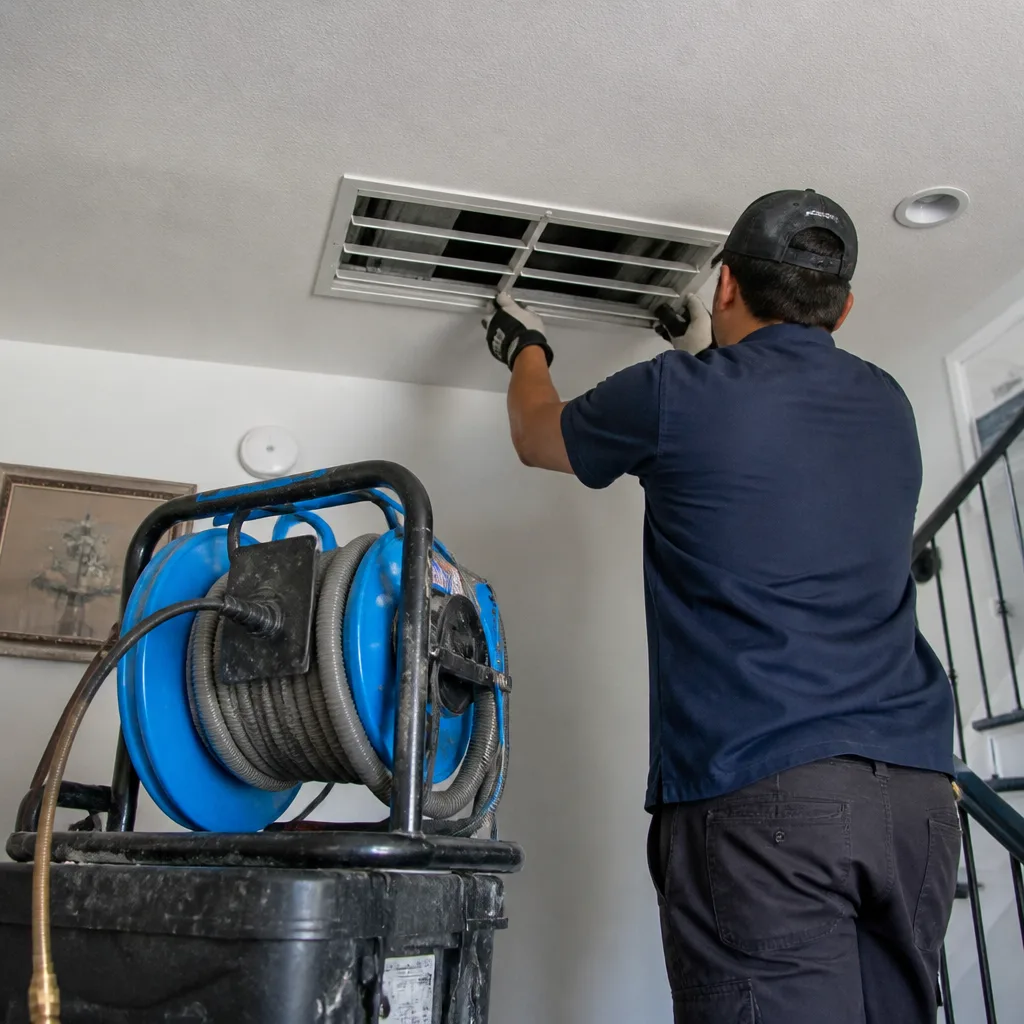 After
After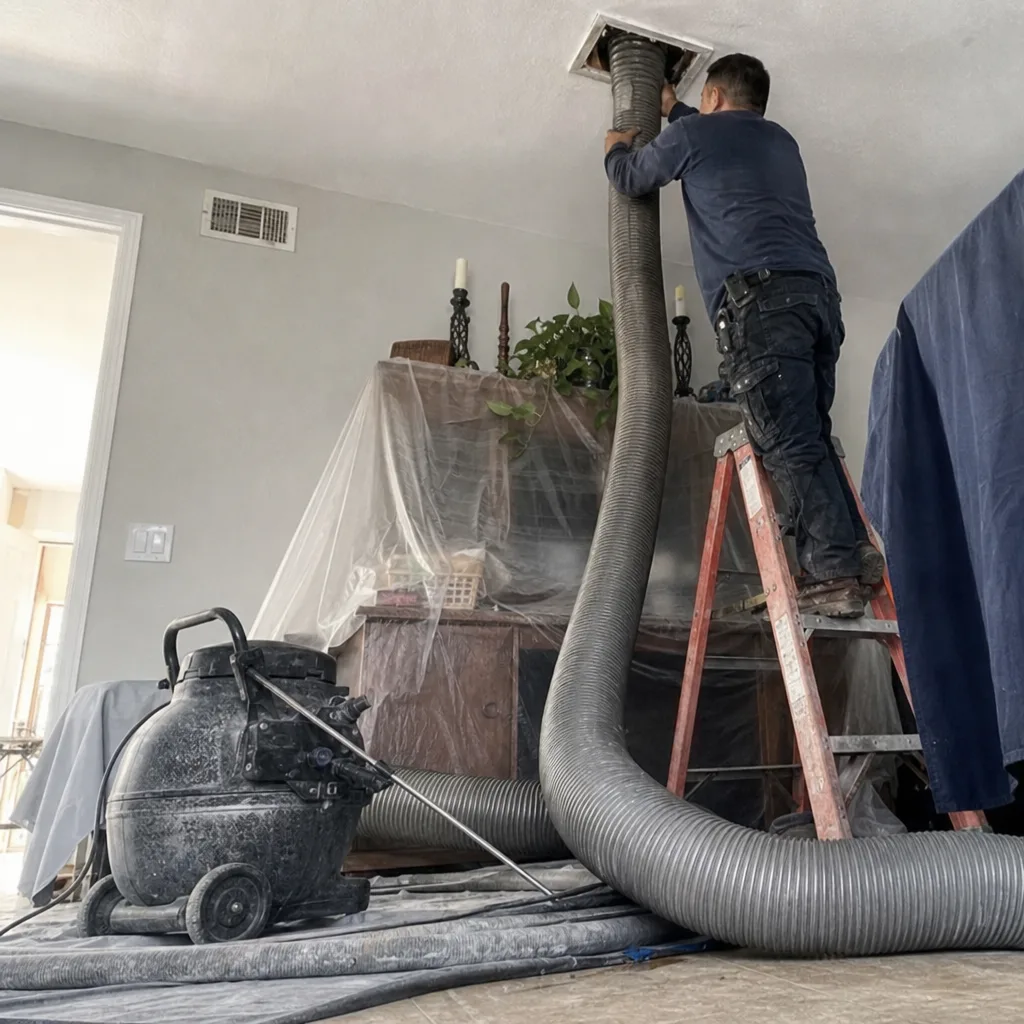 Before
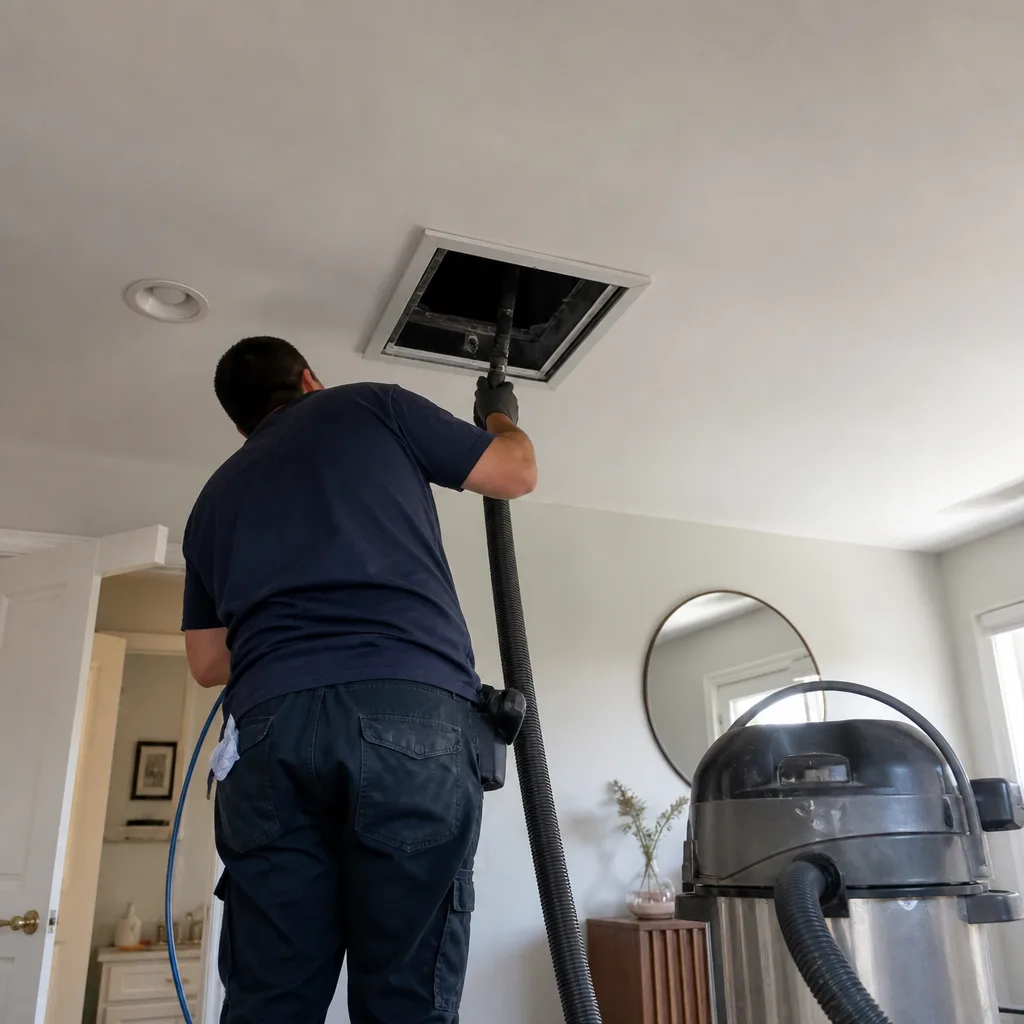 After
AfterHoneywell Register & Grille Cleaning: The Los Angeles Owner’s Guide
Register and grille cleaning for Honeywell systems in Los Angeles typically runs $180-$420 as a standalone service, and if you’re pairing it with a full duct cleaning, most homeowners pay $450-$750 for the complete job. We stock Honeywell-compatible register tools and clean most homes in a single visit, which usually takes two to three hours depending on square footage and how many registers you have. Most Los Angeles homeowners notice the problem the same way: a register that looks dull and dust-caked despite regular vacuuming, or that one grille in the hallway that’s developed a gray film no amount of wiping removes.
Before we start, let me show you exactly what we found and exactly what it will cost to fix it. That’s how every Morton’s visit begins, and it’s how this page will read too.
Key takeaways:
- Honeywell registers respond best to professional-grade extraction, not spray cleaners that push debris deeper into the duct boot.
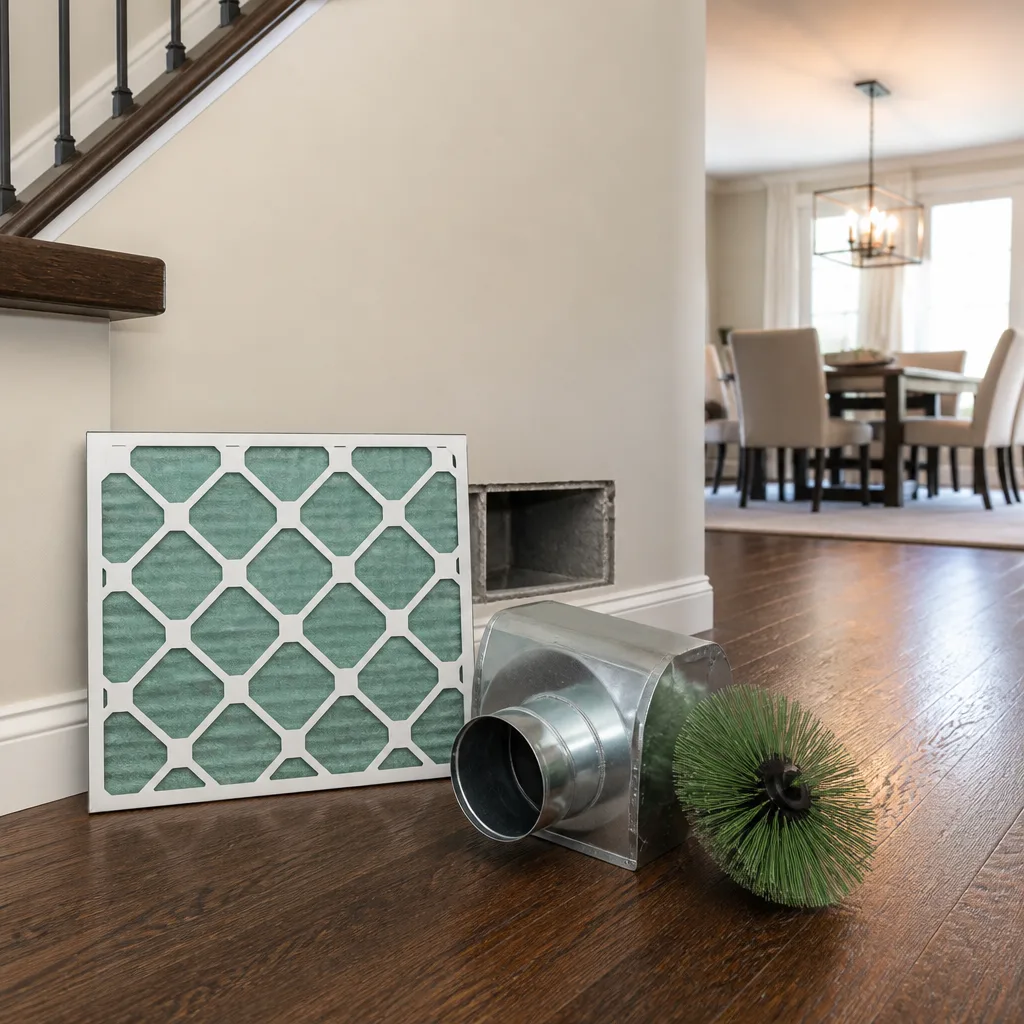
- We carry Honeywell-compatible brushes and HEPA extraction tools that fit standard 4×10, 4×12, and 6×12 register openings.
- Written price before any work starts, always. No per-vent surprises when the van pulls up.
- Paul Adeyemi and the Morton’s crew protect floors with shoe covers and drop cloths on every single visit, no exceptions.
Which Honeywell Models This Applies To
If your registers say Honeywell on the face or the damper mechanism, you’re dealing with one of a handful of series lines that have been installed across Los Angeles homes since the early 2000s. The most common we see are the Honeywell HZ series residential registers, the RC series ceiling registers, and the older CT line that shows up in a lot of mid-century homes in Mid-City and the San Fernando Valley. You’ll also find Honeywell sidewall registers in many 1990s conversions, particularly in the Fairfax district and older parts of Pasadena.
Here’s the compatibility gotcha most people miss: Honeywell registers are sized by the opening in the wall or ceiling, not by the face dimensions. A register that measures 5.75 x 11.75 inches across the face is almost always a 4×10 opening, and that mismatch causes more ordering mistakes than anything else. Pull the register off, measure the actual hole, and write those numbers down before you shop. If the damper wheel on the back is cracked or missing, that’s a separate fix from the register itself, and we can usually match it without replacing the whole unit. We keep Honeywell-compatible registers and damper wheels on the truck in the most common sizes, plus quality aftermarket options from manufacturers that meet or exceed the OEM spec. For particularly old Honeywell series that have been discontinued, we’ll match the finish and size with an aftermarket equivalent that fits the existing boot cleanly. Morton’s Air Duct Cleaning is an independent service provider and not affiliated with Honeywell, which honestly means we can be straight with you about when an aftermarket part makes more sense than paying OEM markup.
Signs Your Honeywell Register & Grille Cleaning Is Failing
- Visible dust buildup that returns within days of wiping. This isn’t a cleaning failure on your part; it’s air from the duct depositing particles on the register face every time the system cycles. The register is doing its job, but the duct behind it needs attention.
- Gray or tan film on the grille surface that feels tacky. In Los Angeles, we see this constantly because our dry air mixes with cooking oils and candle wax that settle on register faces. Dust sticks to that film and forms a coating you can’t wipe off with a rag alone.
- Black streaks or speckling around the register edges. This is often what’s called “ghosting” - fine particles that slip past the filter and get thrown against the wall by airflow. The register itself may be clean, but the pattern points to buildup in the duct.
- Stiff or rattling damper wheel. Honeywell dampers get gummed up with the same dust that coats the register face. A wheel that’s hard to turn means the mechanism needs cleaning, and sometimes a replacement damper, not just a surface wipe.
- Musty smell when the system first kicks on. Register faces don’t cause odor, but they trap whatever the ducts are carrying. If you smell it at the register, the cleaning needs to go deeper than the visible surfaces.
Replacement Cost & What’s Included
For a straightforward Honeywell register and grille cleaning across a typical Los Angeles home with 10 to 14 registers, expect to pay between $180 and $420. The range depends on how many registers you have, whether they’re ceiling-mounted (which takes longer and requires more setup), and how badly the register vanes are coated. If a register is cracked, rusted, or the damper is broken, a replacement Honeywell-compatible register adds roughly $15 to $45 per unit depending on size and finish. We give you that written price before any work starts, and it covers the full cleaning: removing each register, HEPA extraction on the register face and vanes, cleaning the boot opening, and reinstalling with the damper set correctly.
What drives the price up is neglect time. A register that’s been collecting cooking oil and dust for eight years in a Wilshire corridor condo kitchen takes longer to clean properly than a bedroom register in a home that’s had regular filter changes. The work is backed by our 365-Day Done Right Promise: if it isn’t right, we make it right, full stop. And every visit ends with a photo of the clean-up before the crew leaves, so you can see exactly what was done without crouching under a hallway vent yourself.
DIY or Call Us?
You can absolutely remove a Honeywell register face and wipe it down with a damp cloth - that’s safe, takes five minutes, and you should do it between professional cleanings. What you can’t safely do is clean the inside of the duct boot or reach the buildup that’s usually the real problem. Without a HEPA vacuum pulling airflow away from the opening, aggressive brushing just pushes debris deeper into the duct system, and that dust ends up blowing back into the room. For anyone with allergies, kids, or pets in the house, the goal is containment, not redistribution.
If you’re unsure whether your registers need a surface wipe or a full cleaning, call us at (323) 918-4345 and describe what you’re seeing. We’ll tell you honestly whether it’s worth a visit. If it is, you’ll get a written price before we touch anything, and a live person answers the phone 24/7 - not a voicemail, not a chatbot.
FAQs
In Los Angeles, a Honeywell register needs professional cleaning every three to five years depending on your filter habits, whether you cook with oil regularly, and how much dust the local environment throws at your home. Homes near freeways, in the Inland-facing valleys, or with shedding pets tend to need attention closer to the three-year mark. Call (323) 918-4345 for an honest assessment based on your specific setup.
Yes, if the damage is limited to the damper mechanism or surface discoloration, we can often clean and recondition the register in place. Cracked vanes or a broken frame usually mean replacement, and we’ll show you the damaged part before we recommend either path. Either way, you’ll know the cost before we proceed.
A standard 10-to-14-register home takes two to three hours with a two-person Morton’s crew. Ceiling registers and homes with high entryways add time, and we’ll tell you the expected window when you call so you can plan around nap schedules or work-from-home calls.
We stock Honeywell-compatible cleaning tools and replacement registers for the HZ, RC, and CT series in the most common Los Angeles sizes, along with quality aftermarket equivalents where they perform just as well. If we don’t have your exact size on the truck, we can usually have it within a day or two without changing the job price. We also stock parts for Lennox, Trane, and Carrier systems for mixed-brand homes.
For an exact quote on Honeywell register and grille cleaning in Los Angeles, call (323) 918-4345. We’ll give you a written price before any work starts, protect your floors and furniture from the moment we walk in, and show you a photo of the clean-up before we leave.
Written by Paul Adeyemi, Owner, Morton’s Air Duct Cleaning at Morton’s Air Duct Cleaning, serving Los Angeles and nearby areas.