
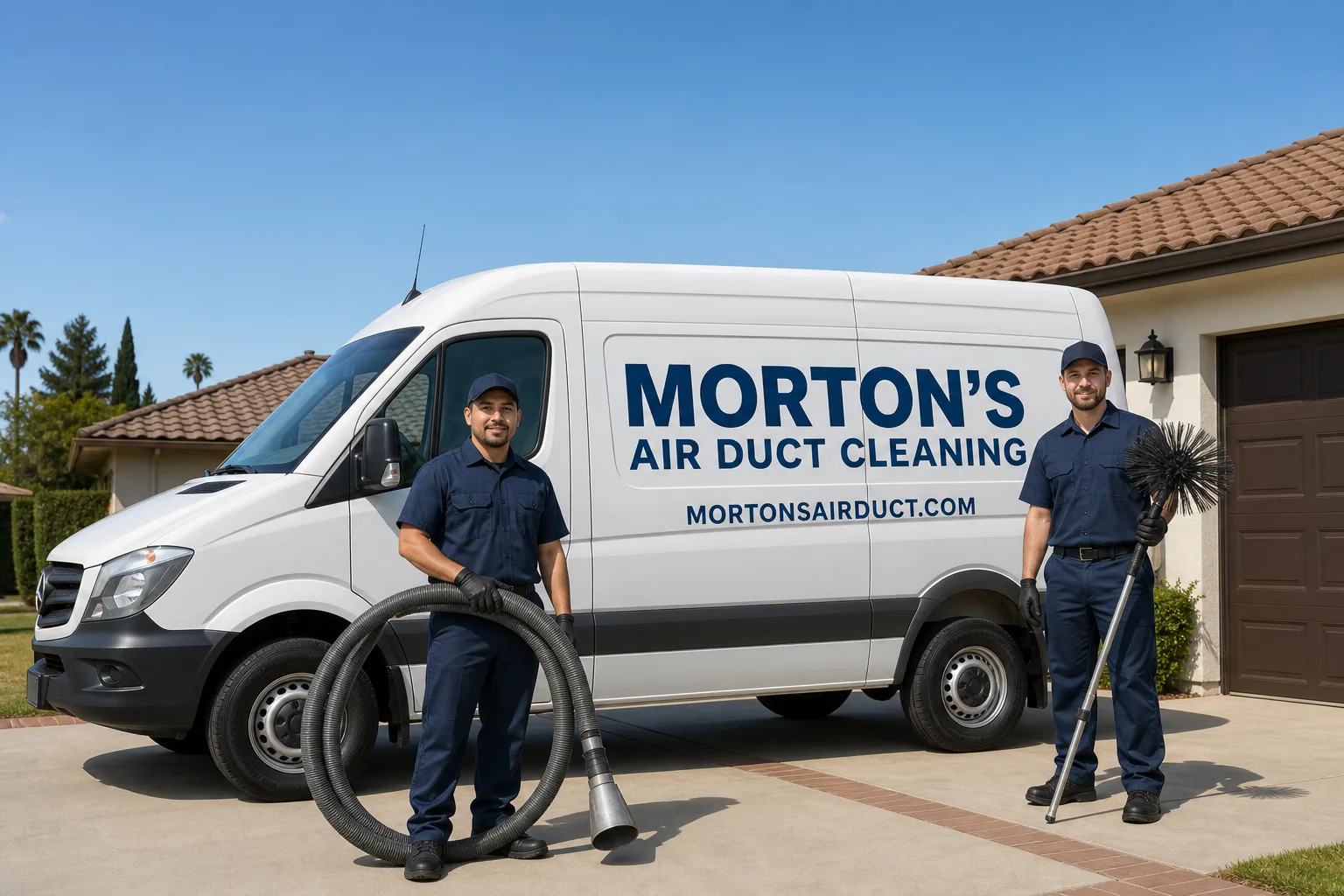
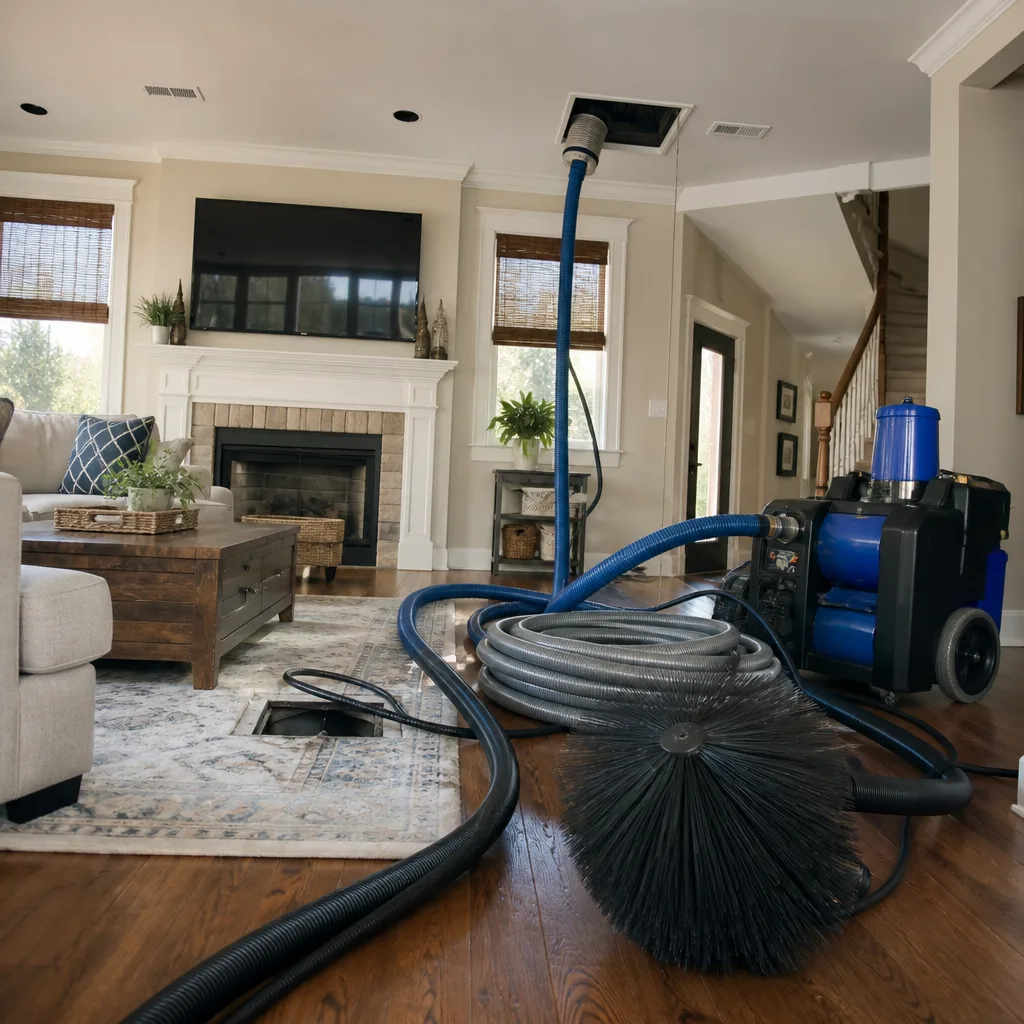
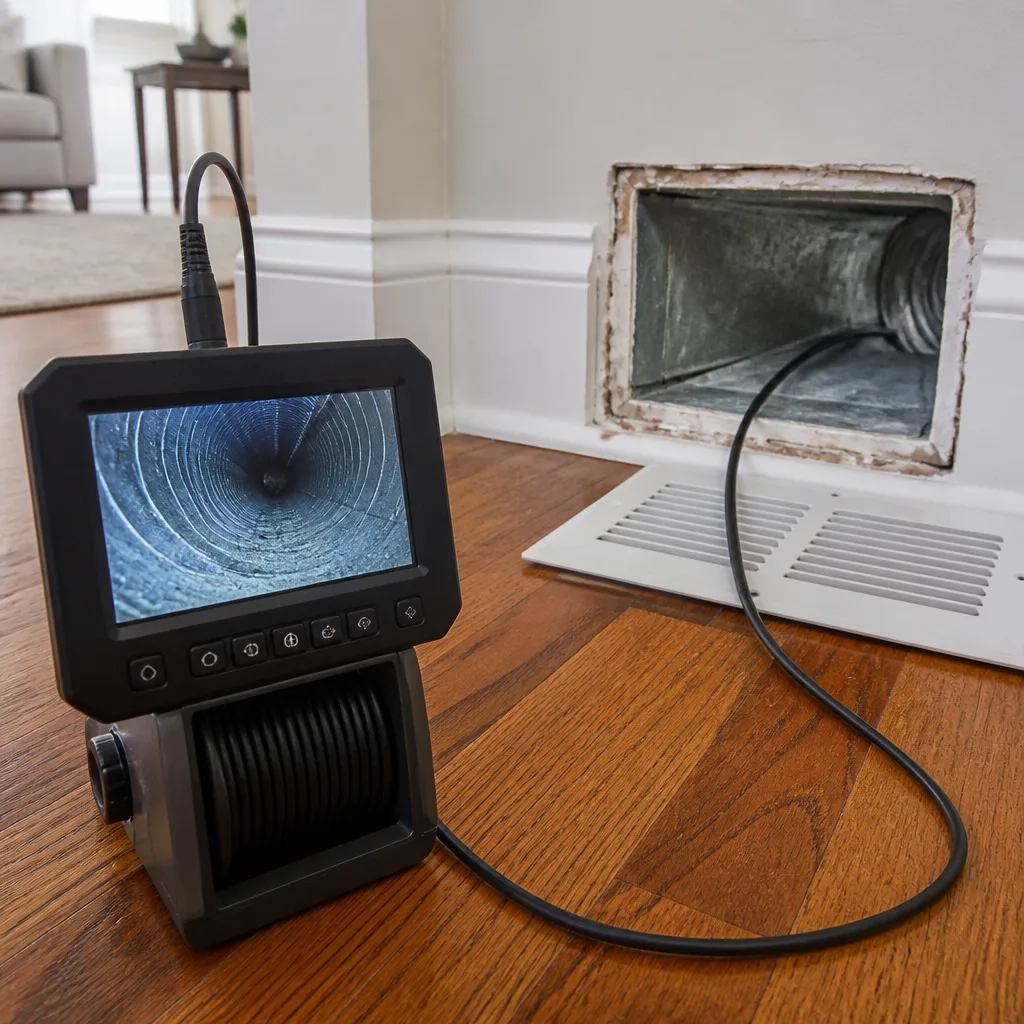
Whole-system duct and dryer vent check with before-and-after photos - you see exactly what came out of your vents
That "$99 whole-house special" is a bait ad - the real number appears once they are in your hallway, or the "clean" is a shop-vac at the register. We photograph the inside of your ducts before and after instead.
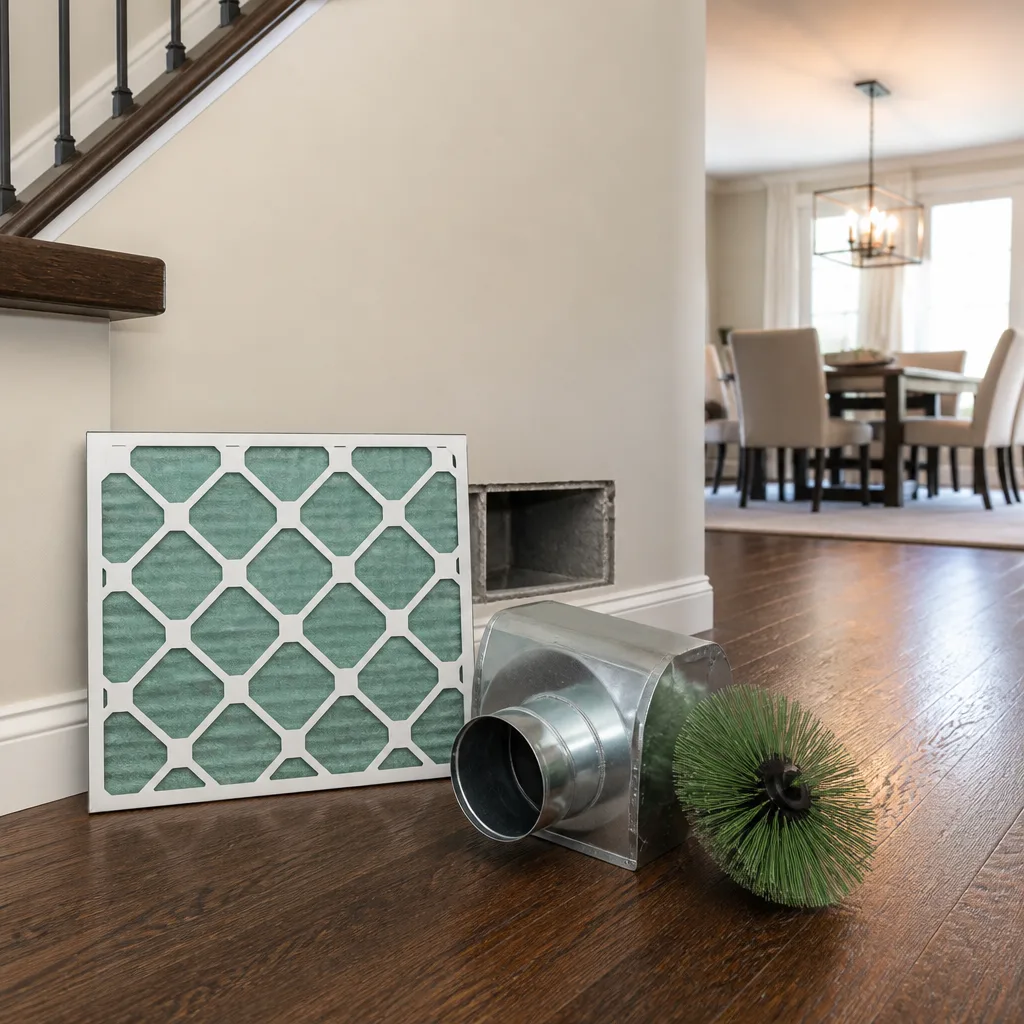
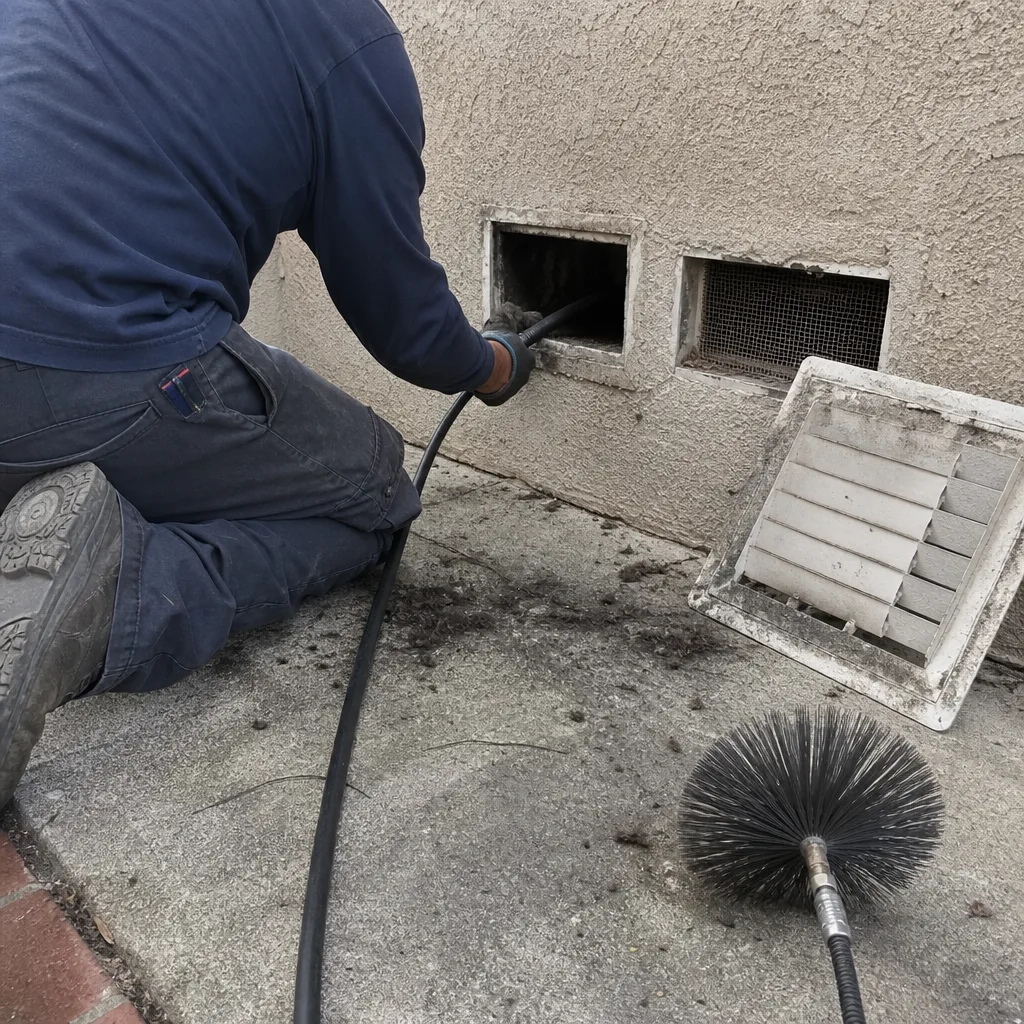 Before
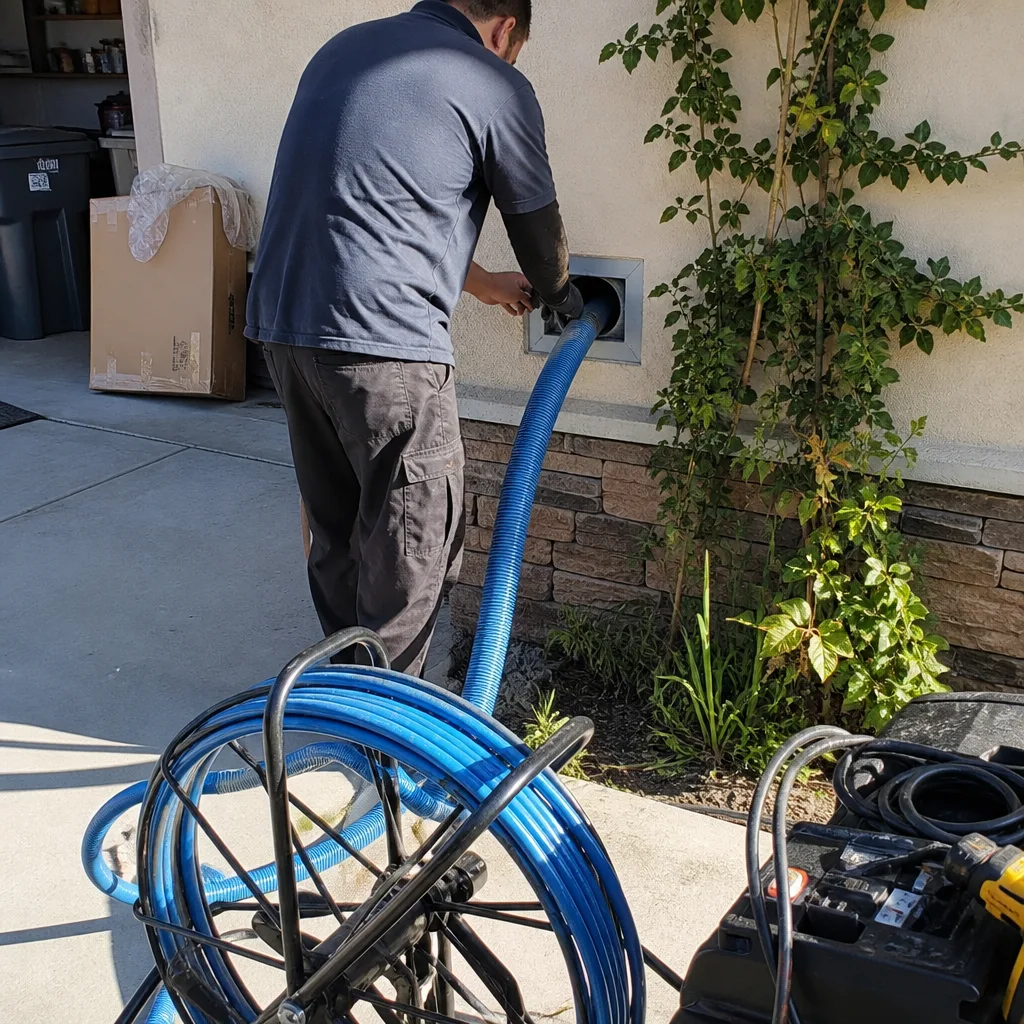 After
After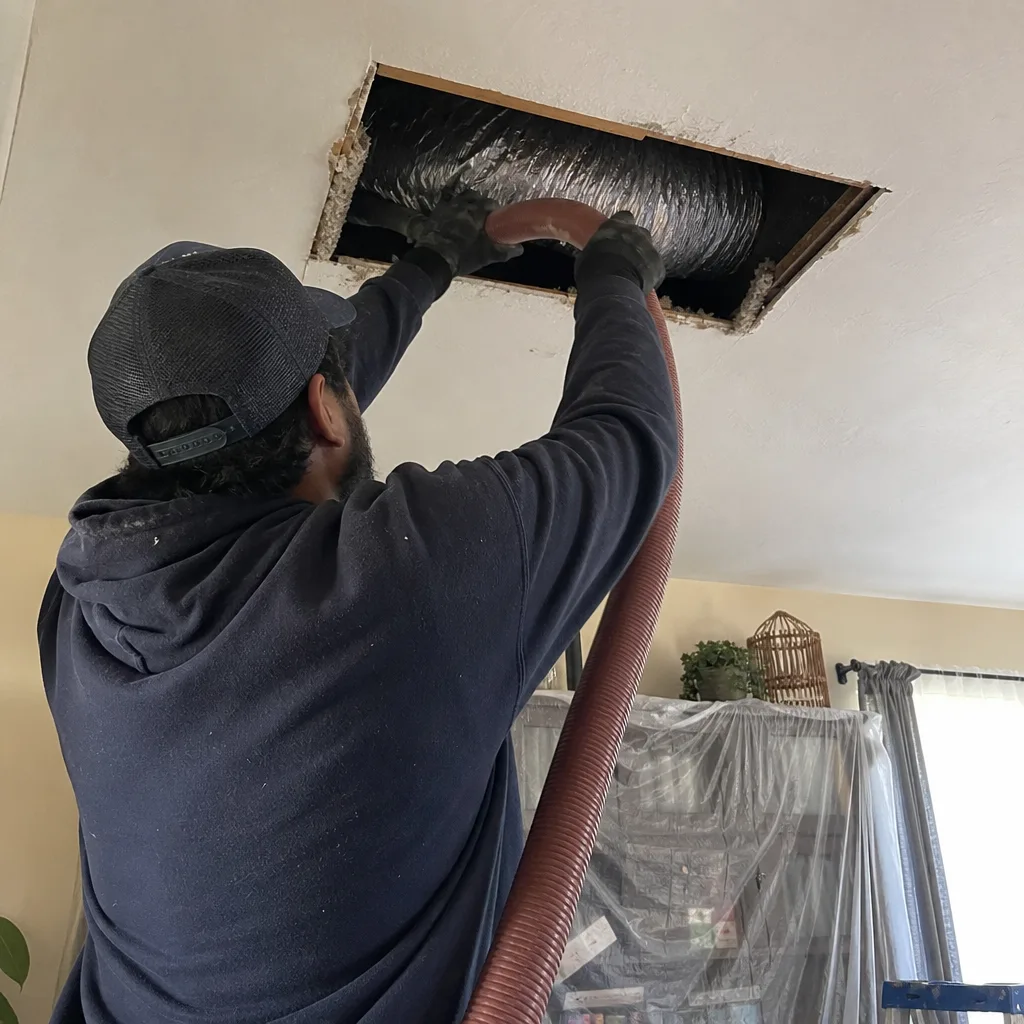 Before
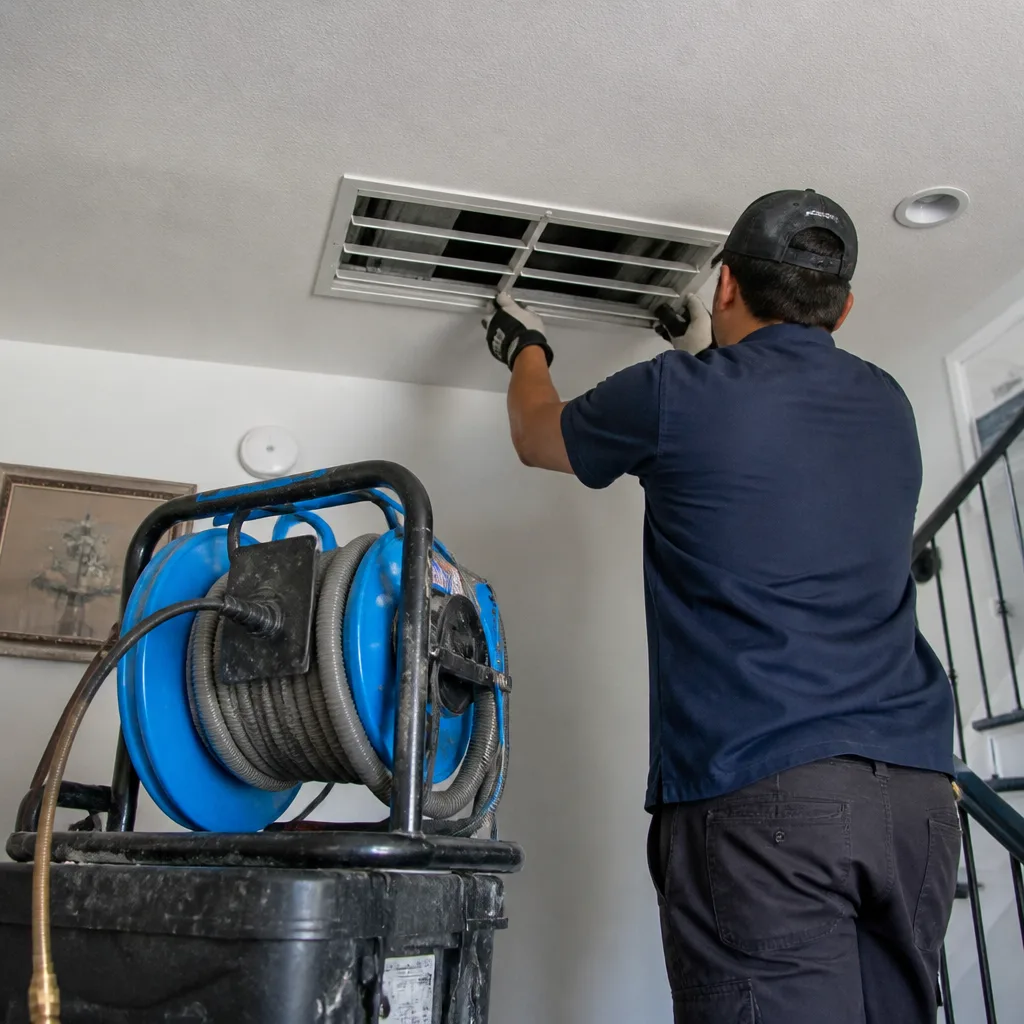 After
After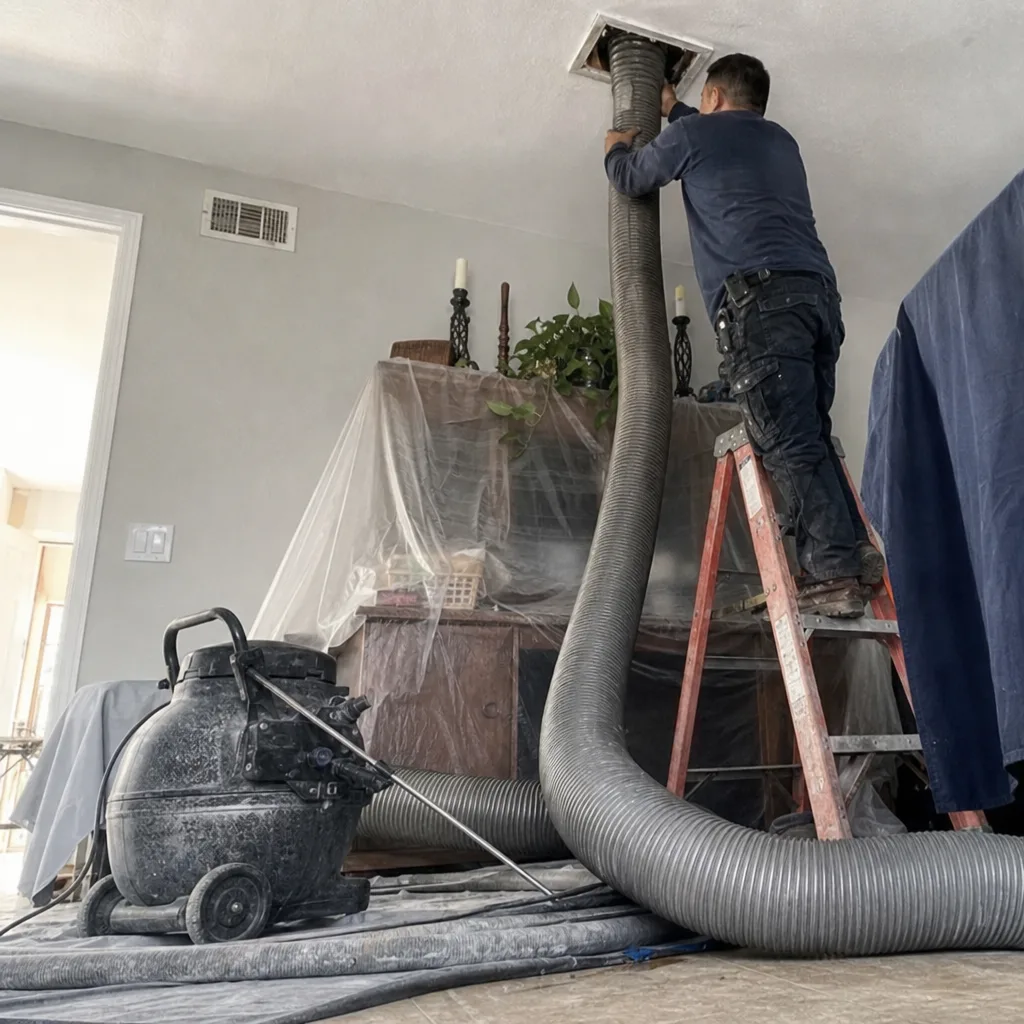 Before
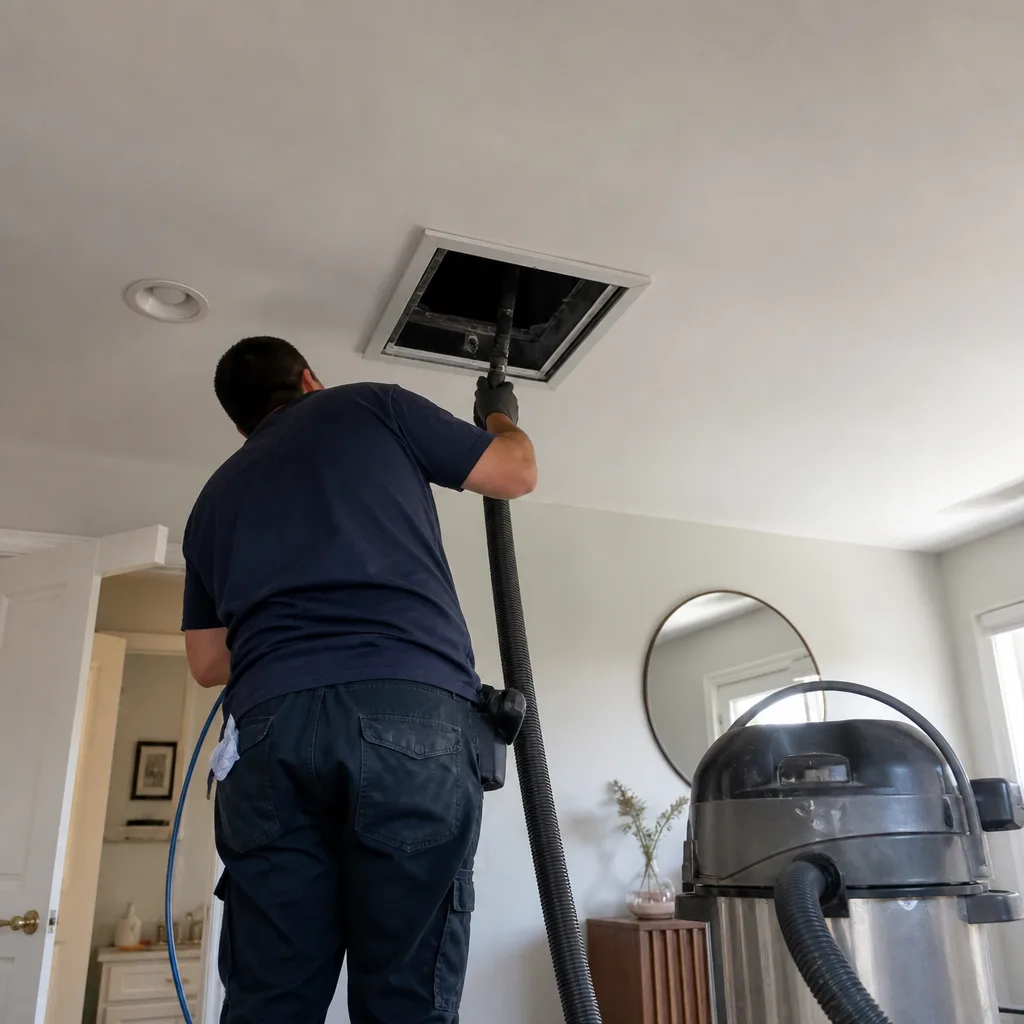 After
AfterDryer Vent Installation Done Right, Nationwide
A dryer that takes two cycles to dry one load is not a weak dryer. Nine times out of ten, it is a bad vent: a crushed foil hose behind the machine, a duct run that is too long, or an outside hood packed with lint. Dryer vent installation fixes that at the source. Morton’s Air Duct Cleaning has been working inside home ventilation systems across the country since 2005, and every install starts the same way: a written price before we touch anything, and a 365-Day Done Right Promise behind the work. Call (323) 918-4345 and a live person answers, any hour, any day.
What Dryer Vent Installation Includes
Dryer vent installation means running a proper exhaust path from the back of your dryer to the outdoors, built from the right materials, at the right length, with a working hood at the end. It covers new dryers in new laundry rooms, moves from one wall to another, and replacements for old vents that were done wrong the first time. Many homes we see have a dryer exhausting into a crawlspace, an attic, or a garage, which dumps heat, moisture, and lint inside the building. Morton’s removes the old setup, builds the new run, tests airflow at the exterior hood, and cleans up before the crew leaves. Most installs take one to three hours.
The written quote covers the duct, the hood, the connections, and the labor in one number. If the crew opens a wall and finds something that changes the job, they stop, show you, and write a new price. Nothing gets added on the invoice.
New Dryer Vent Runs
New runs are for laundry rooms that never had an exhaust, or for dryers that have been vented into the house. We plan the shortest and straightest route to an exterior wall or the roof, because every foot and every bend costs airflow.
Replacing Old or Damaged Vents
Old vinyl hoses, kinked foil, and loose taped joints all trap lint and slow the dryer down. We replace the whole run, not just the worst section, so you are not paying for a second visit in a year.
Why the Vent Matters More Than the Dryer
A dryer works by pushing hot, wet air out of the drum. If that air cannot leave, the dryer keeps running hot, clothes stay damp, and lint builds up where it should not. The U.S. Fire Administration has long listed clothes dryers among the leading appliance causes of home fires, and lint buildup is the top reason. A short, smooth, metal vent is the cheapest protection a laundry room can have. It also saves money: when air moves freely, cycles run shorter, and the machine puts out less heat over its life.
Good venting protects the house too. Warm, humid exhaust that leaks into a wall cavity or attic feeds mold and rots framing over time. A sealed, properly terminated vent sends all of that outside where it belongs. If your ducts or other vents need attention while we are there, see our air duct cleaning and duct sealing pages.
Materials We Use
Material choice is where most bad installs go wrong. Plastic and foil accordion hoses are cheap and easy to fit, but their ridges catch lint and they crush behind a dryer. Our standard install uses smooth-wall rigid metal duct for the long run, with a short length of semi-rigid metal only where the dryer sits close to the wall. Joints are fastened with foil tape or clamps, never with screws that poke into the airflow, because screw tips act like hooks for lint.
Rigid Metal Duct
Four-inch smooth metal duct is what most dryer makers and building codes call for. It holds its shape, it will not sag between supports, and lint slides through it instead of clinging.
Exterior Hoods and Louvers
The hood is the last piece and the one people forget. We fit a hood with a damper that opens when the dryer runs and closes when it stops, which keeps cold air, rain, and birds out. We do not use mesh screens on the end, because they clog with lint within weeks.
Vent Length, Bends, and Routing
Every dryer has a maximum vent length in its manual, and the number is not a suggestion. A common limit is about 35 feet of straight duct, reduced by roughly five feet for every 90-degree elbow. Our crews measure the planned route before cutting anything and keep it as short as the house allows. If your laundry room sits in the middle of the home and the run would be too long, we talk through options: a different exit point, a shorter route through the floor, or a code-approved booster fan for long runs.
Wall Exits
An exterior wall behind or beside the dryer is the best case. The run is short, the hood is easy to reach for cleaning later, and the install is fast. We seal around the hole so air and pests cannot sneak in.
Roof and Crawlspace Routes
Some floor plans leave no good wall. In those homes we route up through the attic and out a roof cap, or down and out through a crawlspace wall. These routes take longer and cost more, and we write that into the quote up front.
Gas Dryers and Electric Dryers
Gas and electric dryers vent the same way, but gas models add a combustion concern: exhaust gases leave through the same duct as the moist air. A blocked or leaking vent on a gas dryer can push carbon monoxide into the home. That is one more reason we never terminate a gas dryer vent into an attic, garage, or crawlspace, and why we check every joint for leaks before we leave. We install vents for both types and for stacked and side-by-side units, and we do not connect or move the gas line itself. If your gas fitting needs work, we will tell you and point you to a licensed gas plumber.
Signs You Need a New Dryer Vent
- Clothes are still damp after a full cycle. Wet air has nowhere to go, so it sits in the drum. A new vent often cuts drying time nearly in half.
- The top of the dryer or the laundry room feels very hot. Trapped heat builds up when exhaust is restricted. That wears out the machine and raises fire risk.
- You see a foil or vinyl hose behind the dryer. Those hoses crush, sag, and collect lint. Replacing them with rigid metal is one of the simplest upgrades in a home.
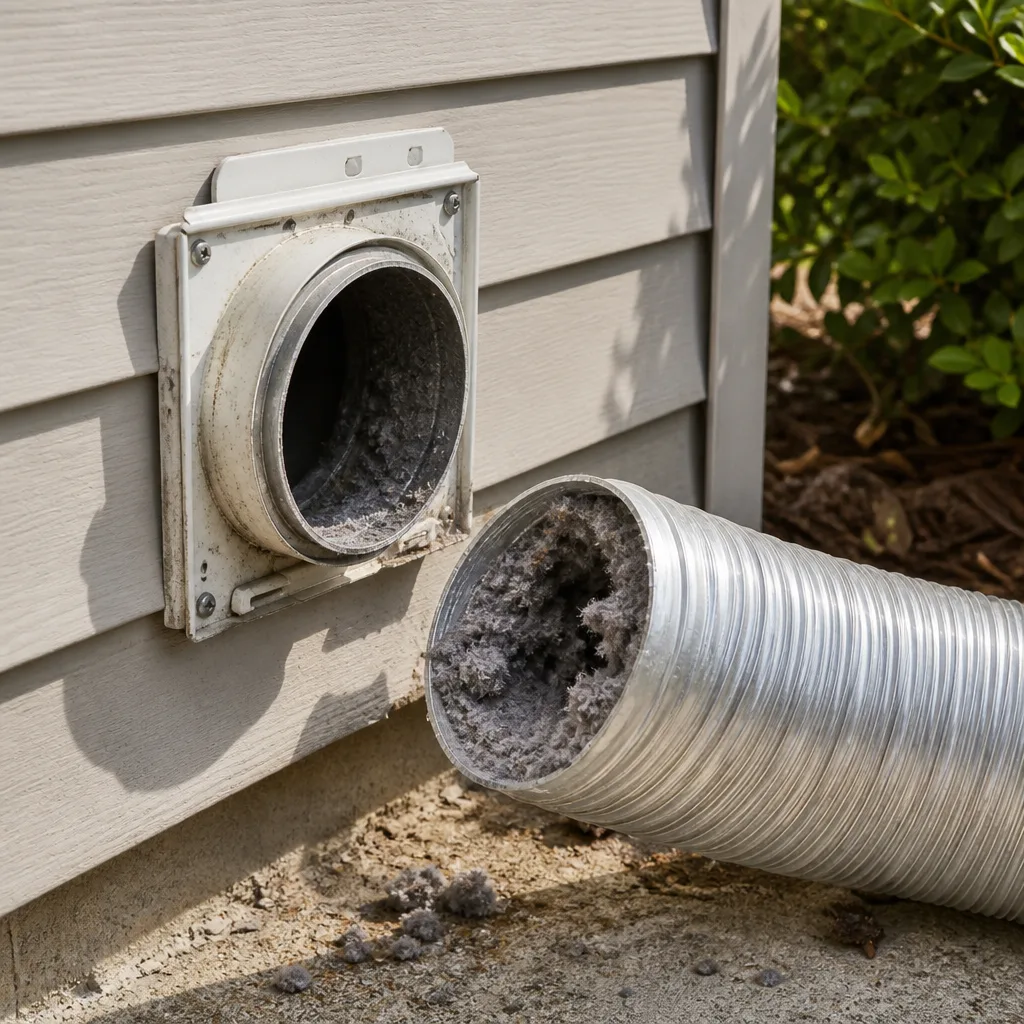
- Lint is collecting around the outside hood or blowing back into the room. Either the hood is clogged, missing its damper, or the run has a gap somewhere inside the wall.
- The dryer exhausts into the garage, attic, or crawlspace. That is unsafe and often against code. It needs a proper path outdoors as soon as you can schedule it.
Our Process, Step by Step
- 1
Walk-through and written quote. We look at the dryer, the laundry room, and the wall or roof where the vent will exit, then hand you a written price before anything gets touched. That number does not change on the invoice.
- 2
Protect the room. Shoe covers go on at the door, drop cloths go down around the dryer, and the machine gets pulled out carefully so floors and cords are safe.
- 3
Remove the old vent. Old hose, tape, and lint come out and go in a bag. If the old run goes through a wall, we patch the opening we no longer use.
- 4
Build and seal the new run. Rigid metal duct goes in on the shortest route, supported so it does not sag, with taped joints and a damper hood sealed to the outside wall or roof.
- 5
Test and walk through. We run the dryer, check airflow at the hood with you watching, and leave you with a photo of the finished vent. If anything is off, the 365-Day Done Right Promise means we come back and fix it.
How Much Does Dryer Vent Installation Cost?
A straightforward install with a short run to an exterior wall typically runs $150 to $400. Longer runs, second-floor laundry rooms, and installs that need a roof cap or a crawlspace route usually run $400 to $900. A booster fan, where one is needed, adds to the total. Replacing a vent that already exists costs less than building a new one, since the wall opening is already there.
Three things move the price: how far the dryer is from an exit point, what the wall or roof is made of, and how hard the space is to reach. You avoid overpaying by getting a written quote before work starts and asking what is included. Morton’s free estimate covers the duct, hood, connections, and cleanup in one honest number.
Dryer Vent Installation With Other Duct Work
Many customers book a dryer vent along with other ventilation work while a crew is already on site. If your home has leaking or damaged ducts, our air duct repair service handles the fix. If whole sections are beyond saving, air duct replacement covers that. And when the vent run is clean but the rest of the system is dusty, our HVAC cleaning brings the whole home back to a clean baseline. You can start from our home page to see everything we do.
Where We Work
Morton’s Air Duct Cleaning serves homeowners and businesses across the United States through local crews who work to the same Cedarwell Care Promise on every single job. Each location is independently owned and chooses to work to that standard: written pricing, shoe covers, drop cloths, photo proof, and a year-long promise behind the work. Wherever you are, the process is the same.
Frequently Asked Questions About Dryer Vent Installation
Dryer vent installation is the work of building a sealed exhaust path from your dryer to the outdoors. It includes the duct, the connections, and the exterior hood. At Morton’s we use smooth rigid metal duct and a damper hood, and you get a written price before we start.
A simple wall exit takes one to two hours. Roof exits, second-floor runs, and crawlspace routes can take three hours or more. We give you a time estimate with your written quote.
Most short, simple installs run $150 to $400. Longer or harder runs, like roof caps or crawlspace routes, usually run $400 to $900. Call (323) 918-4345 for a free estimate and an exact written price before any work begins.
Yes. Each dryer has a maximum length in its manual, often around 35 feet of straight duct, minus about five feet for each 90-degree bend. We measure first and keep the route as short as possible. For long runs, a booster fan may be an option.
Every job carries the 365-Day Done Right Promise. If the vent is not done right within a year of the install, we come back and make it right at no charge. It is stamped on every job, not offered only when someone asks.
No. Dryer exhaust carries heat, moisture, and lint, and a gas dryer also exhausts combustion gases. Venting into a garage, attic, or crawlspace is unsafe and usually against code. Call (323) 918-4345 and we will route it outdoors.
Schedule Your Dryer Vent Installation Today
Ready for shorter drying times and a laundry room you can trust? Call (323) 918-4345 and talk to a live person, any hour of any day. You get a free, no-obligation estimate with a written price before any work begins. Every job is backed by the 365-Day Done Right Promise and the Cedarwell Care Promise, because the way a crew treats your home matters just as much as how well the vent works when they leave.
Written by Paul Adeyemi, owner at Morton’s Air Duct Cleaning, serving homes and businesses nationwide since 2005.