
Last updated October 8, 2026
Whole-system duct and dryer vent check with before-and-after photos - you see exactly what came out of your vents
That "$99 whole-house special" is a bait ad - the real number appears once they are in your hallway, or the "clean" is a shop-vac at the register. We photograph the inside of your ducts before and after instead.
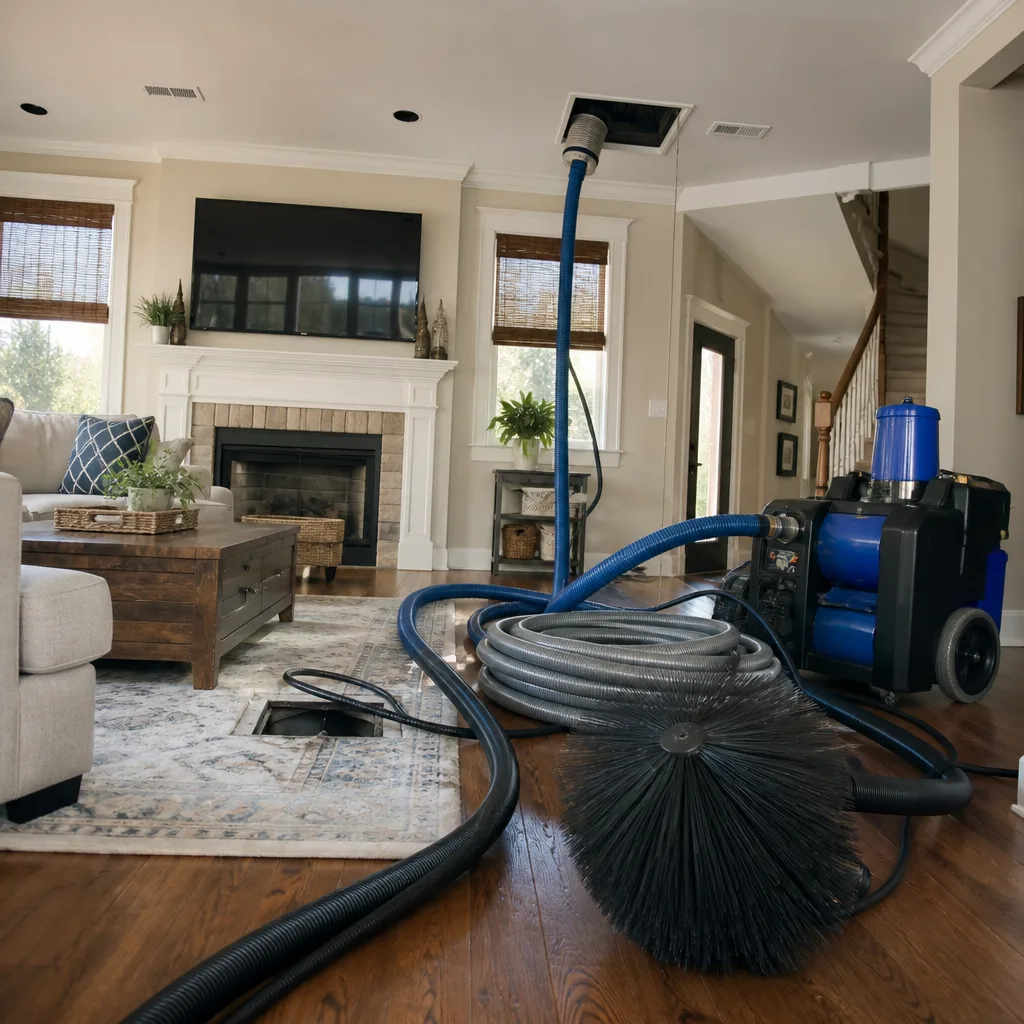
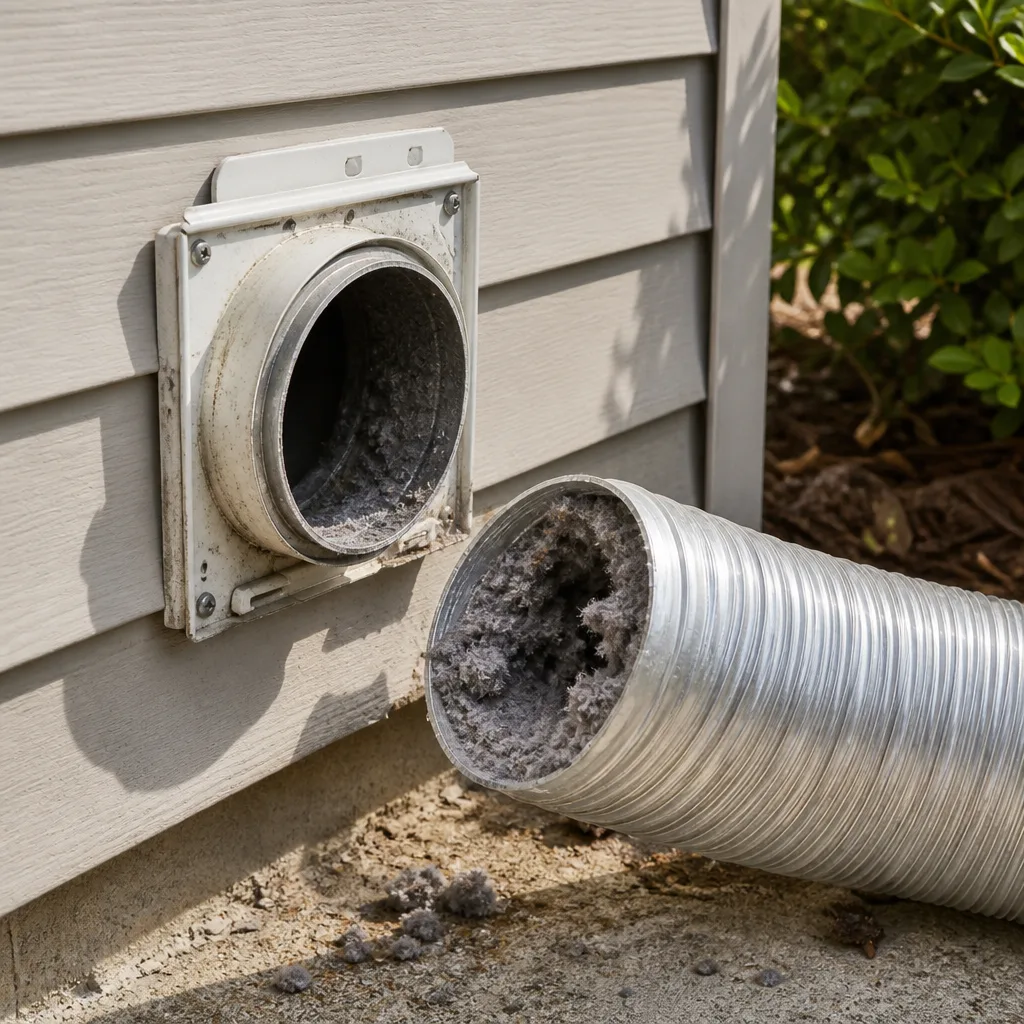
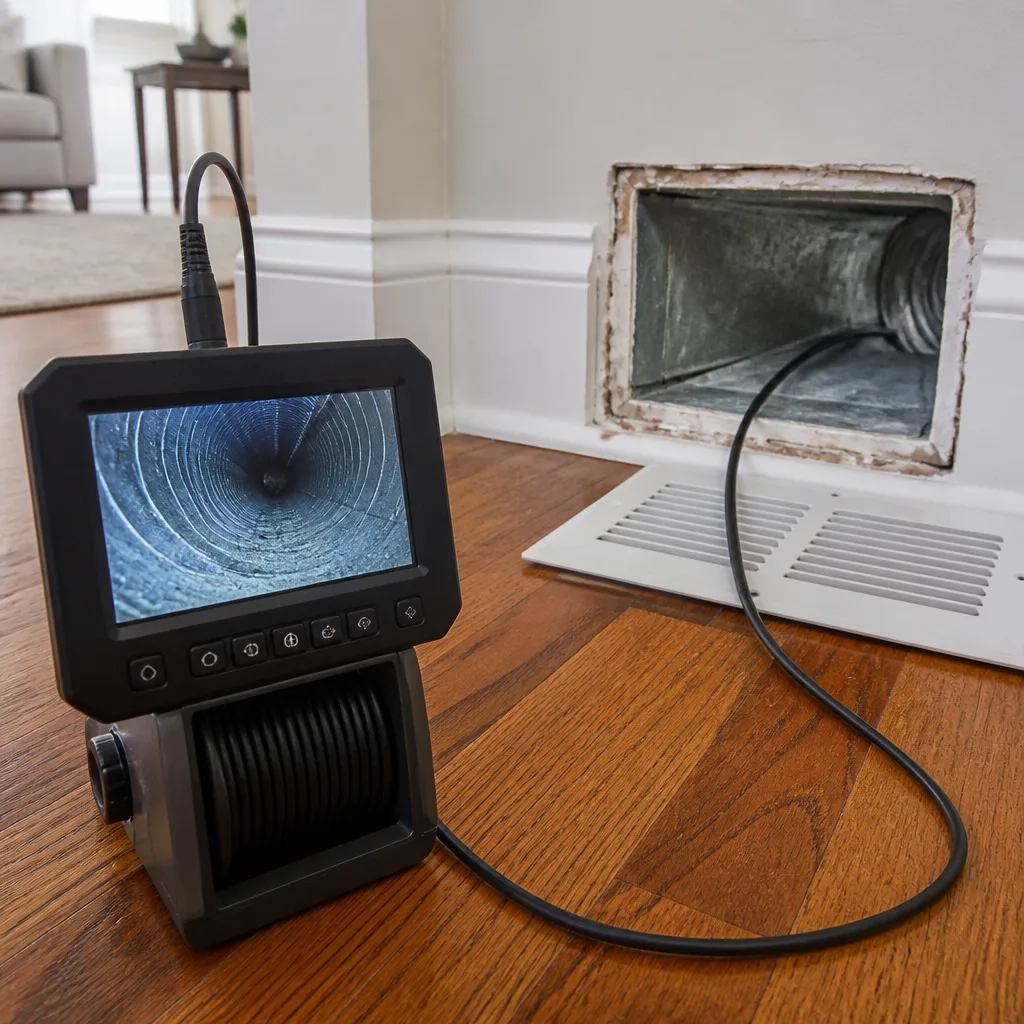
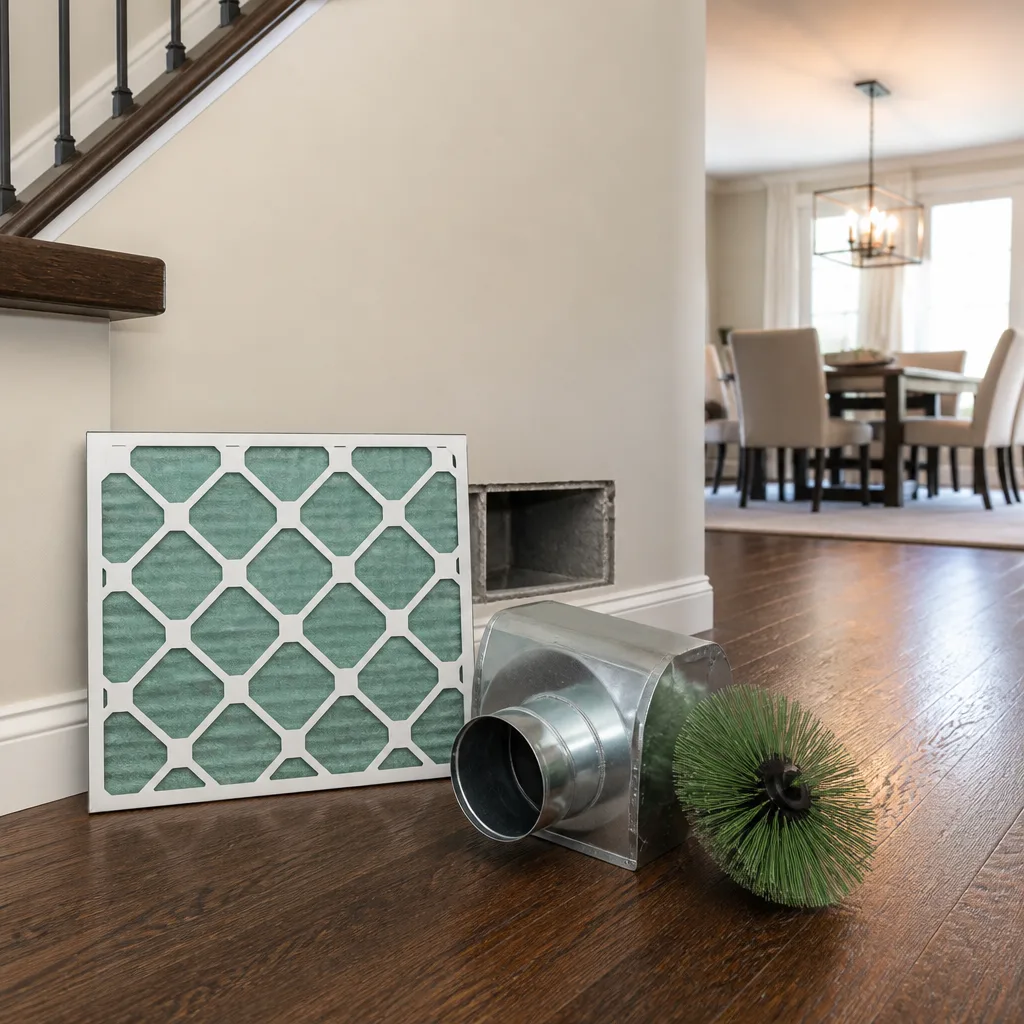
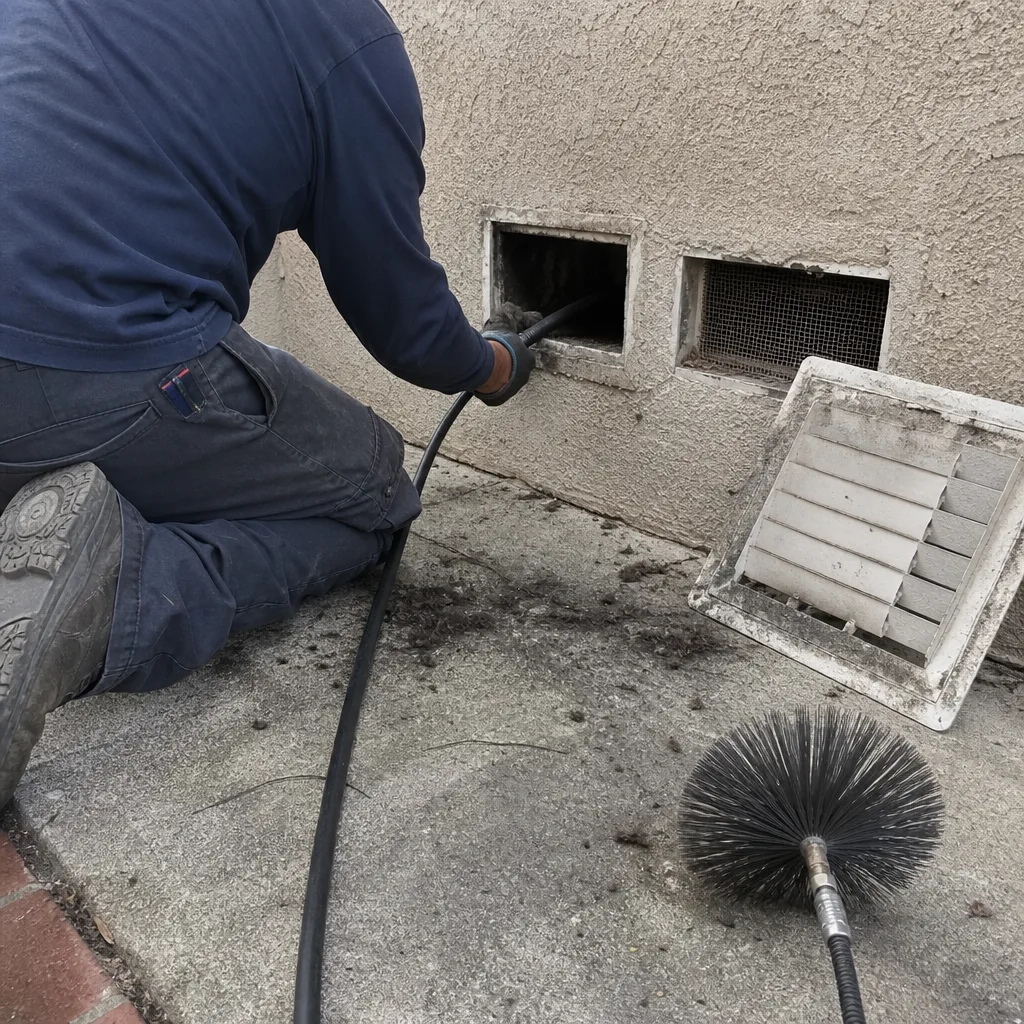 Before
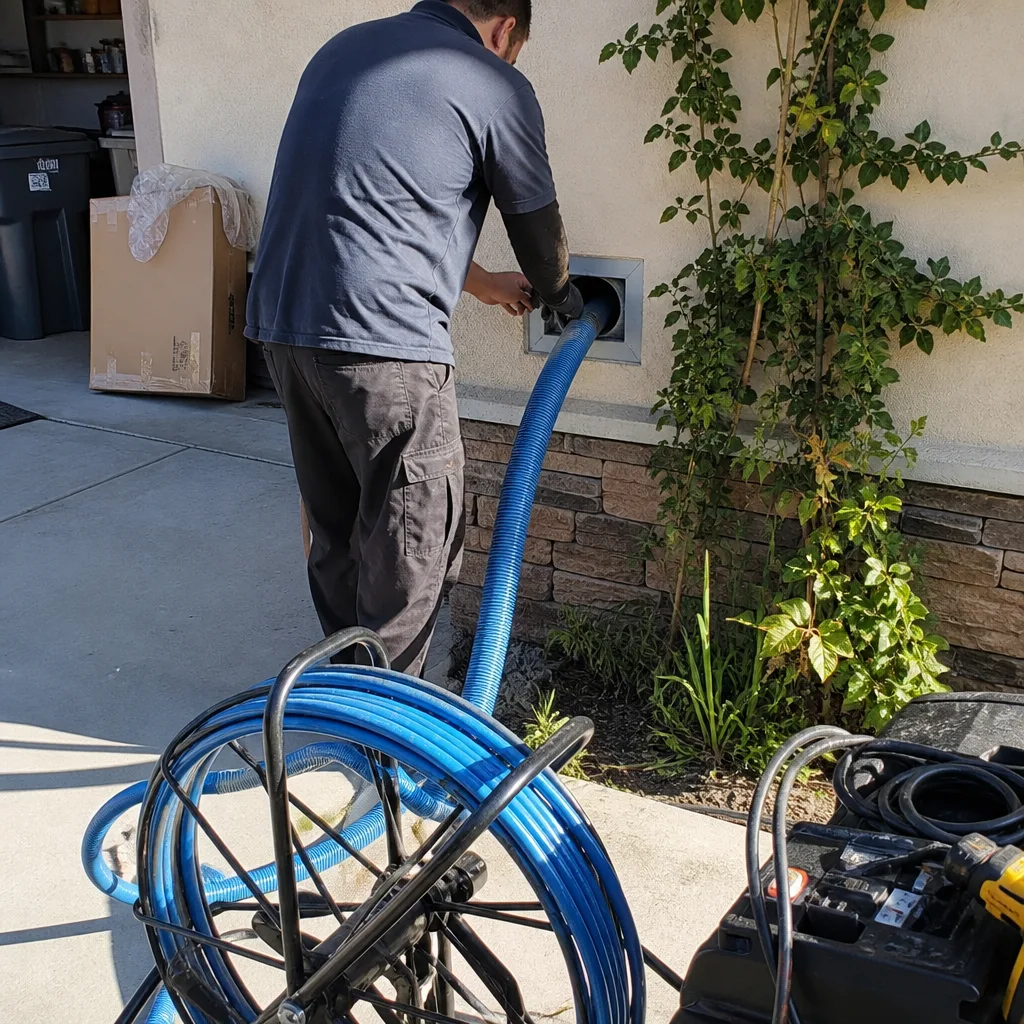 After
After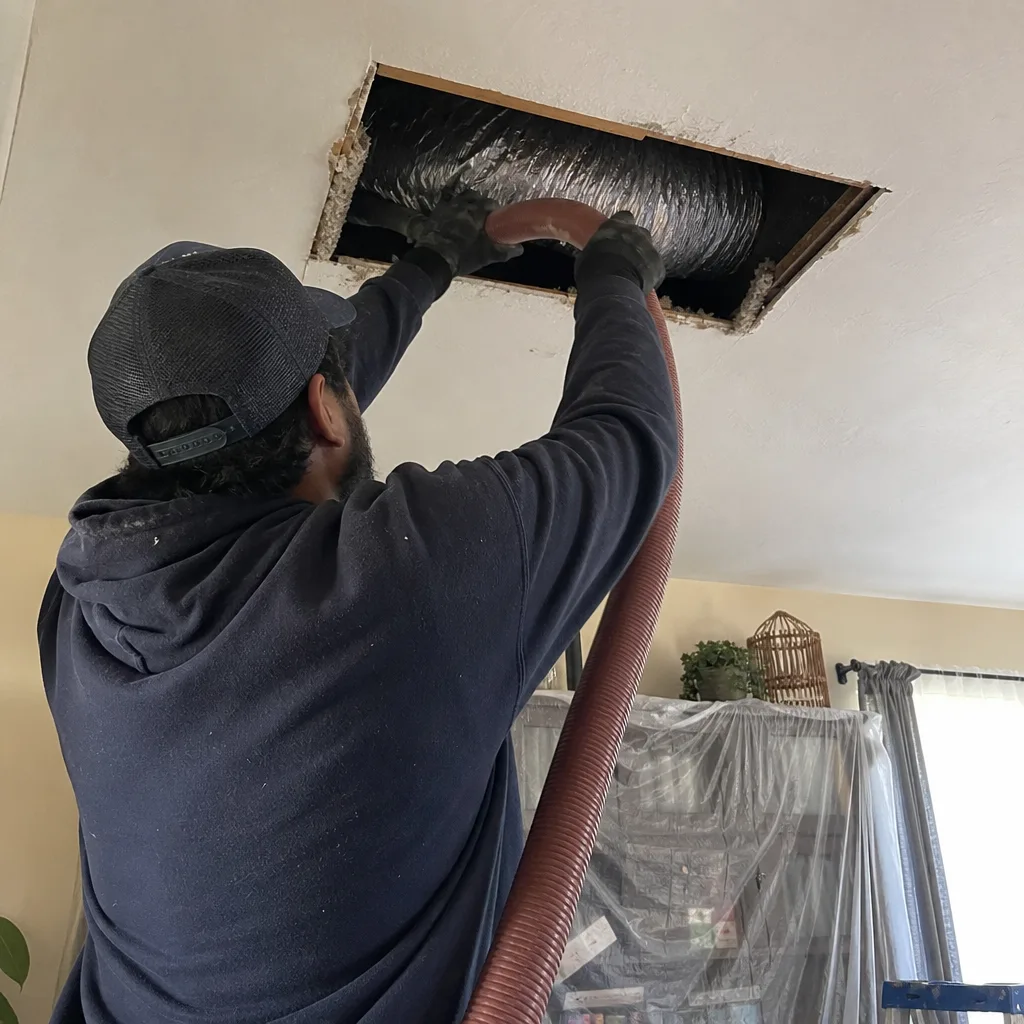 Before
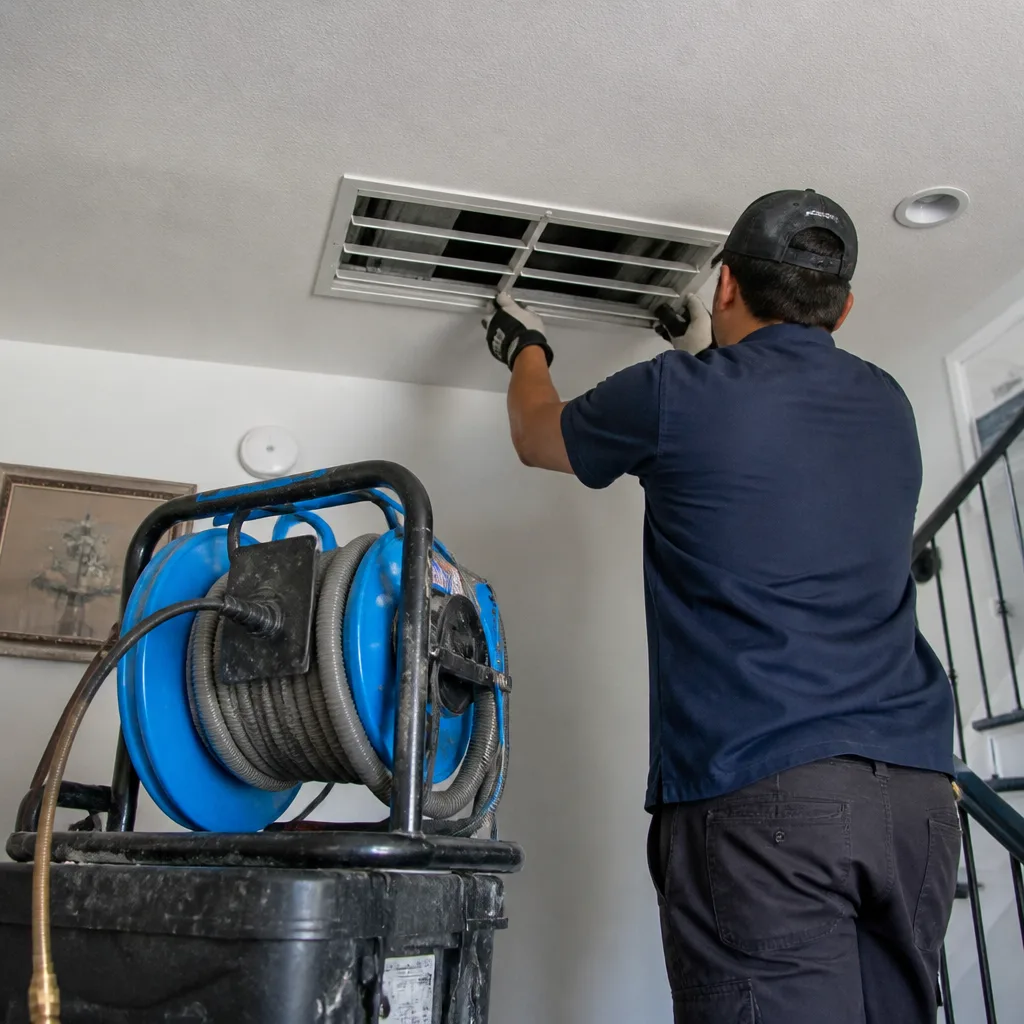 After
After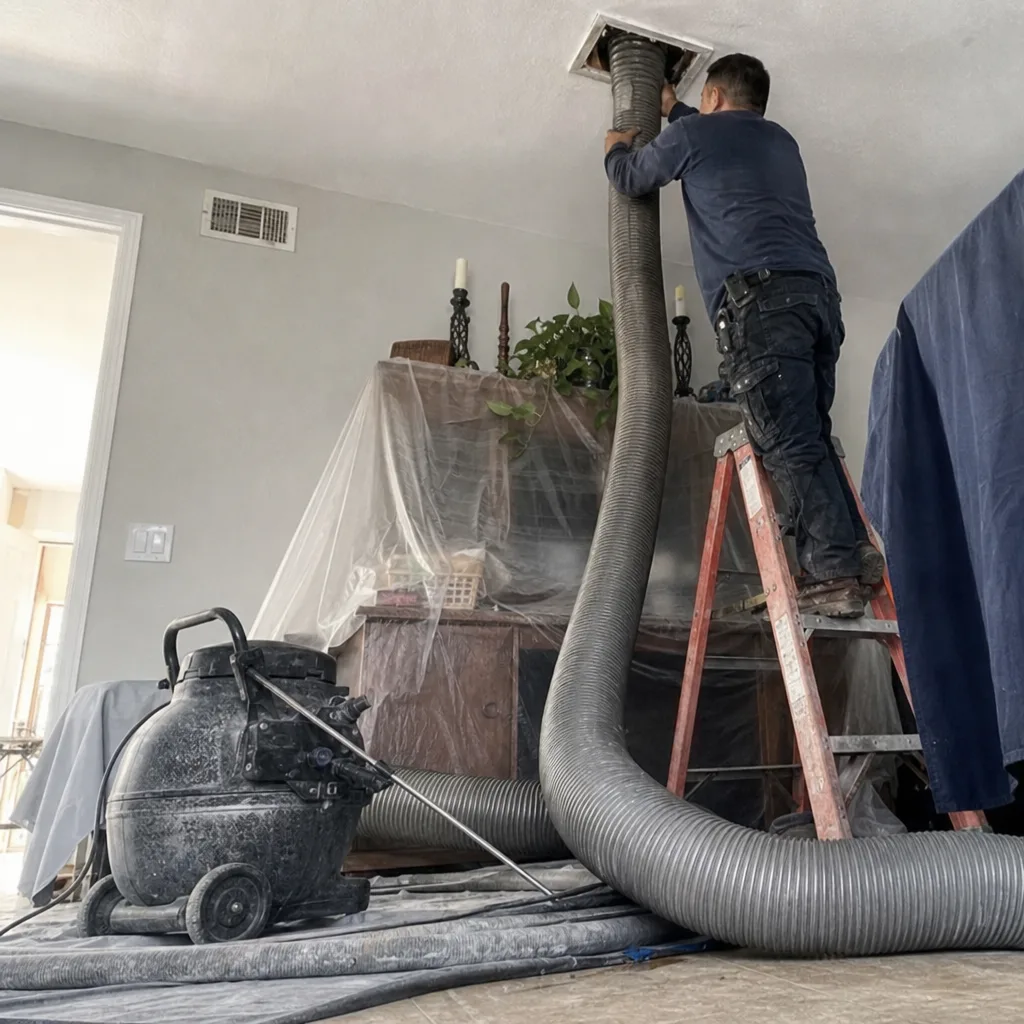 Before
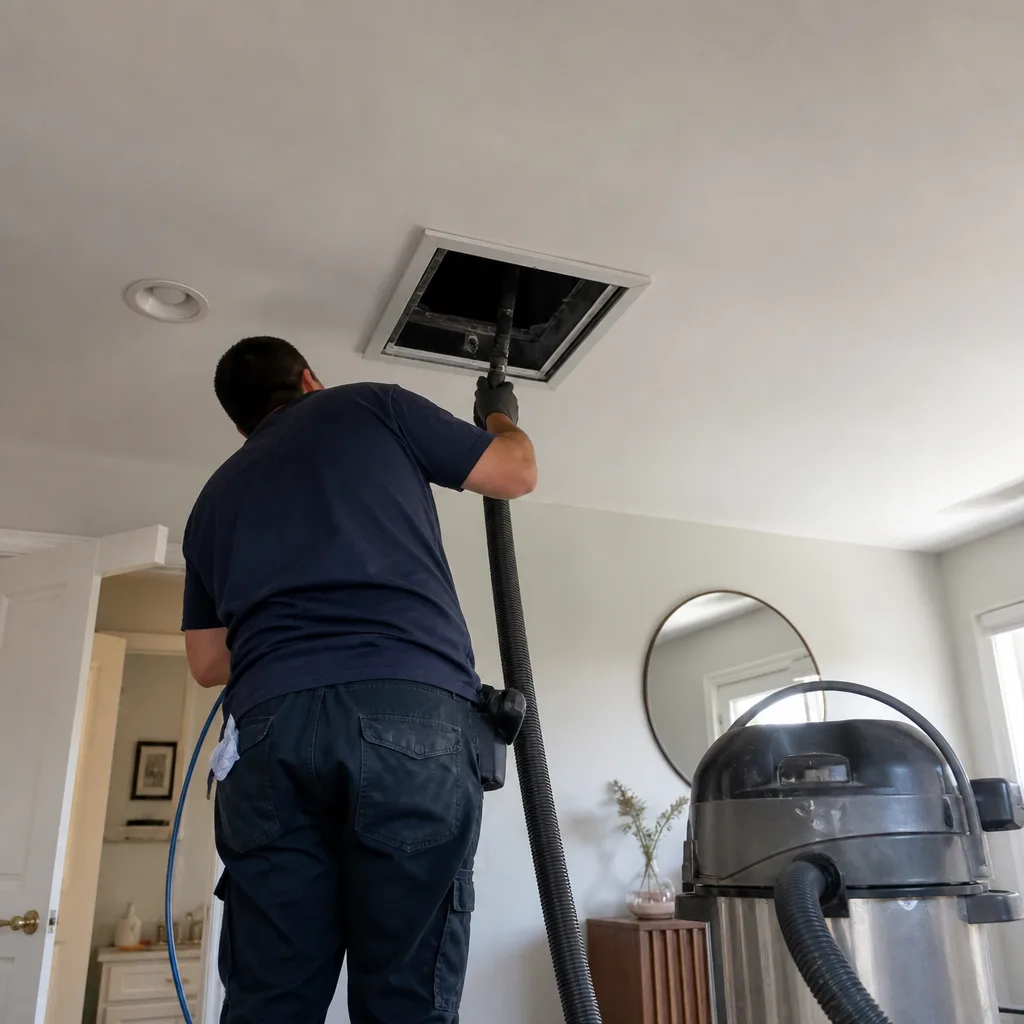 After
AfterAir Duct Cleaning Warning Signs: A Los Angeles Homeowner’s Reference Guide
Here’s a truth most air duct cleaning articles won’t tell you: the two warning signs you hear about most often, dusty vents and musty smells, are nearly useless on their own. A musty smell from your vents in Los Angeles is almost never a dirty duct problem. It’s usually a wet evaporator coil or a clogged condensate drain, and cleaning the ducts without fixing that first is like mopping the floor while the sink still overflows. This guide gives you specific, observable signals tied to specific causes, so when you call for our Air Duct Cleaning services, you can describe the problem accurately and get the right fix the first time.
Quick Answer
The most reliable air duct cleaning warning signs in Los Angeles are black or gray dust accumulation around supply registers, visible debris blowing out when the system kicks on, a burning dust smell during the first heating cycle of fall, and white or gray powder on vents in coastal homes indicating fiberglass duct liner degradation. Musty smells alone rarely mean dirty ducts, they usually point to moisture in the HVAC system. For The Complete Air Duct Cleaning Guide for Los Angeles Homeowners, air duct cleaning in Los Angeles typically costs $350 to $850 for a whole system, and a written estimate should always come before any work begins.
Table of Contents
- What Different Smells From Your Vents Actually Mean
- Visual Warning Signs Specific to Los Angeles Homes
- Pet Odor and Allergy Signals: When Dander Is the Problem
- Warning Sign, Cleaning Job, or Repair Job: Knowing the Difference
- How to Photograph and Document Warning Signs Before Calling
- Seasonal Warning Signs in the Los Angeles Climate
- Common Mistakes to Avoid
- When to Call a Professional
What Different Smells From Your Vents Actually Mean
A smell is information. The problem is that most homeowners lump every odd scent into one category and then call for the wrong service. In our experience cleaning ducts across Los Angeles, from Sherman Oaks to Long Beach, four distinct smells account for the vast majority of vent odor complaints. Each one points to a different source, and only two of them have anything to do with duct cleaning at all.
The Symptom-to-Cause Smell Table
| Smell Type | What It Most Likely Is | Who Should Handle It |
|---|---|---|
| Musty or damp | Wet evaporator coil, clogged condensate drain, or moisture in the ductwork from a leak | HVAC technician first, duct cleaning after the moisture source is fixed |
| Dusty or stale | Accumulated dust, dander, and debris in return ducts and on the blower | Air duct cleaning specialist |
| Burning or hot dust | Dust baking off heat strips or heat exchanger during the first heating cycle of fall | Duct cleaning if the smell persists beyond 30 minutes; HVAC check if it does not clear |
| Chemical or acrid | Refrigerant leak, overheated blower motor, or off-gassing from recent remodeling materials pulled into the return air | HVAC technician immediately |
A musty smell in a Los Angeles home is the one we hear about most. When the air conditioner runs for months during the long warm season, the evaporator coil sits damp almost constantly. Combine that with dust that settles on the coil and you get a biological film that produces exactly the musty, locker-room scent homeowners describe. Cleaning the ducts in that scenario does nothing because the smell is being generated at the coil, not inside the duct walls. The right order is: clear the condensate drain, treat the coil, then assess whether the ducts themselves need cleaning.
A burning dust smell is actually a seasonal signal. The first time you switch the thermostat to heat, usually in November or December in Los Angeles, dust that settled on the heating elements during months of cooling-only operation burns off. One brief episode that fades within thirty minutes is normal. A burning smell that persists, smells like plastic, or returns on subsequent heating cycles is not, and it warrants a call to an HVAC professional before any duct cleaning happens.
Visual Warning Signs Specific to Los Angeles Homes
Some of the most useful warning signs are the ones you can see. Los Angeles architecture creates a few conditions that homeowners in other climates rarely encounter, and knowing what to look for can save you from paying for the wrong service.
White or Gray Powder on Supply Vents
If you live near the coast, in neighborhoods like Santa Monica, Venice, Playa del Rey, or San Pedro, and you notice a fine white or gray powder accumulating on the supply registers, you may be seeing fiberglass duct liner degradation. Many Los Angeles homes built between the 1960s and 1990s used internally insulated ductwork. The liner breaks down over decades, especially in the marine layer’s persistent humidity, and releases particles into the air stream. This is not a cleaning problem. It’s a duct repair or replacement situation, because no amount of vacuuming restores disintegrating liner material.
Dark Rings Around Registers
In newer Los Angeles construction, especially in the San Fernando Valley’s newer developments and the condo conversions in Koreatown and Downtown, dark rings around the registers often indicate something else entirely. When a home is built or renovated with high-efficiency windows and tight envelope sealing, the HVAC system may create negative pressure zones. That pulls air from wall cavities or attic spaces through small gaps around the register boots, and the air carries dust particles that deposit in a visible ring. This suggests a sealing issue at the boot connection, not necessarily dirty ducts, and the fix involves both sealing the boot and cleaning whatever debris was pulled into the system.
Debris Blowing Out of Vents
This one is straightforward. Turn the system on, hold a sheet of white paper near a supply vent for sixty seconds, and look at what lands on it. If you see visible flecks of dark material, insulation bits, or what looks like pepper flakes, the ducts are actively shedding debris into your living space. That’s a direct signal that cleaning is warranted, and in our experience across Los Angeles it’s most common in homes that have undergone remodeling where drywall dust and construction debris entered an unprotected duct system.
Pet Odor and Allergy Signals: When Dander Is the Problem
Los Angeles households love their pets. The city has more dogs per capita than any major metro in the country, and many of those dogs are indoor dogs that shed year-round, not just seasonally like they would in a colder climate. That means the HVAC system in a Los Angeles home with pets is working harder than a comparable system in Minneapolis or Chicago.
What Pet Odor From Vents Actually Tells You
Pet odor coming through the vents is not a single symptom. It’s a spectrum, and where the odor sits on that spectrum tells you what you’re dealing with.
Dander accumulation: If the odor is strongest immediately at the vent when the system is running, and fades when it’s off, you’re likely dealing with dander and hair accumulated inside the return ducts and on the blower wheel. Pet dander is sticky. It doesn’t just blow through; it adheres to duct walls, especially in the return side where the airflow is pulling air from your living spaces. This is a legitimate duct cleaning scenario.
Air handler problem: If the pet odor is strongest inside the house when the system has been off for several hours, the source may be the air handler itself. The blower, the coil, and the condensate pan all trap pet hair. Hair on the coil reduces its ability to remove humidity, which creates exactly the damp conditions that make odors worse. You may need an HVAC service call and a cleaning of the air handler, not just the ducts.
Allergy signals: For families with allergy sufferers, the warning sign is often not visual at all. It’s a pattern. Symptoms that worsen when the air conditioner or heater runs and improve when it’s off, or symptoms that are noticeably worse in one or two rooms than the rest of the house, suggest an allergen source inside the duct system. Dust mite waste, cockroach debris, and pet dander all accumulate in ducts and all trigger allergic responses. In Los Angeles, where doors and windows are open more days than in most cities, this pattern of indoor-only symptoms is relatively easy to spot once you know to look for it.
Warning Sign, Cleaning Job, or Repair Job: Knowing the Difference
Here’s where Los Angeles homeowners lose money. They spot a legitimate warning sign, call for air duct cleaning, and then discover the real problem was something cleaning could never fix. Knowing which category your symptom falls into before you pick up the phone changes the entire conversation.
- Cleaning job signals: Dust or debris blowing from vents, visible dust coating the inside of return registers, pet hair on the blower wheel, a dusty smell that persists after filter replacement, reduced airflow in rooms far from the main unit. These point to accumulated material inside the ducts that a professional cleaning with Rotobrush or Nikro equipment can remove.
- HVAC service signals: Musty smell that persists even when the system is off, water stains on the ceiling near the air handler, ice forming on the coil or refrigerant lines, burning plastic smell, system cycling on and off rapidly. These point to mechanical or moisture problems inside the equipment, not the ducts. An HVAC technician should address them before, or instead of, duct cleaning.
- Duct repair or replacement signals: White or gray powder on vents (fiberglass liner degradation), collapsed or crushed duct sections visible in accessible attics, loose or disconnected duct segments, dark rings around registers indicating boot sealing failure. These require repair work first. Cleaning degraded ducts can actually make the particle problem worse by disturbing unstable liner material.
The rule we use in Los Angeles is simple: if the issue is moisture, mechanical, or structural, fix that first. Then clean. If it’s accumulation-based, clean. Getting the order wrong means paying twice.
How to Photograph and Document Warning Signs Before Calling
Ten minutes of documentation before you call can save you frustration, because it lets a technician see what you’re seeing before they ever set foot in the house. When you call Morton’s Air Duct Cleaning home, the person on the phone will walk you through what to photograph, but here’s the full reference so you’re prepared.
- Photograph the registers with the flash on. Flash reveals dust and debris on register surfaces that normal lighting hides. Remove the register cover and photograph the inside of the register boot, the opening where the duct connects. Include the wall or floor around the register to show any staining or dark rings.
- Photograph the return air filter. Pull the filter out and photograph it against a white background, not in place. A clean filter held against a white wall shows the true color contrast. Include the date written on a piece of paper placed next to the filter so you can compare after thirty days.
- Photograph the air handler and accessible ductwork. If your mechanical closet or attic is accessible, photograph the unit, the visible duct connections, the condensate pan, and any loose insulation or debris in the area. Do not open the unit itself; photographs of the exterior and the surrounding space are sufficient.
- Photograph water stains, mold-like spots, or pest evidence. If you see any of these near the system, photograph them before disturbing them. The location and pattern tell a technician a lot about source and severity.
- Video the system running. A ten-second clip holding your phone near a supply vent while the system runs, with the flash on, captures debris movement in a way still images cannot.
When you share these with a company before an estimate, the written quote reflects the actual scope, not a guess. That’s the difference between an estimate you can trust and a surprise on the invoice. Our team uses the photos and video to prepare for each job before we arrive, and every Air Duct Cleaning in Los Angeles visit starts with a walkthrough to confirm what’s in the photos matches what’s in the house.
Seasonal Warning Signs in the Los Angeles Climate
Los Angeles has a cooling season that runs roughly from May through October in the Valley and nearly year-round in some inland areas. That long runtime shapes when and how duct problems show themselves, and a warning sign that appears in August means something different than the same sign appearing in January.
Spring: The first heat wave of spring, when temperatures spike in April or May, brings the most common seasonal complaint: the system runs for hours after being mostly idle, and the house smells stale or dusty. This is accumulated material blowing loose from the ducts and blower after a period of low use. If the smell persists beyond the first 24 hours of operation, cleaning is likely warranted.
Summer: Peak AC season is when moisture-related warning signs appear. The coil runs wet constantly, the condensate drain works overtime, and musty smells develop in homes where the drain is partially clogged or the coil has never been cleaned. Summer is also when we see the most pet-related complaints in Los Angeles, because indoor pets spend more time inside during the hot months and the system runs more hours, cycling dander through the ducts repeatedly.
Fall: The season of the burning dust smell. Moving the thermostat from cool to heat for the first time bakes months of settled dust off the heating elements. Brief and self-limiting is normal; persistent is not. Fall is also when Santa Ana wind events pressurize homes differently and expose boot sealing problems as dust from attic and wall cavities gets pulled into the system.
Winter: Los Angeles winters are mild but not static. Homes cycle the heater in the morning and evening, then sit idle overnight. This start-stop pattern tends to make existing problems more noticeable, because the system kicks on after hours of stillness and any accumulated odor or debris gets pushed out all at once. Winter is also when dryer vent warning signs often intersect with duct concerns, because the dryer runs more heavily in rainy weather, and a clogged dryer vent inside a wall or attic space can contribute dust and lint to the shared air environment. If your dryer is taking longer than normal or the laundry room feels humid, that’s a separate issue from your air ducts, and it’s worth reviewing Dryer Vent Cleaning in Los Angeles as its own service.
Common Mistakes to Avoid
- Treating every vent smell as “dirty ducts.” As this guide has established, musty, burning, dusty, and chemical smells each point to different sources. Calling for duct cleaning when the problem is a wet coil wastes money and delays the actual fix.
- Replacing the filter and assuming the problem is solved. A filter catches particles moving through the system, but it does nothing for material already adhered to duct walls or the blower wheel. A new filter reduces what enters the system going forward; it does not clean what’s already there.
- Ignoring register staining because “the house is new.” New Los Angeles construction often has boot sealing issues from rushed installation. Dark rings around registers in a home under five years old are a specific, solvable problem, not a mystery to be tolerated.
- Waiting until the smell is constant. Duct problems seldom fix themselves, and deferral usually means more material accumulated, more debris embedded, and a longer, more involved cleaning when you finally schedule it.
- Calling without documentation. Describing “a smell, kind of musty, maybe from the vents” over the phone gives a technician almost nothing to work with. Photos and video taken before the call eliminate the guesswork.
- Choosing a quote based on price alone without seeing the scope in writing. The air duct cleaning industry has a known bait-and-switch problem where a low phone estimate becomes a much larger invoice after the technician arrives. Insist on a written price based on the actual scope of your home and the actual condition of your system before work starts.
- Cleaning degraded ducts instead of replacing them. If you see white or gray powder on coastal Los Angeles vents, cleaning the ducts can loosen more fiberglass particles into your air. The correct fix is repair or replacement, and a reputable company will tell you that rather than take your money for a cleaning that makes things worse.
When to Call a Professional
Call when the warning signs are specific and persistent: debris blowing from vents, ongoing burning dust smell into a second heating cycle, musty odor that survives a filter change and a condensate drain check, white powder on vents, or allergy symptoms that track with system operation. Call before you attempt any DIY access to the air handler or ductwork, because the blower compartment and coil area carry electrical and mechanical hazards best handled by a trained technician. Ductwork in Los Angeles attics can reach 140 degrees during a summer afternoon, which makes inspection and documentation a fall or morning project. Morton’s Air Duct Cleaning offers free estimates in Los Angeles, call (323) 918-4345 and a live person will answer, walk through what you’re seeing, and help you decide whether the next step is cleaning, repair, or an HVAC service call.
Frequently Asked Questions
Air duct cleaning in Los Angeles typically costs between $350 and $850 for a whole single-family system, depending on system size, accessibility, the number of vents, and the condition of the ducts. A reasonable breakdown is: $150-$250 for the air handler and blower cleaning, $200-$400 for the main trunk lines and branch runs, and $75-$150 for each additional system (like a separate upstairs unit). The quote should always be written, specific to your home, and provided before any work starts. If a company won’t put a price in writing before arriving, that’s the warning sign to heed before any money changes hands. Call (323) 918-4345 for an exact quote, estimates are free.
Cheaper air duct cleaning quotes in Los Angeles usually reflect either a smaller scope (cleaning only the main trunk lines but not the branch runs or the air handler) or a bait-and-switch business model where a low initial figure is used to get a technician in the door before the real price is presented. Once the technician arrives, the invoice grows with charges for each vent, special treatments, and “necessary” add-ons. A written price that covers the whole system, agreed to before work begins, is the single most important protection a homeowner has against this. If the quote feels too good to be true, ask what’s excluded and get the answer in writing. Call (323) 918-4345 and ask for a written, system-wide quote, ours always includes the full scope.
Request before-and-after photographs of the duct interior and the air handler, and confirm in writing that this documentation is included in the service before booking. A reputable company will show you the before images, the after images, and will walk you through what was found and what was done. With Morton’s, every completed job includes a photo of the clean-up before the crew leaves, and the technician reviews the before-and-after duct photos with you on site. Visual proof of the work is the standard, not a courtesy. Call (323) 918-4345 and ask what documentation comes with your service.
For a typical Los Angeles home without unusual circumstances, every 3 to 5 years is a reasonable interval. Homes with multiple indoor pets, recent renovations, a smoker, or residents with significant allergies may benefit from every 2 to 3 years. Homes near high-dust conditions, such as construction-heavy neighborhoods in Downtown Los Angeles, parts of the Valley with heavy traffic, or areas affected by Santa Ana wind events, may also benefit from closer to 3 years. The interval is shorter than most national guidelines because Los Angeles homes run their HVAC systems heavily during a long cooling season, and the system processes more air volume than homes in milder or shorter cooling climates. Call (323) 918-4345 to discuss your specific home and system.
You cannot effectively clean your own air ducts with household equipment. The duct interior requires professional equipment, such as Rotobrush or Nikro rotating brush systems with HEPA filtration, to agitate and extract material adhered to the duct walls. A shop vacuum with a hose reaches only the first foot or two of a register run, and it does not agitate the duct surfaces where dust, dander, and debris adhere. The air handler is a sealed electrical and mechanical environment where improper access creates shock and injury risks. What you can do safely: replace filters regularly, vacuum visible dust from register covers, and document warning signs with photographs. Leave the interior ductwork and the air handler to a trained technician with the proper equipment. Call (323) 918-4345 for a free estimate.
Air duct cleaning companies in Los Angeles are not required to hold a specific “duct cleaning license,” but reputable companies operate under the appropriate business structure for their services and carry liability insurance. Since duct cleaning overlaps with HVAC work, especially when the air handler and coil are involved, it is reasonable to ask any company you’re considering whether they are licensed and insured for the HVAC and air handling work they perform, and to ask for proof before scheduling. Morton’s Air Duct Cleaning is insured and bonded, and our technicians are background-checked and uniformed on every visit. Every job is backed by the 365-Day Done Right Promise: if it’s not done right, we make it right. Call (323) 918-4345 and ask us anything about how we work.
The Bottom Line
The most common air duct warning signs in Los Angeles are not mysterious, but they are frequently misdiagnosed. A musty smell is a moisture problem, not a dirty duct. White powder on coastal vents is liner degradation, not dust. A brief burning smell at the first heating cycle of fall is normal; a persistent one is not. The fastest way to resolve any of these is to observe specifically, photograph what you see, and call for a written estimate based on actual findings rather than a phone guess. See more guides & resources for additional help. When in doubt, call (323) 918-4345 and describe exactly what you’re seeing. A live person answers, and you’ll get a straight answer about whether the next step is cleaning, repair, or an HVAC service call.
Written by Paul Adeyemi, Owner at Morton’s Air Duct Cleaning, serving Los Angeles since 2005.