
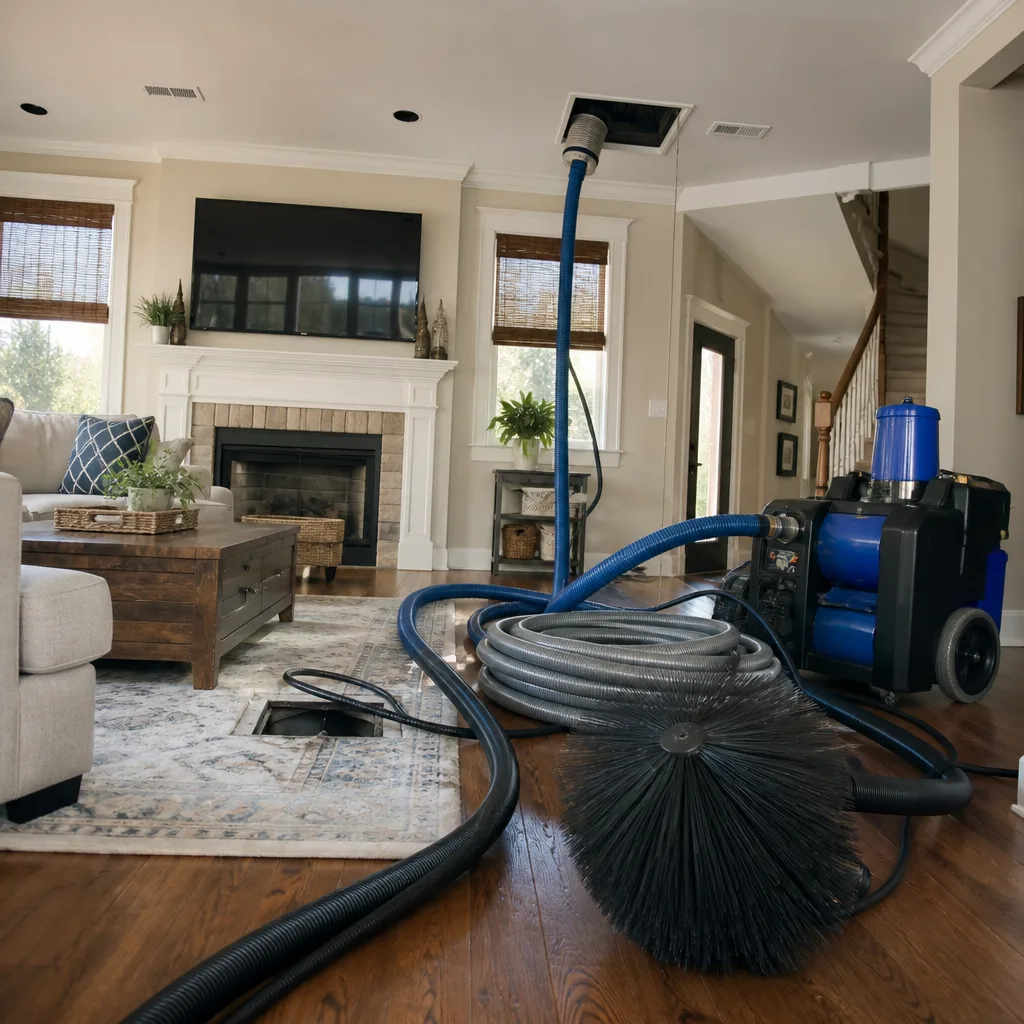
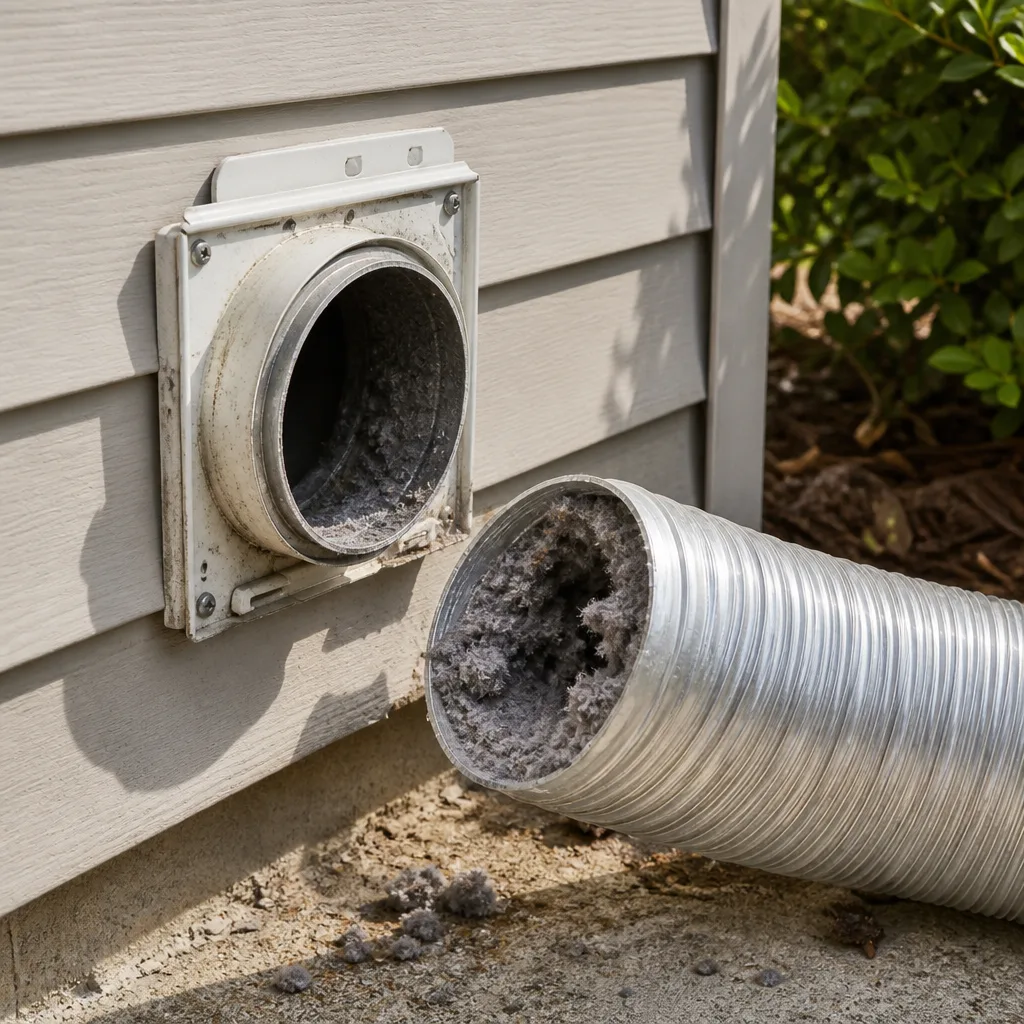
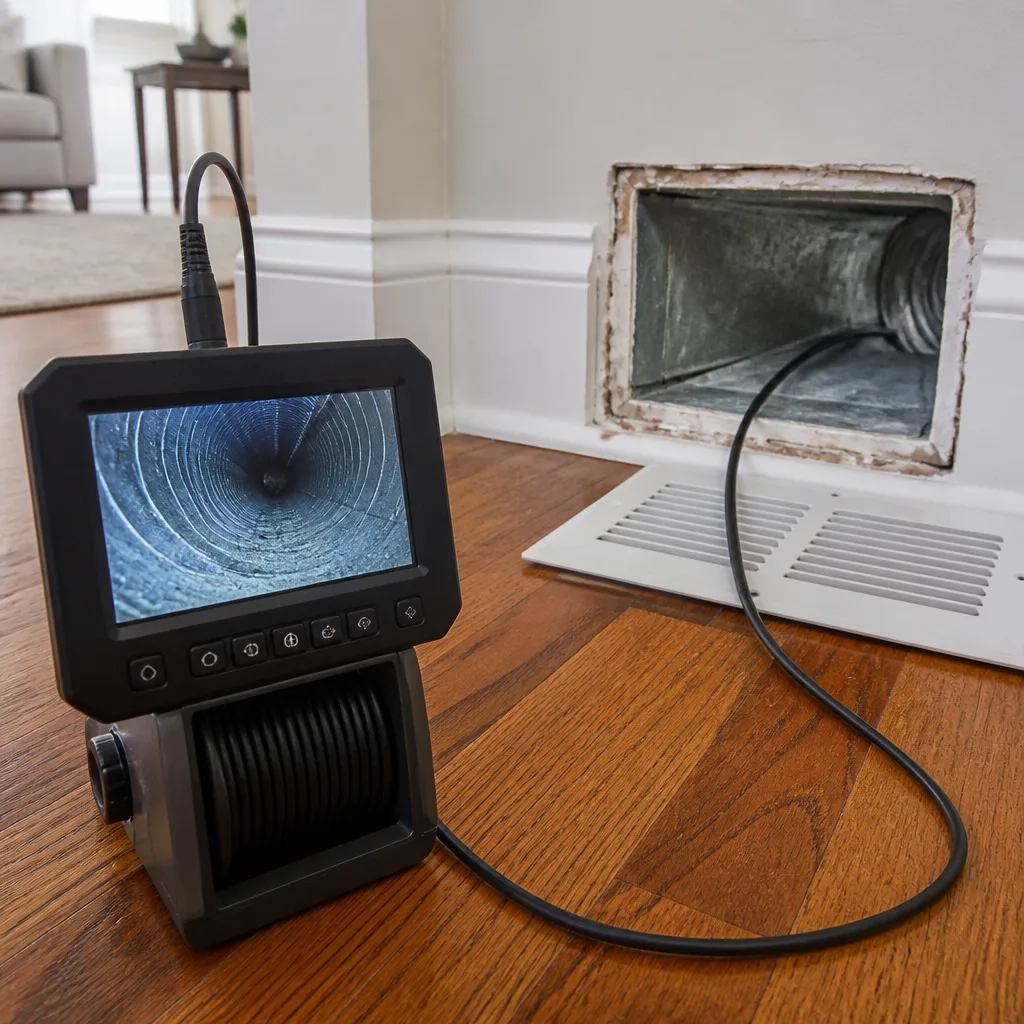
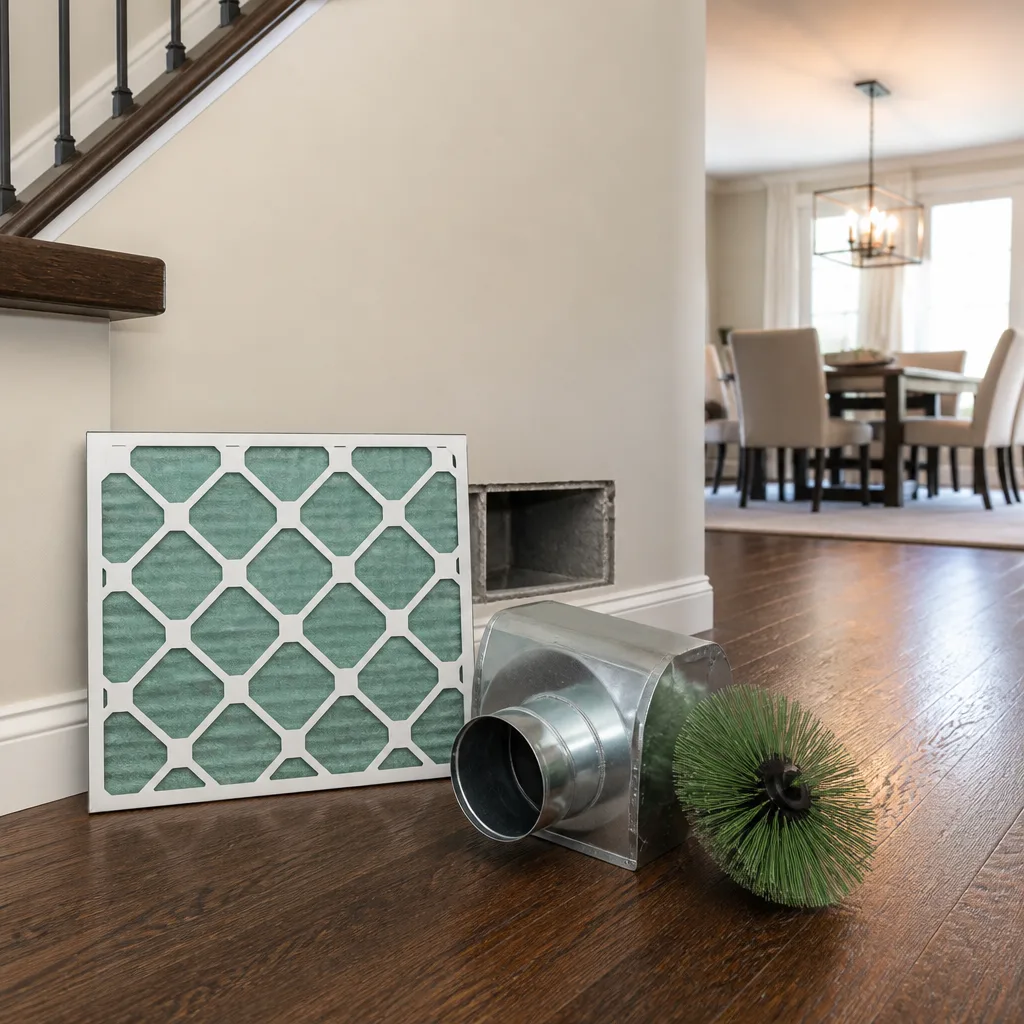
Whole-system duct and dryer vent check with before-and-after photos - you see exactly what came out of your vents
That "$99 whole-house special" is a bait ad - the real number appears once they are in your hallway, or the "clean" is a shop-vac at the register. We photograph the inside of your ducts before and after instead.
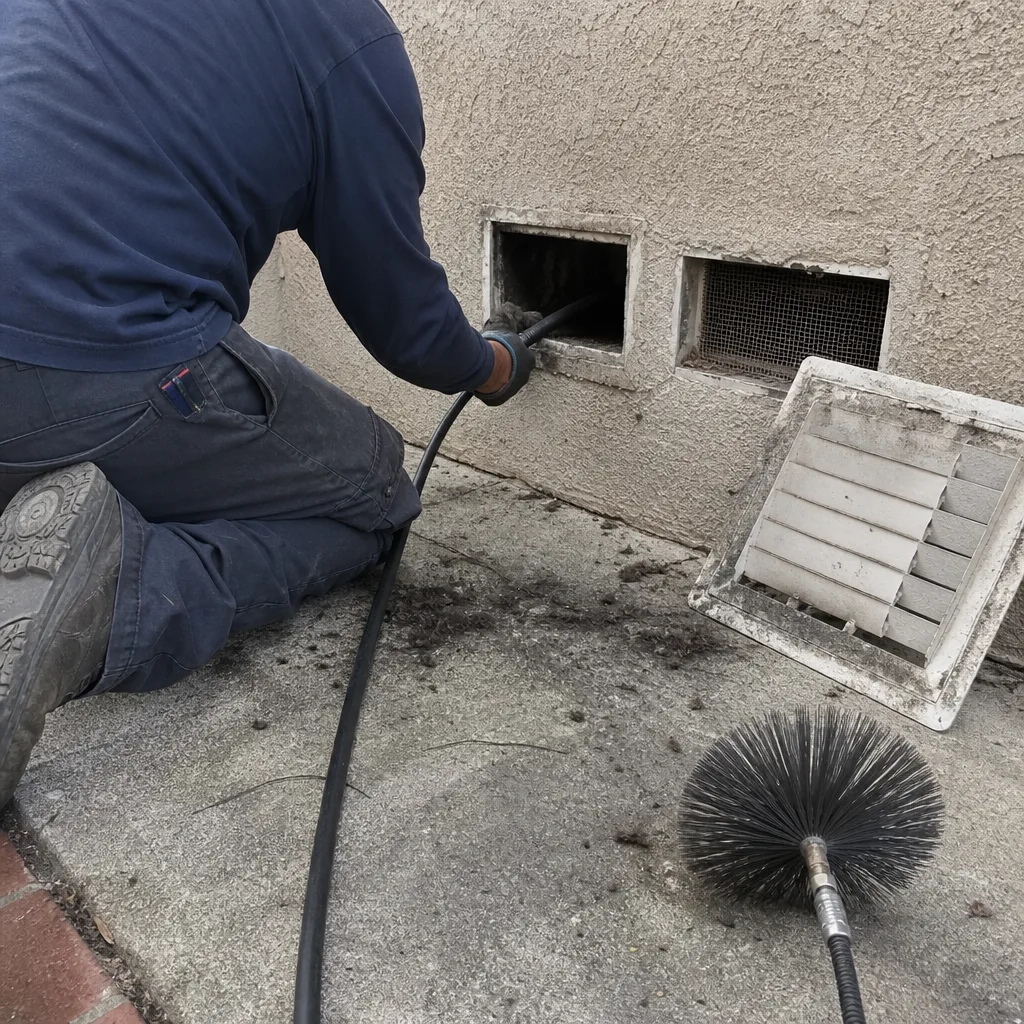 Before
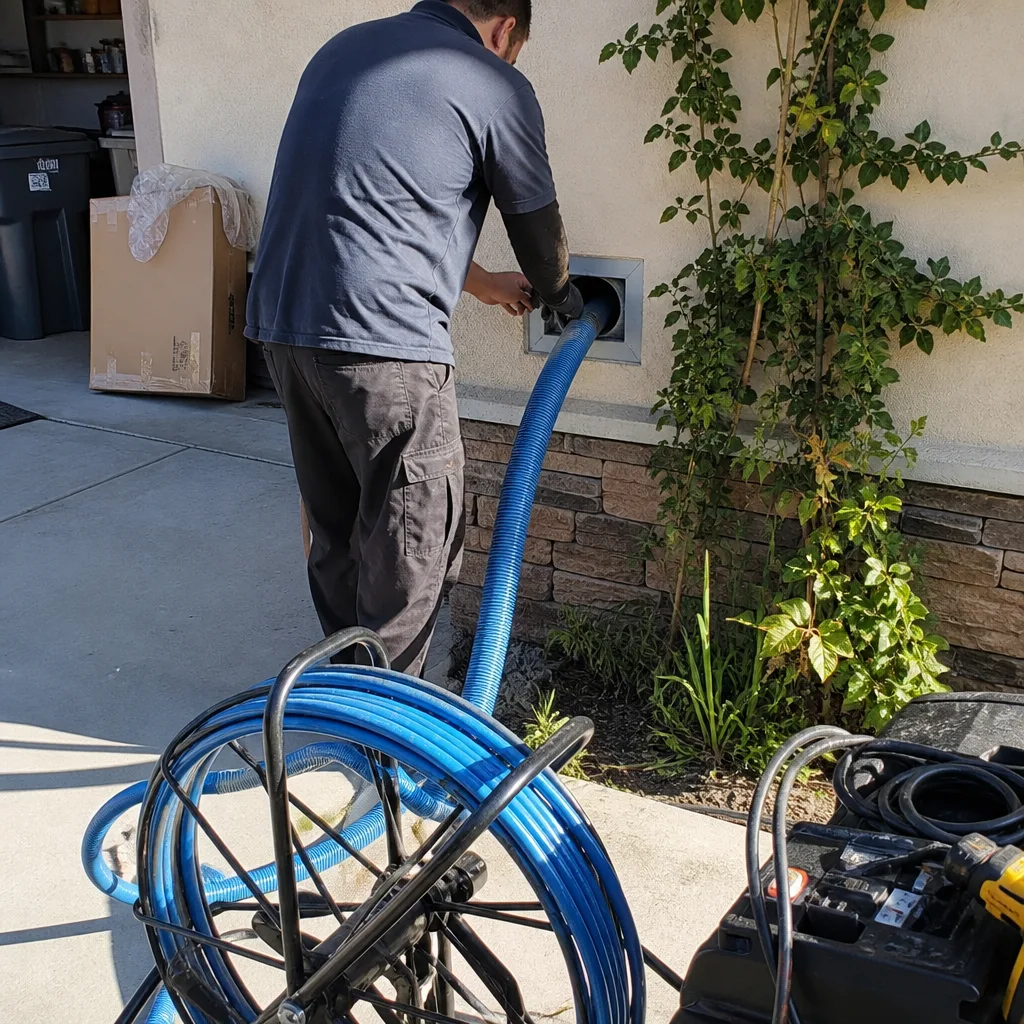 After
After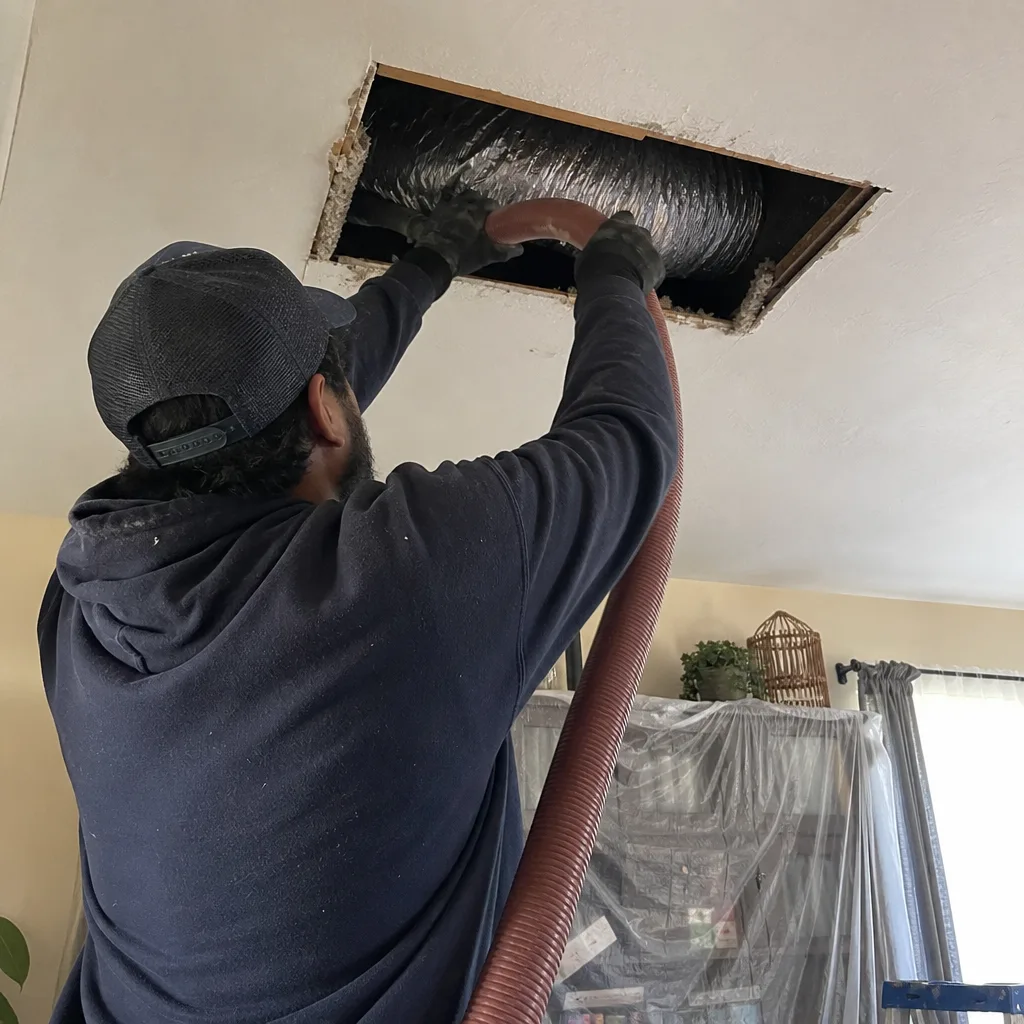 Before
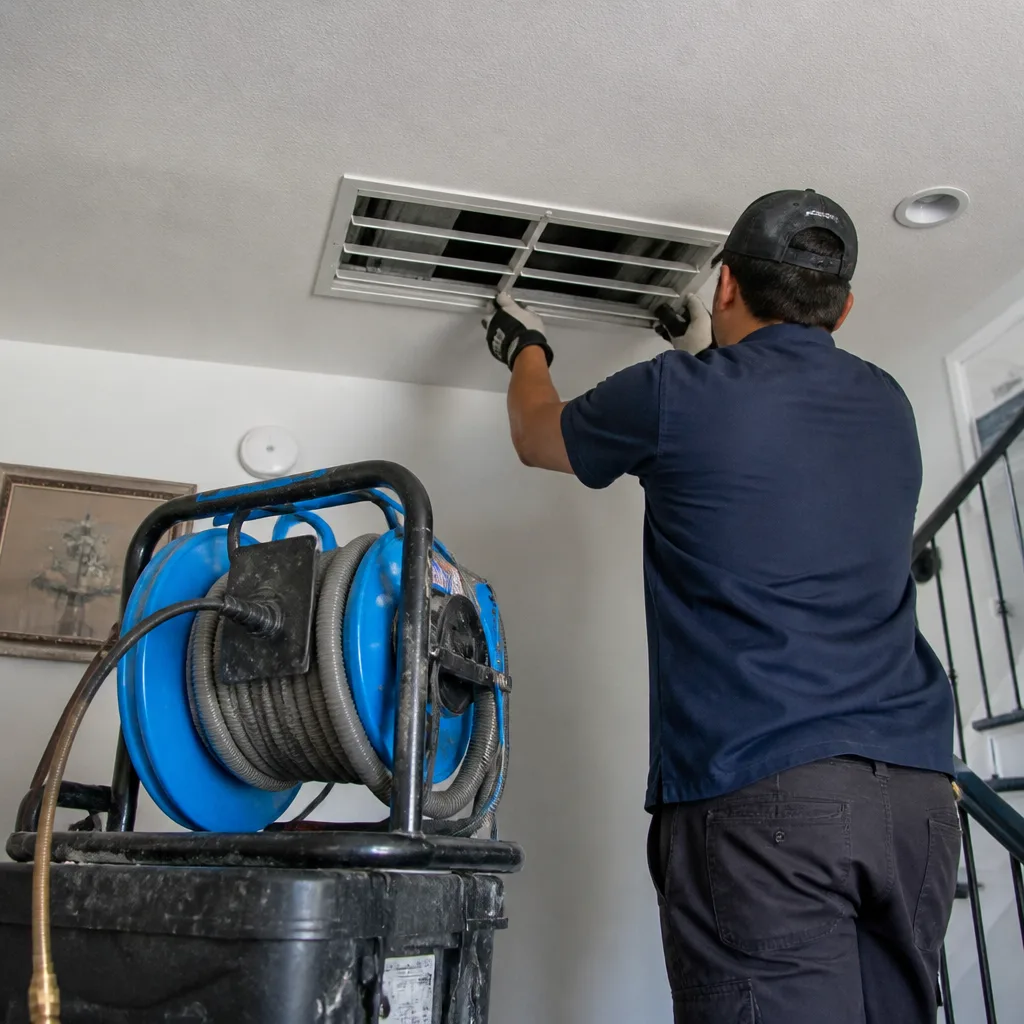 After
After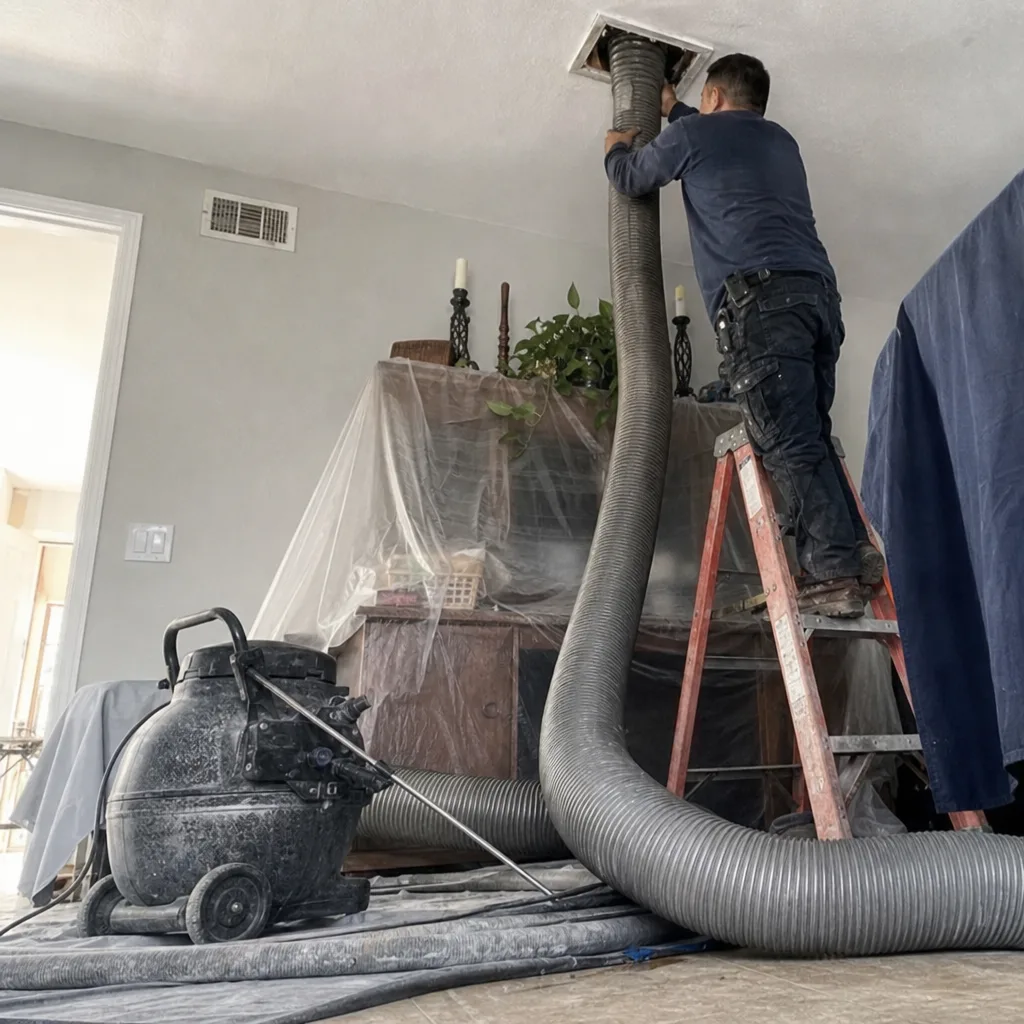 Before
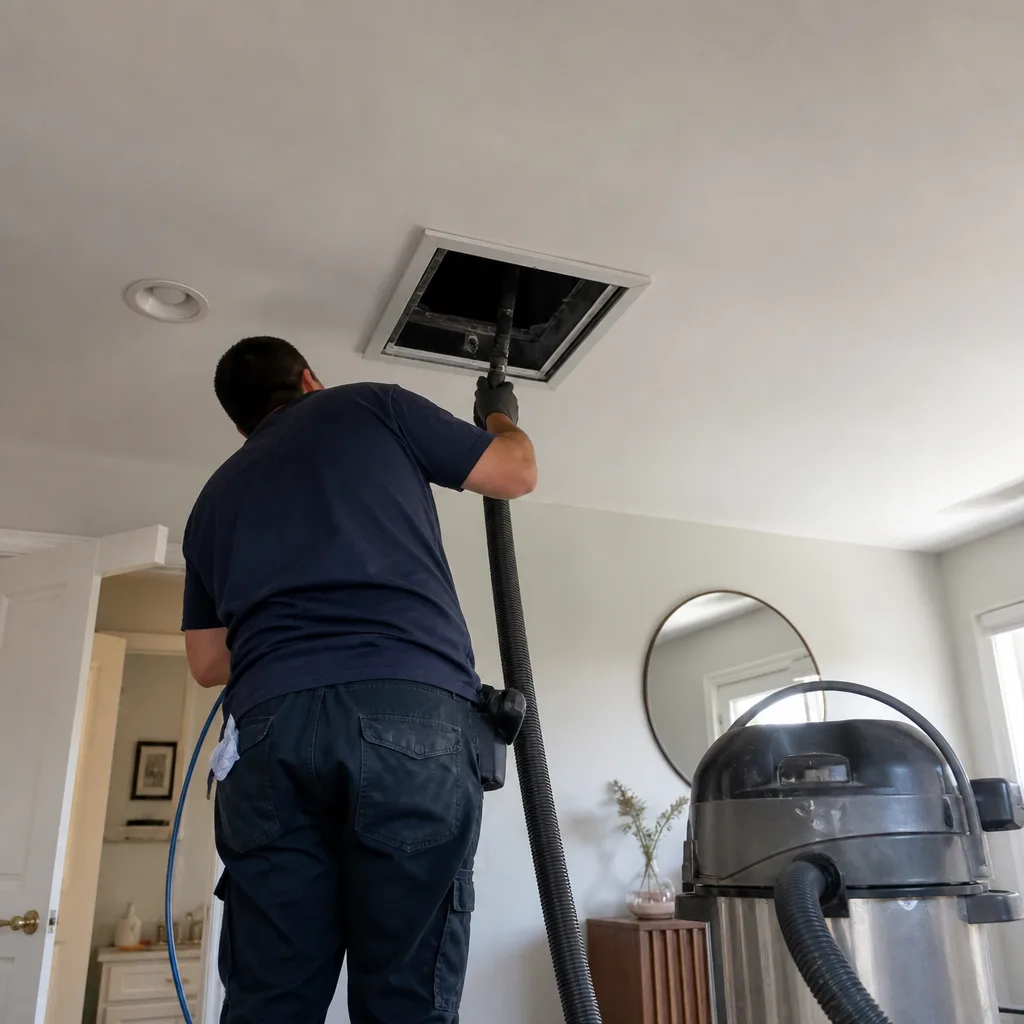 After
AfterHoneywell Coil Cleaning: The Los Angeles Owner’s Guide
Honeywell coil cleaning in Los Angeles typically runs between $260 and $480 for a full evaporator coil clean on a residential system, depending on access and how much buildup has collected. We stock Honeywell-compatible coil cleaning solutions on the truck and can usually have the job scheduled within a few days of your call. Most Los Angeles owners discover their coil needs attention the same way: the AC runs longer than it used to, the house never quite reaches the thermostat setting, and the air coming out of the vents feels lukewarm instead of cold.
If that sounds like your system right now, here’s the honest version of what’s going on and what it costs to fix it. No alarmism. Just what we see in attics and closets across the LA basin every week.
Key Takeaways
- Honeywell evaporator coils collect dust, pet hair, and cooking grease faster in Los Angeles because windows stay open more months of the year and airborne particulate levels run higher than coastal averages.
- A dirty coil doesn’t just run warm. It forces the compressor to work harder, which shortens the life of the whole system.
- We quote a written price before any work starts. You’ll know the number before we touch anything.
- Call (323) 918-4345 and a live person answers. No phone tree, no chatbot.
Which Honeywell Models This Applies To
Honeywell sold coils across a wide range of residential systems before exiting the coil manufacturing space, and we still see plenty of them in Los Angeles homes built or renovated between roughly 1995 and 2012. The most common units we service are Honeywell evaporator coils paired with their older TXV metering devices, along with coils installed in Honeywell-branded split systems and matched air handlers. If you have an older Honeywell thermostat on the wall, that alone doesn’t tell you what coil is in the handler, so don’t rely on it for identification.
Here’s what actually matters: open the air handler access panel and look for a metal data plate riveted to the coil housing. Honeywell coils carry a model number that usually starts with “HC” or “HWC,” followed by a size code. That size code matters more than the model name. A coil rated for a 3-ton condenser will not clean or cool correctly on a 2.5-ton system, even if it physically fits. We’ve run into that mismatch more than once in older Los Angeles condos where a previous contractor swapped in whatever coil was on hand. We can read the plate for you if you’re not sure what you’re looking at, and we’ll tell you exactly what we find before recommending anything.
We are an independent service provider and not affiliated with Honeywell directly. Some of the parts we use are OEM, some are quality aftermarket equivalents when the OEM part is no longer manufactured. For Honeywell coils specifically, the aftermarket options from brands like ADP and Goodman are dimensionally identical and perform the same job at a lower part cost. We’ll tell you which we’re quoting and why, in plain English.
Signs Your Honeywell Coil Cleaning Is Failing
- Warm air from the vents on a cool setting. A coil caked with dust and pet dander can’t absorb heat from the air passing over it. The system runs, the compressor works, and the air still comes out 10 to 15 degrees warmer than it should.
- Longer and longer run times. The thermostat keeps calling for cold and the system keeps answering. When the coil can’t shed heat efficiently, the AC runs 30 to 45 minutes longer per cycle than it did when it was clean. You’ll see it on your electric bill before you feel it in the room.
- Ice forming on the copper lines or the coil itself. Restricted airflow over a dirty coil drops the refrigerant pressure low enough to freeze the condensation. This is the point where owners call us after noticing water dripping from the handler or frost on the line set.
- A musty or sour smell when the blower kicks on. Damp dust on a coil is a perfect surface for microbial growth. Los Angeles humidity is low most of the year, but the condensation cycle on a dirty coil creates its own microclimate. The smell is the giveaway.
- Rising energy bills without a change in usage. A restricted coil forces the compressor to work against higher head pressure. We see 15 to 25 percent efficiency losses on severely fouled coils, which translates directly to a higher monthly bill.
Replacement Cost & What’s Included
In Los Angeles, a full Honeywell evaporator coil cleaning runs between $260 and $480 on residential systems. At the lower end, you have a coil with light surface dust and good access, something we can reach directly and clean without major disassembly. At the upper end, you have a coil buried in a tight attic closet, years of pet hair and cooking grease baked onto the fins, and a condensate pan that needs clearing before we can even start.
Every quote includes the cleaning chemicals, condensate line clearing, and a full system test after the work is done. We also photograph the coil before and after, and we show you those photos before we pack up. Paul started doing that years ago because homeowners told him they’d been burned by crews who claimed they cleaned something no one could see. You’ll see exactly what we saw and exactly what we did about it.
We don’t quote per-coil or bait a low number and inflate it later. Before we start, you’ll have a written price in your hand. If we find something unexpected mid-job, we stop and talk to you first. No surprises on the invoice, ever.
DIY or Call Us?
There are things a Los Angeles homeowner can safely check, and things they shouldn’t touch. You can check your air filter, look for ice on the copper lines outside the handler, and verify the thermostat is actually calling for cool. Those are all safe and useful diagnostics. What you shouldn’t do is open the coil cabinet and start scraping fins with a brush or spraying household cleaners onto the coil. The fins are thin aluminum. They bend easily, and a bent fin blocks more airflow than the dust did. Some coil cleaners are acidic enough to etch the fins if not rinsed completely, which does permanent damage to a coil that might have lasted another decade.
We use professional-grade coil cleaners matched to the fin material, applied with equipment that gets the solution deep into the coil without flooding the air handler. Then we test the system, check the refrigerant pressures and temperature split, and make sure it’s actually cooling again before we leave. That last step matters. Cleaning the coil without verifying the result is half a job.
If you’d rather have us handle it, call (323) 918-4345 and we’ll schedule a time that works around your household. Expect shoe covers, drop cloths under the work area, and a written price before anything gets wet.
FAQs
In most Los Angeles homes, a properly cleaned coil stays effective for 3 to 5 years. Homes with multiple pets, open windows near busy streets, or smokers in the household may need it every 2 to 3 years. We’ll give you an honest read on your specific situation when we see the coil, and we won’t sell you a cleaning your system doesn’t need. Call (323) 918-4345 and we’ll tell you what we think after looking at it.
Cleaning is the repair in most cases. The coil itself rarely fails mechanically unless it’s leaking refrigerant or has been physically damaged. If we find a leak during our post-clean system test, we’ll show you exactly where it is and discuss whether a patch or replacement makes more sense for the age and condition of the system. You’ll always get the full picture before any decision is made.
Most residential Honeywell coil cleanings take between 90 minutes and 3 hours, depending on access and buildup. The actual cleaning is usually under an hour. The rest is setup, protecting the surrounding area, clearing the condensate line, and running the system test afterward. We work carefully and we don’t rush, especially when people are home.
Yes, we carry Honeywell-compatible coil cleaners and fin combs on every truck, along with parts for Lennox, Trane, and Carrier systems we service alongside Honeywell. If your coil needs a specific cleaner formulation or a replacement access gasket, we usually have it on hand the day we arrive.
Before we start, let me show you exactly what we found and exactly what it will cost to fix it. That’s Paul’s promise on every job, and it’s the way we’ve done it since 2005. Call (323) 918-4345 for a free estimate, and we’ll walk you through what to expect before we even schedule the visit.
Written by Paul Adeyemi, Owner, Morton’s Air Duct Cleaning at Morton’s Air Duct Cleaning, serving Los Angeles and nearby areas.