
Whole-system duct and dryer vent check with before-and-after photos - you see exactly what came out of your vents
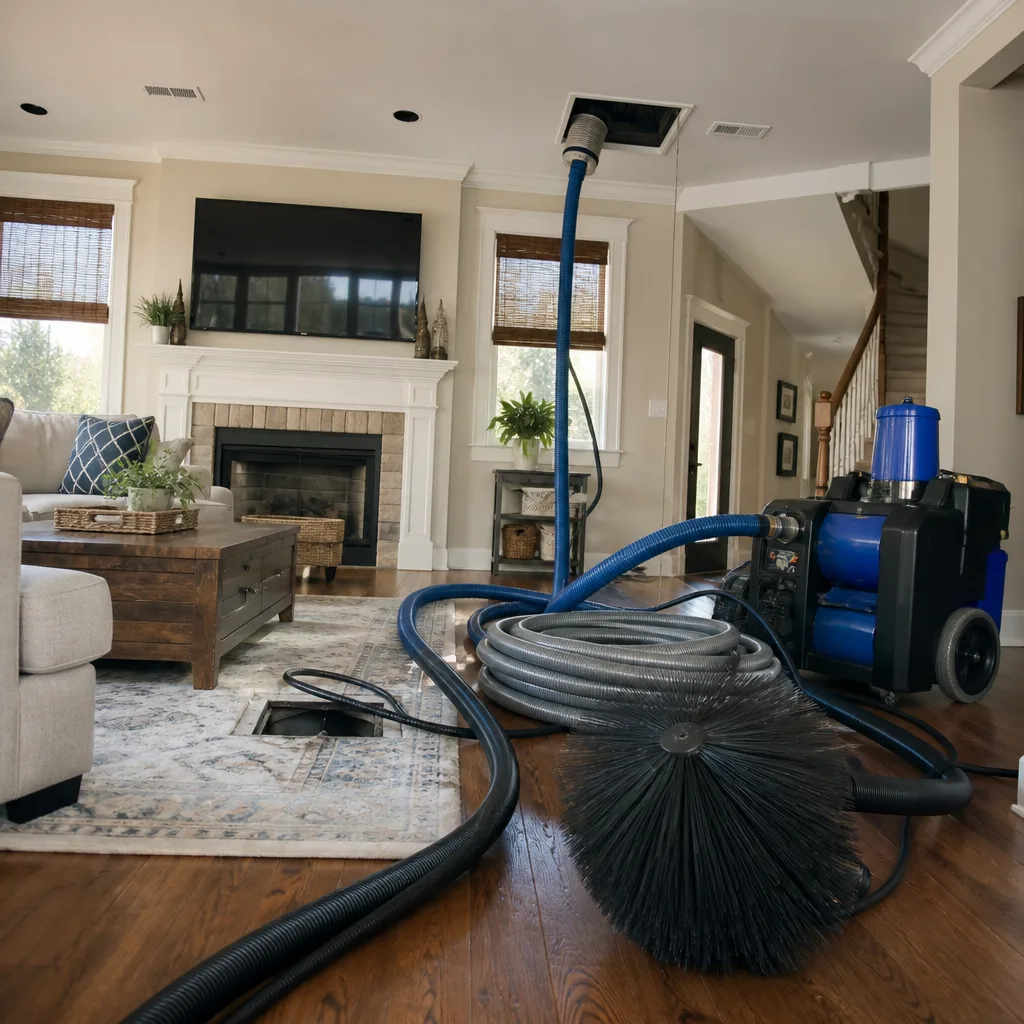
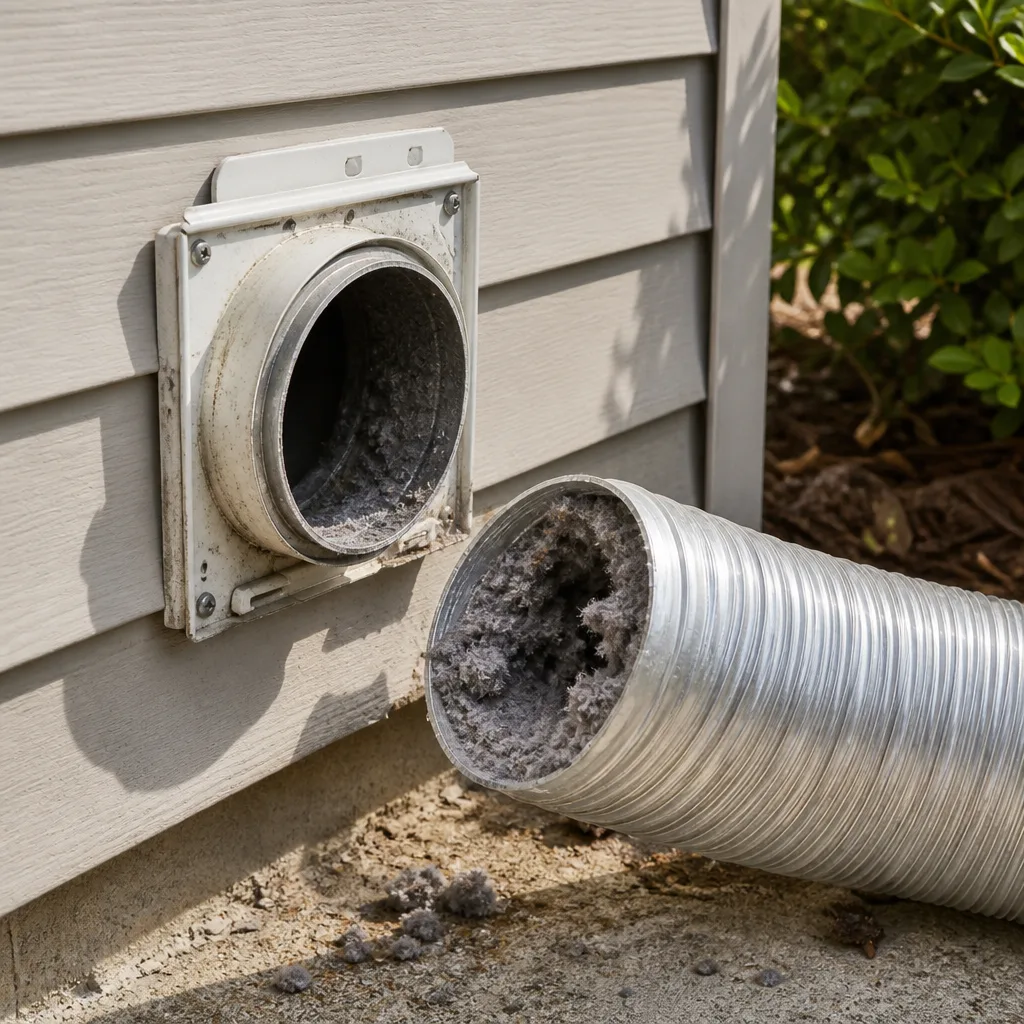
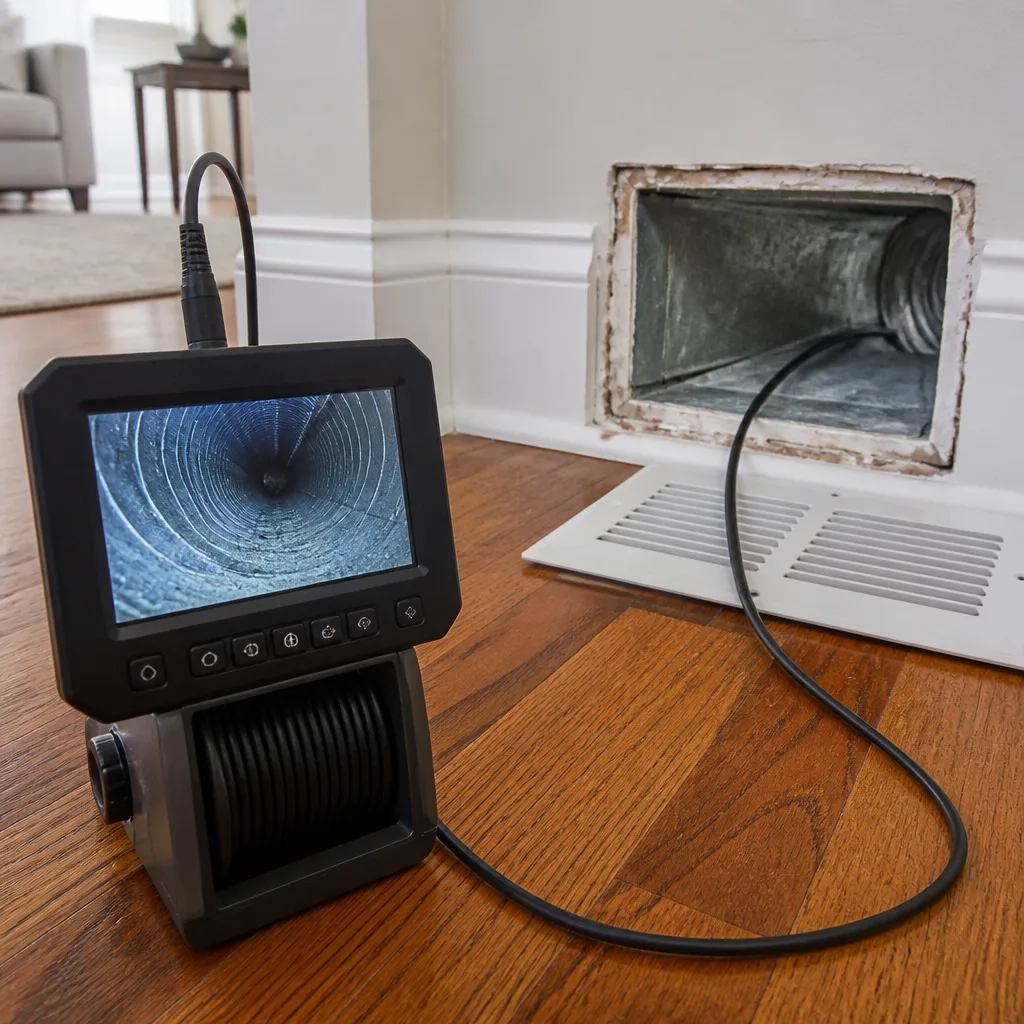
That "$99 whole-house special" is a bait ad - the real number appears once they are in your hallway, or the "clean" is a shop-vac at the register. We photograph the inside of your ducts before and after instead.
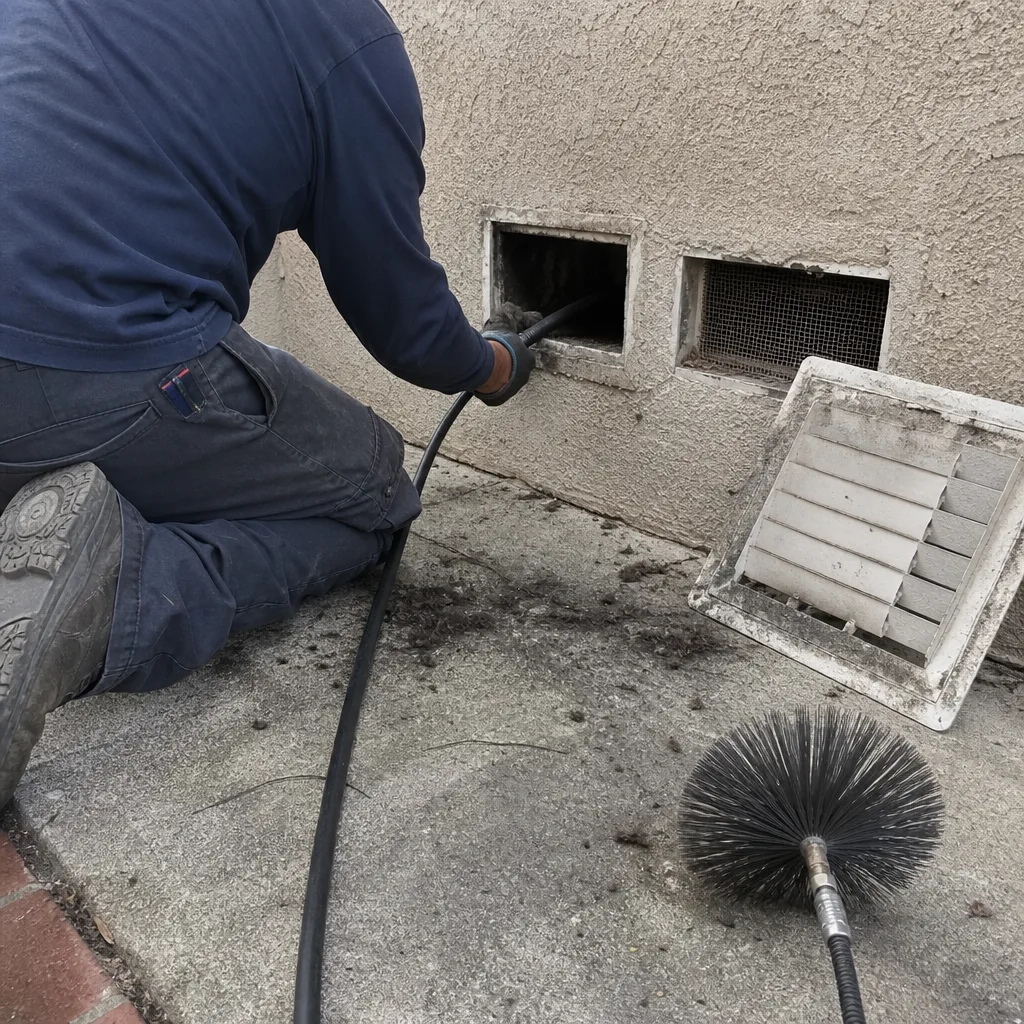 Before
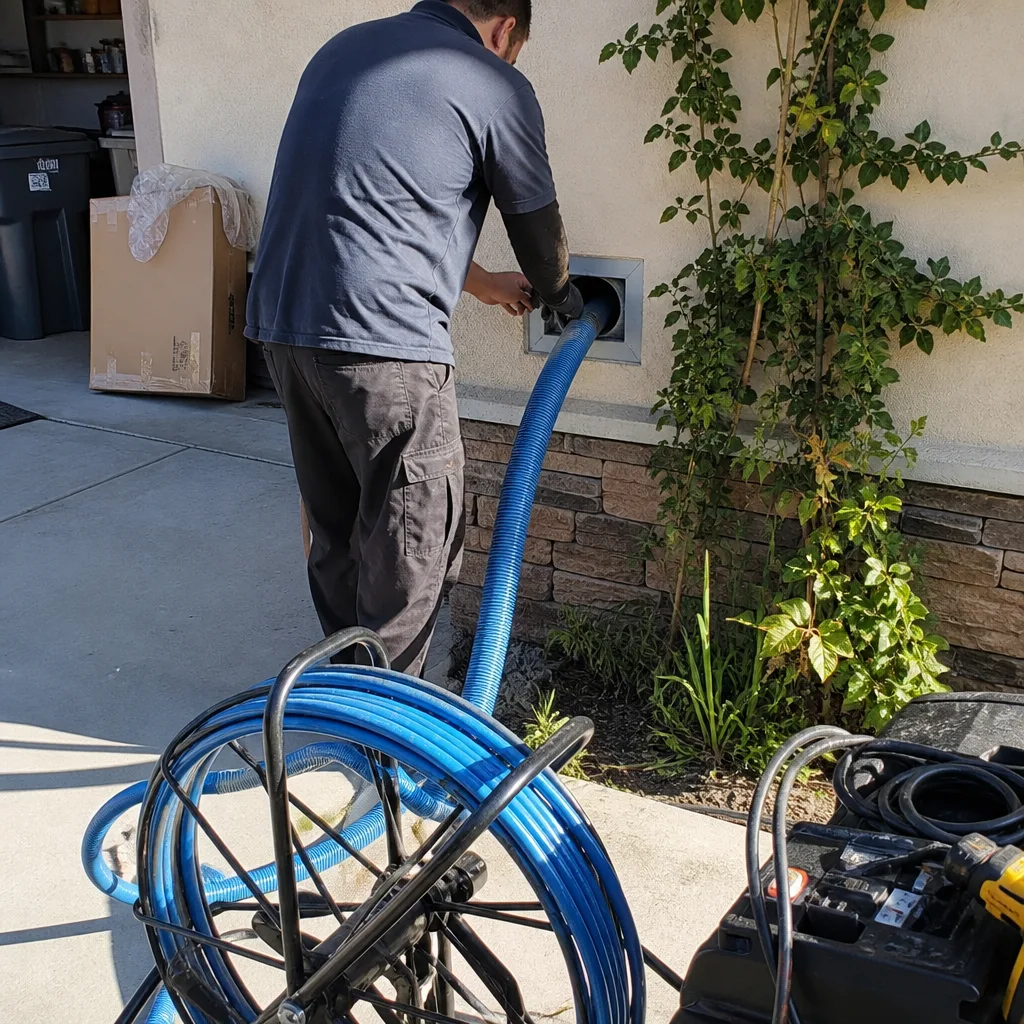 After
After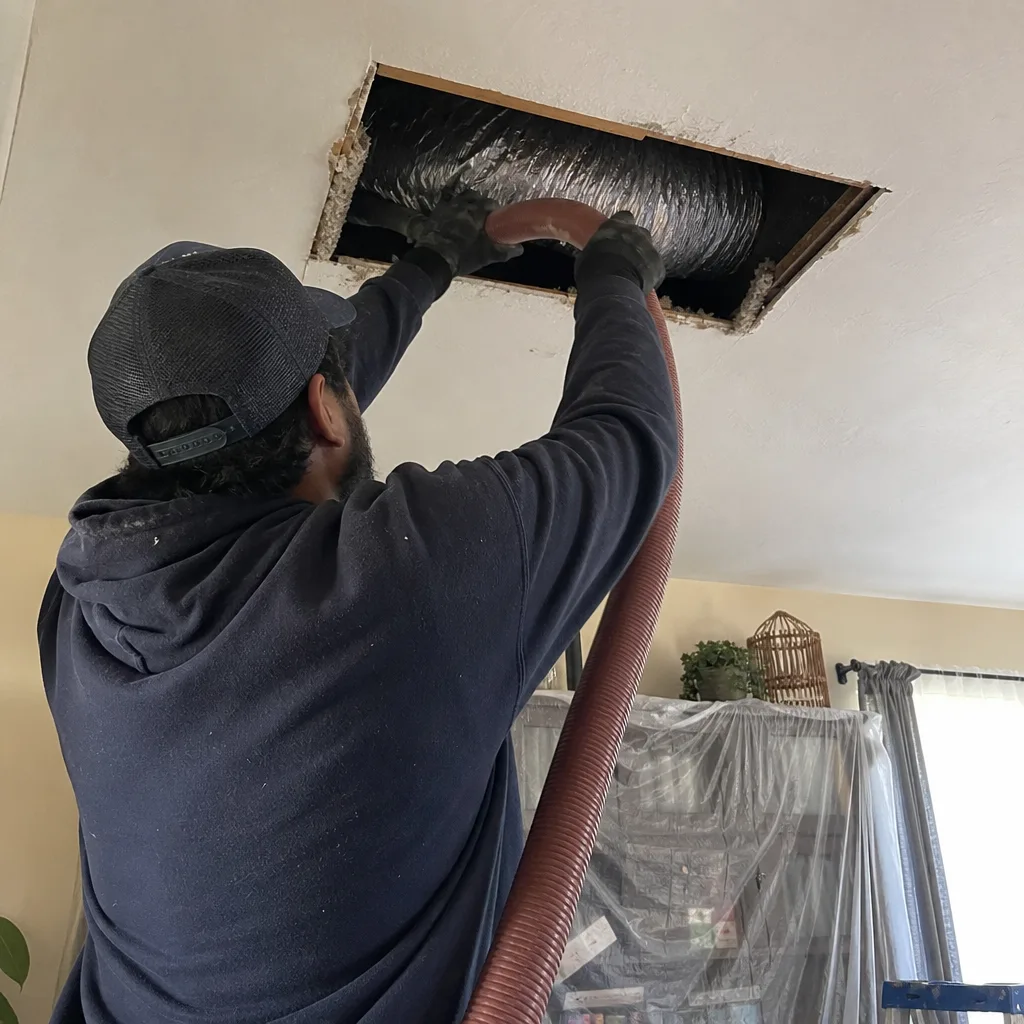 Before
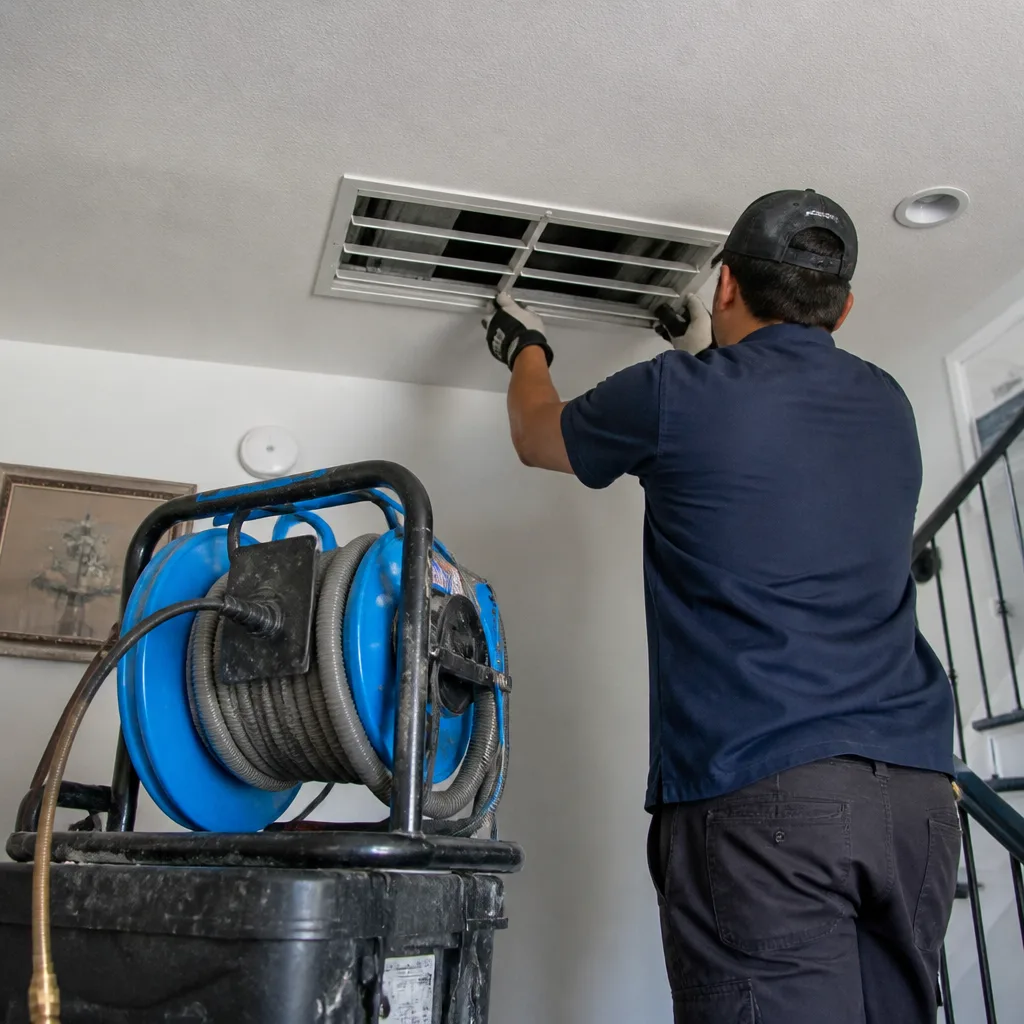 After
After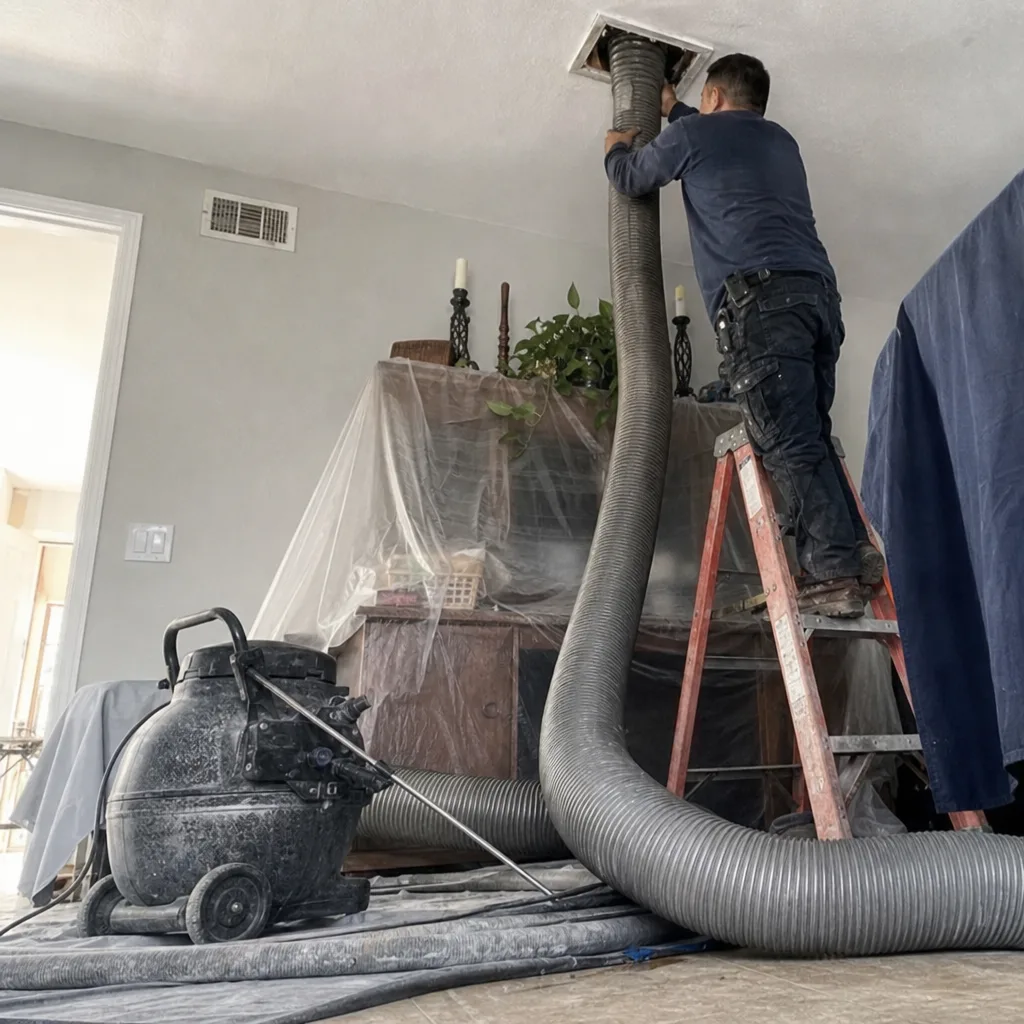 Before
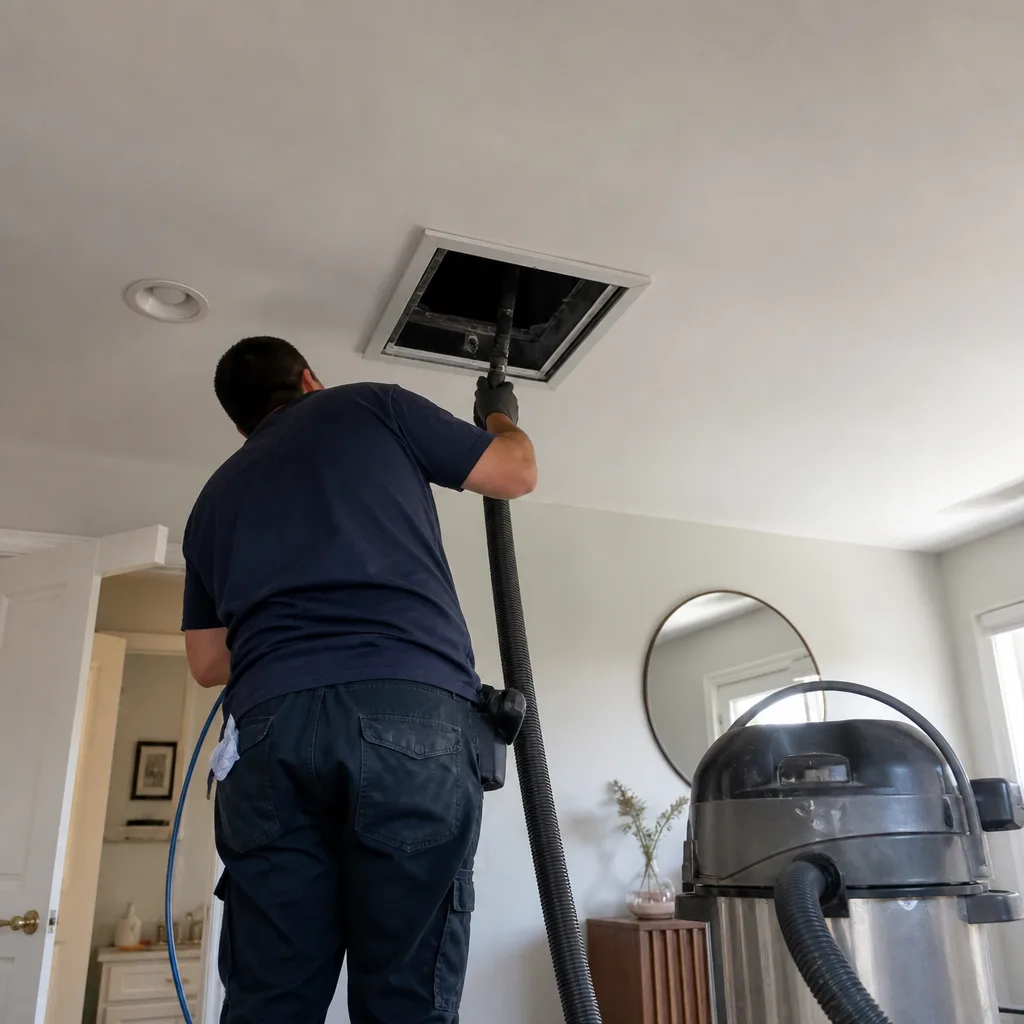 After
AfterRotobrush Register & Grille Cleaning: The Los Angeles Owner’s Guide
If you’re running a Rotobrush system in Los Angeles and your register and grille cleaning attachment has stopped feeding, lost suction, or gouged a vent, we stock the replacement parts and can typically have you back up and running within one or two business days. Installed cost for register and grille cleaning components in Los Angeles generally lands between $145 and $310 depending on whether it’s a brush head, whip line, or the full attachment assembly. Most owners discover the failure mid-job - the brush stops spinning inside the register boot, the flexible shaft starts chattering, or airflow at the vent drops noticeably even though the main vacuum is pulling fine.
We’re Morton’s Air Duct Cleaning, an independent Rotobrush-equipped service company in Los Angeles (not affiliated with Rotobrush itself), and we keep common Rotobrush attachment parts on our trucks for exactly this situation. Paul Adeyemi, our owner, has opened enough failed Rotobrush attachments over the years to know what wears first and what can be salvaged. Before we start, let me show you exactly what we found and exactly what it will cost to fix it.
Which Rotobrush Models This Applies To
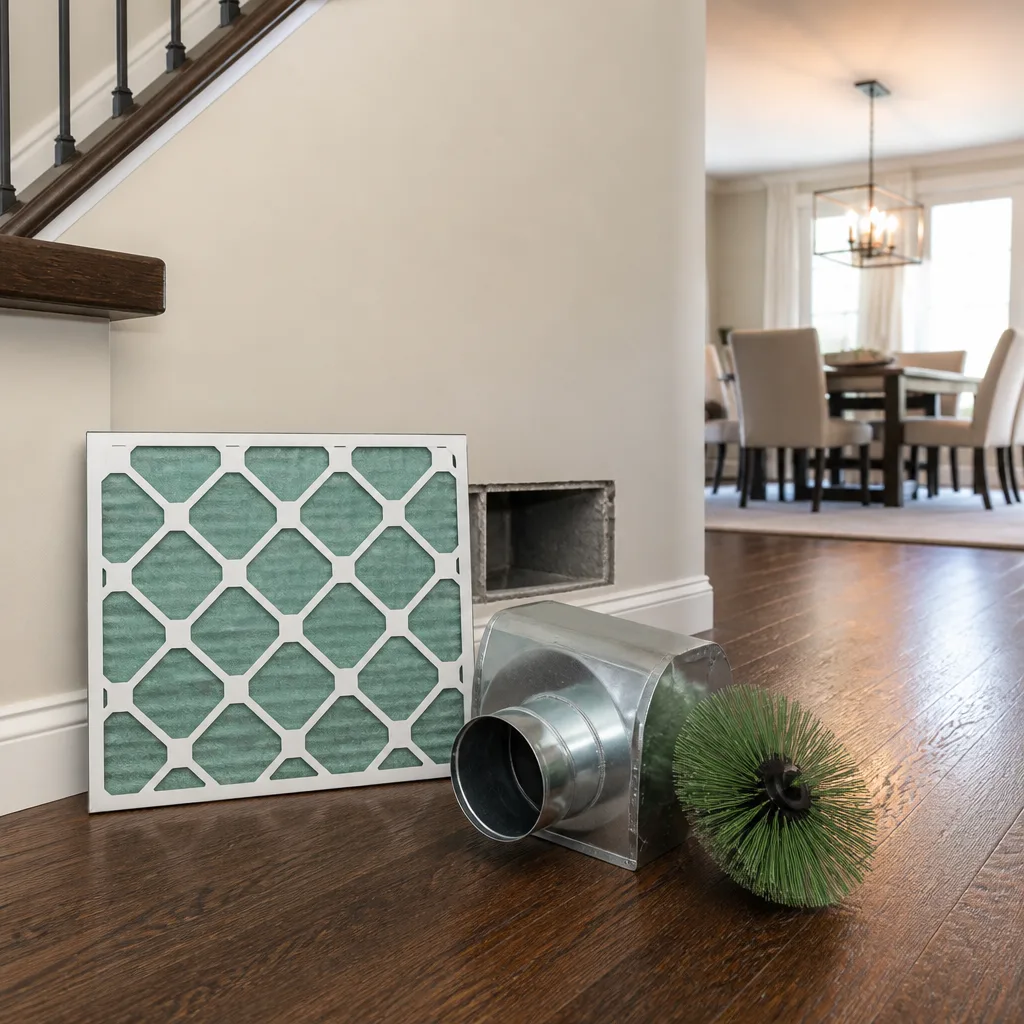
Rotobrush register and grille cleaning attachments are designed as modular components that connect to the main vacuum drum on most Rotobrush AiR+ and brushBeast systems built since roughly 2012. The compatibility gotcha that surprises most owners: the quick-connect collar changed diameter between the older brushBeast series and the AiR+ line, so a register brush assembly labeled for a brushBeast will not seat correctly on an AiR+ even though both are “Rotobrush brand.” The part number is printed on the shank of the brush head and the collar itself - check for a three-digit series code before ordering anything.
We stock OEM Rotobrush register brush assemblies plus quality aftermarket equivalents that match the AiR+ and late brushBeast specs. For the record, Trane, Lennox, and Carrier don’t make register cleaning attachments, so if your system is a Rotobrush you’re looking at Rotobrush-pattern parts only. Our honest recommendation: OEM for the flexible shaft and brush core because that’s where dimensional tolerances matter most. Aftermarket nylon brush filaments hold up fine and cost about 30% less, but we’ve seen cheap aftermarket shafts snap at the collar within a few months of commercial use. In Los Angeles, where homes run AC hard from June through October, register boots collect a dense film of dust and pet hair that loads the brush more than most climates - expect the brush filaments to wear faster here than the national average.
Signs Your Rotobrush Register & Grille Cleaning Is Failing
- Brush stops spinning under load. The flexible shaft inside the housing has rounded off at the drive coupling. This is the most common failure we see after 200 to 400 registers cleaned. The shaft needs replacement, not lubrication.
- Chattering or vibration through the wand. A bearing inside the attachment head has worn out, letting the shaft oscillate. Continuing to run it will oval out the bearing seat and turn a $40 repair into a full assembly replacement.
- Visible gouges or arc marks on vent registers. Worn brush filaments can’t flex properly around register edges, so the brush core itself contacts the metal. This damages the home’s registers and means the attachment has already gone too long without service.
- Weak debris pickup at the register, strong suction at the drum. The whip line or brush head is clogged with impacted debris, or the attachment’s internal seal has split. In Los Angeles homes with pets, hair wraps the brush base and forms a felt-like blockage that reduces airflow at the point of contact.
- Shaft won’t seat fully into the collar. Debris has packed into the quick-connect, or the collar is worn. Forcing it risks stripping the male spline. This is a five-minute fix if caught early, a parts order if not.
Replacement Cost & What’s Included
In Los Angeles, expect to pay these installed ranges for Rotobrush register and grille cleaning components:
- Replacement brush head (OEM pattern): $95-$135 installed
- Flexible shaft replacement: $110-$160 installed
- Full attachment assembly (brush head, shaft, collar): $220-$310 installed
- Aftermarket brush filament set (re-strung on your core): $85-$110 installed
What drives the range: whether the shaft spline is salvageable, whether your system is AiR+ or the older brushBeast collar pattern, and whether the attachment head’s internal bearing needs replacement while we’re in there. Every job gets a written price before any work starts, and we show you the failed part before installing the replacement. The work is backed by our 365-Day Done Right Promise - if the attachment doesn’t perform properly on your next job, we make it right.
DIY or Call Us?
There are two things an owner can safely check without opening the attachment housing: confirm the collar and spline are fully seated, and visually inspect the brush filaments for flattening or embedded debris. That’s where we’d stop. The internal components of a Rotobrush register attachment run at high RPM under torque, and opening the sealed head means dealing with a spring-loaded bearing retainer that can bring a finger into contact with the still-connected drive shaft if you’re not careful. We’ve had owners bring us half-disassembled attachments where the bearing clip launched somewhere into the van and the shaft scored itself against the housing. The rebuild is straightforward on a bench with the right tools, but not worth the risk or the lost billable hours if the part lets go mid-job again.
If you’re in Los Angeles and your Rotobrush register attachment is down, call (323) 918-4345. Paul or one of our techs will ask what model you’re running, what the part number reads on the collar, and what it was doing when it failed. You’ll know exactly what it costs before we touch it.
FAQs
In our experience across Los Angeles, a Rotobrush register brush head used commercially lasts 18 to 30 months before the filaments flatten, and the flexible shaft typically lasts 2 to 4 years. Hobbyists or occasional users may get 5 or more years. Homes with heavy pet hair in the ductwork shorten filament life considerably. Call (323) 918-4345 and we can tell you over the phone whether your attachment is at end of life or just needs a re-string.
Yes, in most cases the brush head can be re-strung with fresh filaments and the shaft coupling can be re-machined if the wear is at the drive end. Full replacement is only necessary when the bearing seat is damaged or the quick-connect collar is cracked. We’ll always quote the repair option first if it’s viable.
With the part in hand, replacing a Rotobrush register attachment takes us about 30 to 45 minutes including bench assembly and a test run. If we need to order a shaft or collar for your specific model, most parts arrive in Los Angeles within two business days. Call (323) 918-4345 and we’ll confirm what’s on the truck.
We stock common Rotobrush AiR+ and brushBeast register brush heads, shafts, collars, and filament sets on our service trucks and at our Los Angeles shop. Obscure part numbers or early-series components may need a two-day order. Always glad to check inventory over the phone before you drive anywhere.
Written by Paul Adeyemi, Owner, Morton’s Air Duct Cleaning at Morton’s Air Duct Cleaning, serving Los Angeles and nearby areas.