
Whole-system duct and dryer vent check with before-and-after photos - you see exactly what came out of your vents
That "$99 whole-house special" is a bait ad - the real number appears once they are in your hallway, or the "clean" is a shop-vac at the register. We photograph the inside of your ducts before and after instead.
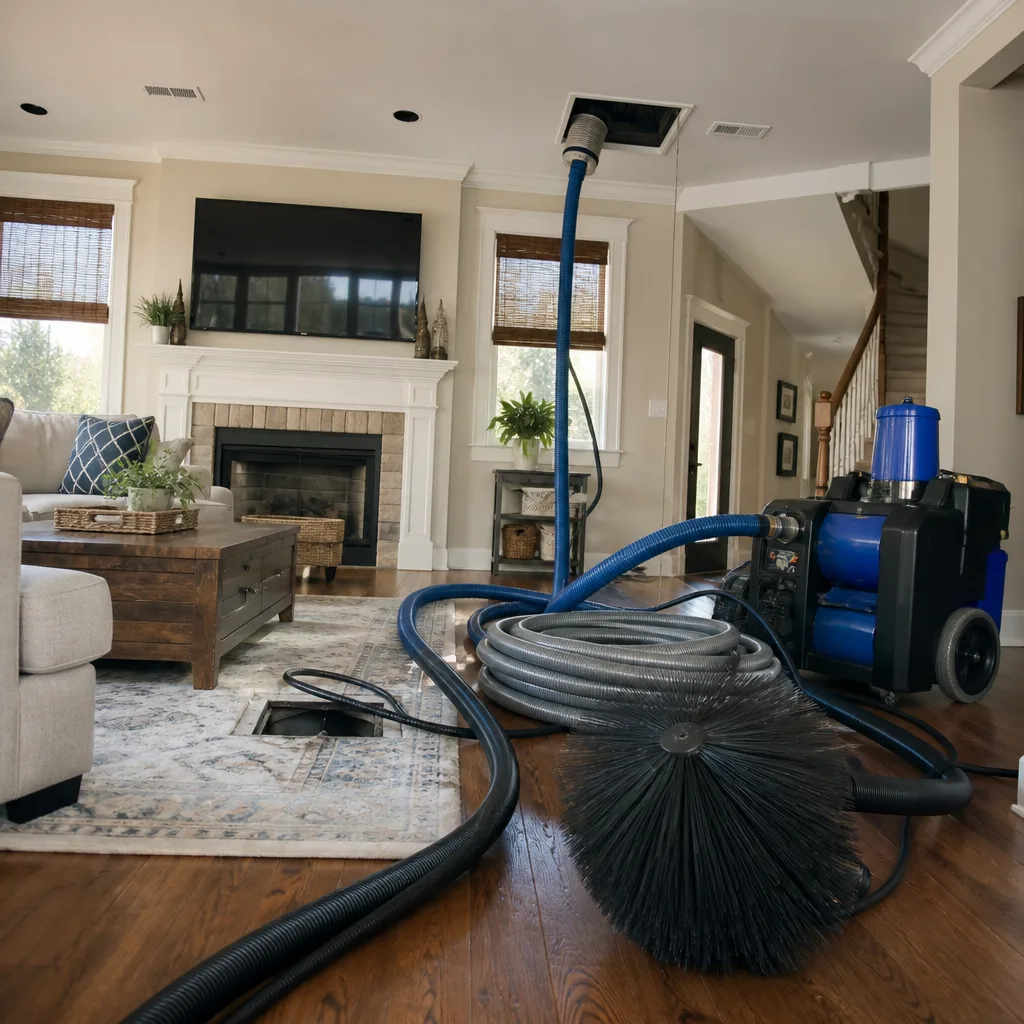
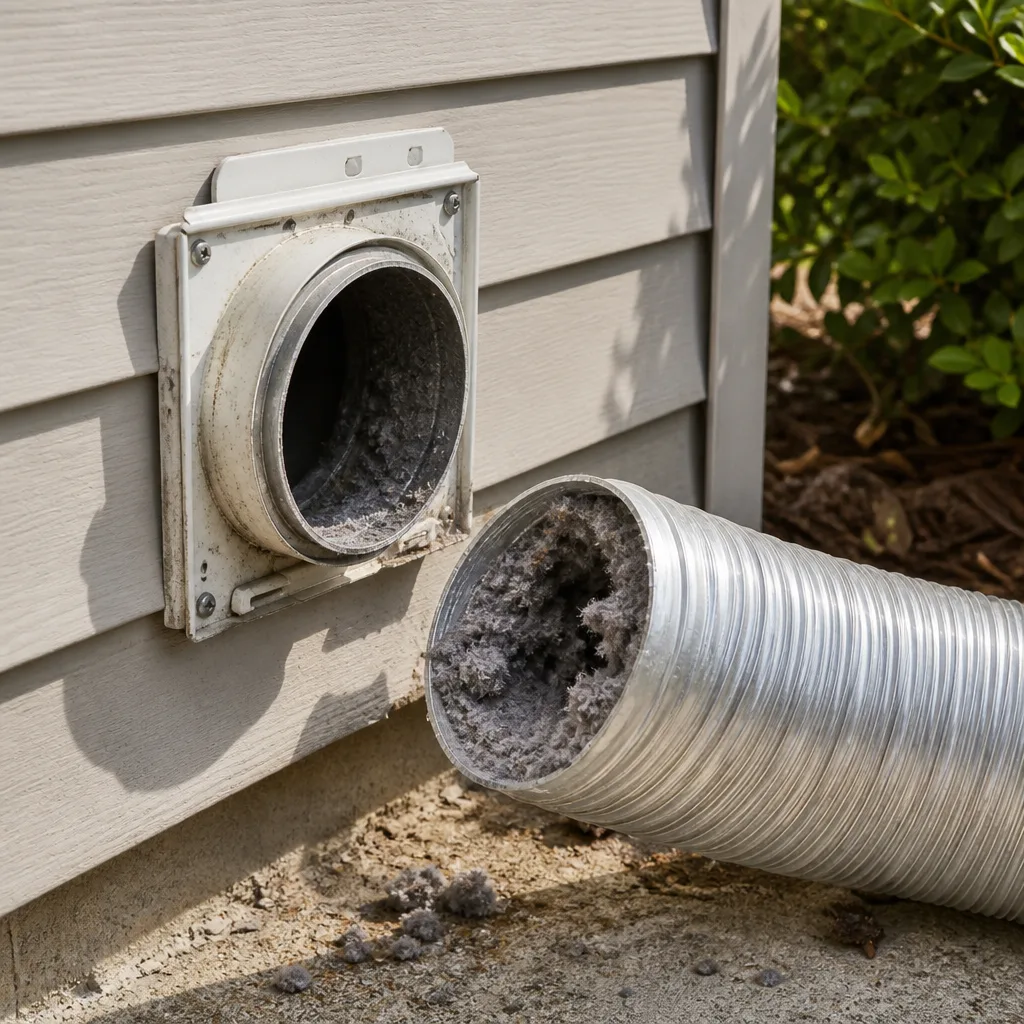
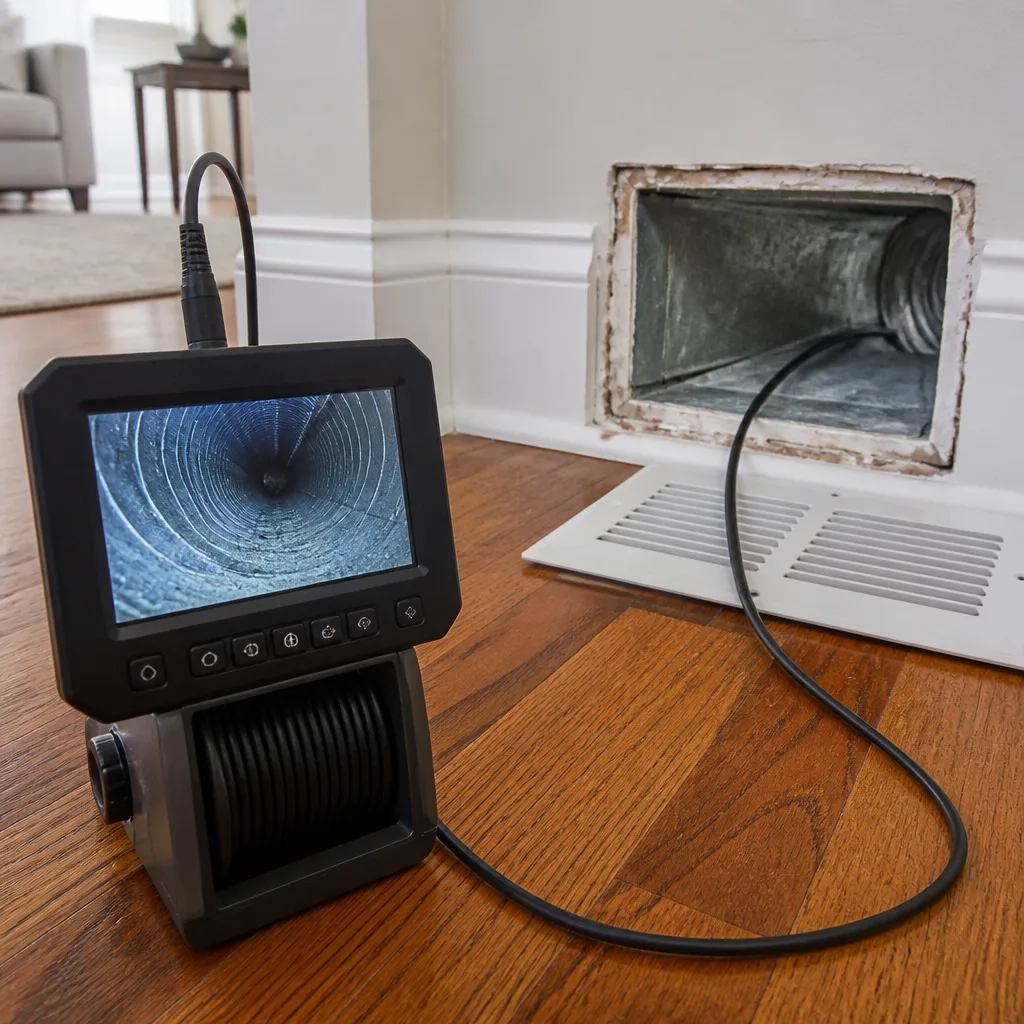
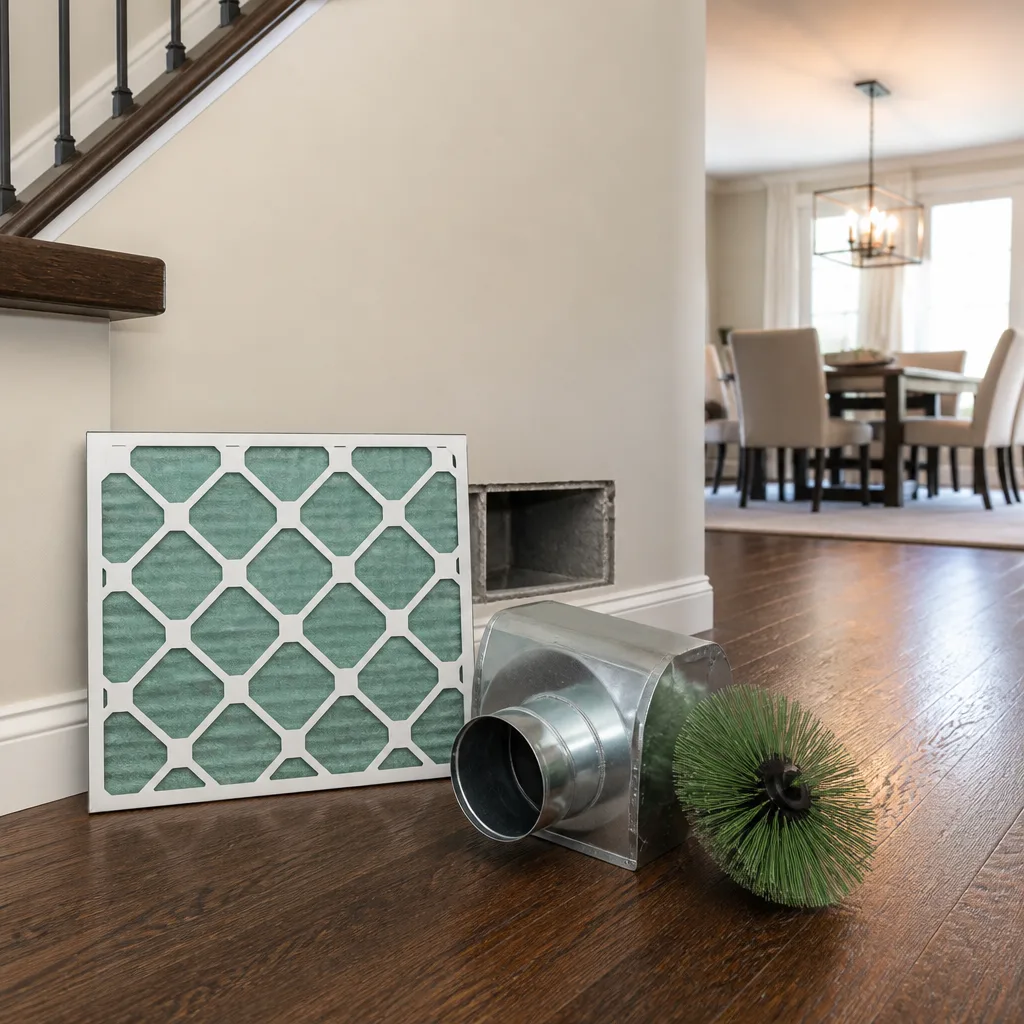
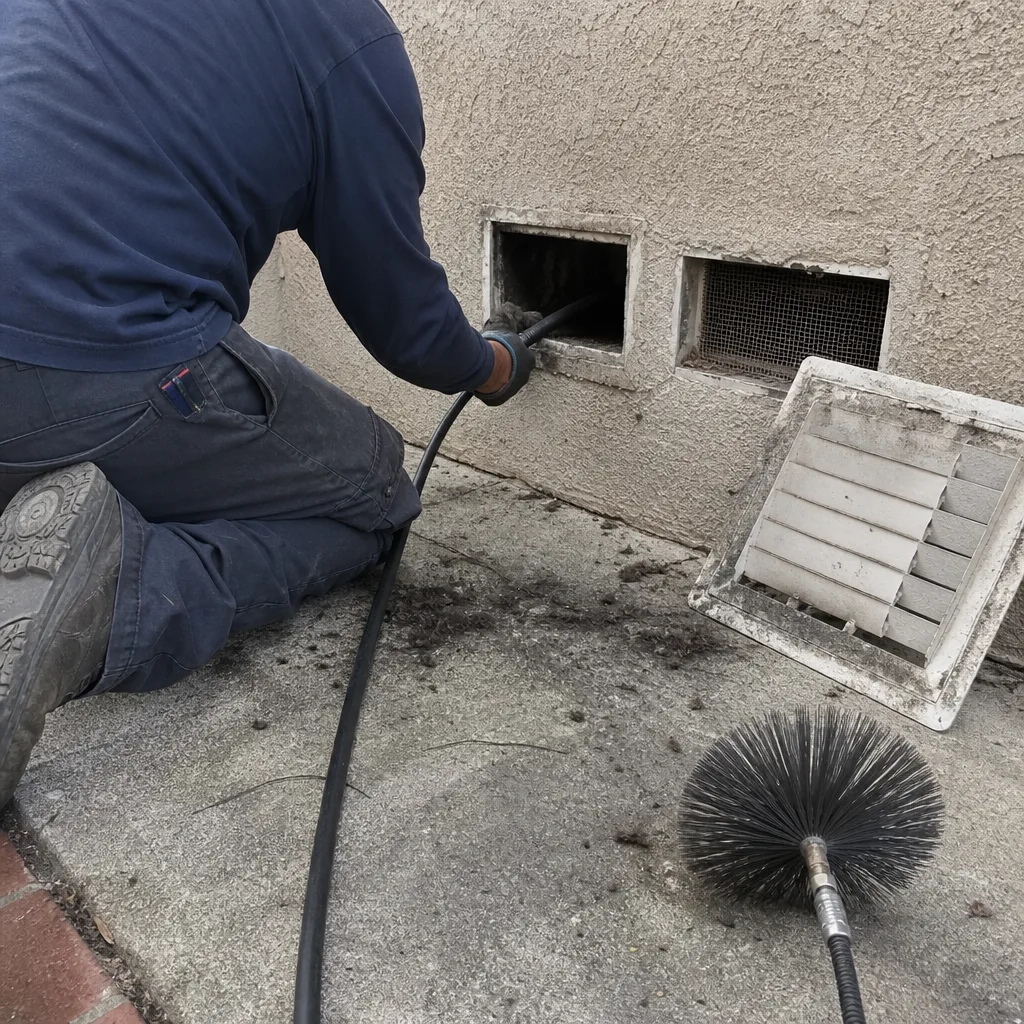 Before
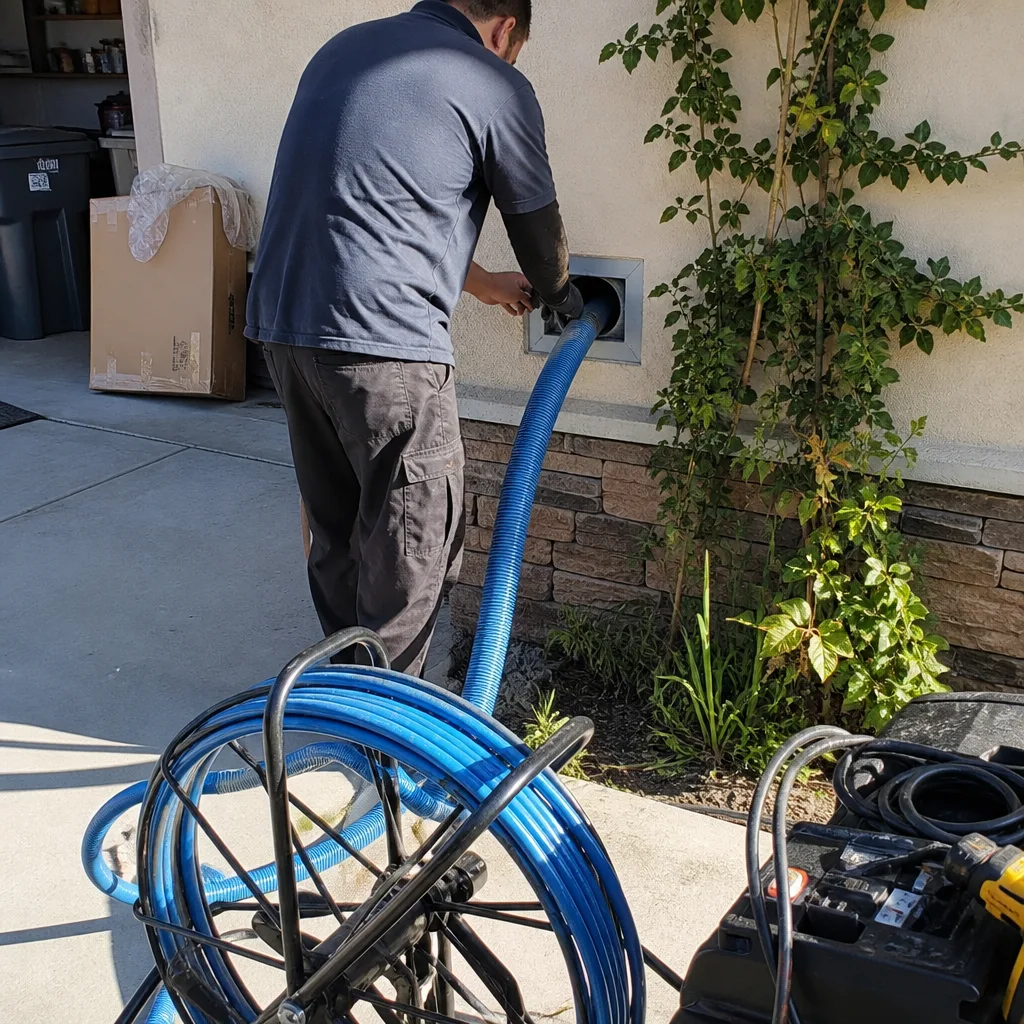 After
After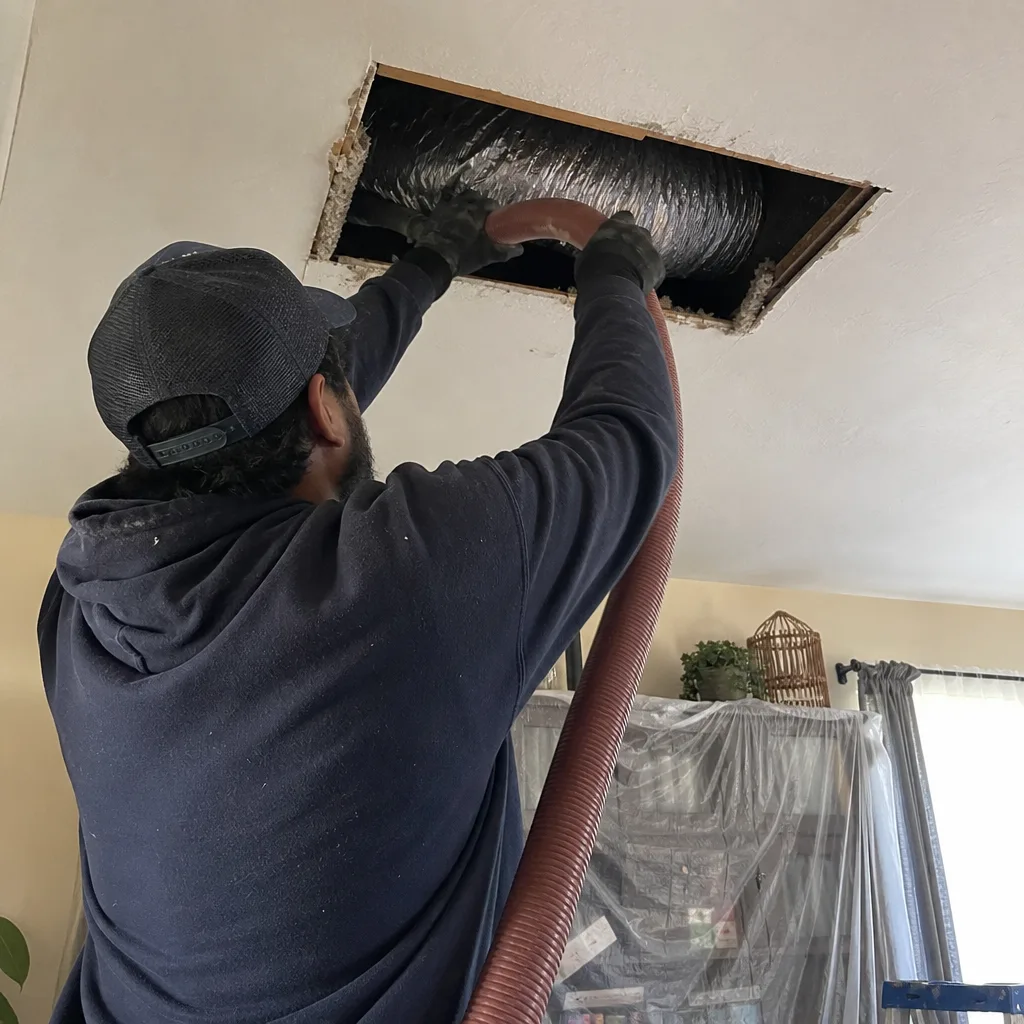 Before
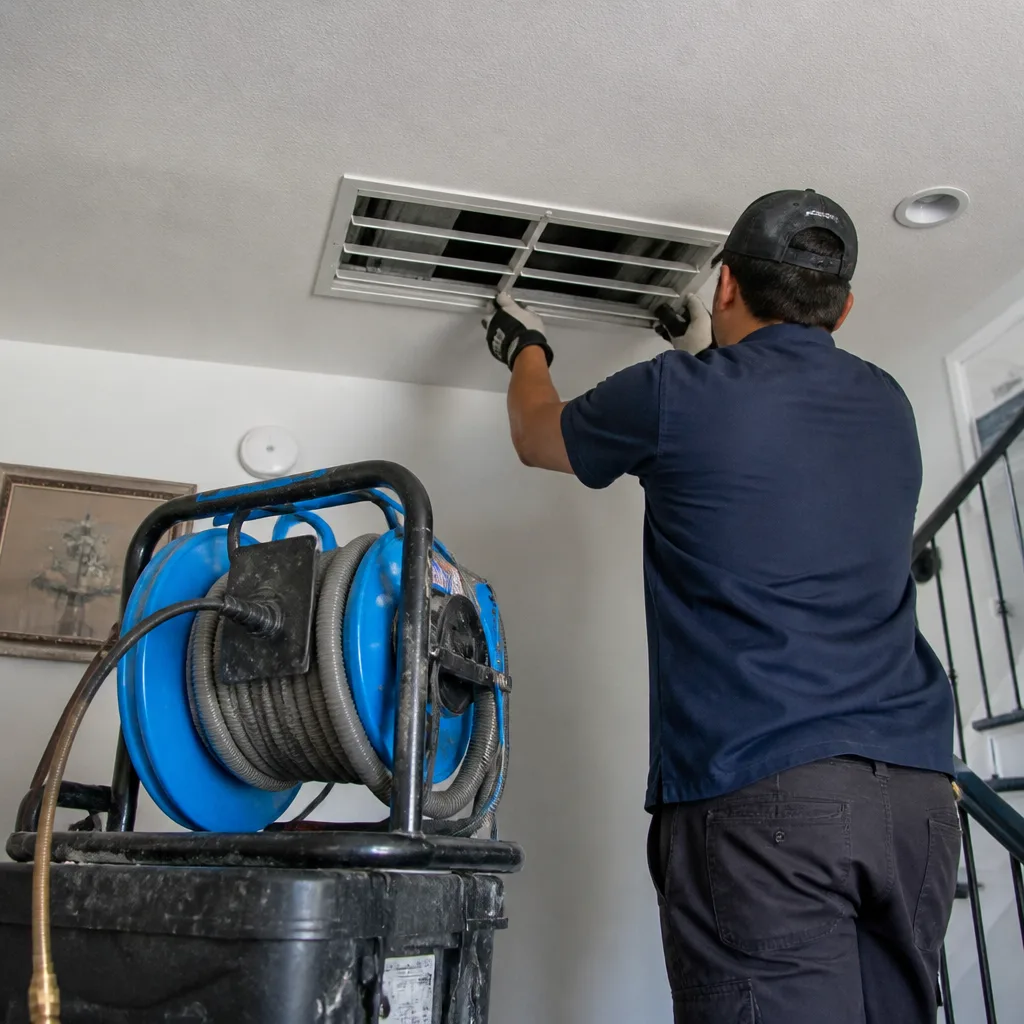 After
After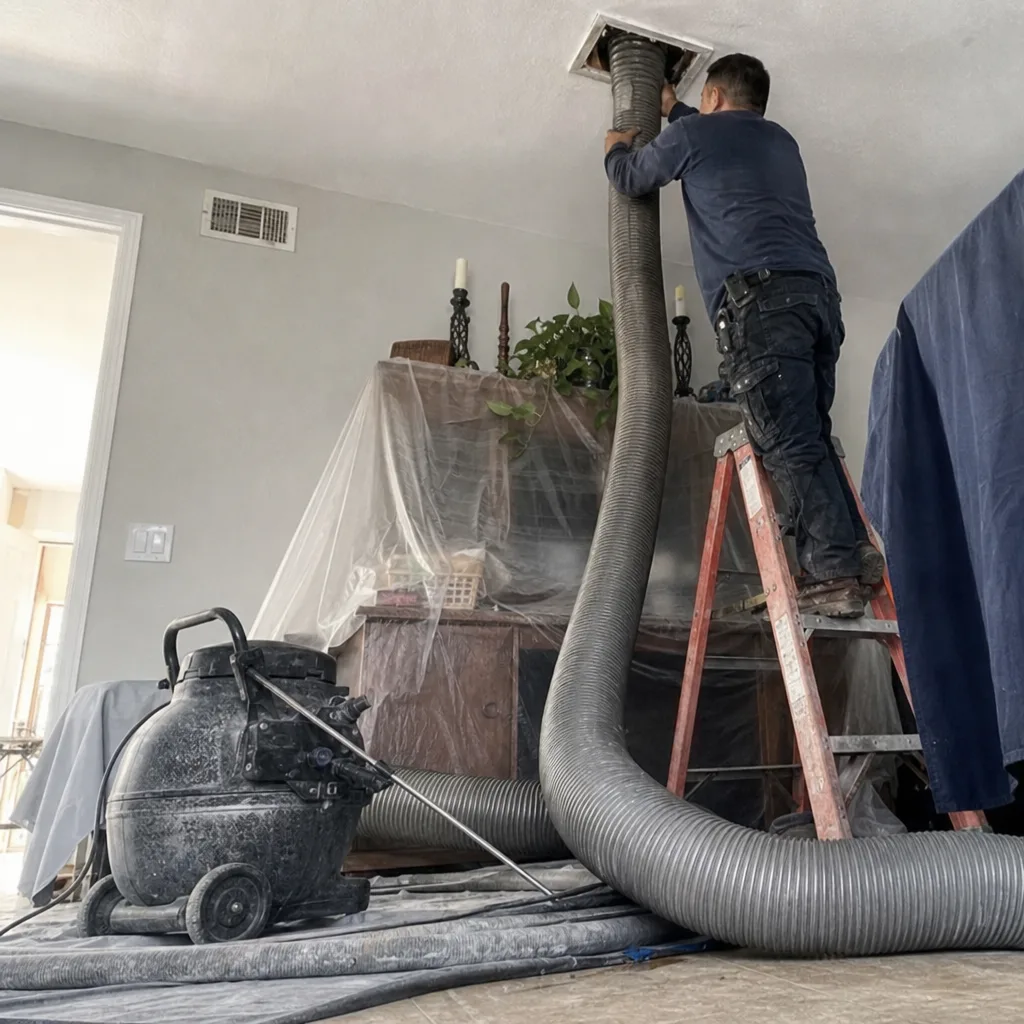 Before
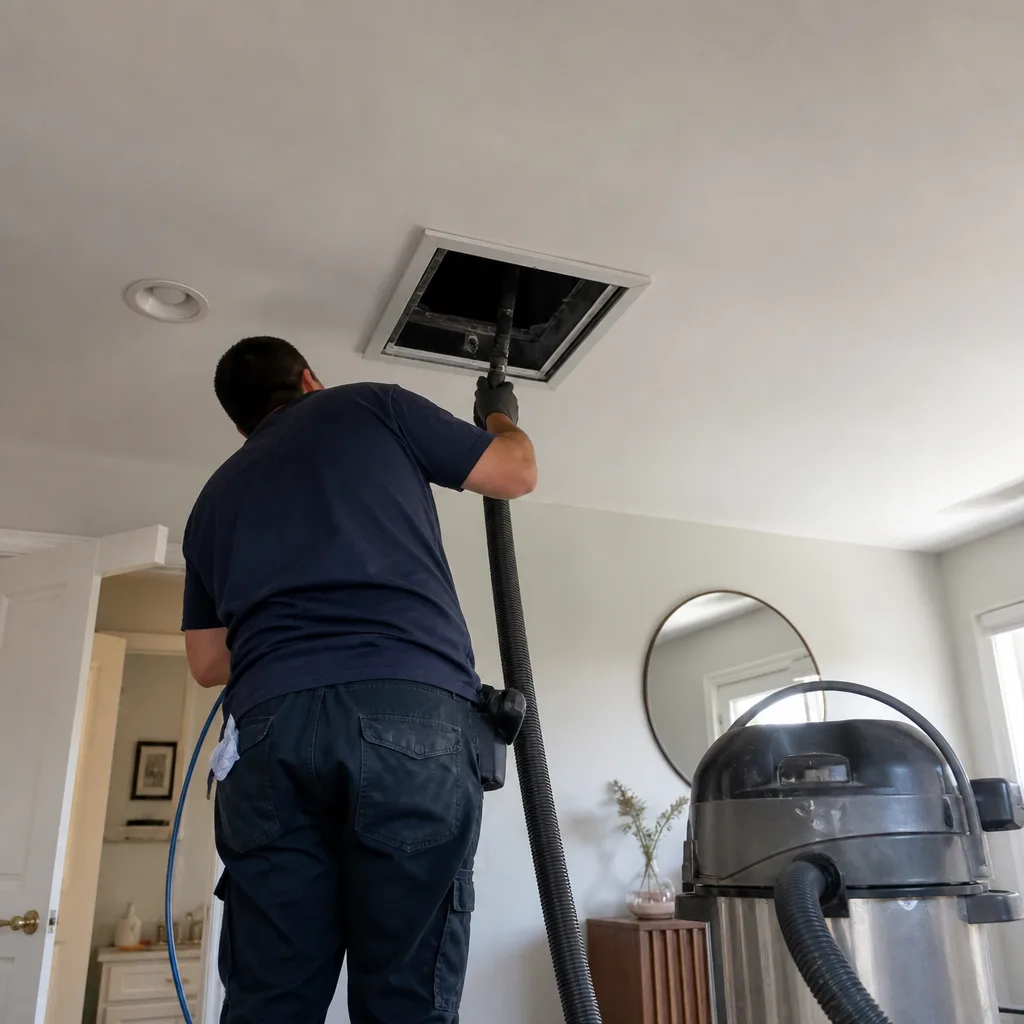 After
AfterTrane Air Duct Cleaning in Austin, CA | Morton’s Air Duct Cleaning
We’re an independent air duct cleaning company serving Austin, and we’ve spent years working inside attics where Trane systems run hard against Mountain Cedar pollen and 150-degree summers. The short version: we clean and repair the ductwork attached to Trane air handlers and furnaces across Austin, from Allandale ranches to new tract builds, and we quote a written price before anything gets touched. Call (323) 918-4345 for a free estimate.
Why Austin Residents Choose Us for Trane Service
Most duct cleaning crews in Austin know how to run a vacuum. Fewer know what happens to a Trane XR14 flex run after five summers in an attic that hits 155°F, or why Cedar Fever season leaves a specific film on the blower wheel of an XV variable-speed unit. We do, because Paul Adeyemi, our owner, learned ventilation mechanics hands-on at Los Angeles Trade-Technical College and has spent two decades working inside walls and ceilings across the region. His team treats every Trane system in Austin like they’d want their own treated: with the right parts, the right tools, and a clear explanation before we start.
We’re independent. No manufacturer authorization, no partnership, no dealership badge. That matters because it means our recommendations about your ducts are based on what’s actually happening in your attic, not on protecting a warranty relationship. When a Trane-specific component fails, we’ll tell you OEM is the right call. When aftermarket flex duct and mastic do the job just as well for less, we’ll tell you that too.
Common Trane Air Duct Cleaning Problems We Solve in Austin
Here’s what we actually see when we pull back the insulation in Austin attics. These aren’t textbook problems; they’re what the climate and housing stock do to Trane equipment here specifically.
- Flex duct inner liner collapse on Trane attic installations. Austin attics routinely hit 150-160°F in summer, and that heat bakes the inner liner of flex duct until it separates and sags. We see this constantly in north Austin tract subdivisions built in the 1990s and 2000s where every Trane air handler sits in an unconditioned attic. The result is restricted airflow and particulate bypass that no filter can catch.
- Condensate issues caused by leaky return ducts. Trane air handlers in Austin pull return air from attics and wall cavities, not basements. When return flex runs are unsealed or patched badly, they pull in Mountain Cedar pollen and attic dust during the December-February season, and that debris ends up on the evaporator coil and in the drain pan. Clogged coils and standing water in the pan follow.
- Blower wheel imbalance from fine pollen accumulation. Cedar pollen is microscopic and sticky. On Trane variable-speed blowers, repeated exposure builds a film on the motor and wheel that throws the balance off. You’ll hear it as a faint hum that gets worse at certain speeds, and the amp draw on the motor climbs. Cleaning the wheel and housing directly addresses this.
- Unsealed plenum and trunk connections in older homes. In central Austin neighborhoods like Hyde Park and Travis Heights, original sheet-metal trunks from the 1950s and 60s are often spliced with flex runs added by three different previous homeowners. The junction points rarely got sealed properly. Austin’s summer heat makes that worse as the metal expands and pulls away from the mastic, so attic air that’s 140°F and full of insulation fibers gets pulled straight into the system.
- Collapsed elbows buried under blown-in insulation. Austin homes have essentially no basements, so every repair and upgrade happened in the attic. We regularly find flex duct elbows that were crushed when someone crawled through to run a cable or add insulation, and the homeowner never knew. Trane systems will still run, but they’re working against a blockage while pushing conditioned air into a hot attic.
Trane Service in Austin: What Local Conditions Mean for Your Equipment
Here’s the thing about Austin that doesn’t apply in Dallas or San Antonio. Austin sits at the epicenter of the Mountain Cedar belt along the Balcones Escarpment, and every December through February the airborne pollen counts here are among the highest recorded anywhere in the United States. Trane systems in Austin run nearly year-round: heat in the winter, cooling from March through October. That means the return ducts are actively pulling Cedar Fever pollen into the system all winter long, recirculating it through the air handler, and coating the blower, the coil, and the duct interiors with a fine layer that accumulates season after season. In a neighboring city outside the Ashe juniper belt, post-winter Air Duct Cleaning - Austin is optional. Here, it’s a specific, recurring need tied directly to the local ecology. A Trane system in Crestview isn’t just fighting heat; it’s fighting an annual pollen load that most of the state never experiences.
Trane Models & Products We Service in Austin
We work on the full range of Trane residential equipment found in Austin homes. That includes the XR series (XR13, XR14, XR16) air conditioners and heat pumps, the XB series (XB13, XB14) entry-level units, XV variable-speed systems (XV18, XV20i), and Trane communicating furnaces and air handlers. Our focus is on the ductwork, plenum, air handler interior, and blower assembly rather than the refrigerant circuit. For duct sealing, flex repair, and mastic applications we use OEM-equivalent or better-quality aftermarket parts. When a Trane-specific component like a blower motor or control board is involved, we recommend OEM to preserve system performance. We’ll always give you an honest repair-vs-replace read: if your Trane equipment is near end of life, we’ll say so rather than selling you a duct cleaning that won’t solve the airflow problem.
This is also worth knowing: we’re the crew that handles Trane sales & service work with the same care whether the unit is two years old or twenty.
Trane Service Pricing in Austin
Air duct cleaning for a Trane system in Austin typically runs $425-$675 for a full system, depending on home size, number of returns, and whether we’re also cleaning the air handler and blower assembly. Flex duct repair adds $150-$400 per affected run depending on length and accessibility. Air handler cleaning on its own is $180-$320. The variables are square footage, duct configuration, and how much damage the attic heat has done to accessible flex runs.
Every estimate includes a written line-item price before we start, photo documentation of what we find and what we clean, and a call to walk you through options if we uncover something beyond the original scope. If you want an exact number for your Austin home, call (323) 918-4345 and we’ll schedule a walkthrough.
Serving Austin, TX - Our Local Coverage Area
We’re based in the Austin area and know this community well. Use the map below to see our service coverage - if you’re nearby, we can almost certainly help.
FAQs - Trane Air Duct Cleaning in Austin
Mountain Cedar pollen from the Ashe juniper belt peaks December through February, and because Trane systems in Austin run nearly year-round, that fine pollen gets pulled into return ducts and recirculated through the air handler, coating the blower wheel, evaporator coil, and duct interiors. After a heavy Cedar season, a cleaning in late winter or early spring removes the accumulation before the cooling season starts. Call (323) 918-4345 to schedule a post-season cleaning; estimates are free.
Summer attic temperatures here routinely hit 150-160°F, which bakes the inner liner of flex duct until it deteriorates and separates - a key reason Austin Dryer Vent Cleaning matters for overall system safety. Cities with basements or conditioned duct runs don’t see this failure at the same rate. In Austin, virtually every duct run lives in an unconditioned attic, so heat-driven degradation is the norm, not the exception.
In most cases, yes. We access the coil through the air handler cabinet and use HEPA-filtered vacuum extraction with soft brushes designed for coil fins. If the coil is heavily matted from years of Cedar pollen and attic dust, we’ll show you photos and discuss whether removal is the better option before proceeding.
For duct sealing, flex repair, and mastic applications we use OEM-equivalent or better-quality aftermarket parts because the performance is comparable and the cost is lower. When a Trane-specific component like a blower motor or control board is the problem, we recommend OEM to preserve system performance and warranty coverage where applicable.
In Austin, we recommend a full system cleaning every 2-3 years for homes with pets or allergy-sensitive family members, and at minimum a post-Cedar Fever season inspection each spring. Homes with older patched ductwork in neighborhoods like Allandale or Hyde Park may need attention sooner because unsealed junctions pull in more attic debris. Call (323) 918-4345 and we’ll help you set a schedule based on your specific system.
Service Areas Near Austin
We serve Austin and the surrounding communities across the greater Austin metro. Many of our clients also come from Austin service area neighborhoods like Pflugerville, Round Rock, Cedar Park, and Georgetown. If you’re outside Austin proper but still within driving range, we’ll come out, just call to check. Our team also handles Trane service in San Jose for clients with properties elsewhere, and Trane service in Columbus for those with family out of state.
Book Your Trane Service in Austin Today
Call (323) 918-4345 and our live team will answer. Tell us what’s going on with your system and we’ll schedule a walkthrough at your Austin home, write the price down, and start only when you’ve seen it.
Written by Paul Adeyemi, Owner at Morton’s Air Duct Cleaning, serving Austin since 2005.