
Last updated October 8, 2026
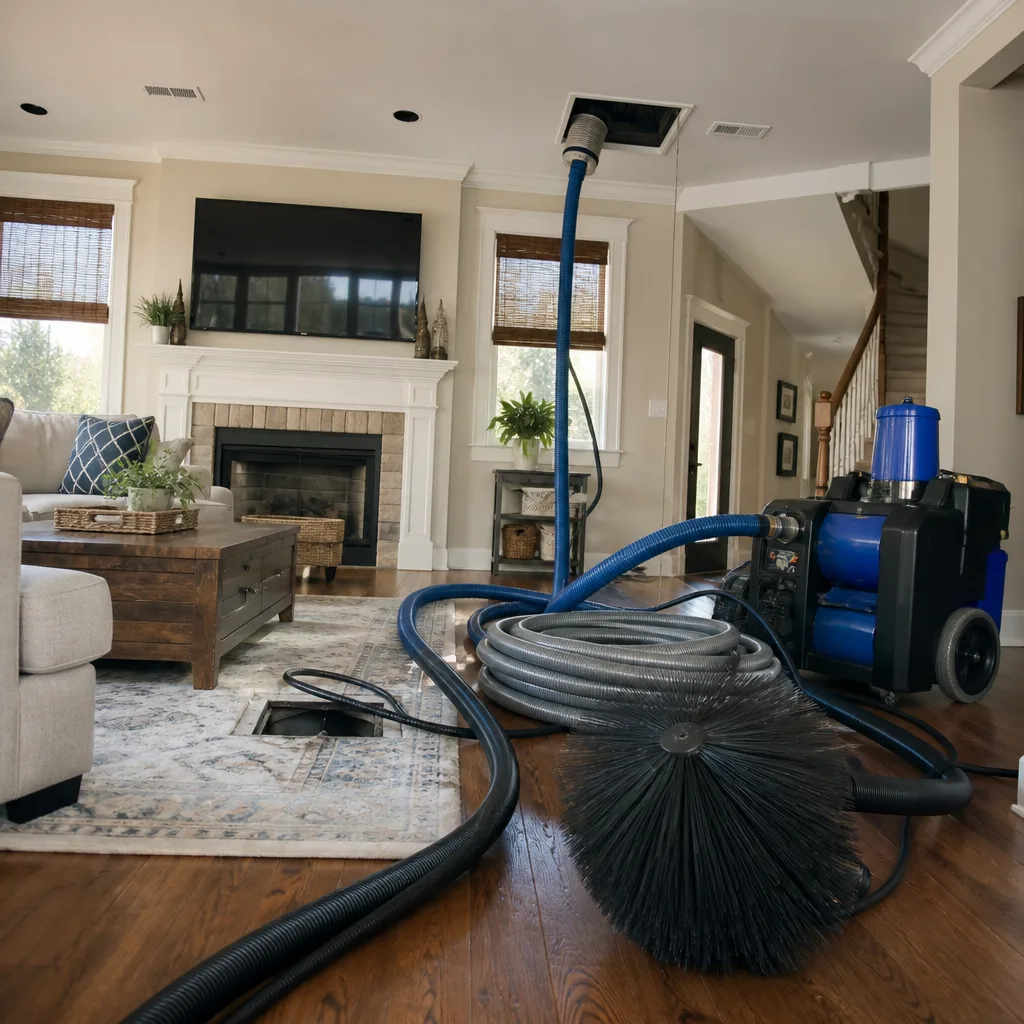
Whole-system duct and dryer vent check with before-and-after photos - you see exactly what came out of your vents
That "$99 whole-house special" is a bait ad - the real number appears once they are in your hallway, or the "clean" is a shop-vac at the register. We photograph the inside of your ducts before and after instead.
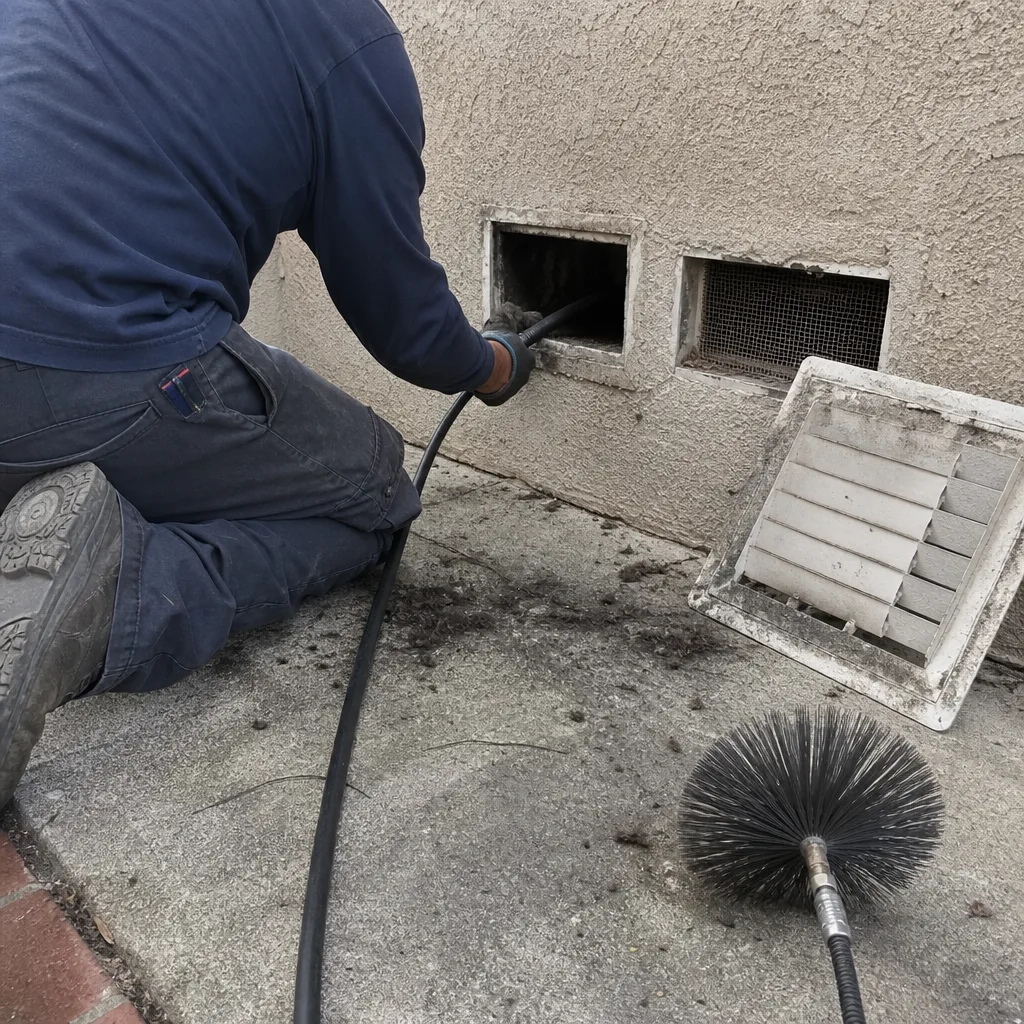 Before
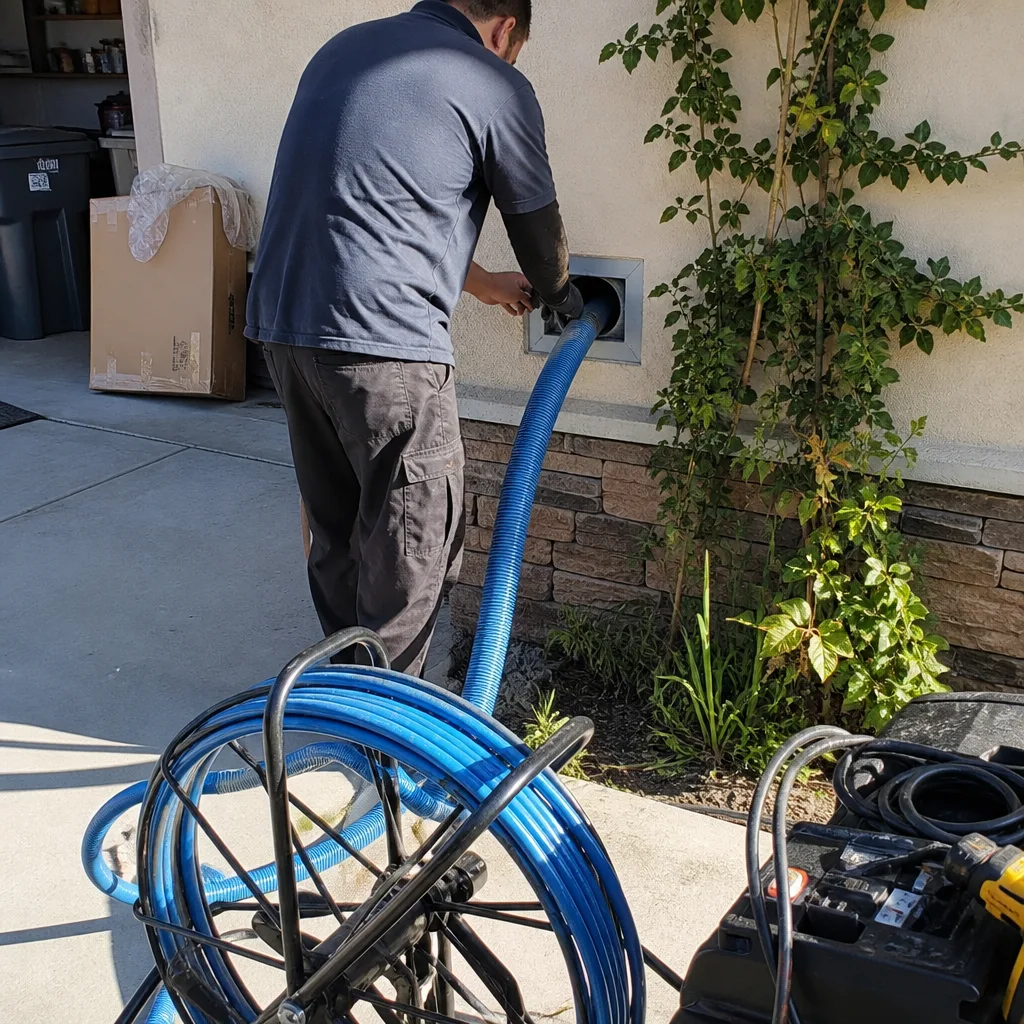 After
After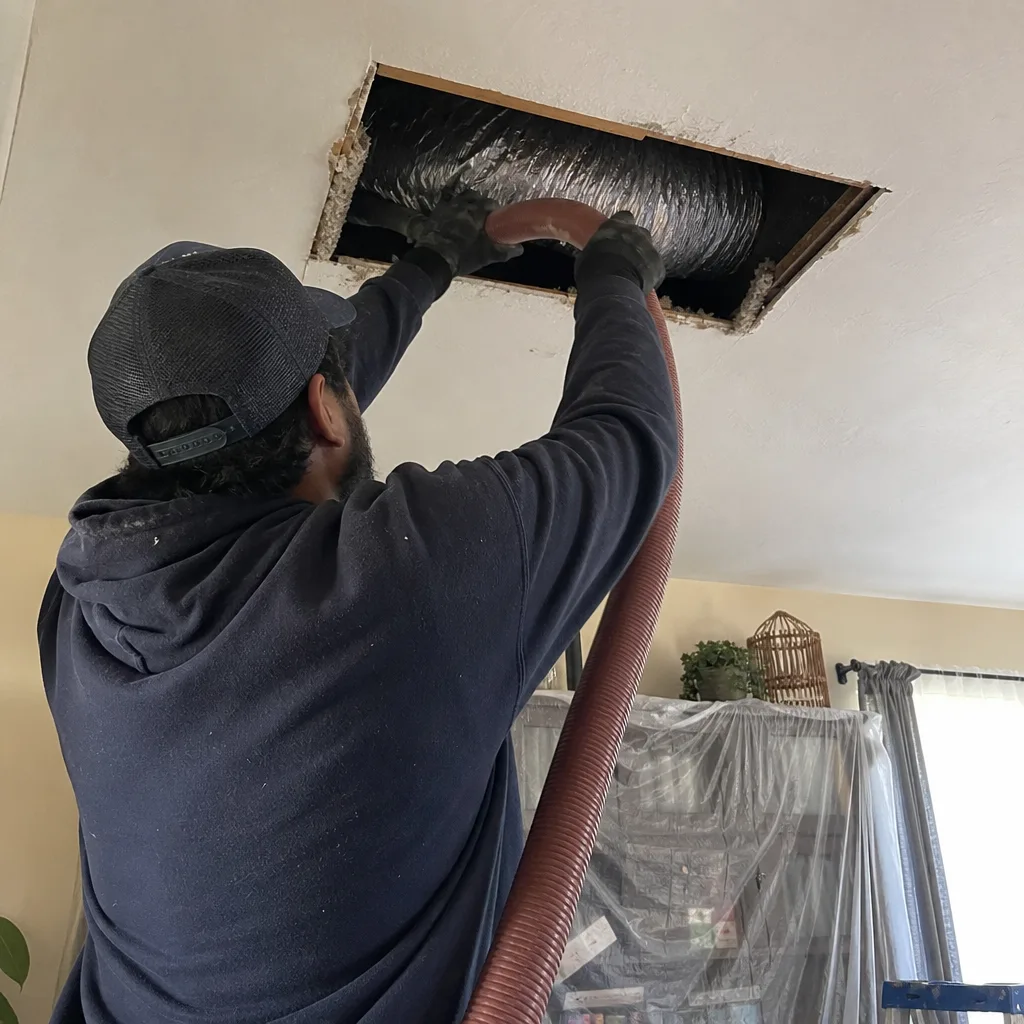 Before
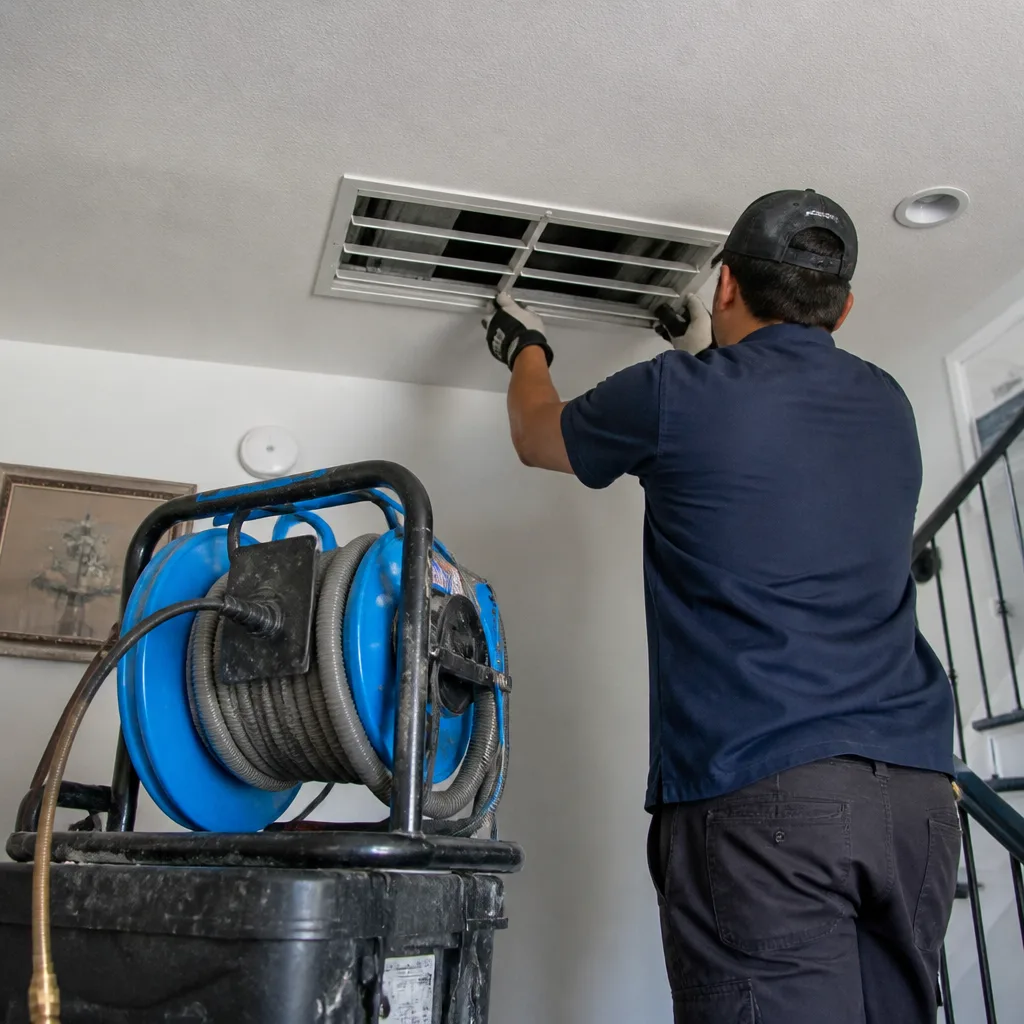 After
After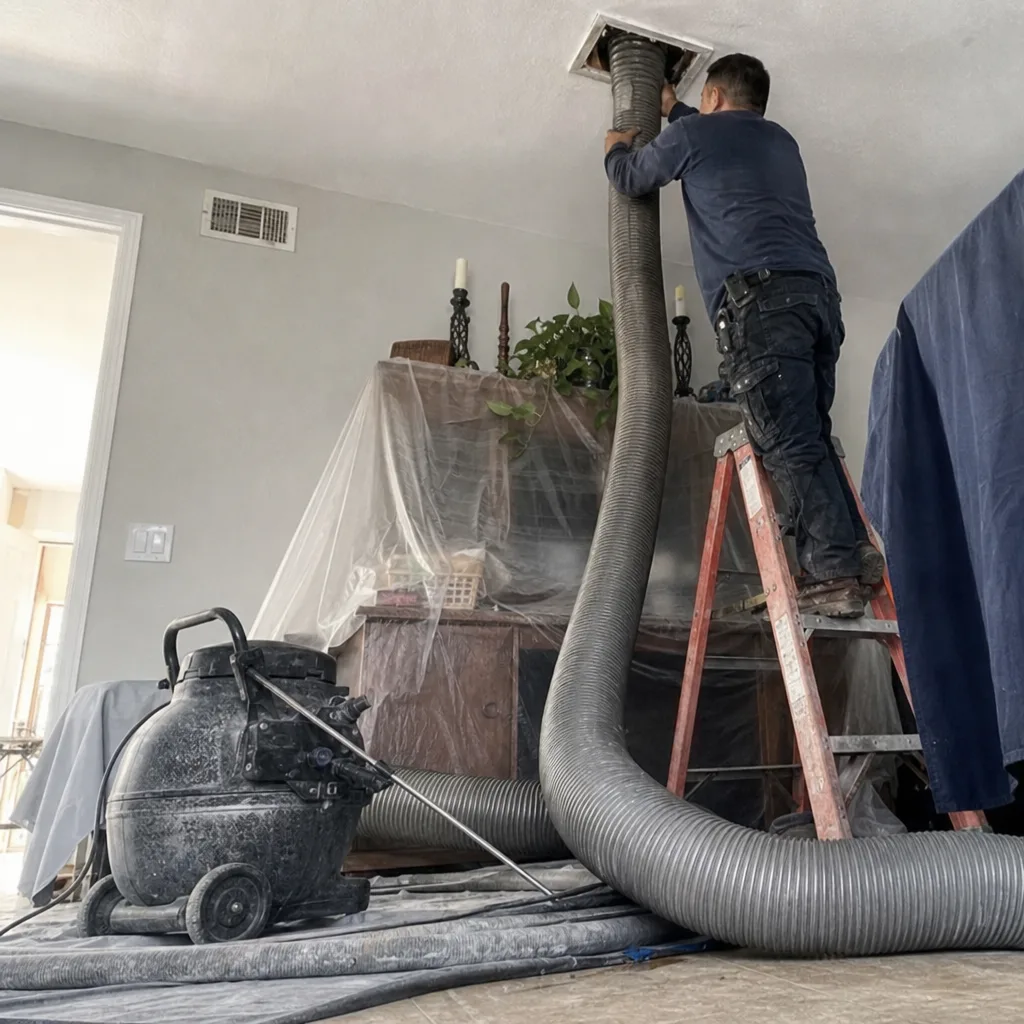 Before
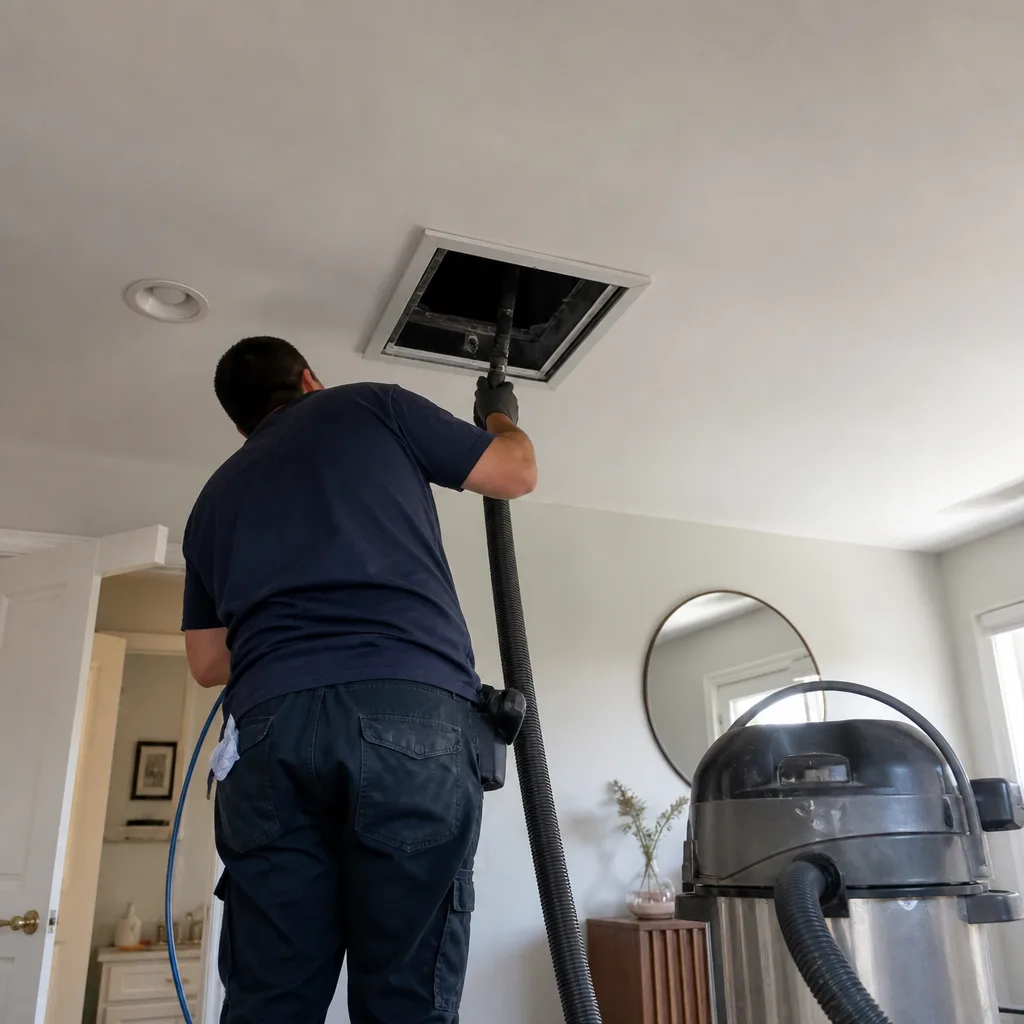 After
AfterAir Duct Cleaning Maintenance Checklist for Los Angeles Homeowners
A standard 1-inch pleated filter in a Los Angeles home during Santa Ana season can reach its rated capacity in under three weeks. At that point, dirty air bypasses the filter entirely and heads straight into your duct system, coating the interior surfaces with a fine layer of everything the wind carried in. This guide walks you through a maintenance checklist that actually matches how Los Angeles homes behave across the year, not a generic list that treats every house and every month the same. You’ll learn what to check each season, how pets change the math, when filters really need swapping, and how to document your ducts before you ever pick up the phone to hire someone.
Quick Answer
The core monthly air duct maintenance routine for Los Angeles homeowners comes down to five things: check and replace your HVAC filter based on pet count and freeway proximity, inspect return vents for dust and pet hair buildup every 30 days, clear supply registers of visible debris, watch for moisture or musty odors near the air handler, and keep exterior intake areas clear of leaves and wildfire ash. Beyond monthly checks, schedule professional Air Duct Cleaning every 3 to 5 years, or sooner if you have multiple pets or live within a mile of a major freeway corridor like the 405, 101, or 10.
Table of Contents
- A Seasonal Maintenance Calendar Built for Los Angeles
- Pet-Specific Checkpoints Los Angeles Homeowners Miss
- Filter Change Intervals by Home Size, Pet Count, and Freeway Proximity
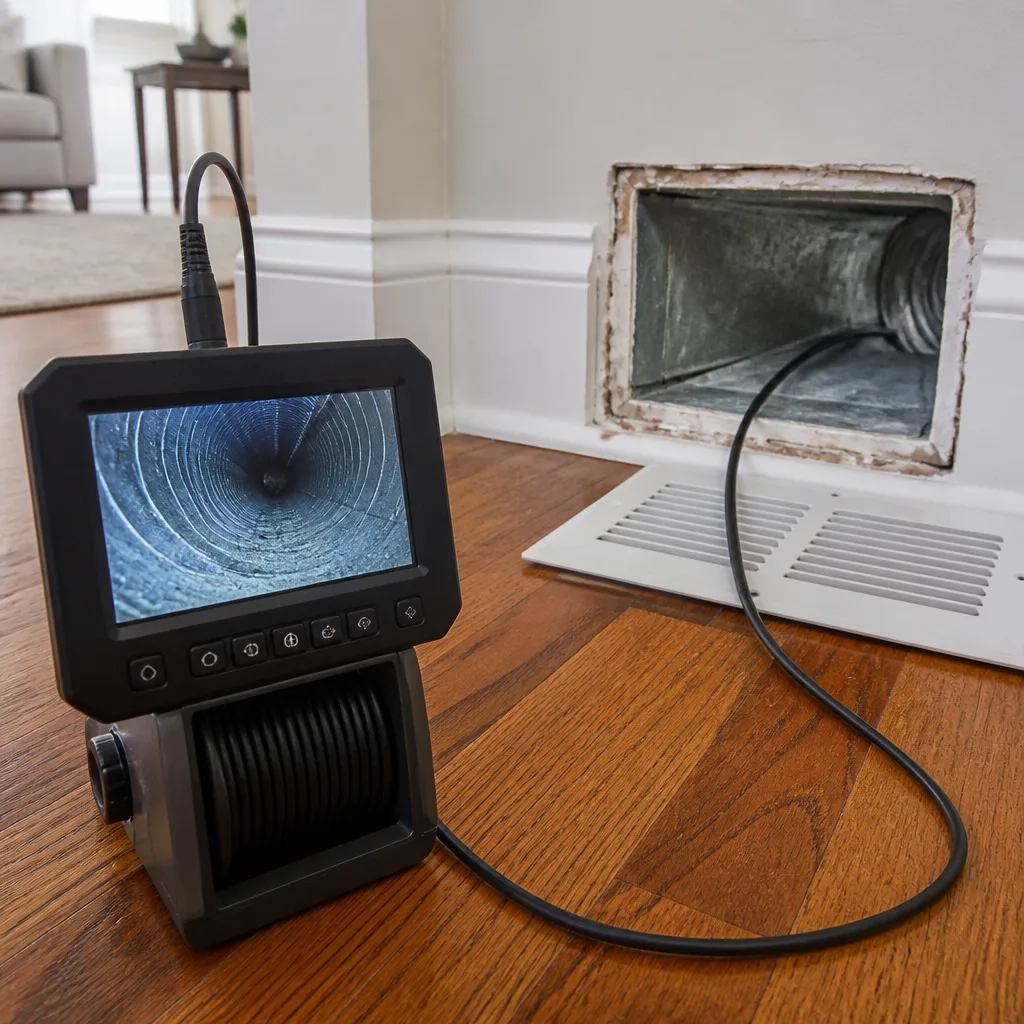
- How to Document Your Ducts with a Phone Camera
- The Three Components Almost Everyone Skips
- DIY Duct Checks You Can Do Safely This Weekend
- Common Mistakes to Avoid
- When to Call a Professional
- Frequently Asked Questions
- The Bottom Line
A Seasonal Maintenance Calendar Built for Los Angeles
Most duct maintenance checklists you’ll find online were written for houses in Ohio or Georgia. They assume you have a furnace season, a pollen season, and a long winter shutdown. Los Angeles doesn’t work that way. Our air system runs year-round, but the kind of debris it pulls in changes dramatically from month to month. A checklist that treats every month as identical misses what actually happens inside an LA home.
Here’s what a year of duct maintenance actually looks like in Los Angeles, organized around the conditions that change what lands inside your ducts:
- January to March (rainy season): Check for moisture around return vents and the air handler cabinet. LA homes built before 1980 often have duct joints that shift with soil movement after heavy rain, and even a small gap lets humid air condense inside metal ducts. If any vent smells musty after a week of rain, mark it and watch it.
- April to June (marine layer season): Coastal neighborhoods from Santa Monica to Palos Verdes see weeks of damp, gray mornings. That moisture collects on duct interiors, especially in crawlspaces and attics with poor ventilation. Check bathroom exhaust ducts during this window because they pull the most humid air. Run your HVAC fan for 15 minutes on dry afternoons to help interior duct surfaces shed retained moisture.
- July to September (summer heat peaks): Your system runs longest during these months, pulling the highest volume of air through the filter. Replace filters at the shortest interval of the year during July and August. Also check the condensate drain line near the air handler monthly. A clogged drain backs up into the cabinet and introduces moisture directly into the system.
- October to December (Santa Ana wind and wildfire smoke season): This is the hardest stretch on LA ducts. Santa Ana winds carry fine dust, ash, and particulate matter from the high desert directly into residential neighborhoods. Wildfire smoke advisories push PM2.5 levels up across the basin. During active wind events, check your filter weekly. After a smoke advisory lifts, inspect the filter and all visible vent openings. If you can write your finger through the dust on a supply register, the ducts behind it are collecting the same material.
Our team at Morton’s Air Duct Cleaning home has walked into Los Angeles homes after Santa Ana events where the filter was completely gray after ten days. That’s not owner negligence. That’s what the wind puts in the air. The maintenance answer is a shorter filter interval during those months, plus a visual check of every register once the winds calm.
Pet-Specific Checkpoints Los Angeles Homeowners Miss
Los Angeles has one of the highest rates of pet ownership in the country, and our mild weather means dogs are in and out of the house all year. A home with two active dogs in Sherman Oaks or Eagle Rock pulls far more dander, fur, and tracked-in dust through the return vents than a pet-free home in the same neighborhood. The standard monthly checklist needs pet-specific additions, because pet hair doesn’t just sit on the filter. It migrates into the duct system and mats against the interior walls.
Here’s what to check in a Los Angeles home with pets:
- Return vent grilles every two weeks: Return vents are where air gets pulled into the system, so they act like a magnet for floating pet hair. A visible ring of fur around the grille edge means hair is also getting past and into the duct interior. Vacuum the grille face each time you run your regular floor vacuum.
- Visible duct sections near the air handler: In many LA homes, the first few feet of ductwork near the indoor unit are exposed. Shine a flashlight inside through an access point if one exists. Early signs of matting look like gray felt patches on the duct walls, not loose hair. Once hair mats, it traps dust and creates a surface that’s much harder to clean than loose debris.
- Filter face each week during shedding season: LA doesn’t have a true winter, so many short-haired breeds shed lightly all year. Long-haired breeds tend to blow coat twice a year, and those cycles don’t always align with the seasons. If the filter face looks like a lint trap after seven days, you’re on a weekly swap schedule until the shed passes.
- Air handler cabinet interior every 60 days: The blower fan and the cabinet around it collect a surprising amount of pet fur even when filters are changed regularly. If you’re comfortable removing the cabinet door (power off at the breaker first), a quick visual check tells you whether fur is accumulating on the blower housing. If the blower looks like it’s wearing a fur coat, professional cleaning is overdue.
We’ve cleaned ducts in Los Angeles homes where the owners were diligent about filters and still found significant fur accumulation because hair bypasses filters at the return duct joints. The joints in older duct systems often have small gaps that let unfiltered air, and everything floating in it, get pulled directly into the airflow. Regular filter changes help, but they’re not a complete solution when the duct system itself has openings.
Filter Change Intervals by Home Size, Pet Count, and Freeway Proximity
The standard advice is “change your filter every 90 days.” For a Los Angeles home, that’s wrong often enough to matter. Filter life depends on air volume, which depends on home size. It depends on particulate load, which depends on pets and freeway proximity. And it depends on the season, as the calendar section above explains. Here’s a practical Air Duct Cleaning Maintenance Schedule: What to Do and When, calibrated to actual conditions in the Los Angeles basin.
Before the schedule, one note on filter type: we recommend a minimum MERV 8 pleated filter for most LA homes. Higher MERV ratings catch smaller particles but also restrict airflow if your system wasn’t designed for them. A MERV 11 or 13 filter in an older system can strain the blower motor. If you’re unsure, stick with MERV 8 and change it more often rather than going higher and changing it less.
Filter Change Schedule for Los Angeles
- Home under 1,500 sq ft, no pets, more than 2 miles from a freeway: Every 60 to 90 days. This is the closest to the national default, but still not 90 days flat. Santa Ana season pushes you to the 60-day end.
- Home under 1,500 sq ft, 1 pet, more than 2 miles from a freeway: Every 45 to 60 days. Pet dander is smaller than hair and loads filters faster than most owners expect.
- Home 1,500 to 2,500 sq ft, no pets, within 1 mile of the 405, 101, or 10: Every 30 to 45 days. Vehicle PM2.5 near major LA freeway corridors is consistently higher than background levels, and that fine particulate cakes filters quickly.
- Home 1,500 to 2,500 sq ft, 1 to 2 pets, any freeway proximity: Every 30 days during Santa Ana season, every 45 to 60 days the rest of the year. This is the most common LA home profile we see.
- Home over 2,500 sq ft, 2 or more pets, within 1 mile of a freeway: Check weekly during Santa Ana events and wildfire smoke advisories. Replace every 2 to 3 weeks during those months, and every 30 days otherwise. Larger homes move more air, which means more particles passing through the filter per day.
- Any home with 3 or more pets: Replace every 30 days regardless of size or location. At this pet count, filter loading is dominated by dander and fur, not outdoor particulate.
One practical habit that makes this easy: write the install date on the filter frame with a permanent marker every time you replace it. When you pull a filter and can’t remember when it went in, you’ll know exactly how long it lasted, and you can adjust your schedule based on what you see rather than what a generic chart says.
How to Document Your Ducts with a Phone Camera
Before you hire any contractor to clean your air ducts in Los Angeles, you should have a visual baseline. This matters for one specific reason: duct cleaning is an industry where the work happens where you can’t see it. A contractor can show you a photo of clean ducts taken from a different house, or from before the job. If you have your own before photos, you can compare honestly. Here’s how to document your duct system in about fifteen minutes.
Step-by-Step Documentation Process
- Turn off the HVAC system at the thermostat. You want still air so dust isn’t blowing around while you photograph.
- Remove one supply register in a bedroom and one in a hallway. Use a screwdriver if they’re screwed in, which most LA homes have. Set the screws aside carefully.
- Point your phone camera into the duct opening at a slight angle and take 3 to 4 photos per register. Use the flash even during daytime. The flash reveals dust layers that ambient light hides.
- Repeat at one return vent. The return side usually shows more accumulation because it pulls unfiltered air from the room.
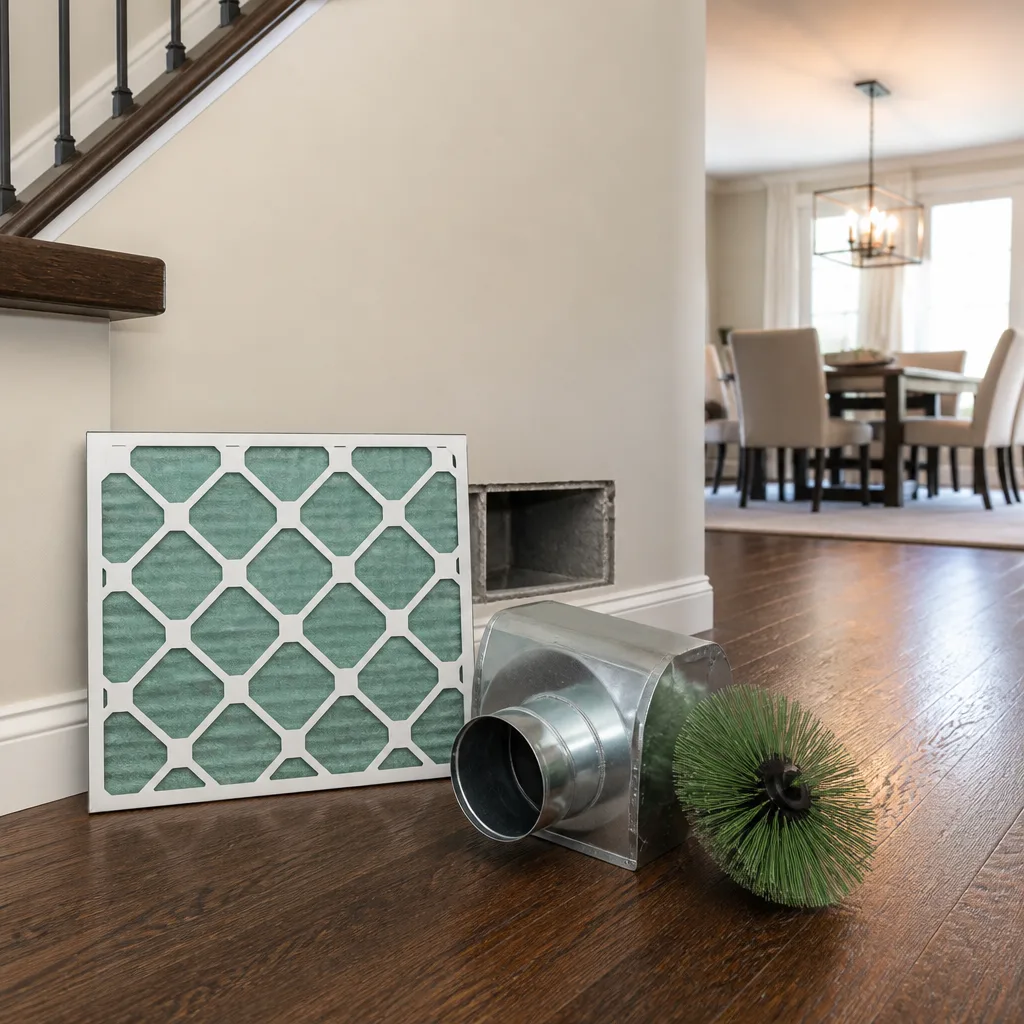
- Photograph the filter itself before swapping it. This documents the particulate load your system was running with.
- Photograph the air handler cabinet exterior and any visible duct connections. Look for gaps, sagging duct sections, or disconnected joints.
- Save the photos in a folder titled with the date. When you compare post-cleaning photos from the contractor, you’re comparing the same locations, not marketing shots.
If you later hire a company for air duct cleaning in Los Angeles, a reputable firm will provide you with before and after photos of the actual work. Your own baseline photos let you verify what you’re shown. They also help you track whether dust accumulation is getting worse from year to year, which can point to a specific problem like a return duct leak you wouldn’t otherwise notice until it caused a bigger issue.
The Three Components Almost Everyone Skips
Homeowners in Los Angeles tend to think of air duct cleaning as one thing: the big metal trunks and branches that carry heated and cooled air. But the air system in a home includes several other pathways that almost nobody maintains, and neglecting them undercuts the benefit of cleaning the main ducts. Here are the three components we see skipped most often in Los Angeles homes.
1. The Dryer Vent
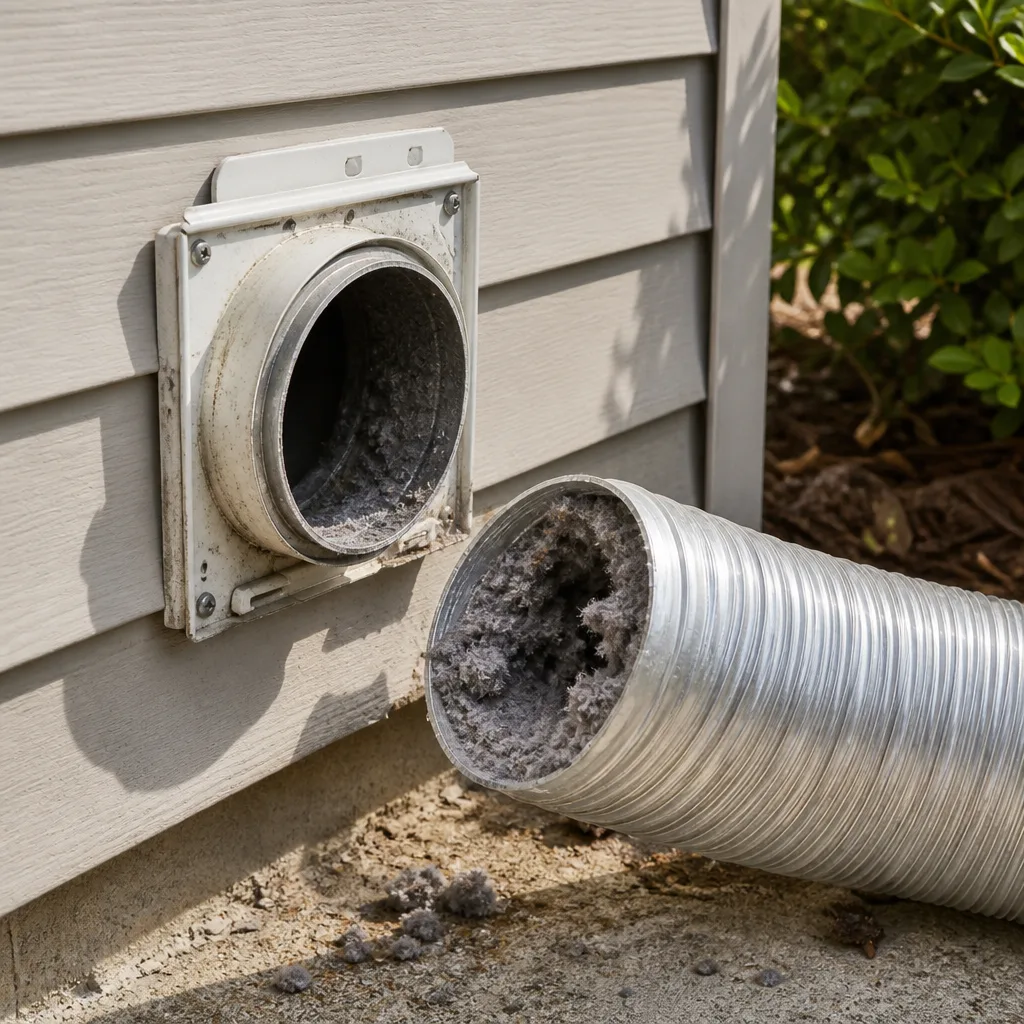
Technically separate from the HVAC ducts, but behaviorally part of the same air hygiene picture. A clogged dryer vent forces your dryer to work harder, which means longer dry times and higher energy use. In Los Angeles, our mild climate means many dryers are located in garages or interior closets with long vent runs to the exterior. A 20-foot vent run with three elbows collects lint far faster than a short direct run on an exterior wall. The U.S. Fire Administration recommends cleaning the dryer vent annually at minimum, and homes with long runs or heavy laundry use should do it twice a year. Our dryer vent cleaning in Los Angeles service includes checking the full run from the dryer to the exterior termination, because the clog is usually in the middle, not at either end.
2. Bathroom Exhaust Ducts
Bathroom fans pull humid air out of the bathroom and push it through a small duct to the exterior. Over years, that duct collects dust, hair, and sometimes mold if the air wasn’t moving fast enough. In LA’s marine layer season, bathroom exhaust ducts run while the outside air is already damp, so moisture inside the duct evaporates slowly. Check the fan grille every three months. If it has visible dust buildup or lint, the duct behind it has more. Because these ducts are small diameter and often flexible, they require gentler cleaning than metal HVAC trunks. Skipping them means your bathroom fan slowly loses airflow and your house holds more humidity after showers.
3. The Air Handler Cabinet Interior
The air handler is the large metal box that contains the blower fan and often the cooling coil. It’s usually in a closet, attic, or garage in Los Angeles homes. Even with clean ducts and fresh filters, the interior of this cabinet collects dust, pet fur, and sometimes biological growth on the coil. Homeowners almost never open this cabinet, and many don’t know it’s a separate compartment from the duct system. A professional cleaning includes the cabinet interior, the blower assembly, and the coil surface. If a contractor quotes you duct cleaning but never mentions the air handler, ask why. The ducts may look clean afterward while the blower continues to push air across a dirty coil and through a dusty cabinet.
DIY Duct Checks You Can Do Safely This Weekend
You don’t need tools beyond a screwdriver and a flashlight to complete a meaningful duct inspection. These are the checks we’d suggest any Los Angeles homeowner do before calling us, because they help you describe the problem accurately on the phone and they help you understand what the home’s air system is actually doing. None of these require opening electrical panels or touching gas lines. Everything here is accessible from the living space or the exterior.
A quick note on safety before you start: keep your hands away from the blower fan and any moving parts. Power off the system at the thermostat before removing any register or cabinet access panel. And if you have any hesitation about opening the air handler cabinet, leave that piece to a trained technician. The rest of this section is safe for any homeowner to complete.
Weekend Inspection Checklist
- Remove two supply registers in different rooms and inspect with a flashlight. Look for gray dust accumulation, pet hair, or visible debris on the duct walls. A thin dust film is normal. Felted dust or hair means professional cleaning is warranted.
- Remove one return register and inspect. Compare what you see to the supply side. The return side is typically dirtier because it carries unfiltered air. If both look equally dirty, your filter may not be seated correctly.
- Check the filter fit while it’s out. A filter that’s loose in its slot lets air bypass around the edges. You’ll see a clean rectangle shape in the center and dust streaks around the frame edges if this is happening.
- Look at the air handler area. Check for visible dust on the cabinet exterior, water stains, or rust. Any water staining means condensate drainage issues that need attention before they lead to mold.
- Walk the visible duct runs in attics or garages. Sagging flexible duct sections trap condensation and restrict airflow. A sag between supports of more than a few inches means the section should be re-supported or replaced.
- Check exterior intake and exhaust points. Clear away leaves, dust, and any wildfire ash that’s accumulated. Make sure the openings are not blocked by stored items in garages or by vegetation growth.
After these checks, you’ll have a clear picture of whether your system needs professional attention or just a filter change. The photo documentation section above walks you through capturing what you see so you can track changes over time.
Common Mistakes to Avoid
- Using the filter size printed on the old filter without measuring. If a previous homeowner or tenant installed the wrong size, you’re repeating their mistake. Measure the filter slot itself, not the filter that came out of it.
- Upgrading to a high-MERV filter without checking system compatibility. A MERV 13 filter in a system not designed for it can increase static pressure and strain the blower motor. Older LA homes with original HVAC equipment are particularly susceptible.
- Closing supply registers in unused rooms to “save energy.” Central systems in Los Angeles homes are balanced for specific airflow. Closing registers increases pressure in the ducts and forces air through small leaks, pulling in unfiltered attic air.
- Cleaning only the visible register face and calling it done. The register grille is the tip of the iceberg. Dust you can see on the register face means dust you can’t see further inside the duct.
- Running the HVAC during Santa Ana winds with windows cracked open. That negative pressure pulls dust and ash-laden outside air through any window gap and directly into the return path. Keep windows sealed during high wind events.
- Assuming one duct cleaning solves the issue forever. Ducts get dirty again. The rate depends on your filter habits, pets, and freeway proximity. Track your filter changes and document your ducts annually so you know when the next professional cleaning is actually warranted.
- Skipping the air handler when you do schedule a cleaning. Cleaning the ducts but leaving the blower and coil dirty is like changing your car’s oil but leaving the old filter in place. The system re-contaminates quickly.
When to Call a Professional
Some duct maintenance tasks are reasonable for a homeowner. Others require equipment and access that only a professional service brings. If you’ve documented your ducts with your phone camera and found felted dust, pet hair matting, or visible debris on the duct walls, that’s beyond what a home vacuum can address. The same goes for any signs of moisture damage, mold-like growth, or a musty odor that persists after your filters are changed. If you’ve lived in your Los Angeles home for more than five years and the ducts have never been professionally cleaned, the interior has likely accumulated enough particulate that a visual inspection will confirm it’s time. Morton’s Air Duct Cleaning offers free estimates across Los Angeles. Call (323) 918-4345 and a live person will answer, walk through what you’re seeing, and provide a written price before any work starts.
Frequently Asked Questions
For most Los Angeles homes, professional air duct cleaning every 3 to 5 years is appropriate. Homes with multiple pets, homes within a mile of the 405, 101, or 10 freeways, and homes in areas that experience repeated wildfire smoke events should lean toward the shorter end of that range. If you’ve never had the ducts cleaned and the home is more than ten years old, schedule an inspection sooner rather than later.
Pull a supply register and shine a flashlight into the duct. If you see gray dust accumulation, pet hair, or debris that looks like felt, the ducts need cleaning. If you see a light, even dust film, they’re likely fine for now. Persistent musty odors, visible dust blowing from registers when the system starts, and filters that turn gray within two weeks are all additional signals. Call (323) 918-4345 if you’re unsure and we’ll help you figure it out over the phone. Estimates are free.
Yes. Vehicle PM2.5 concentrations are measurably higher within a mile of major Los Angeles freeway corridors, and that fine particulate enters homes through doors, windows, and outdoor air intakes. Homes near freeways that run their HVAC systems regularly see filter loading up to twice as fast as homes in quieter residential pockets, and that same particulate accumulates in the duct system over time.
Not automatically. If your filter gets dirty quickly, that means the system is doing its job capturing particulate. A higher MERV rating will capture more, but it may also restrict airflow if your system wasn’t designed for it. On older Los Angeles systems, that restriction can strain the blower. The better answer is usually to change the filter more frequently at your current MERV rating, and to make sure the filter fits properly with no air bypassing around the edges.
Air duct cleaning in Los Angeles typically runs from about $350 to $700 for a standard single-system home, depending on the number of vents, the system size, and the level of contamination. Homes with multiple zones, long duct runs, or heavy pet and smoke contamination fall on the higher end. A written quote should be provided before any work starts, and any company that gives you a price over the phone without looking at the system is giving you a guess, not a quote. Call (323) 918-4345 for an exact written estimate.
No. Professional air duct cleaning is performed while the family is home. The equipment runs off your existing HVAC connections, and the process is not loud enough to require vacating the house. If you have a napping toddler or anxious pets, let the technician know and they should work around nap schedules and keep doors closed to pet areas during the job. Comfortable, normal routines continue during the visit.
The Bottom Line
A meaningful air duct maintenance routine for a Los Angeles home looks different from the generic checklists. It accounts for Santa Ana wind dust, wildfire smoke, marine layer moisture, freeway proximity, and the constant dander from beloved pets. The essentials are simple: match your filter change interval to your actual conditions rather than a national default, document your ducts with your phone so you have a baseline, check the components everyone else skips, and schedule professional cleaning when the visual evidence says it’s time. For more guides & resources, explore our blog. Los Angeles air is hard on duct systems, but a home that follows a season-aware checklist stays cleaner, smells better, and runs more efficiently all year long.
Written by Paul Adeyemi, Owner at Morton’s Air Duct Cleaning, serving Los Angeles since 2005.