
Last updated October 8, 2026
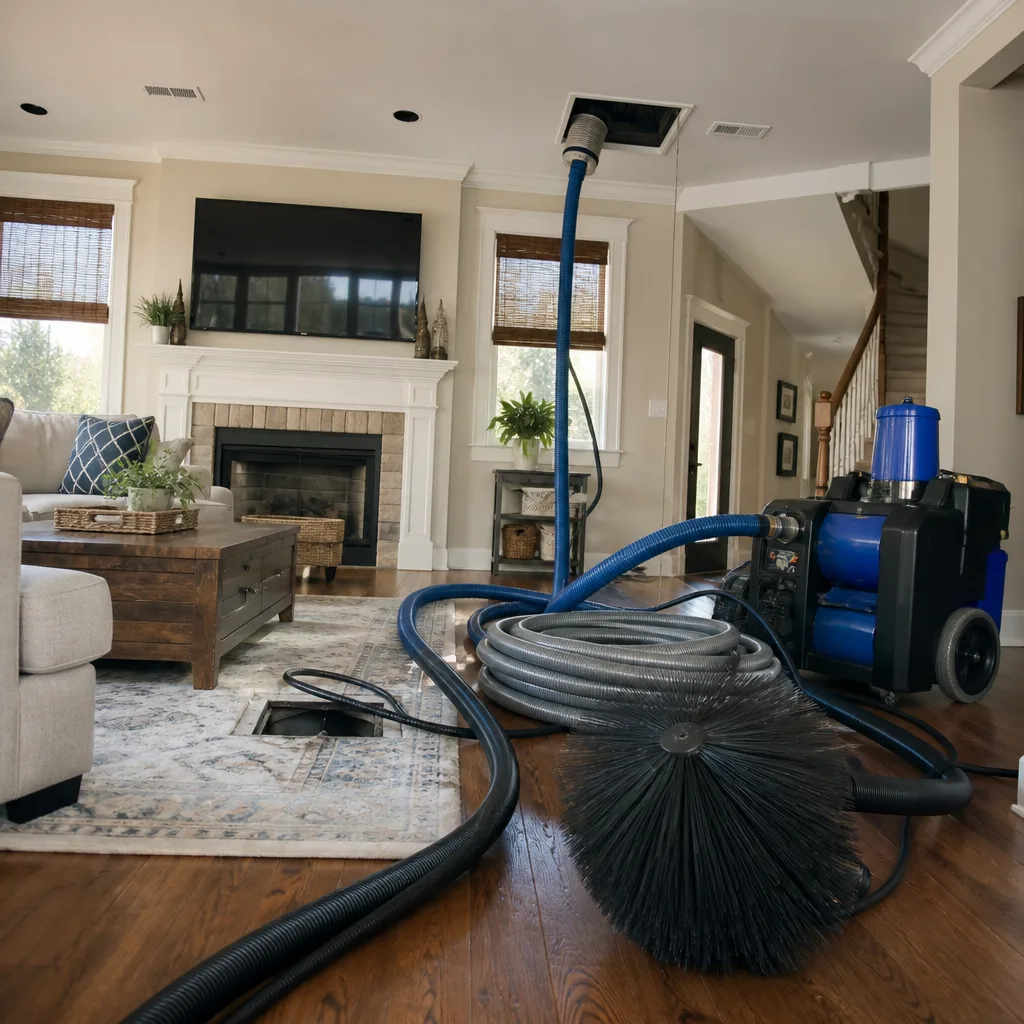
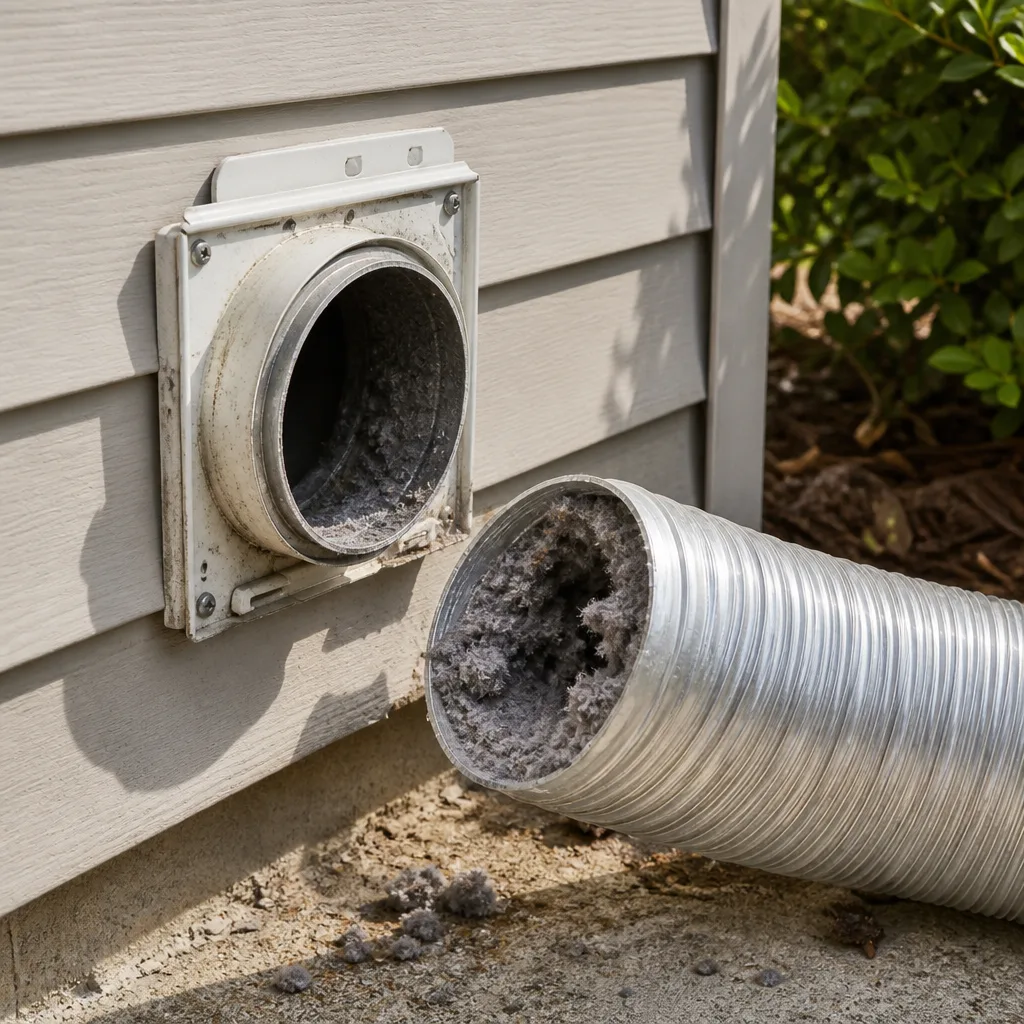
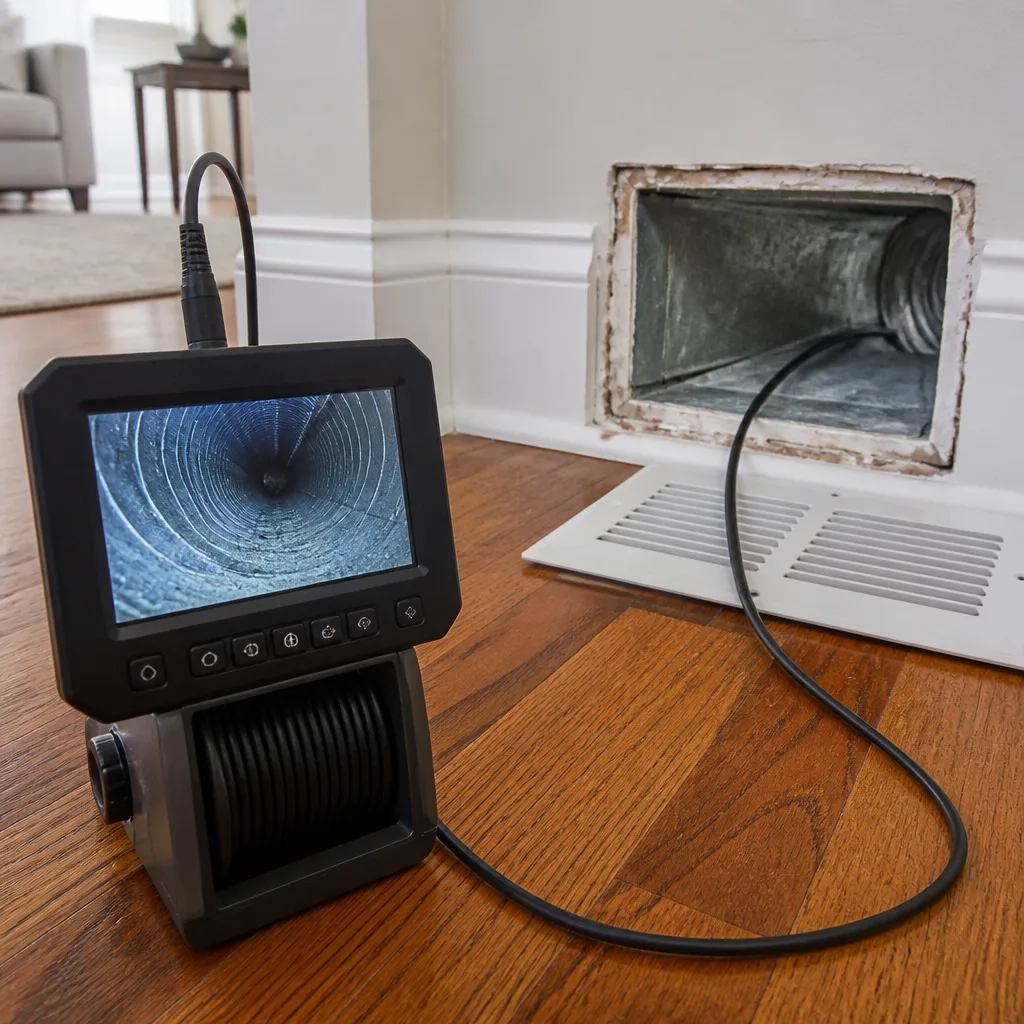
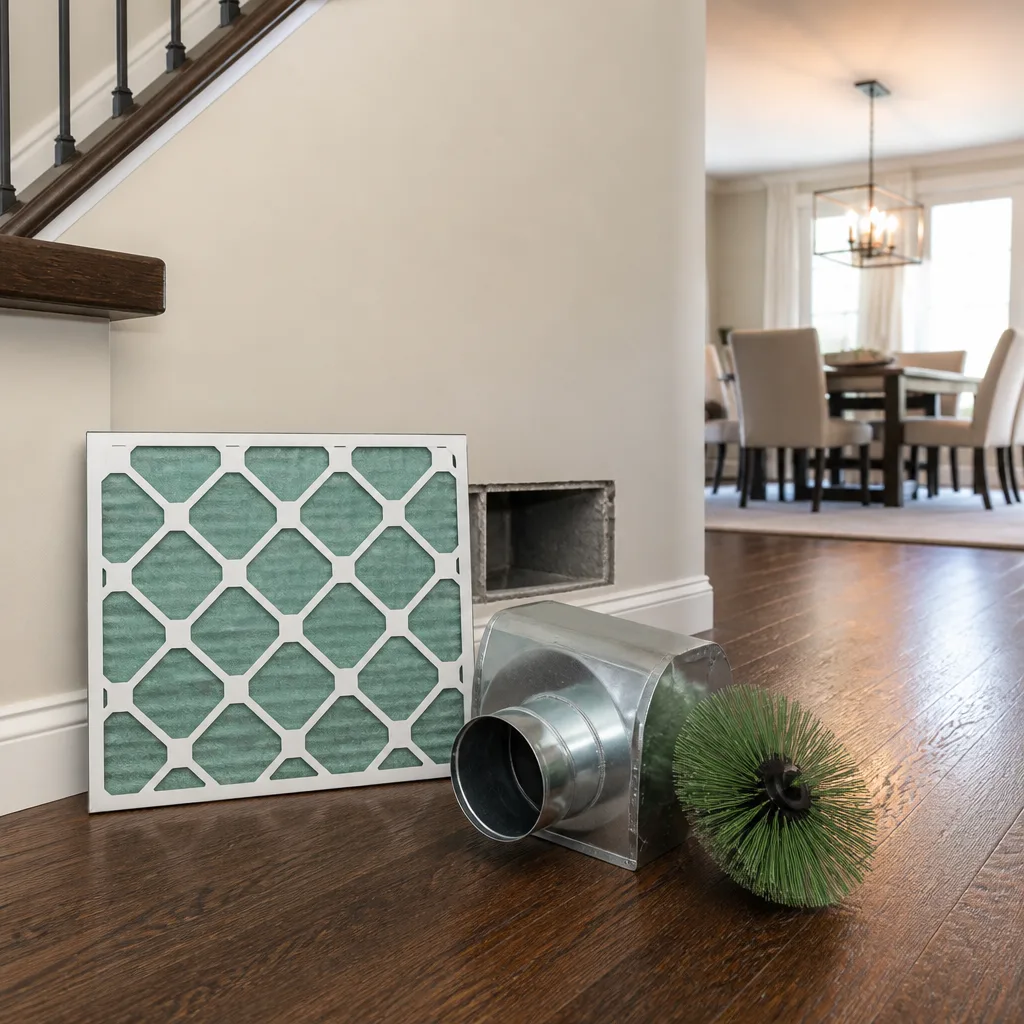
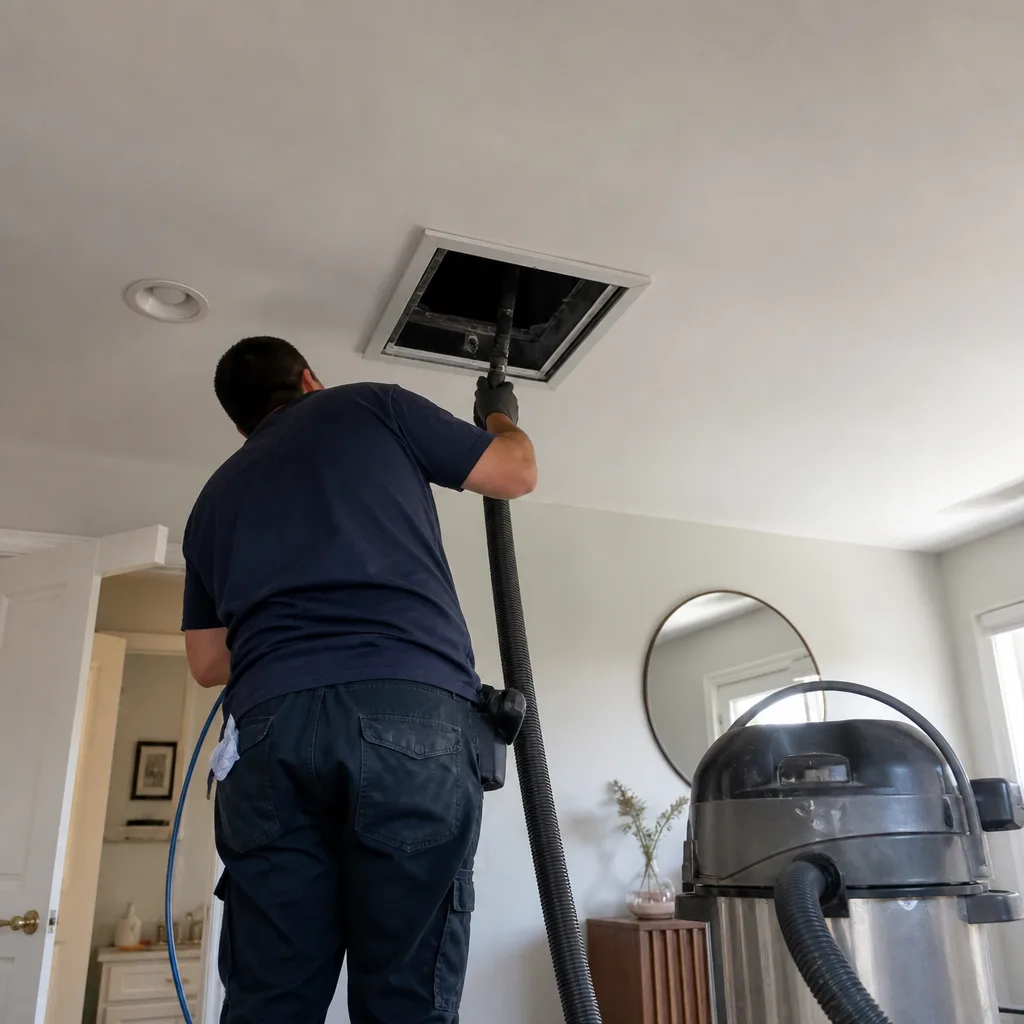
Whole-system duct and dryer vent check with before-and-after photos - you see exactly what came out of your vents
That "$99 whole-house special" is a bait ad - the real number appears once they are in your hallway, or the "clean" is a shop-vac at the register. We photograph the inside of your ducts before and after instead.
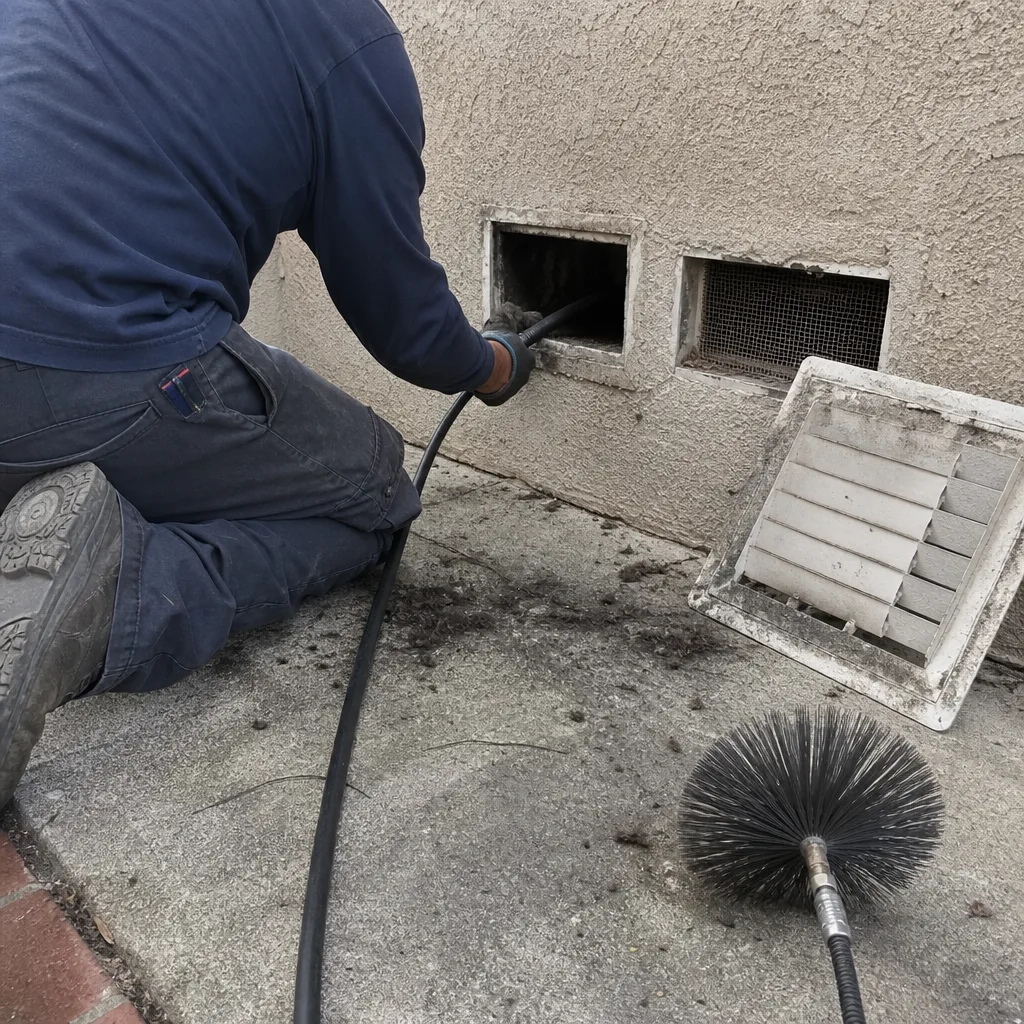 Before
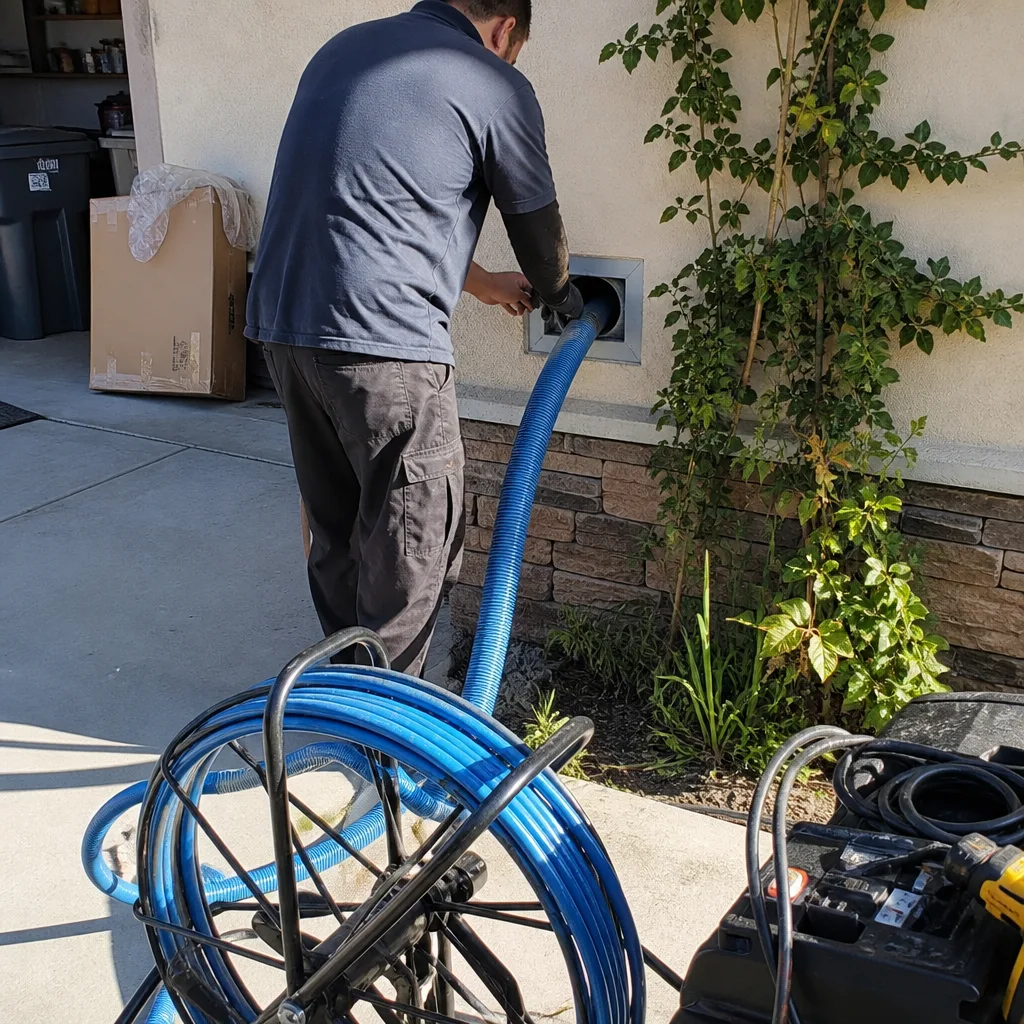 After
After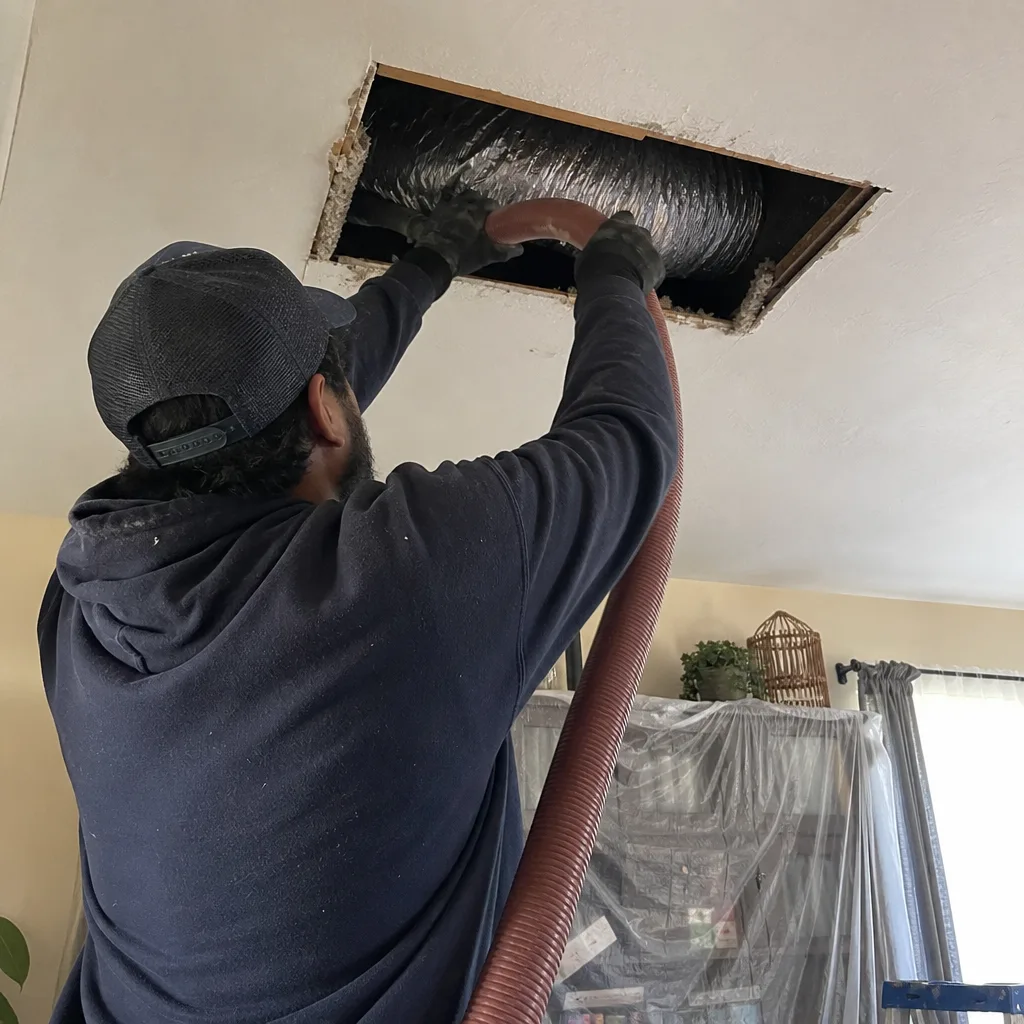 Before
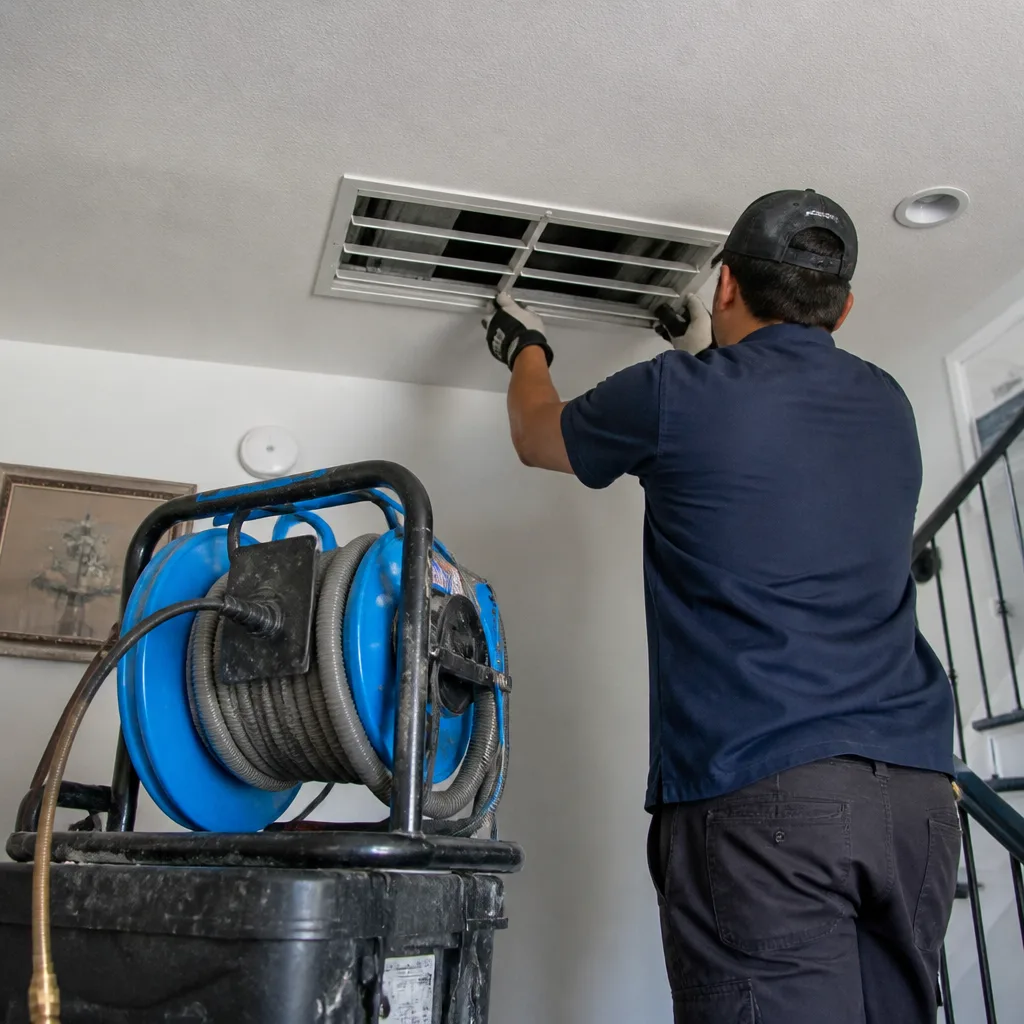 After
After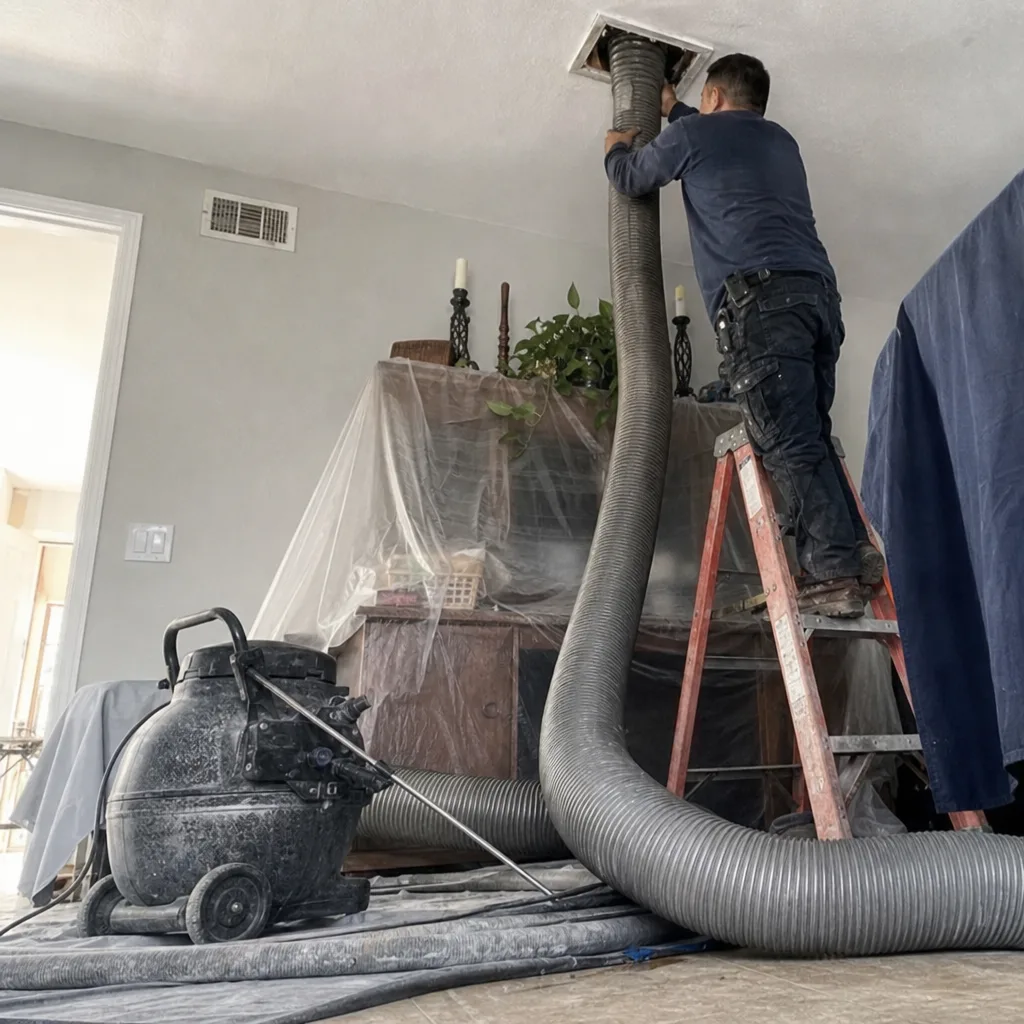 Before
 After
AfterSeasonal Air Duct Cleaning Care for Los Angeles: Year-Round Homeowner’s Guide
Los Angeles homeowners run their HVAC systems an average of 8 to 10 months out of the year, nearly double the national average. That means the standard “clean every 3 to 5 years” advice reaches its limit about twice as fast here. What follows is a season-by-season care rhythm built specifically for the Los Angeles basin, where marine layer moisture, Santa Ana winds, wildfire smoke, and inland valley dust each stress your ductwork in different ways at different times of the year.
Quick Answer
Seasonal air duct care in Los Angeles means responding to four distinct conditions: spring marine layer moisture near the coast, summer dust loading in inland valleys, fall Santa Ana winds and wildfire smoke, and winter pest intrusion during low runtime. A single professional Air Duct Cleaning services visit timed for early fall gives most Los Angeles households the best value, with lighter homeowner maintenance checks in spring and summer. Plan on inspecting filters every 30 to 60 days year-round.
Table of Contents
- Spring in Los Angeles: Marine Layer Moisture and Mold Risk (March-May)
- Summer in Los Angeles: Peak Runtime and Valley Dust (June-September)
- Fall in Los Angeles: Santa Ana Winds and Wildfire Smoke (October-November)
- Winter in Los Angeles: Low Runtime, High Pest Risk (December-February)
- How to Sequence a Professional Cleaning Around Los Angeles Seasons
- What Homeowners Can Check Between Professional Visits
- Common Mistakes to Avoid
- When to Call a Professional
- Frequently Asked Questions
- The Bottom Line
Spring in Los Angeles: Marine Layer Moisture and Mold Risk (March-May)
Spring in Los Angeles starts with the marine layer sitting over coastal neighborhoods from Santa Monica to Playa del Rey and rolling inland through the Sepulveda Pass on gray mornings. That moisture does not stay outside. It rides into return ducts, settles in the air handler, and lingers in drain pans well past noon. In our experience working in Los Angeles homes from Mar Vista to Westchester, spring is when we most often find early biofilm forming in drain pans, especially in single-story homes with the air handler in an unconditioned garage or crawlspace.
The first thing to check in March is the condensate drain line. A slow-draining line holds water in the pan longer, and standing water plus organic dust from the ductwork is exactly what mold needs. If you notice a musty smell when the system first kicks on, that is usually the source. The second check is visible mold or moisture staining around supply registers in rooms that stay closed during cooler months. Coastal moisture does not distribute evenly; rooms on the north side of the house or under heavy tree canopy tend to show it first.
Spring is also the season for post-rain debris. Even in a dry year, Los Angeles gets enough late-winter rain to push leaves, pollen, and fine silt into exterior foundation vents and sometimes into crawlspace duct runs. This is a good time to walk the perimeter and confirm vent screens are intact and not blocked by new plant growth.
- Check the drain pan for standing water or slime during a routine filter change.
- Sniff the air at the first startup of the day; a persistent musty note signals moisture, not just stale air.
- Inspect exterior vent screens for debris blown in during winter rains.
- Run the fan for 10 minutes with windows open after a deep clean to flush spring pollen, especially if anyone in the house has allergies.
If you do find standing water or visible mold in the drain pan, the fix usually starts with clearing the line and cleaning the pan, but if mold has moved into the evaporator coil or the supply plenum, that is a job for professional air duct cleaning in Los Angeles. We use equipment from Rotobrush and Nikro to reach areas a shop vac cannot, and we always show you what came out. For Los Angeles families with infants or anyone with asthma, spring is the season to be conservative: if the air smells off, do not wait until summer runtime makes the problem worse.
Summer in Los Angeles: Peak Runtime and Valley Dust (June-September)
Summer is when Los Angeles ductwork works hardest. From Burbank to Woodland Hills, systems in the San Fernando Valley can run 12 to 16 hours a day during heat waves, pulling in dust, fine particulate, and pet dander on a cycle that never really stops. The same is true in the San Gabriel Valley, where dry foothill breezes carry silt that settles into return ducts and shortens filter life dramatically.
The most common summer finding in our work across Los Angeles is a filter that has been loaded past the point of usefulness. A pleated MERV 8 filter in a valley home with two dogs might last 90 days in winter but only 30 to 45 days in August. When the filter loads, the system pulls harder, and that negative pressure draws dust through any small gap in the return ducting. Over a full summer, that dust deposits inside supply plenums and along horizontal runs, where it bakes in place and becomes harder to remove the longer it sits.
Here is the sequence we recommend for Los Angeles homeowners in summer:
- Check the filter every 30 days from June through September, and write the install date on the frame so the history is visible.
- If the filter looks gray or clogged at day 30, replace it. Do not wait for day 90 in peak heat.
- Listen for whistling at return grilles, a sign the system is starved for air and working harder than it should.
- Feel the airflow at the farthest supply register from the air handler. If it feels noticeably weaker than the nearest one, there may be duct leakage or a restricted return.
- If you have window units or a mini-split in one room and central air in the rest, keep the room doors open a few hours a week so the central system balances and does not create pressure zones.
For homes in the Inland Empire or the Antelope Valley, summer dust loading is more aggressive than in the coastal basin. We have pulled two full bags of fine silt out of duct systems in Palmdale and Lancaster homes that had been cleaned only three years earlier. That is not failure of the earlier clean; it is what the environment loads into the system annually. Los Angeles is not one climate, and your summer duct care should match your specific microclimate.
Fall in Los Angeles: Santa Ana Winds and Wildfire Smoke (October-November)
Fall is the season Los Angeles homeowners need to think about the most. Santa Ana winds push desert air through the mountain passes at 40 to 60 mph, carrying dust, ash, and airborne debris across the basin. In wildfire years, smoke particles penetrate homes even with windows closed, because most residential HVAC systems pull some outside air through make-up vents, garage gaps, and attic leaks. That particulate ends up in the return side of the ductwork and the filter first, then works its way deeper into the system.
If a smoke advisory hits your Los Angeles neighborhood, run this check within 72 hours of the advisory lifting:
- Replace the filter, even if it was changed recently. Smoke loading during an advisory can clog a filter in days.
- Inspect the return grilles for gray or brown streaking at the edges, which tells you smoke particulate got pulled through.
- Smell the air at the first startup after the advisory. A campfire note that persists for more than a minute suggests smoke residue inside the ductwork or on the coil.
- Check the condensate drain for discolored water, a sign that smoke particulate has washed off the coil and into the pan.
- If the smell persists after a filter change and a few days of runtime, schedule a professional cleaning to remove smoke residue before it cures onto duct surfaces.
This is the single most important window for professional duct cleaning in Los Angeles. A system that gets cleaned after fall wildfire season enters winter with clean surfaces, which reduces what the furnace circulates during the lowest-runtime months and positions the system for a strong start the following spring. In our Los Angeles work, we time most whole-home cleanings for October and November, after the first Santa Ana events and before the holiday season when families have guests staying in spare bedrooms that have been closed up for months.
We use equipment from Rotobrush and Abatement Technologies specifically because smoke particulate and fine ash require stronger agitation and HEPA-level filtration to remove without redistributing the particles through the house. Not every system needs this level of equipment, but after a heavy wildfire year, it makes a measurable difference in how the home smells for months afterward.
Winter in Los Angeles: Low Runtime, High Pest Risk (December-February)
Winter in Los Angeles is the quiet season for HVAC runtime. Systems in the basin might only run a few hours a week in January, and in coastal neighborhoods some homes go weeks without the furnace kicking on at all. That low runtime creates a different problem: ducts become a quiet, dark place where rodents and insects can settle in without being disturbed.
In our experience, winter is when Los Angeles homeowners discover rodent activity in horizontal duct runs under the house or in the attic. Rats and mice move into warm, still ductwork during the cool months, and the signs are not always obvious. Droppings inside supply registers, scratching sounds from the walls near duct runs, or a sudden ammonia-like smell when the heat does run are all indicators. Insects, particularly cockroaches and silverfish, also move into low-traffic duct sections in winter.
Winter maintenance for Los Angeles homeowners should focus on inspection, not cleaning:
- Pull two or three supply registers in low-traffic rooms and look inside with a flashlight for droppings, nesting material, or insect casings.
- Check exterior vent terminations for gaps where animals could enter, especially on the roof or near the foundation.
- Run the fan-only setting for 20 minutes once a week to push air through the system and discourage settling, even if you do not need heating or cooling.
- If you have a crawlspace, check that the access door is still sealed and that no duct insulation has been pulled down by animals.
The other winter concern is settled debris. Dust that entered the system during summer and fall settles in horizontal duct runs when airflow drops. When you do run the furnace, that settled material can burn off on the heat exchanger and produce a short-lived but noticeable smell. It is not dangerous in most cases, but it is unpleasant, and it signals that the ducts are holding more material than they should. If you smell burning dust for more than the first minute or two of heat, consider a cleaning before you start running the system harder in spring; see our Air Duct Cleaning Emergency Preparedness Guide for Los Angeles Homes for related warning signs.
How to Sequence a Professional Cleaning Around Los Angeles Seasons
If you schedule one professional duct cleaning per year, put it in early fall. Here is why that timing works for Los Angeles specifically:
- It follows the heaviest dust-loading period of summer, so the system starts fall with clean surfaces.
- It precedes or coincides with wildfire season, which means smoke that does enter the system lands on clean metal rather than bonding to accumulated dust.
- It sets up the holiday season, when many Los Angeles homes host guests and run the heat more than usual.
- It reduces what sits in the ducts through the low-runtime winter months, which discourages pest interest and minimizes settled debris.
- It positions the system for spring marine layer moisture without a pre-existing dust load that would otherwise feed mold growth.
For households that can justify two cleanings per year, the second visit works best in late spring, after the marine layer has been at its heaviest and before summer runtime ramps up. This is the pattern we see with Los Angeles families who have asthmatic children, multiple pets, or homes in high-dust areas like the foothills or the inland valleys. A spring visit focuses on moisture-related issues, while a fall visit focuses on particulate removal.
At Morton’s Air Duct Cleaning, we provide a written price before any work starts, so you can plan a seasonal cleaning around your actual budget rather than a surprise invoice. We also take a photo of the clean-up before the crew leaves, so you can see exactly what was protected and how the space was left. For Los Angeles homeowners who have been burned by vague estimates in the past, that written-price commitment is the difference between planning calmly and dreading the phone call.
What Homeowners Can Check Between Professional Visits
Between professional cleanings, there are a handful of checks Los Angeles homeowners can do themselves without specialized tools or risky disassembly. None of these involve opening the air handler or pulling apart ductwork, which we do not recommend for anyone without training and proper equipment.
- Monthly filter check. Look at the filter on the first weekend of every month. If it looks gray, furry with pet hair, or visibly darker than the frame, replace it. In Los Angeles, this is the single highest-impact habit for duct health.
- Register wipe-down. Once per season, wipe the supply register covers with a damp cloth and peek inside with a flashlight. You are looking for clumps of dust, insect activity, or visible moisture staining.
- Vent screen inspection. Walk the exterior of the home and check all vent terminations, including dryer vents and foundation vents, for debris, blockages, or animal damage.
- Smell test. Once a month, stand near a supply register when the system first turns on. A clean system smells neutral within a few seconds. Any persistent odor, whether musty, smoky, or sour, is information worth acting on.
- Airflow comparison. On a day when the system is running, hold your hand near the nearest and farthest supply registers. A consistent feel is good; a big difference suggests a restriction somewhere in the run.
These checks take about ten minutes per month and give you an early warning system for everything from filter loading to pest intrusion. For families in Los Angeles neighborhoods with heavy tree coverage, like Sherman Oaks or Altadena, add a vent screen check after every major wind event, not just the seasonal winds. Leaves and small branches can wedge into exterior openings and reduce airflow without being visible from inside the house.
Common Mistakes to Avoid
- Treating Los Angeles like a single climate. Coastal moisture, valley dust, and foothill wind all stress ducts differently. A maintenance calendar built for one microclimate will under-serve the others. Match your checks to the conditions at your actual address.
- Replacing the filter only when it looks dirty. In peak summer, a filter in a Los Angeles home with pets can load past useful airflow capacity before it looks visually dirty. Use a calendar, not just your eyes.
- Ignoring the condensate drain between professional visits. The drain line is the least visible part of the system, but in coastal Los Angeles homes it is the most common site of early mold growth. Pour a cup of vinegar down the line twice a year to slow biofilm buildup.
- Closing doors to unused rooms for months. This creates pressure zones that force the system to pull air through unintended gaps, bringing dust and sometimes insulation particles into the return side. Keep doors open at least part of each week.
- Running the system during a heavy smoke advisory without changing the filter after. Smoke particulate loads filters fast, and a loaded filter recirculates more smoke into the living space. Change it as soon as the advisory clears.
- Skipping fall cleaning because the system “seems fine.” Fine is a feeling, not a measurement. The dust loading from a Los Angeles summer is invisible until it shows up as smell or reduced airflow, and by then it has been building for months.
- Hiring on price alone without a written quote. The duct cleaning industry has a reputation for bait-and-switch pricing, and Los Angeles is no exception. If a company will not put a price in writing before the van arrives, keep looking.
When to Call a Professional
Most of the checks in this guide are things you can do in ten minutes with a flashlight and a damp cloth. But there are situations where professional equipment and training matter. If you find visible mold on any interior duct surface, if you confirm rodent or insect activity inside the ductwork, if smoke residue persists after a filter change and a week of normal runtime, or if the airflow difference between near and far registers is dramatic, call a professional. These are not issues that resolve on their own, and the longer they sit, the more they cost to fix properly.
Morton’s Air Duct Cleaning offers free estimates in Los Angeles. Call (323) 918-4345 and a live person answers, 24/7. We arrive with a written price before any work starts, and we leave with a photo of the clean-up in hand. You can also ask about our dryer vent cleaning services in Los Angeles while we are there, since dryer vents carry their own seasonal fire and airflow risks under Santa Ana conditions.
Frequently Asked Questions
Every 2 to 3 years for most Los Angeles households, compared to the national guideline of every 3 to 5 years. The difference comes from higher annual runtime: Los Angeles HVAC systems run 8 to 10 months per year on average, nearly double the national average, which loads dust and particulate into the ductwork faster. Homes with pets, children, recent renovation work, or locations near wildfire zones may benefit from annual cleaning. Call (323) 918-4345 for an assessment based on your specific home and neighborhood.
Early fall, from late September through early November. This timing follows the heaviest summer dust loading, precedes or coincides with the worst of wildfire season, and sets up the system before holiday gatherings and winter pest season. If you can only schedule one cleaning per year, fall is the season that gives Los Angeles homeowners the most value.
Yes. Smoke particulate enters homes through make-up vents, door gaps, and attic leaks, then gets pulled into the return side of the HVAC system. Within 72 hours of a smoke advisory lifting, you should replace the filter and smell the air at the first startup of the day. If the smell persists beyond a week, the ductwork itself may need professional cleaning to prevent the residue from curing onto interior surfaces.
Whole-home air duct cleaning in Los Angeles typically runs between $400 and $800 for a standard single-family home, depending on the number of systems, the total linear footage of ductwork, and the amount of buildup; our Air Duct Cleaning Cost Breakdown: The Los Angeles Homeowner’s Reference for 2026 explains what drives pricing in detail. That range covers the common baseline, but homes with heavy pet hair, severe dust loading, or mold remediation needs will run higher. Morton’s Air Duct Cleaning provides a written price before any work starts, so you know the full cost before the crew begins.
The cheapest quotes in Los Angeles often come from companies that use compact, low-agitation equipment, skip the return side of the system entirely, or price the job low and add charges once the technician is inside the house. A legitimate professional cleaning uses equipment sized for real agitation, covers the entire system including returns and the air handler, and puts the full price in writing before the van shows up. If a quote seems too low, ask what equipment they use and whether the written price includes the complete system.
Ask for before-and-after photos of the interior duct surfaces, not just the register openings. A reputable company will show you what came out and what the cleaned surfaces look like at the end. Morton’s Air Duct Cleaning documents every job and provides a photo of the clean-up before the crew leaves, so you have visual proof both that the ducts were cleaned and that your home was left the way we found it. Call (323) 918-4345 for a free estimate.
The Bottom Line
Los Angeles does not have one duct cleaning season; it has four, and each one asks something different of your HVAC system. Spring is about moisture and mold risk near the coast. Summer is about dust loading and filter life in the valleys. Fall is about Santa Ana winds and wildfire smoke, and it is the most important season to get right. Winter is about quiet systems, settled debris, and pest intrusion. If you do the simple monthly checks, replace filters on calendar rather than by appearance, and schedule professional cleaning in early fall, your system will hold up longer and smell better year-round. For more guides & resources on keeping your home’s air clean, visit our blog. For families with kids and pets, that is the whole point.
Written by Paul Adeyemi, Owner at Morton’s Air Duct Cleaning, serving Los Angeles since 2005.