
Last updated October 8, 2026
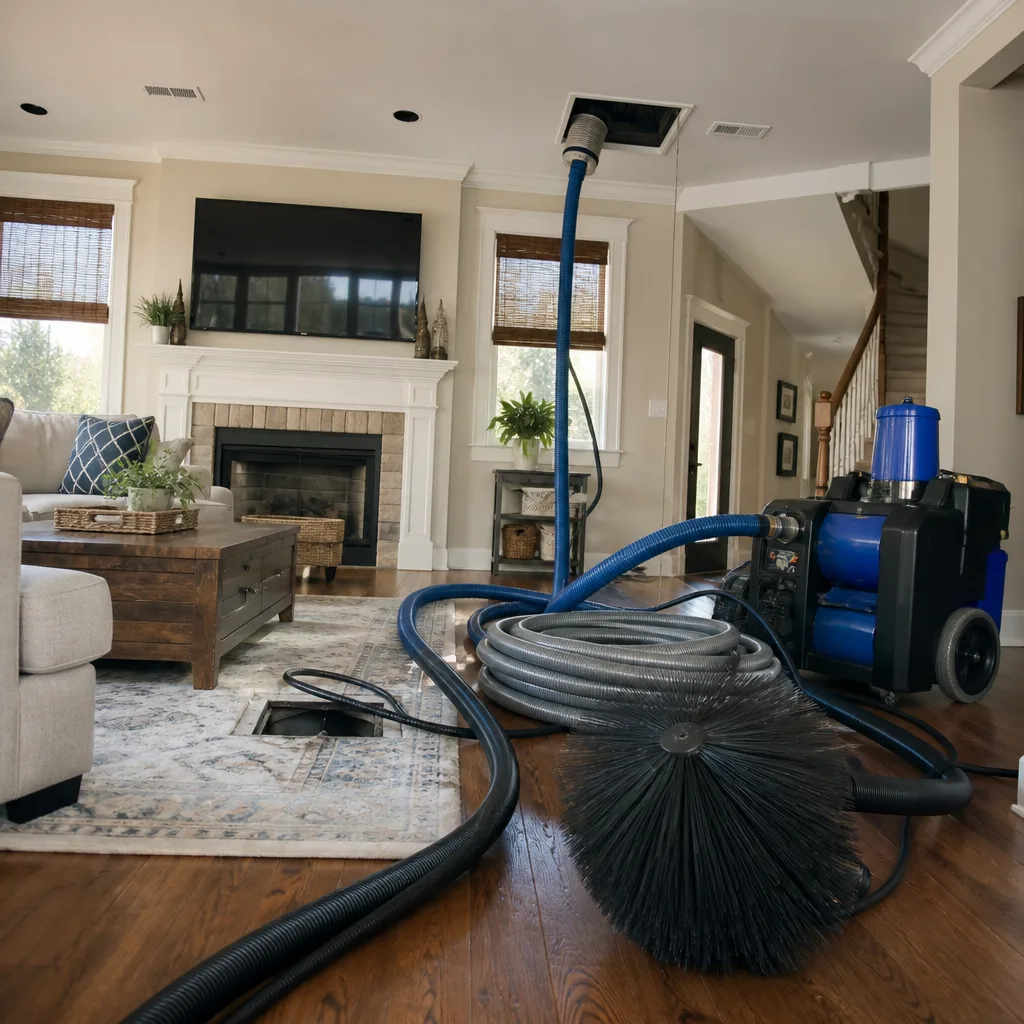
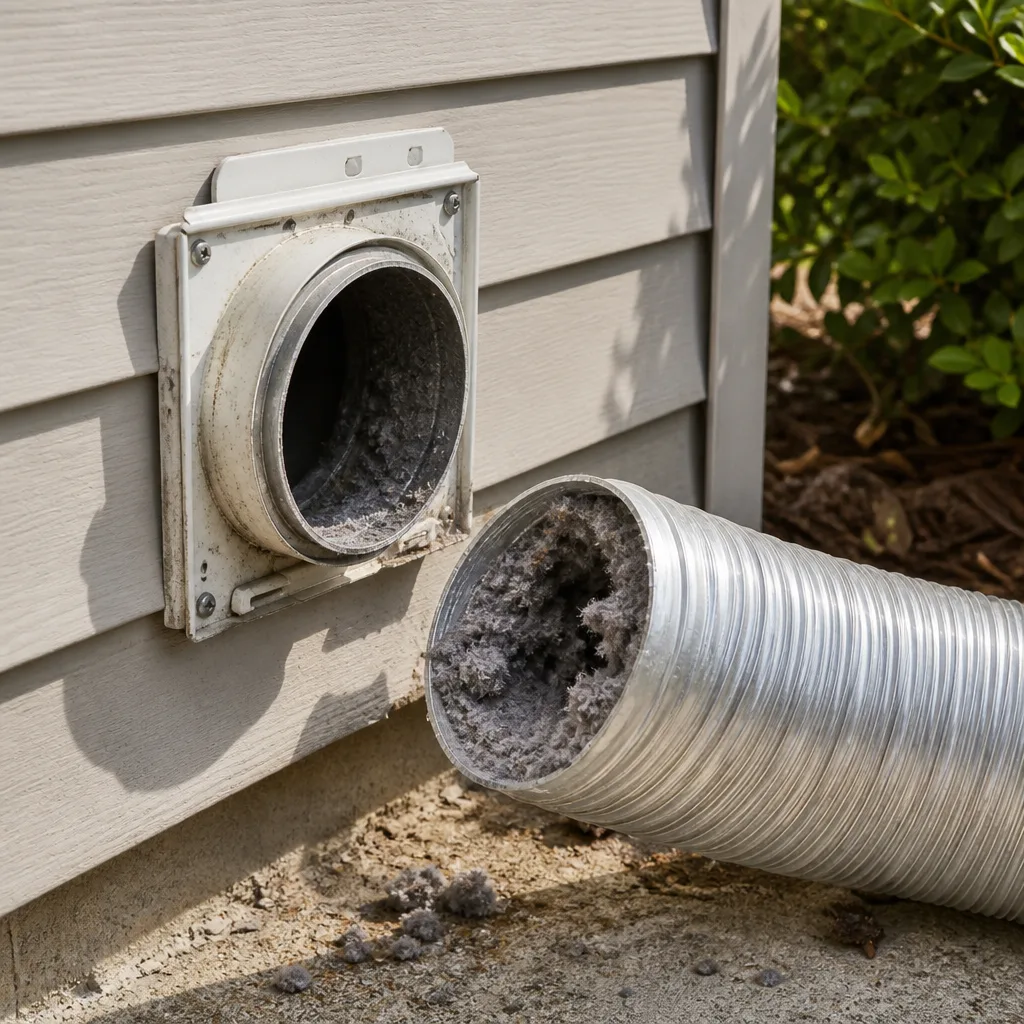
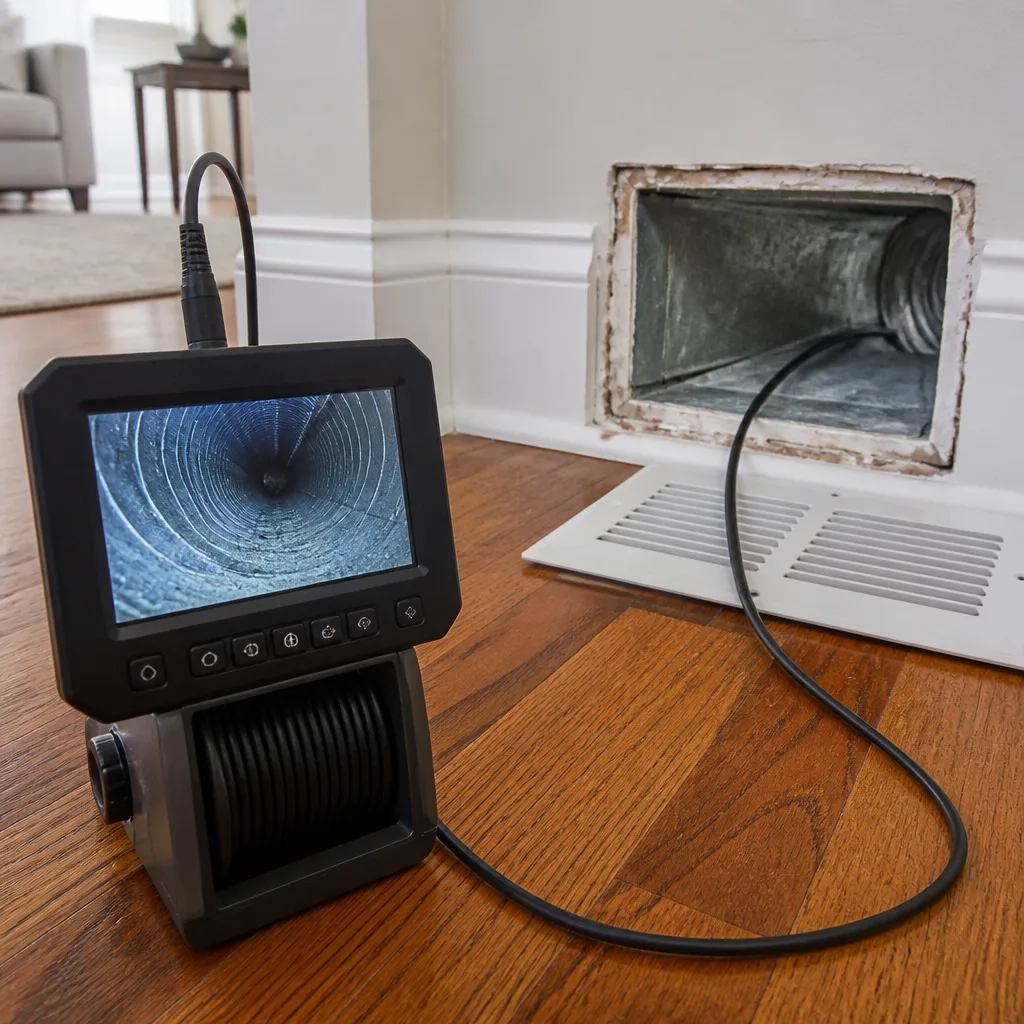
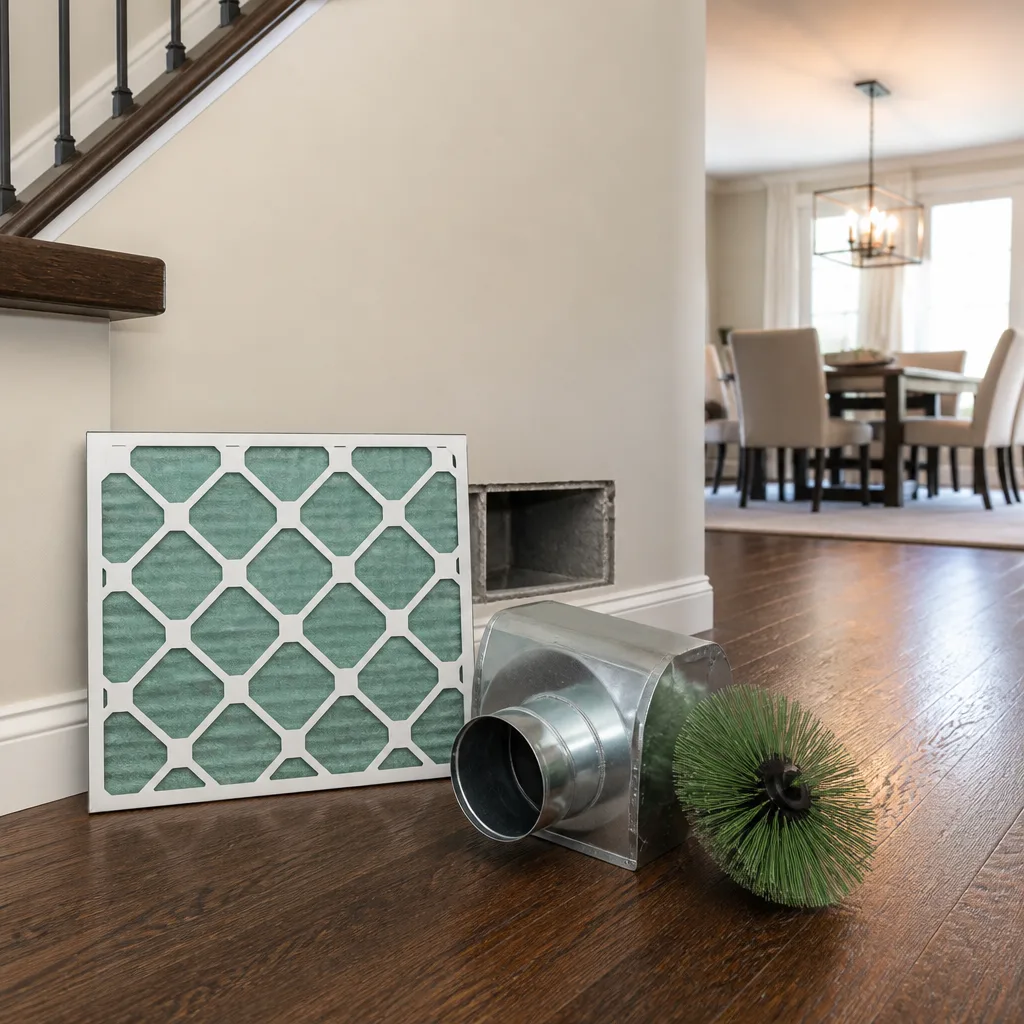
Whole-system duct and dryer vent check with before-and-after photos - you see exactly what came out of your vents
That "$99 whole-house special" is a bait ad - the real number appears once they are in your hallway, or the "clean" is a shop-vac at the register. We photograph the inside of your ducts before and after instead.
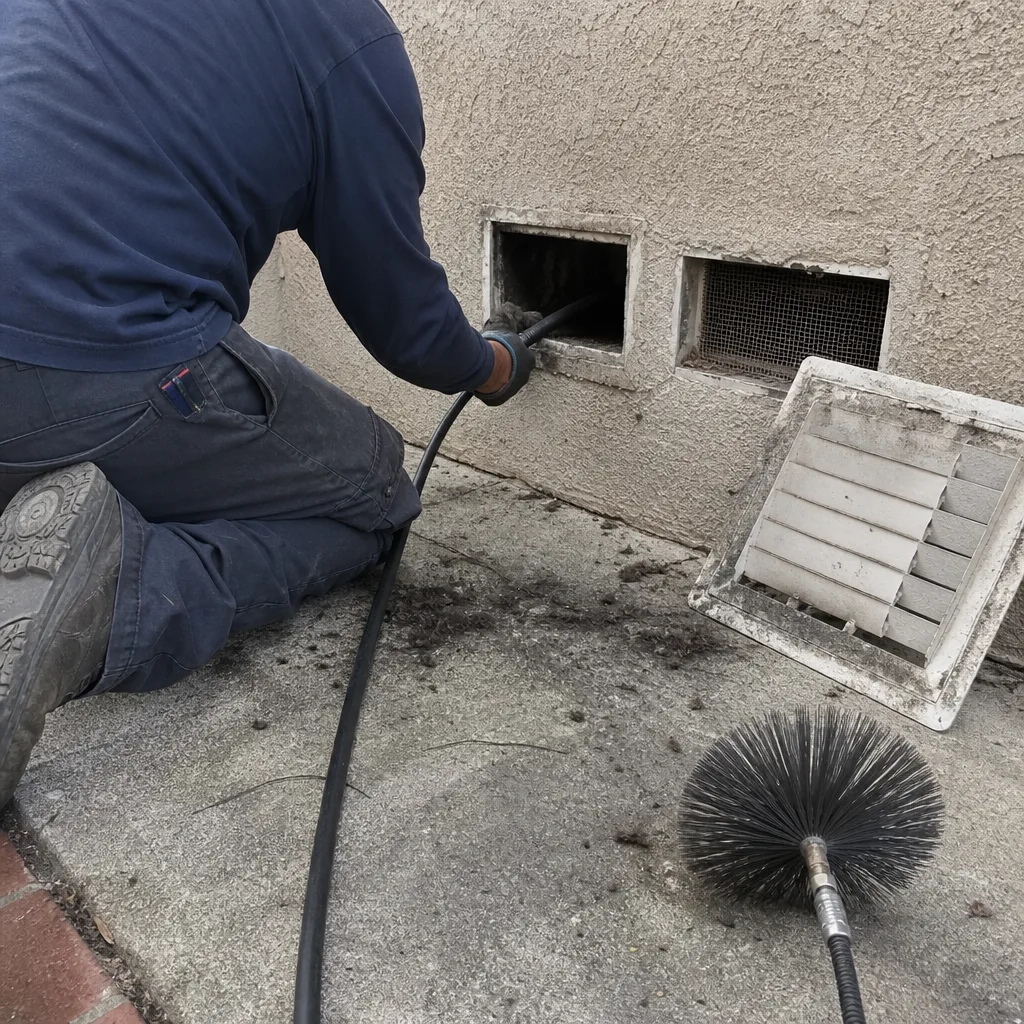 Before
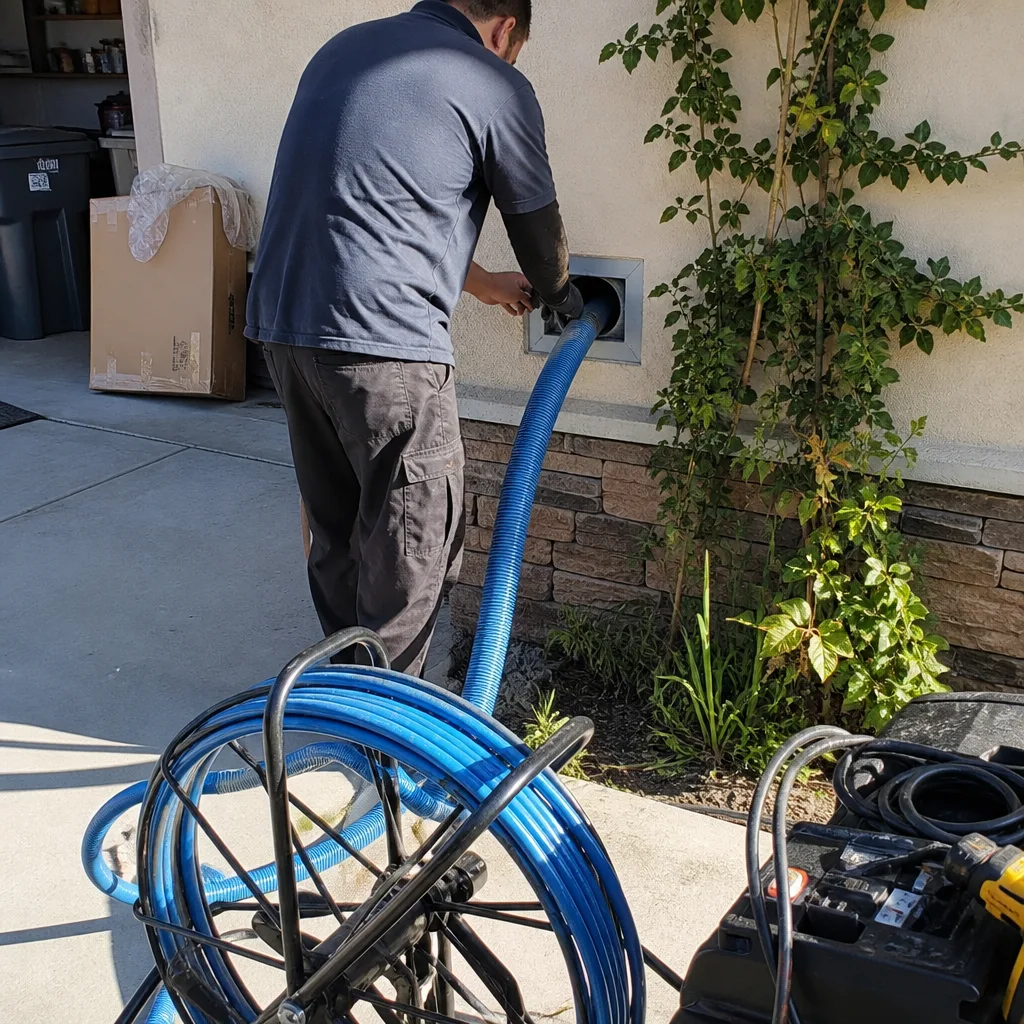 After
After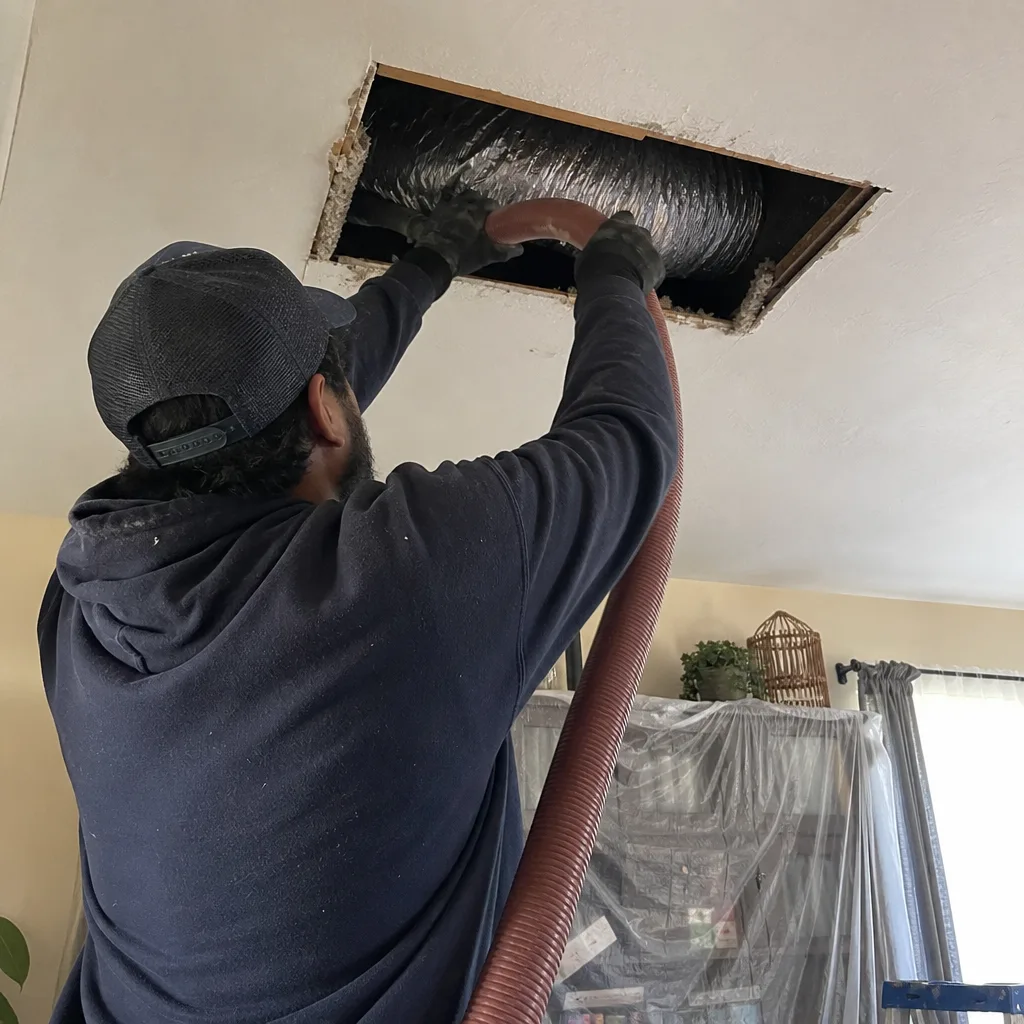 Before
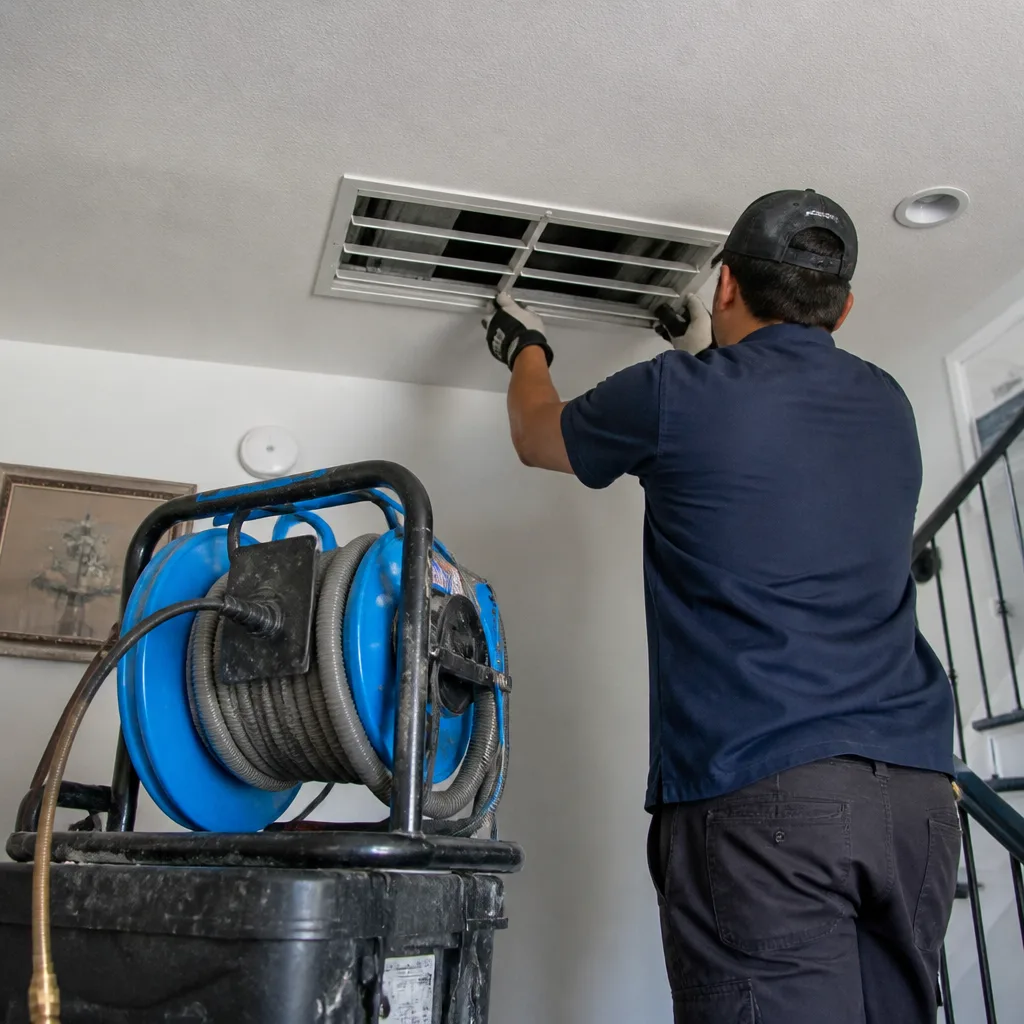 After
After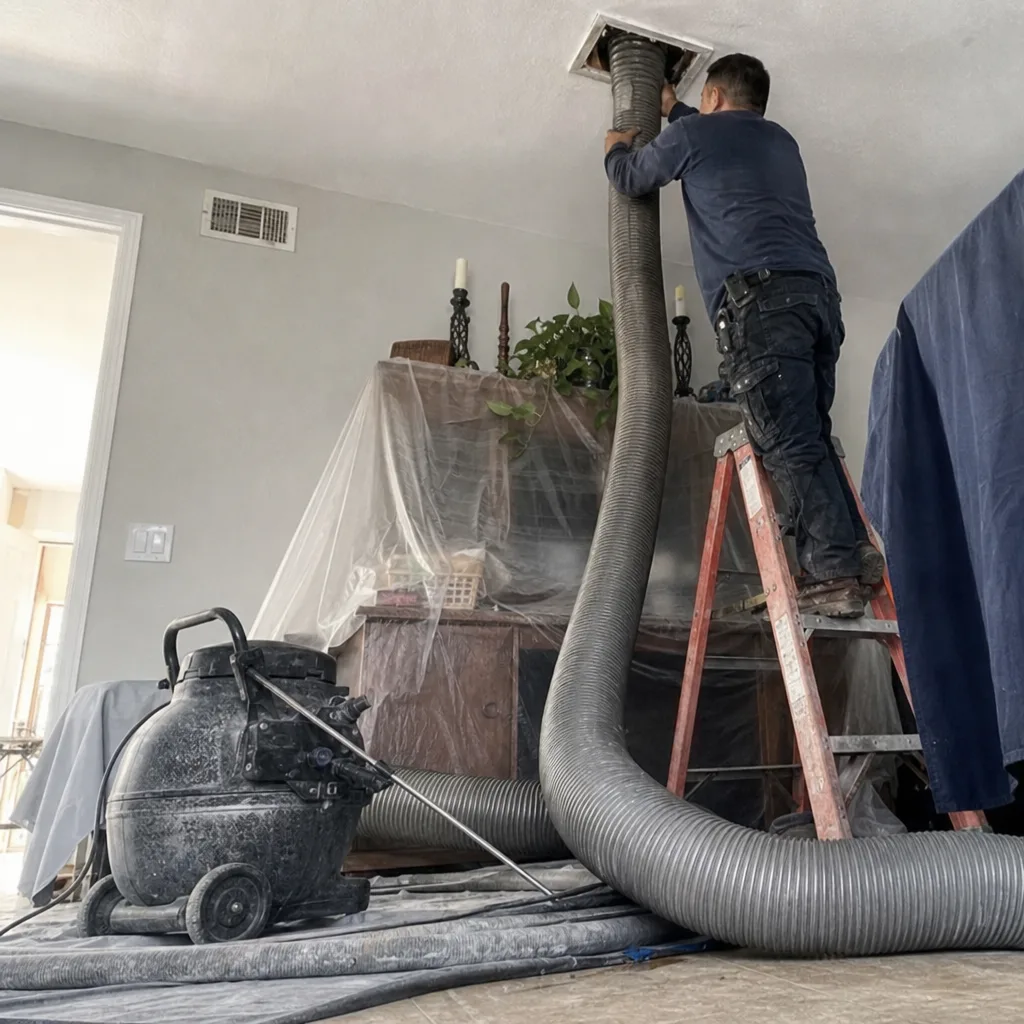 Before
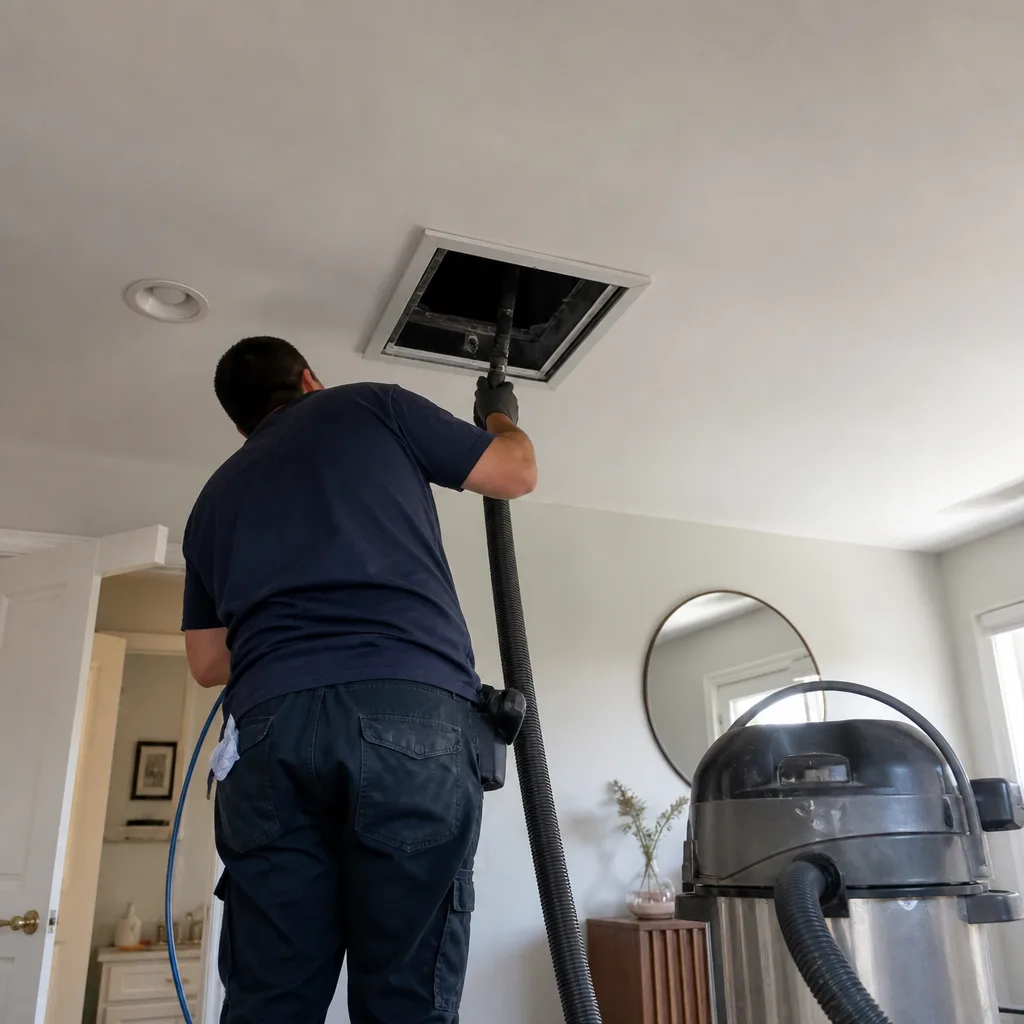 After
AfterDryer Vent Cleaning Troubleshooting: Common Problems and How to Fix Them
If your dryer quits mid-cycle and flashes a heat error code, that code is usually not a death sentence for the appliance. In most Los Angeles homes we visit, the real culprit is a lint-choked vent forcing the thermal fuse to trip, which shuts the dryer down to prevent a fire. The fuse is doing its job. This guide maps the most common dryer symptoms to their actual causes, shows you the simple exterior checks anyone can do safely, and tells you exactly when a cleaning will fix the problem and when it won’t. You’ll learn what to look for before you spend money on a repair or a replacement, and how to describe the issue accurately when you call a technician.
Quick Answer
Most dryer vent problems in Los Angeles show up as one of five symptoms: clothes taking two or more cycles to dry, a dryer exterior that’s hot to the touch, a burning smell while the unit runs, clothes that feel unusually hot at the end of a cycle, or the dryer shutting off before the load is done. These almost always point to restricted airflow from lint buildup, a crushed flex duct, or a blocked exterior termination cap, not a broken dryer. The fix is usually a professional Dryer Vent Cleaning, which removes the blockage and restores normal airflow.
Table of Contents
- The Symptom-to-Cause Map: Vent Problem or Appliance Problem?
- The Exterior Termination Check Anyone Can Do Safely
- Bird Nests and Pest Intrusion in Los Angeles Vent Caps
- The Troubleshooting Sequence to Run Before You Call
- When a Cleaning Won’t Fix the Problem
- What Professional Equipment Actually Does (and Why It Matters)
- Common Mistakes to Avoid
- When to Call a Professional
- Frequently Asked Questions
- The Bottom Line
The Symptom-to-Cause Map: Vent Problem or Appliance Problem?
A dryer that isn’t drying is frustrating, but the fix is often far cheaper than people expect. Here’s how each symptom breaks down, based on what we’ve seen across hundreds of Los Angeles homes.
Clothes take two or more cycles to dry
This is the most common early warning of a vent restriction. When the vent is partially blocked, moist air can’t escape fast enough, so the dryer keeps running longer trying to finish the job. If you’ve cleaned the lint screen and the problem persists, the blockage is almost always downstream of the lint trap, in the duct run or the exterior cap. In our experience, a restriction of even 50% can double dry times. The appliance itself is usually fine. The vent is the bottleneck.
The top of the dryer feels unusually hot
Heat should leave the dryer with the moist air. When the vent is restricted, that heat stays in the cabinet longer than it should. A warm top is normal. A hot top is not. If you can hold your hand flat on the top of the dryer for a full five seconds without discomfort, that’s within normal range. If you have to pull back after two seconds, airflow is restricted and the vent needs attention. Los Angeles summers make this worse, because the dryer is already working in a warmer ambient environment.
Burning smell while the dryer runs
A burning smell is never normal, but it’s not always the dryer itself. Lint that has accumulated around the heating element or built up in the duct can produce an acrid, dusty burn smell. The first thing to check is the lint screen. Then check the vent. If the smell is like hot dust or singed fiber, the vent is likely pushing heat through a thick lint mat. If the smell is electrical or plasticky, stop using the unit and call an appliance technician, because that points to a wiring or motor issue, not a vent issue.
Clothes feel hotter than normal at the end of the cycle
Hot clothes at the end of a dry cycle mean the dryer is not moving enough air to carry heat away as it should. The heating element keeps producing heat, but the blocked vent means the heat has nowhere to go. This is also the scenario that trips thermal fuses and leads to the shutdown error codes everyone calls us about. For Dryer Vent Cleaning Warning Signs Every Homeowner Should Know, this symptom tops the list. The vent is trying to tell you something.
The dryer shuts off mid-cycle with an error code
This is the symptom that sells a lot of unnecessary new dryers. The thermal fuse, a small heat-sensitive safety component, trips when internal temperatures exceed safe limits. The #1 reason the temperature gets that high is restricted airflow. Clean the vent before you replace the dryer. Nine times out of ten, that solves it. If the vent is clear and the fuse still trips, then you have a genuine appliance repair on your hands.
The Exterior Termination Check Anyone Can Do Safely
Before calling anyone, run this simple test. It takes five minutes and tells you more than any error code.
First, find the termination cap. It’s the vent outlet on an exterior wall, usually a plastic or metal flap cover with slats, mounted near the roofline or down near the foundation, depending on how the dryer is situated in the Los Angeles home. In many LA houses, the laundry room is on the ground floor and the vent exits through a side wall. In condos and apartments, it can run up through the roof.
Here’s the safe, no-tools check:
- Locate the cap. Have someone in the house start a dry cycle with the dryer empty and set to air-fluff or no-heat mode. Then go outside and stand next to the cap.
- Listen. Normal airflow sounds like a steady, soft rush of air. Restricted airflow sounds weak, wheezy, or you may hear nothing at all. A completely blocked vent produces no sound and no feel of air at the cap.
- Feel. Place your hand about six inches from the vent opening. You should feel a steady stream of air pushing outward. If the airflow feels faint, fluttering, or absent, the vent has a significant restriction somewhere between the dryer and the outside.
- Look. When the dryer is off and the flap is visible, check whether the flap opens freely or appears stuck, caked with lint, or blocked by something. In Los Angeles, we regularly see caps painted over during exterior repaints, which seals them shut, or blocked by stucco patch work.
If the check fails, the vent is restricted. A professional cleaning with a rotary brush and HEPA-filtered vacuum will almost always restore airflow. If the check passes but the dryer still misbehaves, the problem may be inside the appliance.
Bird Nests and Pest Intrusion in Los Angeles Vent Caps
Los Angeles has mild weather all year, and that means birds and rodents never really leave. It also means more nest-building in protected spaces. A dryer vent termination cap is a warm, sheltered, dry entry point, and it looks like premium real estate to a house sparrow, starling, or a rat looking for a place to bed down.
We find nests in LA vent caps far more often than homeowners expect. The signs are the same as lint blockage, but with a few differences. You might hear scratching or chirping near the termination point. You might see bits of twig, straw, or dry grass poking out from around the cap. You might notice a sudden, strong restriction with no buildup of lint inside the house. All of those point to a nest.
The check is visual and safe. Stand at a distance and look at the cap with a flashlight. If the slats are full of dry grass or twigs, or if the flap won’t move, there’s likely a nest or a dead animal inside. Don’t poke anything into the vent to see what happens. You can push the nest material deeper in, and if there’s live young inside, you’ll create a separate problem. Call a professional who can remove the obstruction and then install or confirm a proper termination cap. We use a snake camera to inspect the full vent run and confirm what’s in there before cleaning.
Prevention comes down to the cap. LA codes require a backdraft damper, and many homeowners add a screen cage thinking it keeps pests out. It doesn’t. Screens trap lint. Trapped lint plus an active nest equals a fully blocked vent. The right fix is a cap with a proper damper and a smooth interior that lets lint pass and pests bounce. If yours has a screen, take it off or replace the cap.
The Troubleshooting Sequence to Run Before You Call
When you call us about a dryer vent problem, the most useful thing you can give us is an accurate description of what you’re seeing. Run through these steps first, write down what you find, and you’ll get a diagnosis you can trust instead of a canned “you need a cleaning” answer. For more guides & resources, see our blog.
- Clean the lint screen. Do it before every load, and if the dryer is already misbehaving, wash the screen with warm soapy water to remove residue from dryer sheets that can seal the mesh invisibly.
- Run a full drying cycle with a normal load. Time it. Note whether the dryer shuts off early, runs the full time, or finishes with damp clothes. Write the exact symptom down.
- Check the dryer’s exterior temperature. Use the five-second hand test on the top of the unit. Hot to the touch after two seconds is a vent restriction. Warm is normal.
- Do the exterior termination check. The airflow test above. Note whether airflow feels strong or weak, and whether you can see lint, twigs, nests, or paint sealing the cap.
- Pull the dryer out a few feet, or have someone who can lift do it. Look at the flex duct behind the machine. If it’s kinked, crushed, or hanging in a long loop, that’s a restriction right there.
- Count the vent run. From the back of the dryer to the termination cap, count the feet of duct and the number of elbows. Most building codes cap residential dryer vent runs at 25 feet, with a 5-foot deduction for every 90-degree elbow. If your run exceeds that, the system is built wrong and even a clean vent will restrict airflow.
By the time you call a professional, you’ll know whether the issue is a blockage, a crushed duct, a pest intrusion, or a code violation. That’s the difference between getting an honest fix and paying for a service that won’t solve the problem.
When a Cleaning Won’t Fix the Problem
A professional vent cleaning removes lint and debris from the inside of the duct. It doesn’t fix a duct run that was built wrong. We’ve cleaned vents in Los Angeles homes and then told the homeowner, honestly, that the vent will clog again in six months because the system itself is the problem. Here are the three situations where a cleaning alone won’t fix things:
- Vent runs that exceed code length. The International Residential Code, which LA adopts, limits dryer vent runs to 25 feet, with a 5-foot deduction per 90-degree elbow. A run that’s 40 feet with three elbows needs re-routing, not just cleaning. The airflow math doesn’t work no matter how clean the duct is.
- Kinked or crushed flex duct behind the dryer. That short flexible foil or plastic duct connecting the dryer to the wall outlet is often crushed against the wall when the dryer is pushed back. Every bend reduces airflow. A cleaning can’t un-kink a crushed duct. It either needs repositioning or replacement with a shorter, semi-rigid run.
- Termination caps with screens. Many homeowners in LA install screen cages over their vent caps to stop birds. The screen traps lint faster than a bare cap, creating a new blockage within months. Code prohibits screens on dryer vent terminations. The cap needs replacing, not the vent cleaning.
A good technician will tell you these things before they reach for a brush. Ours do. If your vent run is built wrong, we’ll show you exactly what’s wrong and what it would take to fix it, and we’ll give you that answer even if it means we do less work that day.
What Professional Equipment Actually Does (and Why It Matters)
You can buy a dryer vent brush kit from a hardware store for forty dollars. What you can’t get from that kit is what professional-grade equipment brings to the job, and the difference matters when a vent has years of layered lint, a partial bird nest, or a long run with multiple bends.
We use rotary brush systems from Rotobrush and Nikro, paired with HEPA-filtered vacuums that capture the debris rather than pushing it into the room or out the wall. The rotary brush spins inside the duct, breaking apart compacted lint that a hand brush simply skips over. The vacuum runs simultaneously, pulling what the brush loosens down the run and into a sealed canister. The air inside the home stays clean, which matters when you have kids and pets breathing the same air while the work is happening.
For longer runs and vents with unknown obstructions, we use a snake camera. It shows us exactly what’s inside, before and after, so there’s no guessing. And for the homeowner, that before-and-after view is the proof the job was actually done, not just claimed. We also check the vent with an airflow meter after cleaning, so you get a number, not a reassurance.
The equipment brand matters less than the operator’s care. But trusted equipment, from brands like Rotobrush and Nikro, makes a meaningful difference on tough jobs. It’s the difference between knocking off loose lint and actually clearing the full run.
Common Mistakes to Avoid
- Replacing the dryer before checking the vent. We’ve seen Los Angeles families spend $700 on a new machine for a $150 vent cleaning. The thermal fuse and error codes almost always trace back to blocked airflow. Always check the vent first.
- Putting a screen over the termination cap to stop birds. Screens trap lint, creating a fire risk and stopping airflow far faster than any bird ever could. If you’re in an LA neighborhood with active bird populations, get a proper damper cap installed instead.
- Ignoring one long dry cycle a week. The first time clothes need two cycles isn’t the first sign, it’s the hundredth. The vent has been restricted for weeks by then. If you notice longer dry times, test the vent immediately.
- Using the heat-dry feature on everything. High heat in an LA summer with a partially clogged vent is a fast way to trip the thermal fuse. Use the moisture-sensor setting when the dryer has one, and avoid max heat for everyday loads.
- Relying on a hand brush from the hardware store. A hand brush on a flexible rod cleans the first few feet of the vent, not the whole run. The lint that causes fires builds in the last ten feet, near the cap, where a hand brush never reaches.
- Painting over the termination cap during an exterior repaint. We see this regularly in LA, especially with stucco homes. Paint seals the flap shut and turns the vent into a closed pipe. If painters are working on the house, tell them to keep the vent clear.
- Waiting for a burning smell. By the time you can smell burning lint, the vent has been critically blocked for weeks. A burning smell is a late-stage warning. Long dry times and a hot dryer top are the early warnings. Act on those instead.
When to Call a Professional
Call a professional when the exterior check fails, when the vent run is too long for you to inspect fully, when you suspect a nest or dead animal, or when the dryer keeps tripping its thermal fuse even after you’ve checked the obvious things. Long runs, roof terminations, and accumulated lint in hard-to-reach sections are not do-it-yourself territory. A genuine professional will inspect, show you the inside with a camera, clean the entire run, and verify the result with an airflow reading, not just a hand wave. Dryer vent cleaning in Los Angeles is what we do every day, and if the vent is the problem, we’ll find it and fix it. Morton’s Air Duct Cleaning offers free estimates in Los Angeles. Call (323) 918-4345 and a real person will answer, day or night.
Frequently Asked Questions
In Los Angeles, dryer vent cleaning typically ranges from $150 to $275 for a single run, depending on the length of the vent, the number of bends, whether the termination is roof- or wall-mounted, and the level of blockage. Curious about How Long Does Air Duct Cleaning Take? Timelines and What to Expect? Most dryer vent jobs run shorter, usually 45 minutes to 2 hours. Some companies charge a low trip fee and then add on per-foot charges; we quote one flat price for the whole job before any work starts, with no per-vent pricing and no surprises on the invoice. Call (323) 918-4345 for an exact quote, and you’ll get a written price before anyone touches anything.
Cheap quotes in Los Angeles usually come from one of two places: a company that plans to upsell you once they’re at your home, or a crew that does a partial clean, running a hand brush into the first few feet of the vent and leaving the rest untouched. A proper cleaning takes real equipment and time, and that costs a real amount. If a quote feels too low, ask what the clean includes, whether they use a rotary brush, and whether they’ll show you before-and-after camera footage. If they can’t answer those three questions, the price is probably a hook.
You’ll know if the technician shows you before-and-after photos or video from inside the vent, taken with a snake camera. A proper cleaning also ends with an airflow measurement at the termination cap and a visual check that the flap opens freely. If a crew finishes and can’t show you any of that, you’ve paid for a partial job. Every Morton’s visit ends with proof: a photo of the clean vent and the clean-up before we leave. That’s part of the Cedarwell Care Promise, and it’s non-negotiable.
For most Los Angeles families, an annual cleaning is enough. If you have dogs or cats, a large household, or a vent run that’s longer than 15 feet, twice a year will keep airflow strong. Pet hair and lint from the constant laundry of a busy household build up faster than people expect. And if you’ve never had the vent cleaned in years, get it done now, then start a schedule from there.
Yes. Lint is combustible, and when it builds up inside the vent, the dryer’s heating element can ignite it. The U.S. Fire Administration reports thousands of dryer fires every year, and the leading cause is failure to clean the vent. This is the one symptom you should never postpone. If your dryer is running hot, clothes are taking multiple cycles, or you smell burning lint, the vent needs to be cleared before the dryer runs again.
Morton’s covers the full Los Angeles area, including Mid-City, the Westside, South LA, the Valley, Pasadena, and the surrounding communities. If you’re in Los Angeles County and have a dryer vent that’s misbehaving, call (323) 918-4345 and tell us what you’re seeing. We’ll walk through the symptoms with you on the phone, give you a written price, and schedule a visit that works around your household’s schedule, including nap hours and pet routines. If you’re also thinking about broader air quality, our air duct cleaning in Los Angeles service handles the whole system. And if you want to learn more about how we work, start at the Morton’s Air Duct Cleaning home page.
The Bottom Line
Your dryer is giving you accurate information. Long dry times, a hot exterior, a burning smell, and mid-cycle shutdowns are not random malfunctions. They’re a pattern that points to one place: the vent. Before you spend money on an appliance repair or a new machine, run the troubleshooting sequence above, check the exterior cap, and look at the flex duct behind the dryer. If the vent is the problem, clean it. If the system was built wrong, fix the system. In Los Angeles, where year-round mild weather means year-round laundry, a properly maintained dryer vent is a small thing that prevents big problems. Start with the vent. It’s usually the answer.
Written by Paul Adeyemi, Owner at Morton’s Air Duct Cleaning, serving Los Angeles since 2005.