
Last updated October 8, 2026
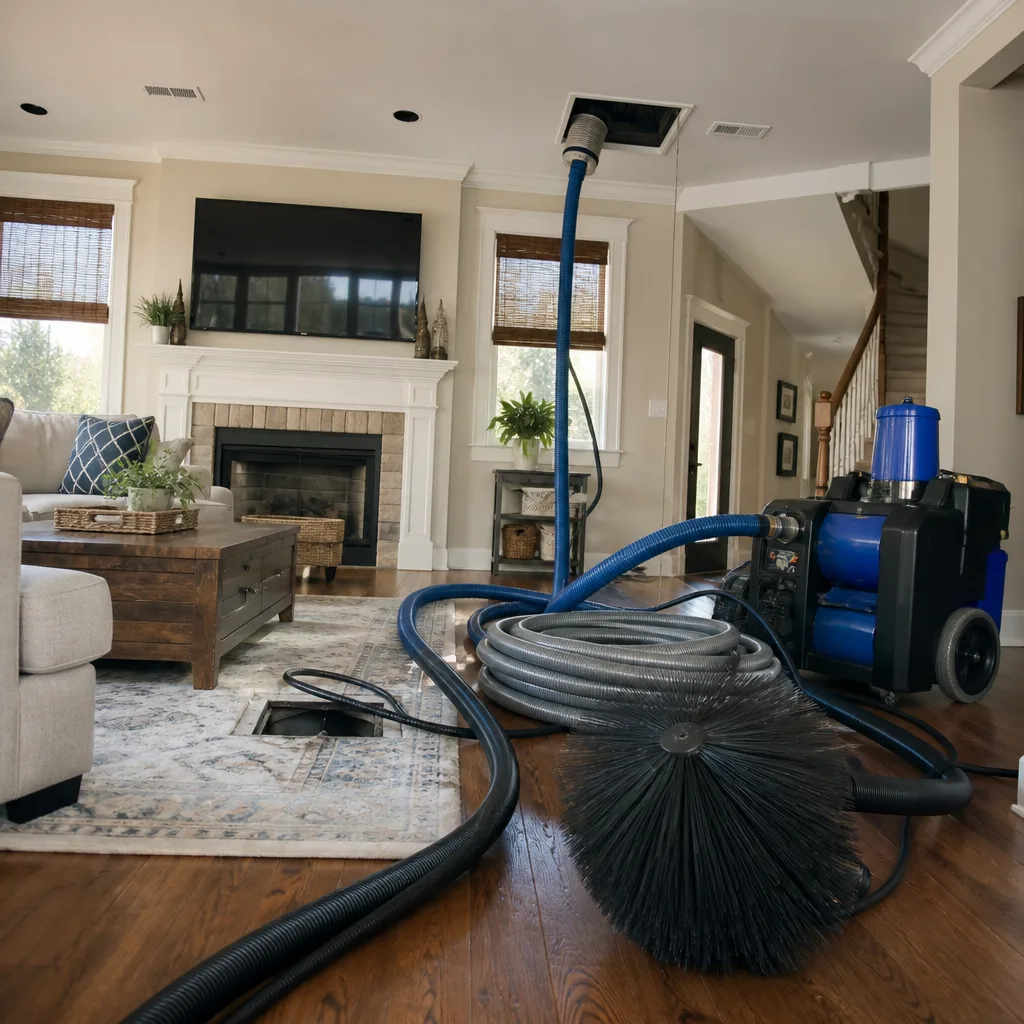
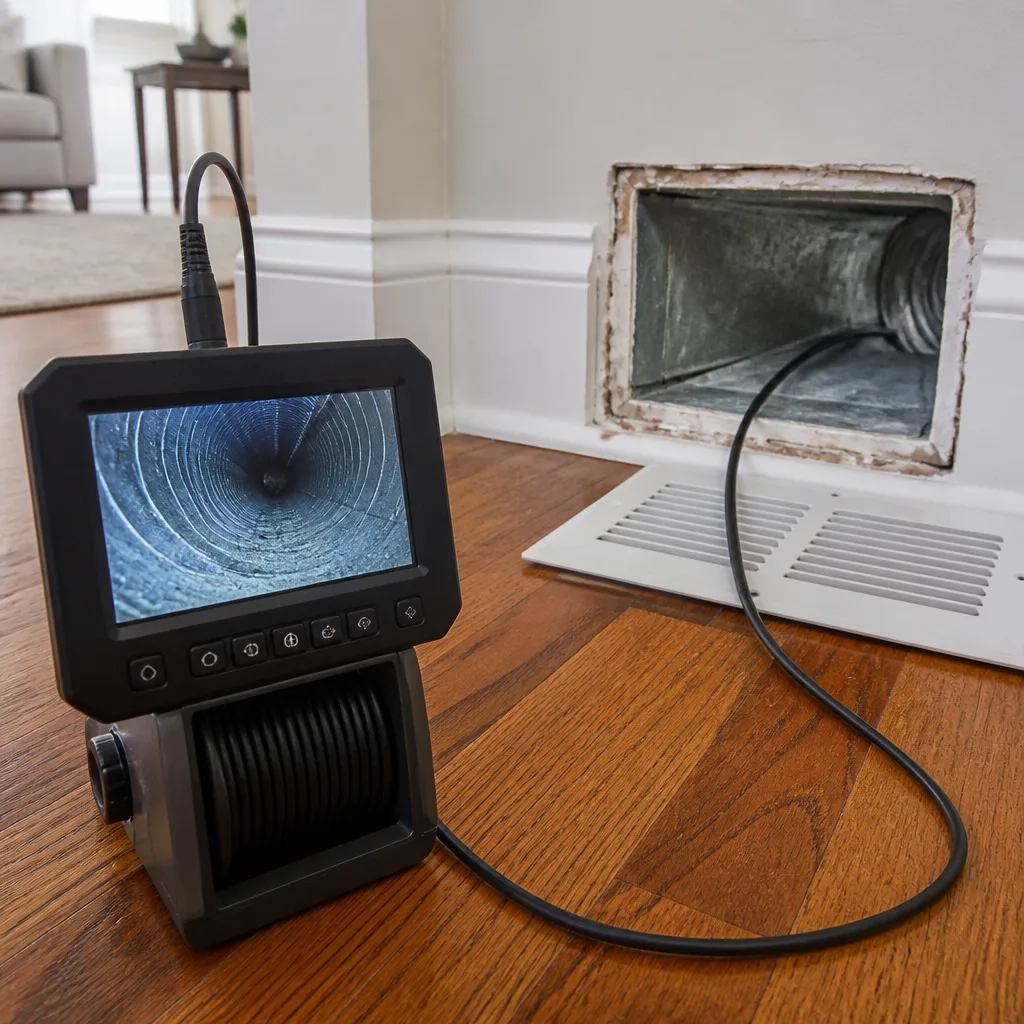
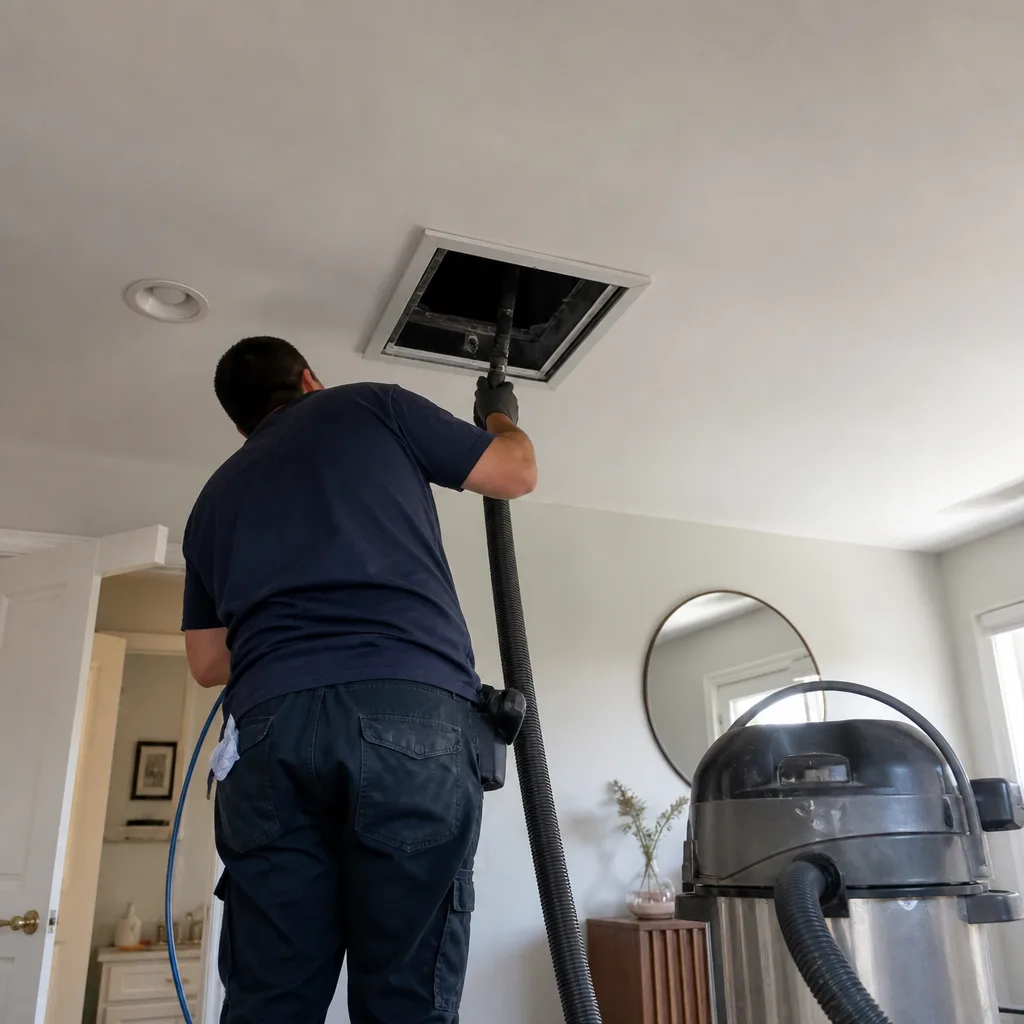
Whole-system duct and dryer vent check with before-and-after photos - you see exactly what came out of your vents
That "$99 whole-house special" is a bait ad - the real number appears once they are in your hallway, or the "clean" is a shop-vac at the register. We photograph the inside of your ducts before and after instead.
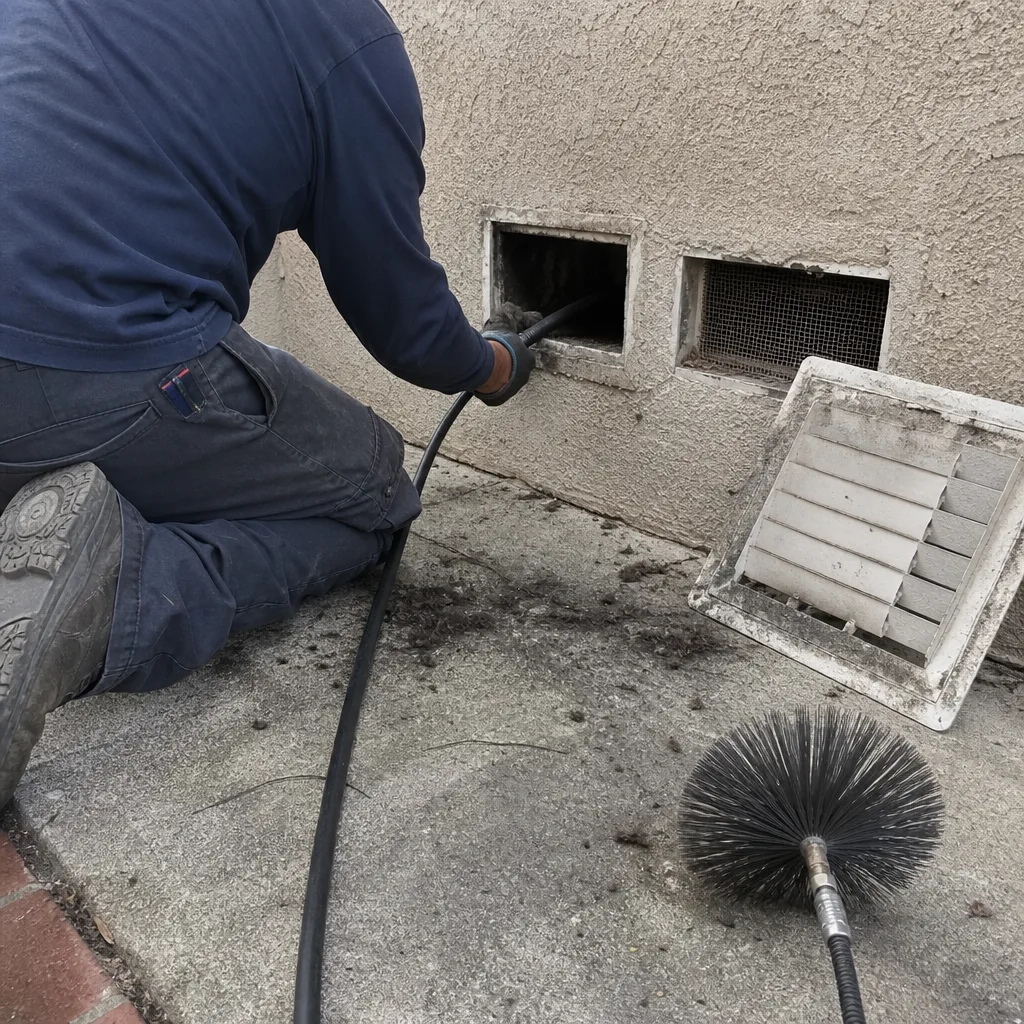 Before
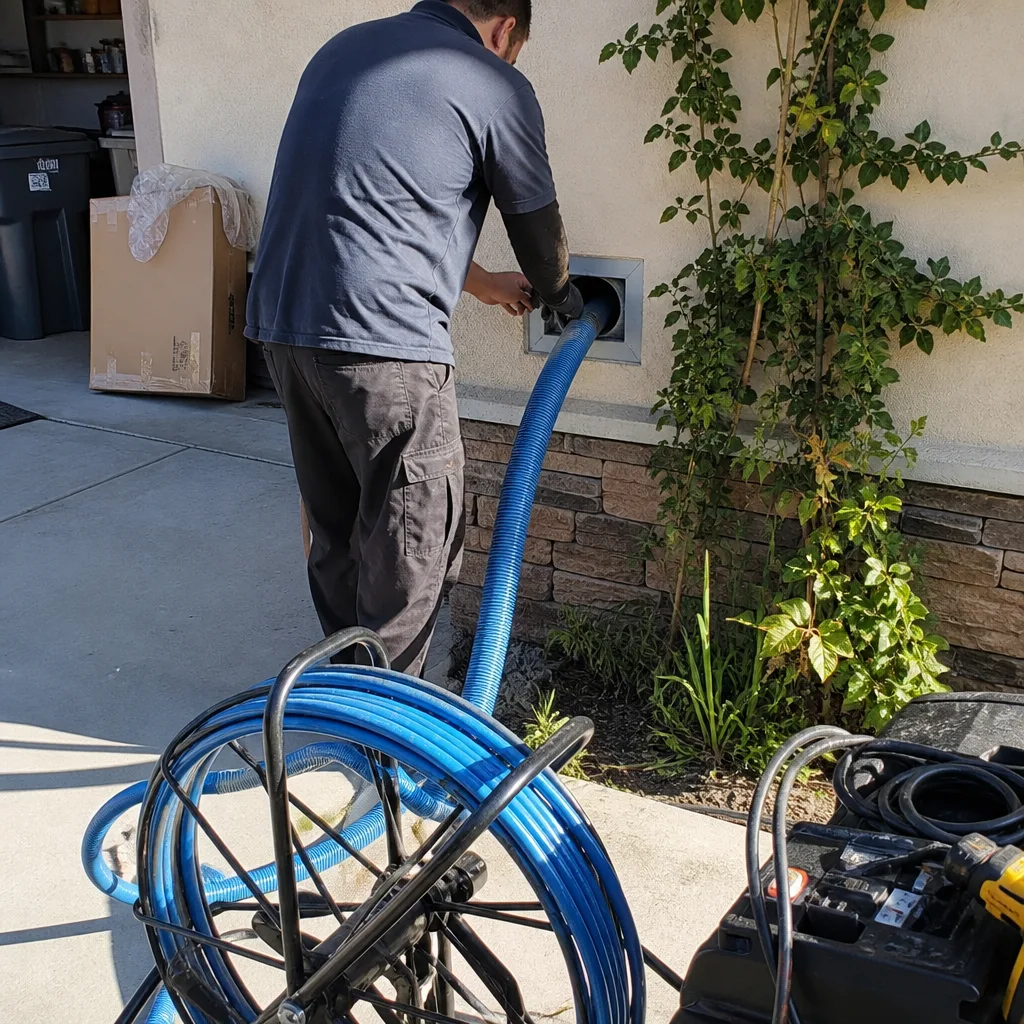 After
After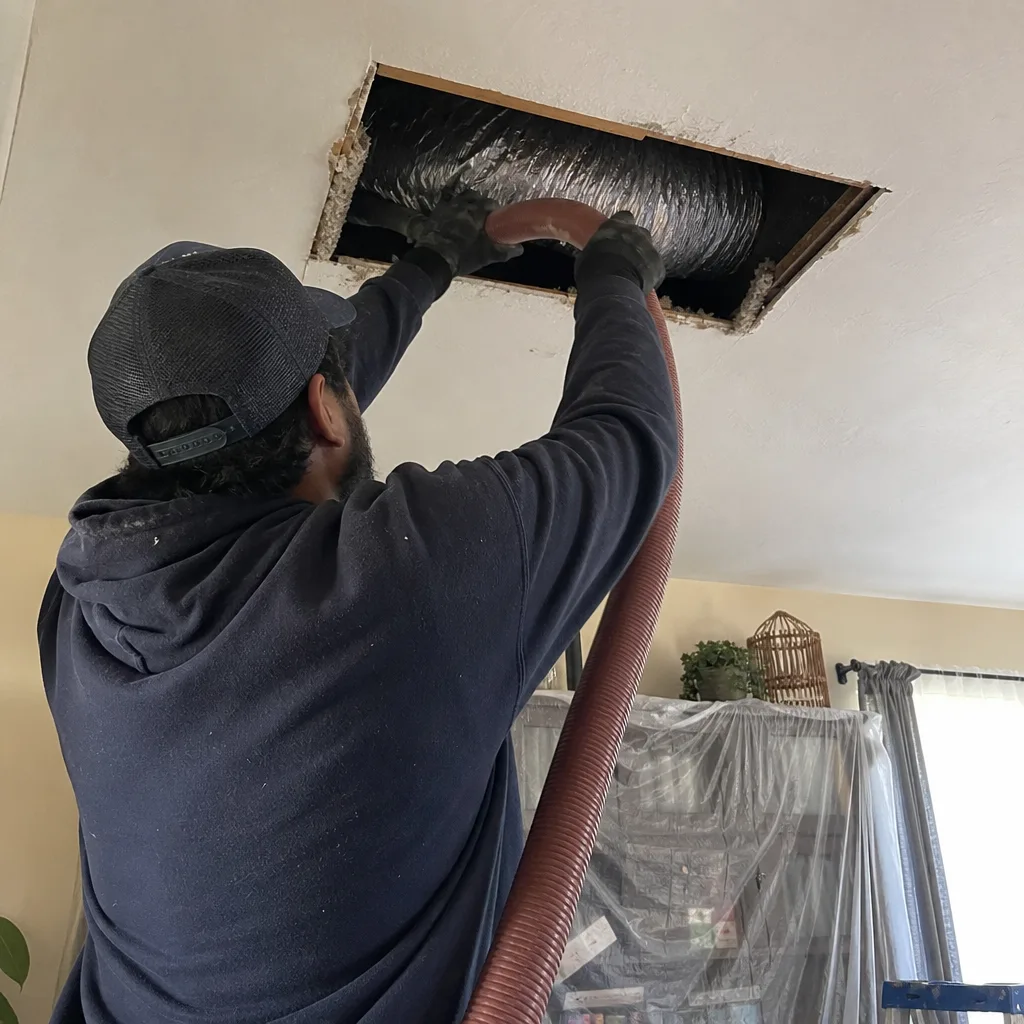 Before
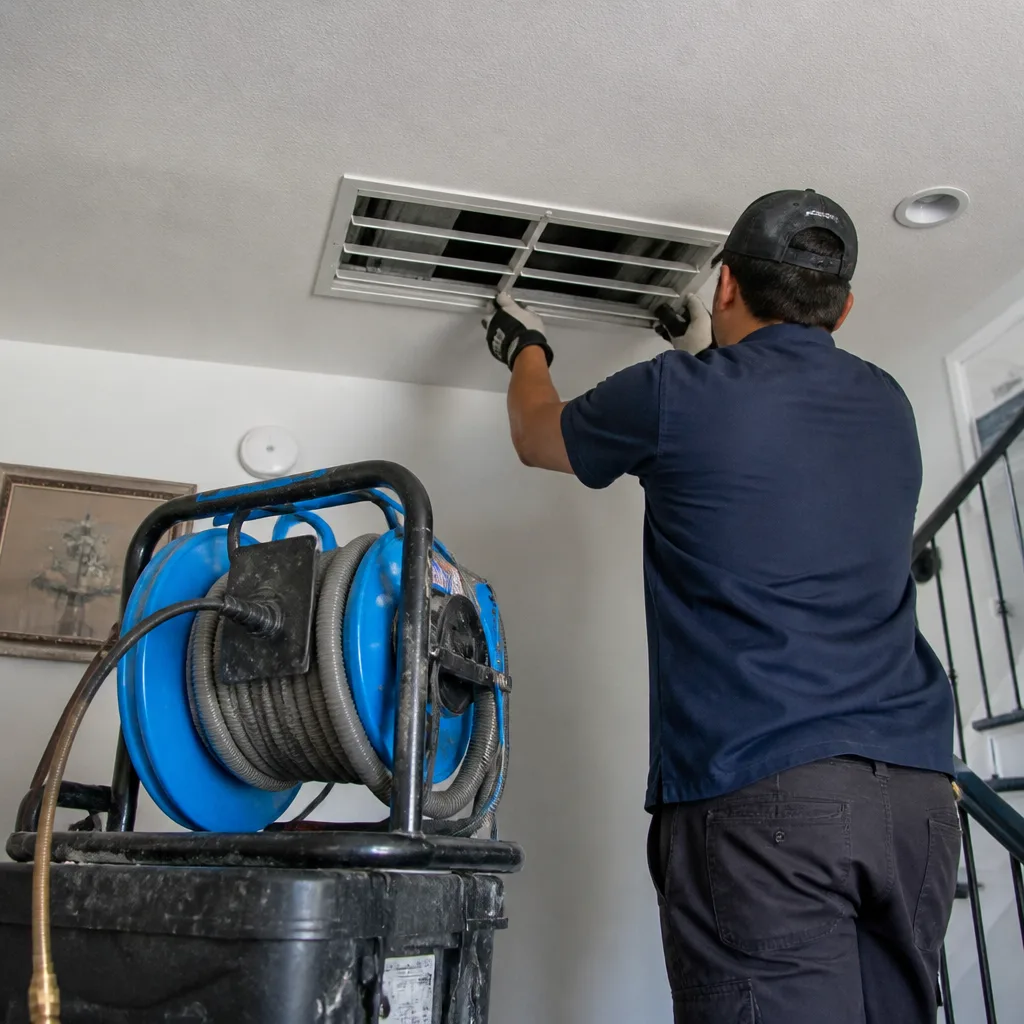 After
After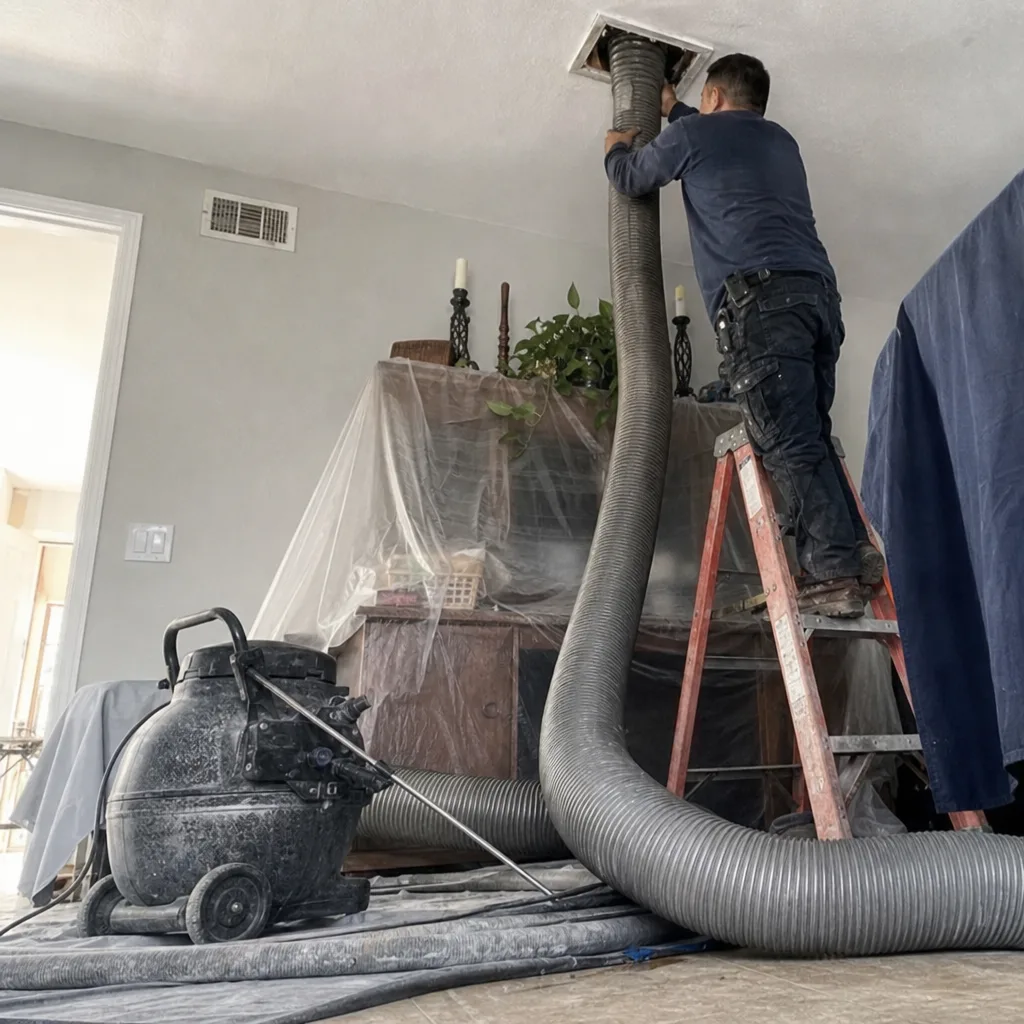 Before
 After
AfterDryer Vent Cleaning Warning Signs Every Homeowner Should Know
Your dryer isn’t slow because it’s aging. It’s slow because something is blocking hot, moist air from escaping, and that blocked air is looking for another way out. In Los Angeles, where laundry rooms often sit in tight hallway closets or attached garages without much airflow to begin with, a restricted dryer vent turns from an efficiency problem into a safety problem faster than most people realize. This guide walks you through the warning signs we look for on every our Dryer Vent Cleaning services call, which ones mean “schedule a cleaning soon” versus “stop using the dryer today,” and how to check your own vent in under two minutes without any special tools.
Quick Answer
The most common dryer vent cleaning warning signs are clothes taking longer than one full cycle to dry, a dryer exterior that feels hot to the touch, a burning or musty smell on “clean” laundry, and a vent flap outside that doesn’t open when the dryer runs. Any one of these signals means the vent is at least partially blocked and should be inspected. If you notice a burning smell or the dryer shuts itself off mid-cycle, stop using it immediately.
Table of Contents
- Why Dryers Slow Down: It’s Almost Never the Machine
- Schedule-Soon Signs: What a Partially Blocked Vent Looks Like
- Stop-Today Signs: When to Shut the Dryer Off
- The Touch Test: Reading Heat Like a Technician
- The Clothing Smell Signal: It’s Not Your Detergent
- The 90-Second Exterior Vent Cap Check
- Why Homes with Pets and Kids Need This More
- Common Mistakes to Avoid
- When to Call a Professional
- Frequently Asked Questions
Why Dryers Slow Down: It’s Almost Never the Machine
Here’s the pattern we see across Los Angeles, from West Adams bungalows to Valley ranches: a family notices the dryer takes two cycles to finish a load, so they assume the heating element is wearing out. They call an appliance repair person. The repair person tests the element, the thermostat, the belt. Everything checks out. The dryer still takes forever.
The actual culprit in the overwhelming majority of these cases is lint buildup inside the vent duct, the flexible or rigid pipe that runs from the back of the dryer to the outside. A dryer works by pulling room air in, heating it, tumbling it through wet clothes, and then pushing that now-hot, now-humid air out through the vent. Lint is inevitable. A standard lint trap catches maybe 70 to 80 percent of what comes off your clothes. The rest travels into the duct, where it collects on bends, joints, and the vent cap itself.
As that layer thickens, the dryer still heats normally. It still tumbles. But it can’t push the wet air out efficiently. So the wet air lingers in the drum longer, and your clothes take longer to dry. The machine is fine. The airway isn’t.
In our experience at Morton’s Air Duct Cleaning home, more than half the dryers we inspect in Los Angeles homes have never had their vents cleaned, even in houses where the HVAC ducts get regular attention. Dryer vents are easy to forget because they hide behind the machine and behind the wall. But they narrow over time, and a narrowed vent changes how your dryer behaves in ways that are easy to misread.
Schedule-Soon Signs: What a Partially Blocked Vent Looks Like
These are the early warning signs. Any one of them means your vent is starting to close off and you should schedule a cleaning in the next few weeks. Two or more means you should move faster.
- Clothes need a second cycle to fully dry. This is the most common first sign. A load that used to dry in 45 minutes now needs 90. The dryer’s moisture sensor keeps running the cycle because the humid air isn’t escaping fast enough.
- The laundry room feels warmer and more humid than the rest of the house. That heat and moisture has to go somewhere, and a blocked vent pushes some of it back into the room.
- You’re emptying the lint trap and it’s barely catching anything. This sounds backwards, but it makes sense: when the vent is clogged, airflow drops, so less lint reaches the trap. The trap looks clean because the lint is piling up further down the line instead.
- The dryer smells musty even when it’s empty. Lint that sits in a vent absorbs moisture, and damp lint grows mildew. That smell wafts back into the drum.
- The vent flap outside barely moves. A healthy vent pushes the flap open with visible force. A weak flutter means the air is finding resistance.
- You notice lint accumulating around the dryer base or behind the machine. When the duct can’t move air forward, backpressure forces lint out through small gaps in the connection.
None of these signs mean your dryer is about to catch fire tonight. But they mean the vent is working harder than it should, and that condition only worsens with every load. In Los Angeles, where many homes have longer vent runs because laundry areas sit in interior closets far from exterior walls, even a partial blockage has an outsized effect.
Stop-Today Signs: When to Shut the Dryer Off
This is the distinction most more guides & resources skip. Some signs mean “add it to the list.” Others mean “do not run another load until this is inspected.” Here’s how we tell the difference.
Stop using the dryer today if you notice any of these:
- A burning smell that you can’t attribute to anything else. Lint is extremely flammable. If lint near the heating element or inside the duct is smoldering, you may smell it before you see it. Shut the dryer off, unplug it, and don’t run it again until a technician has looked at the vent.
- The dryer shuts itself off mid-cycle. Most modern dryers have thermal safety switches that trip when temperatures inside the machine run too high. That switch is doing its job. The cause is usually a blocked vent trapping heat. Repeated trips mean the machine is protecting you, and the message is “fix the vent.”
- The outside of the dryer is too hot to keep your hand on for more than a few seconds. A warm exterior is normal. A scorching one is not. That heat should be leaving through the vent, not radiating into the laundry room.
- You see visible smoke or smell gas. Gas dryers are rare in some parts of Los Angeles but common in others, especially in older neighborhoods with established gas lines. If you smell gas, shut off the dryer, don’t operate any appliances, and call your utility company first.
When in doubt, the safe move is to stop and get an inspection. A vent inspection is quick and inexpensive compared to what a fire or a ruined dryer costs.
The Touch Test: Reading Heat Like a Technician
Most homeowners think a hot dryer means it’s working hard. Technicians read heat differently: heat on the outside of the machine is heat that failed to leave. Here’s a simple test anyone can do.
- Start a normal load on your usual setting. Use the same cycle and load size you always do. Don’t overload the drum, because that skews the test.
- At the end of the cycle, place your palm flat on the top of the dryer for five seconds. Warm is fine. A dryer that’s working correctly will feel noticeably warm, maybe even hot, but not alarming.
- Keep your hand there for a full ten seconds. If you have to pull away before ten seconds because it’s uncomfortable, that’s a red flag. On a machine with a clear vent, we’d expect the top to be warm but tolerable.
- Repeat the test on the next load. If both loads leave the top hot enough to make you flinch, the vent is likely the problem, not the dryer.
There’s a second part to the touch test: the exterior wall around the dryer. Place your hand on the wall behind and beside the machine while it runs. If that wall feels damp or warm, hot moist air is escaping into the wall cavity instead of out the vent. In Los Angeles, where many homes have drywall over older plaster, that trapped moisture can quietly damage the wall and invite mold before you ever see a stain.
The Clothing Smell Signal: It’s Not Your Detergent
We hear this one constantly: a family tells us their clothes come out of the dryer smelling musty or faintly burnt, and they’ve been switching detergents trying to fix it. They blame the washer. They blame the water. They rarely blame the dryer, because the dryer’s job is to make things dry and hot, and hot feels like it should kill smells.
The reality is more specific. Clothes that smell musty after a dry cycle are usually sitting too long in damp, slow-moving air. When the vent is partially blocked, the final minutes of the cycle leave clothes just slightly damp, even though they feel dry to the touch. Fold them, put them in a drawer, and that hidden moisture turns stale. The smell you detect isn’t in the clothes. It’s in the air that was being pushed through them.
A burnt smell is different and more serious. Lint produces a distinct odor when heated, like hot paper or faint electrical burning. If you smell that on clothes fresh from the dryer, particularly on thicker items like towels or jeans that hold heat longer, there’s a good chance lint has accumulated close to the heating element or inside the duct near the machine. Don’t rationalize this one as “the dryer’s just old.” Old dryers smell like nothing. Blocked vents smell like burning lint.
One way to distinguish the source: sniff the dryer drum when it’s cold and empty. If the machine itself smells musty or burnt while it’s not running, the smell is coming from inside the appliance or the vent connected to it, not from the laundry. That’s your answer.
The 90-Second Exterior Vent Cap Check
You don’t need tools for this. You don’t need to move the dryer. You need to walk outside to where your dryer vent exits the house, look at the cap, and answer three questions. This check works on most Los Angeles homes, where vent exits usually sit on an exterior wall, under an eave, or through the roof.
Step one: look at the flap. Most vent caps have a hinged flap or a set of slats that open when the dryer pushes air out and close when it’s off. A healthy flap sits fully closed when the dryer is idle. If it’s stuck partially open, hanging loose, or missing entirely, warm air can backdraft into the vent, and from there, pests can make their way in. Birds, rodents, and insects all find dryer vents attractive, and a broken flap is an open invitation.
Step two: run the dryer and watch. Go outside while the dryer is running, or ask someone to turn it on while you stand at the vent. The flap should open decisively within a few seconds and stay open with strong, steady airflow. You should be able to feel the air from several inches away. If the flap barely moves, flutters weakly, or doesn’t open at all, the vent is restricted somewhere between the dryer and the exit.
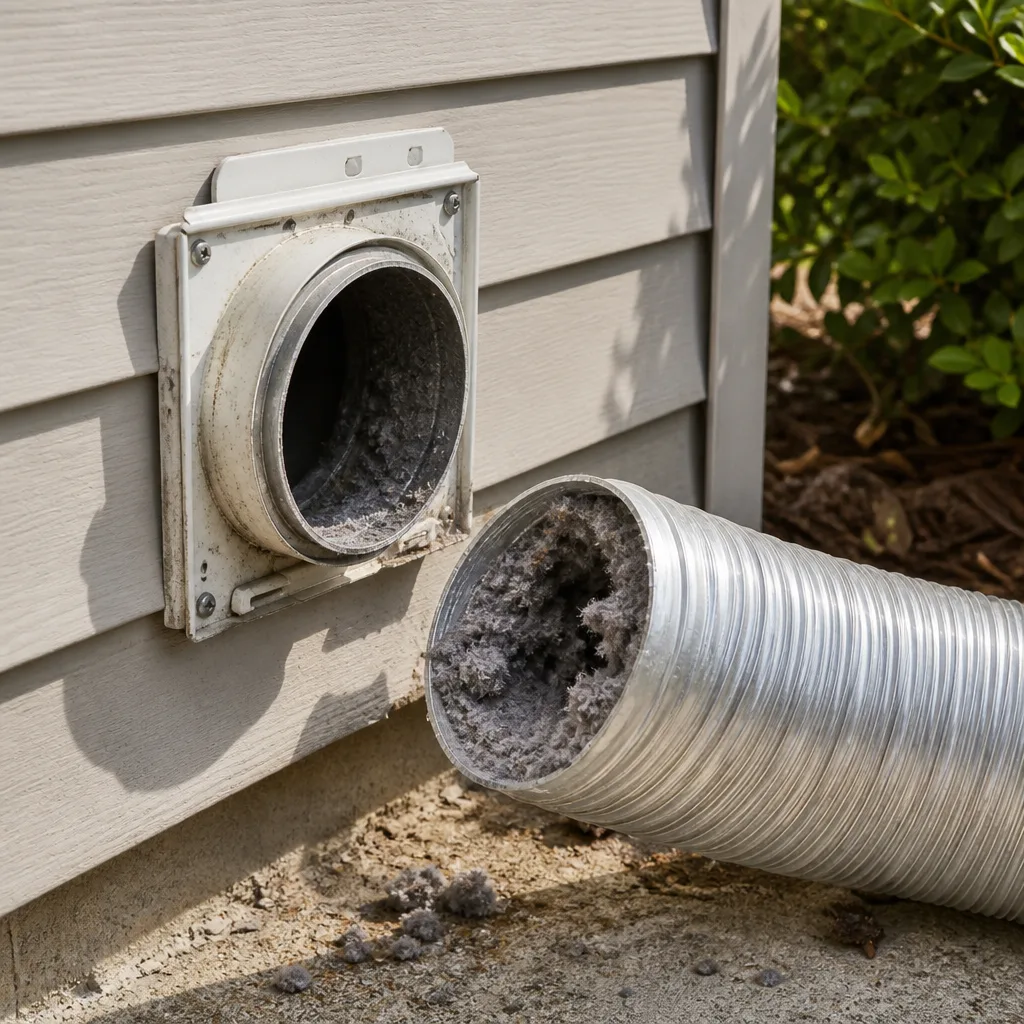
Step three: look for lint around the opening. A little lint is normal. A visible buildup, or lint that’s collected on the wall or in the bushes below the vent, tells you the duct is carrying more lint than it should be and already depositing some of it before it exits. In Los Angeles, homes with stucco exteriors tend to trap lint against the textured wall, making buildup easier to spot.
This check takes about 90 seconds, and it’s the single most reliable DIY diagnostic for a blocked dryer vent. If the flap doesn’t move, schedule a cleaning. If the flap is missing or broken, replace the cap as well, not just the cleaning.
Why Homes with Pets and Kids Need This More
Lint is mostly clothing fiber, but it includes everything else your dryer pulls from fabrics: pet hair, human hair, dust, skin cells, and the fine particles that settle into blankets and bedding. Homes with dogs, cats, and young children produce significantly more of all of it.
Consider what goes through a family dryer in Los Angeles on a normal week: dog beds, cat blankets, crib sheets, stroller liners, towels that wiped up spilled milk, clothes covered in playground dust. Each of those items sheds fiber at a higher rate than adult clothing alone. Add a long-haired dog or two, and the lint trap can’t keep up. More lint reaches the vent, and it collects faster.
We also see this in the timing. Families with children run more loads per week, often on a tight schedule around school, work, and bedtime. The dryer gets less rest between cycles, so the vent never fully cools or dries out. That constant use compresses lint into denser clogs, and a denser clog is harder to clear and more likely to trap heat.
For homes with pets and young kids, we recommend an annual dryer vent inspection even if no warning signs are present. It’s the one service where the schedule is set by the household’s fiber production, not just by elapsed time. If you’re in a home with three dogs and two kids and you’ve never had the vent cleaned, you’re likely overdue.
Common Mistakes to Avoid
- Assuming the lint trap catches everything. It doesn’t. The trap is a first line, not a complete solution. A cleaning schedule based on “I empty the trap every load” will still leave the vent filling with the lint the trap missed.
- Replacing the dryer before checking the vent. We’ve seen perfectly good machines replaced because the owners assumed the dryer was old and worn out, when the real issue was a vent that hadn’t been cleaned in a decade. Before you spend $800 on a new dryer, spend a fraction of that on a vent inspection.
- Using foil tape to patch a visible leak instead of addressing the cause. If the duct connection at the back of the dryer is leaking lint, taping over the gap traps lint inside the wall. The leak is a symptom of pressure building behind a blockage, not a standalone problem.
- Stuffing the dryer into a tight space and calling it done. The accordion-style foil ducts sold at hardware stores are meant to be temporary. When a dryer is pushed back into a tight Los Angeles utility closet, that flexible duct gets crushed and kinked, and a crushed duct blocks airflow as effectively as a lint clog. Every time the dryer is moved, the duct should be checked.
- Ignoring a vent flap that stays open because “it’s just the wind.” A flap that’s permanently open lets outdoor air, dampness, and pests into the vent. In coastal areas of Los Angeles, the marine layer adds moisture to that equation, and damp lint clings to duct walls and hardens.
- Running the dryer overnight or while the house is empty. If a thermal event happens, you want to be awake and present to catch it early. A blocked vent is most dangerous when nobody’s around to notice the smell or the heat.
- Thinking vent cleaning is a one-time fix. Lint returns with every load. Regular cleaning is maintenance, not a repair. How often depends on the household, but the homes we serve with kids and pets typically need it annually.
When to Call a Professional
Call a professional if any of these apply: your dryer takes more than one full cycle to dry a normal load, the top of the machine is too hot to keep your hand on for ten seconds, you smell burning or mustiness on clean laundry, or the exterior vent flap doesn’t open when the dryer runs. Also call if you’ve never had the vent inspected despite years of regular dryer use, or if you’ve just moved into a home where the previous owner’s cleaning habits are unknown.
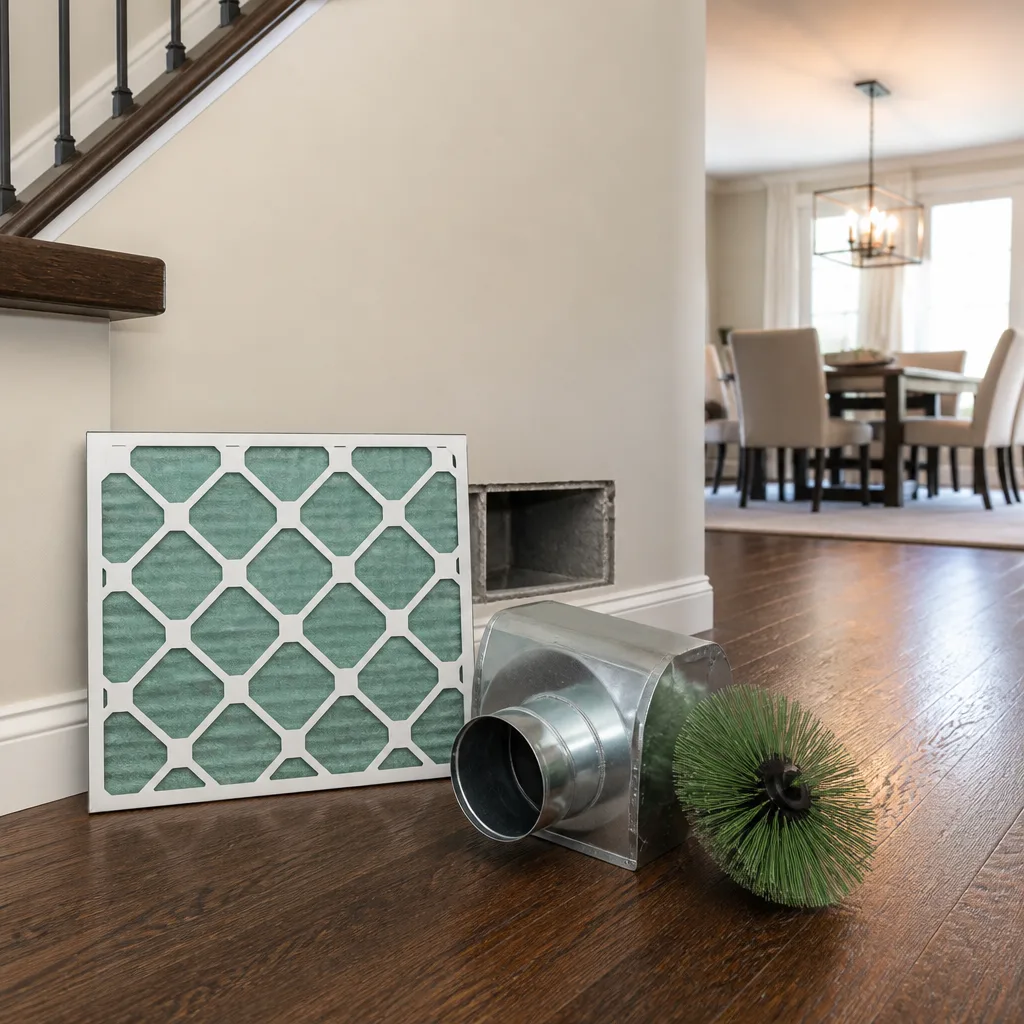
At Morton’s Air Duct Cleaning in Los Angeles, we start with a written price before any work begins, so you know exactly what the visit will cost before we arrive. Our technicians use professional equipment from brands like Nikro and Rotobrush, which reach the full length of the duct and remove lint that a hardware-store brush leaves behind. Air duct cleaning in Los Angeles is a separate service, but we often find homes benefit from addressing both the dryer vent and the household ducts together. Every job ends with a photo of the clean-up so you can see the condition we leave behind. For a free estimate, call (323) 918-4345.
Frequently Asked Questions
Your dryer vent is likely clogged if clothes take more than one full cycle to dry, the dryer feels unusually hot to the touch, you smell mustiness or burning on clean laundry, or the exterior vent flap doesn’t open with strong airflow while the dryer runs. Any one of these is enough to warrant an inspection, and two or more signal a significant blockage. For an exact assessment of your vent’s condition in Los Angeles, call (323) 918-4345, or read How Long Does Dryer Vent Cleaning Take? Timelines and What to Expect.
Most homes in Los Angeles should have their dryer vents inspected and cleaned once a year. Homes with multiple pets, young children, or unusually long vent runs should lean toward every 9 to 12 months, since these factors increase lint production and reduce airflow. The schedule matters less than the warning signs: if your dryer behaves differently, schedule a cleaning regardless of the calendar.
A burning smell from the dryer usually means lint has accumulated close to the heating element or inside the vent duct and is being heated past a safe point. This is a stop-using-the-dryer-today situation. Shut the machine off, unplug it, and schedule an inspection before running another load.
Yes. Lint is highly flammable, and a clogged vent traps heat inside the dryer and duct, creating the conditions for lint to ignite. This is why the stop-today warning signs, not just the schedule-soon signs, are worth taking seriously. An annual vent cleaning is the simplest prevention.
Musty-smelling clothes after a dry cycle usually result from a partially blocked vent that leaves laundry slightly damp at the end of the cycle. That residual moisture turns stale, and the smell transfers to your clothes. If you’ve already ruled out the washer, the dryer vent is the next place to look.
Yes. The lint trap only catches a portion of the lint your laundry produces. The rest travels into the vent and accumulates over time, regardless of how carefully you maintain the trap. Regular vent cleaning addresses the buildup the trap can’t stop.
The Bottom Line
Your dryer tells you when the vent is failing. Clothes that take longer to dry, a machine too hot to touch, a musty or burnt smell on laundry, and a vent flap that doesn’t open are all measurable signals you can check yourself in minutes. The difference between a schedule-soon sign and a stop-today sign is the difference between a routine cleaning and a real hazard. In Los Angeles, where laundry rooms run warm and vent runs run long, an annual inspection makes sense for every household, especially those with pets and kids. Watch for the signs, check the flap, and call a professional when the dryer stops behaving the way it should.
Written by Paul Adeyemi, Owner at Morton’s Air Duct Cleaning, serving Los Angeles since 2005.