
Last updated October 8, 2026
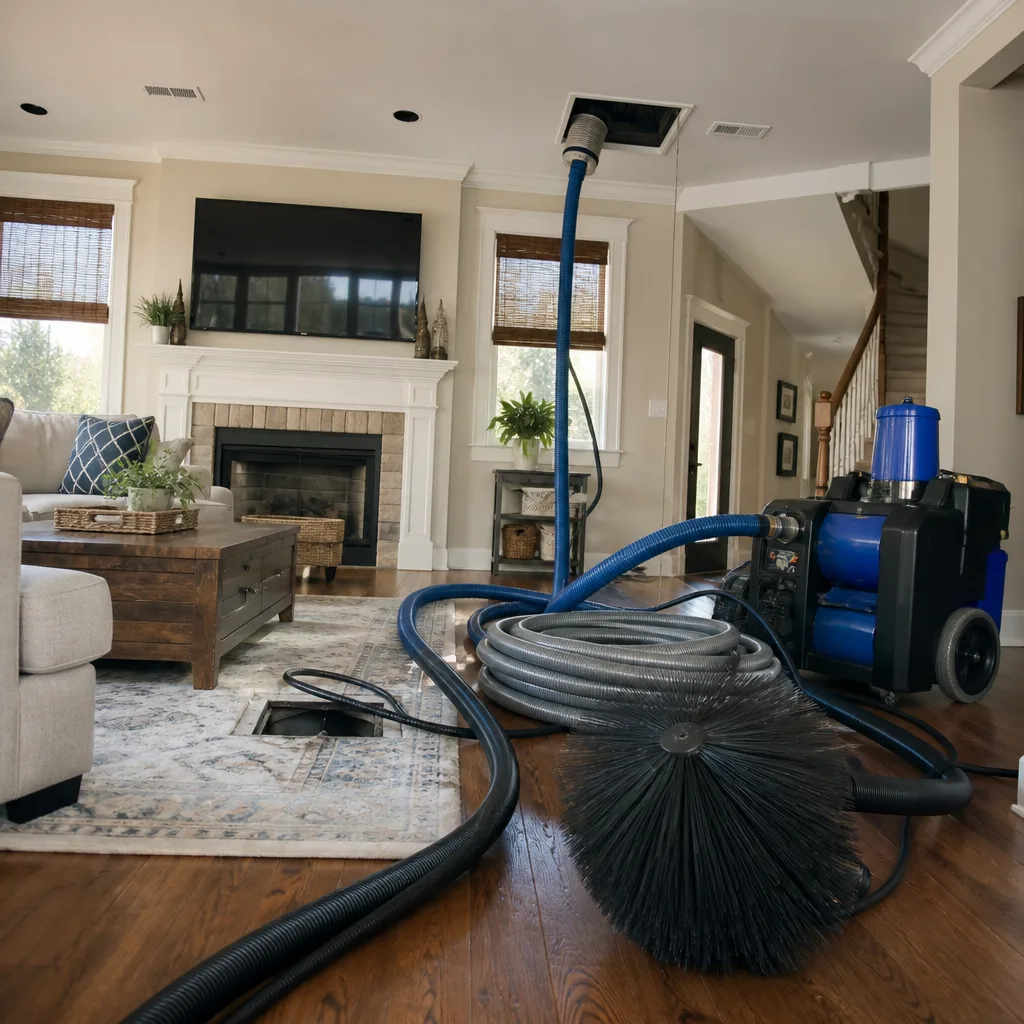
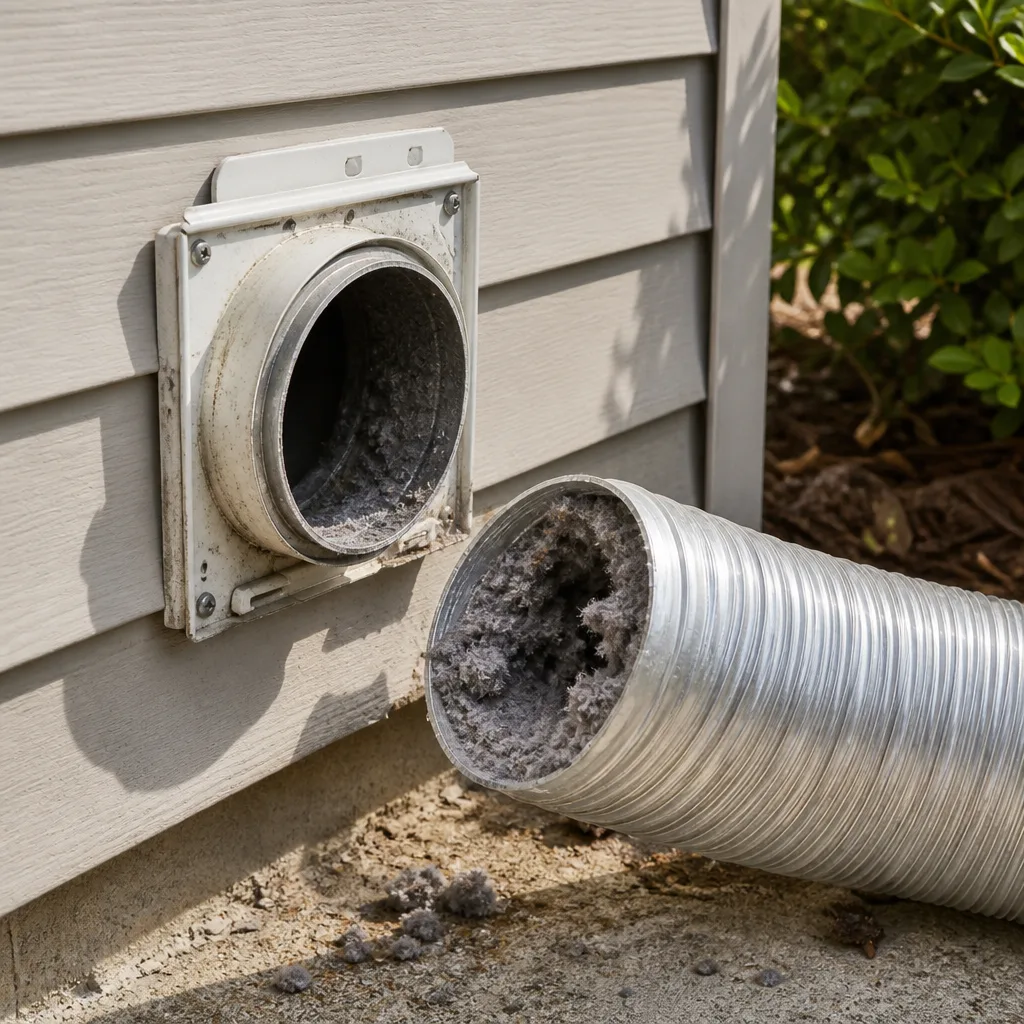
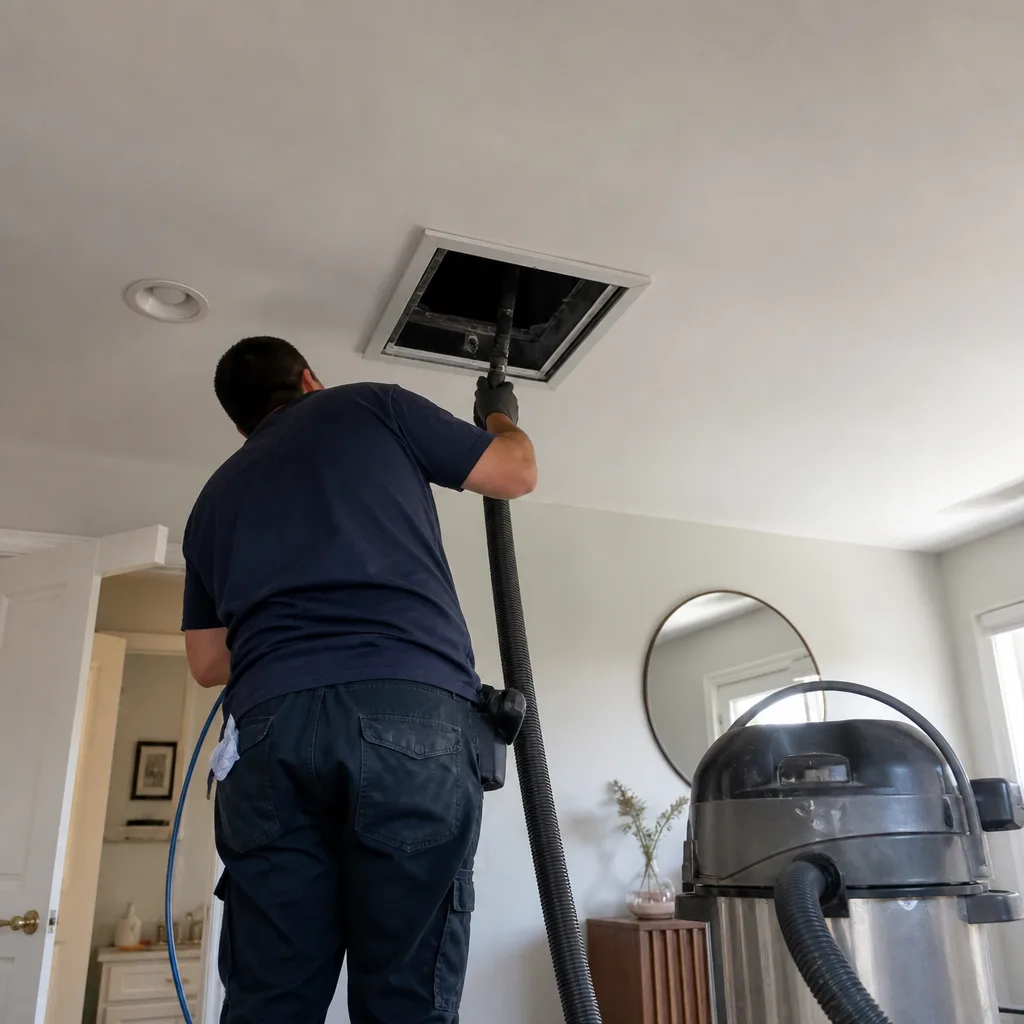
Whole-system duct and dryer vent check with before-and-after photos - you see exactly what came out of your vents
That "$99 whole-house special" is a bait ad - the real number appears once they are in your hallway, or the "clean" is a shop-vac at the register. We photograph the inside of your ducts before and after instead.
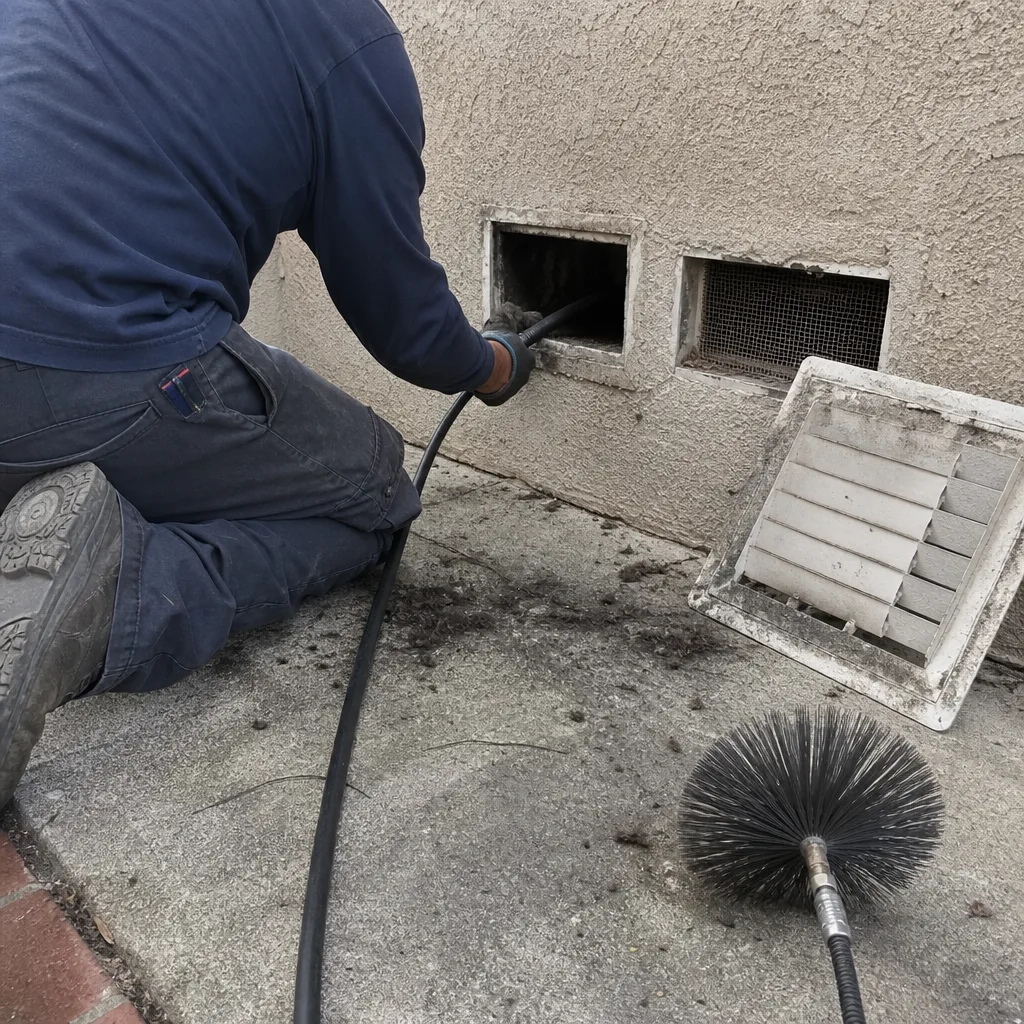 Before
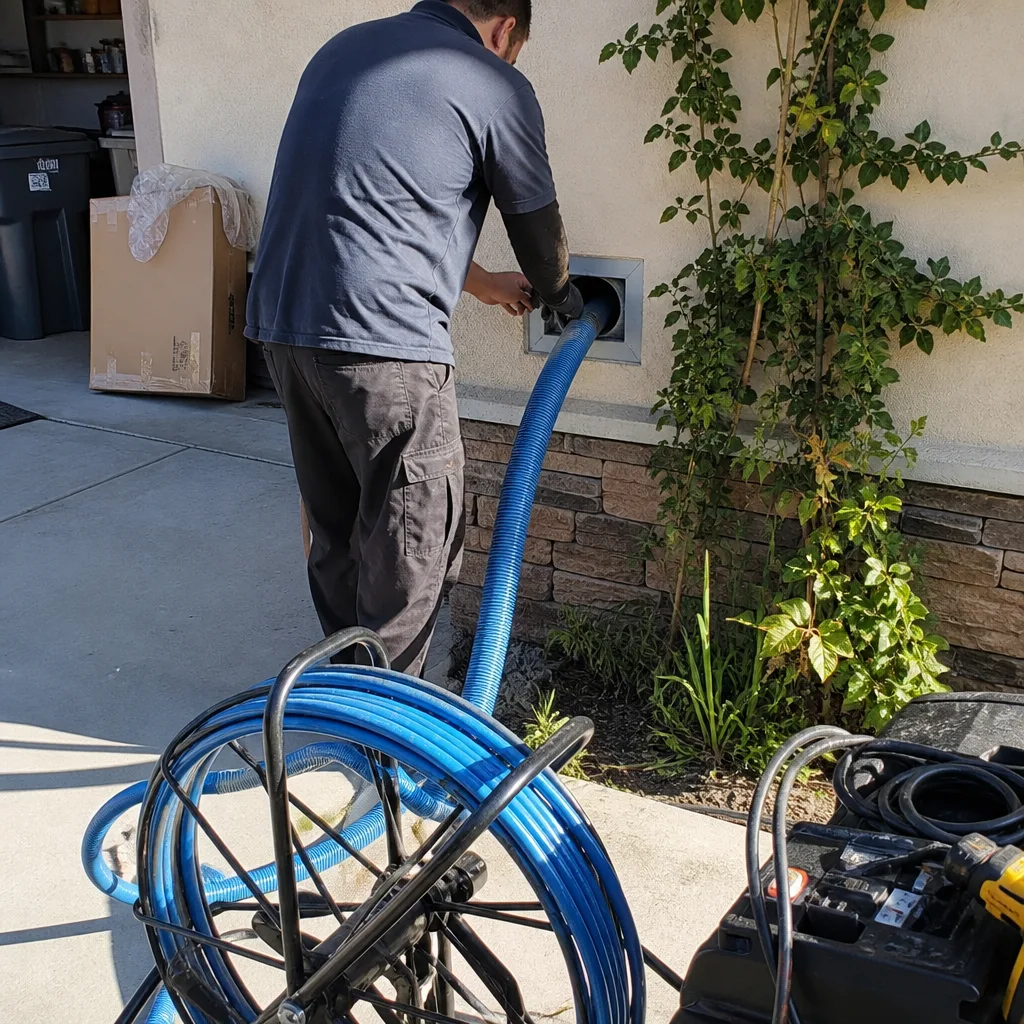 After
After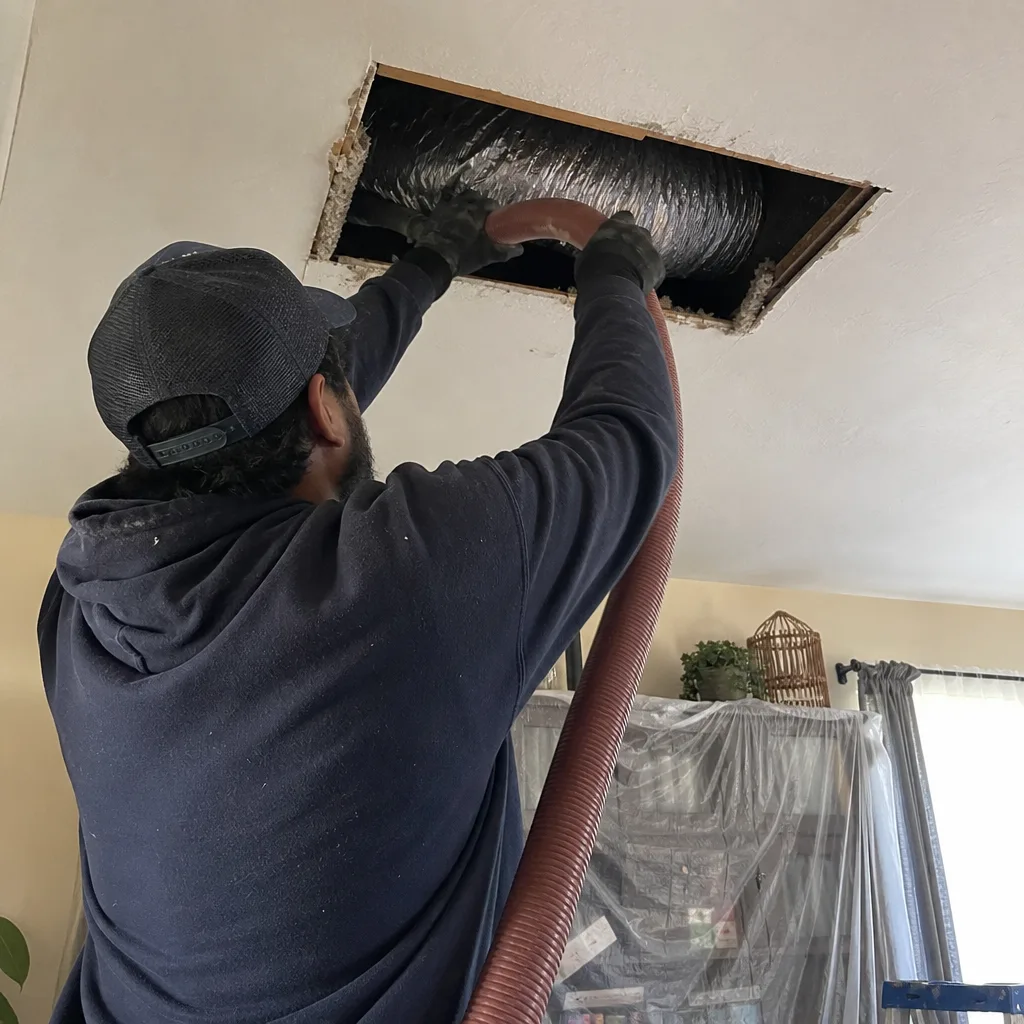 Before
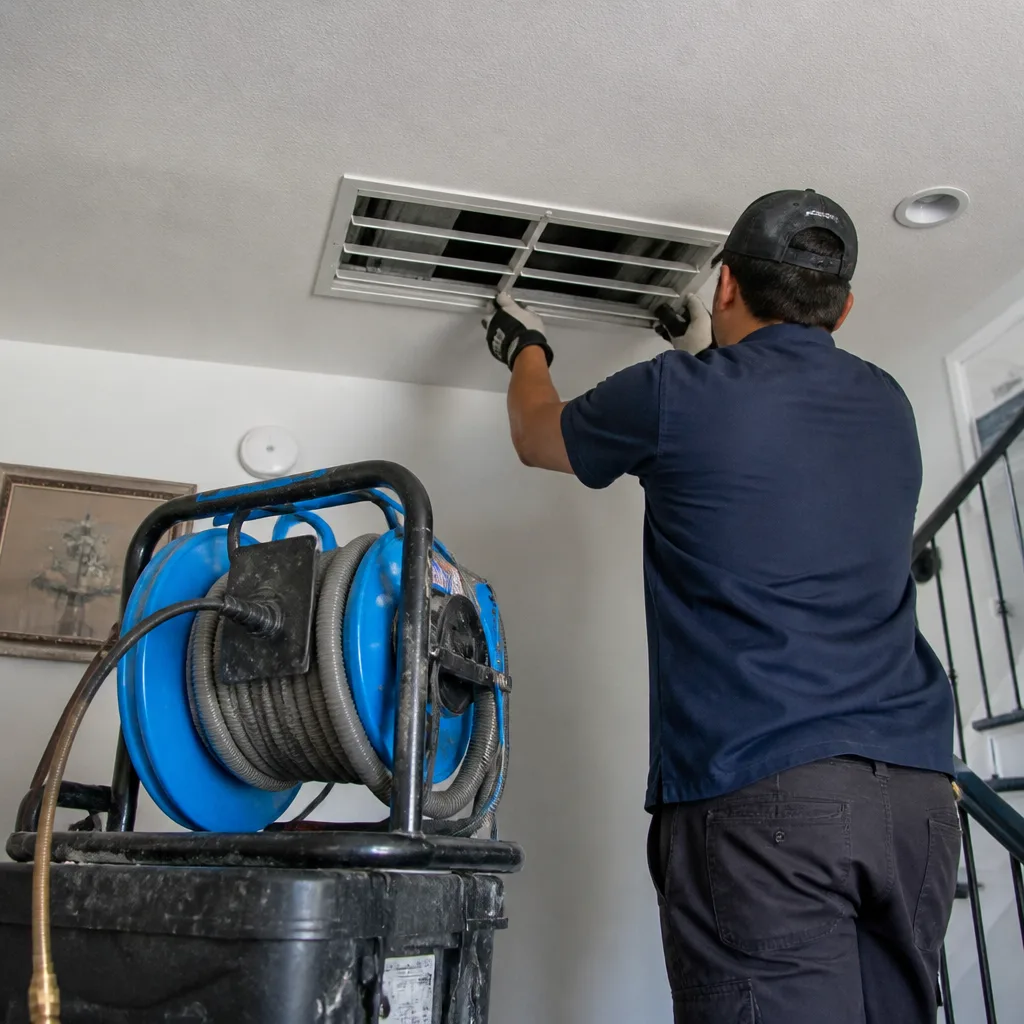 After
After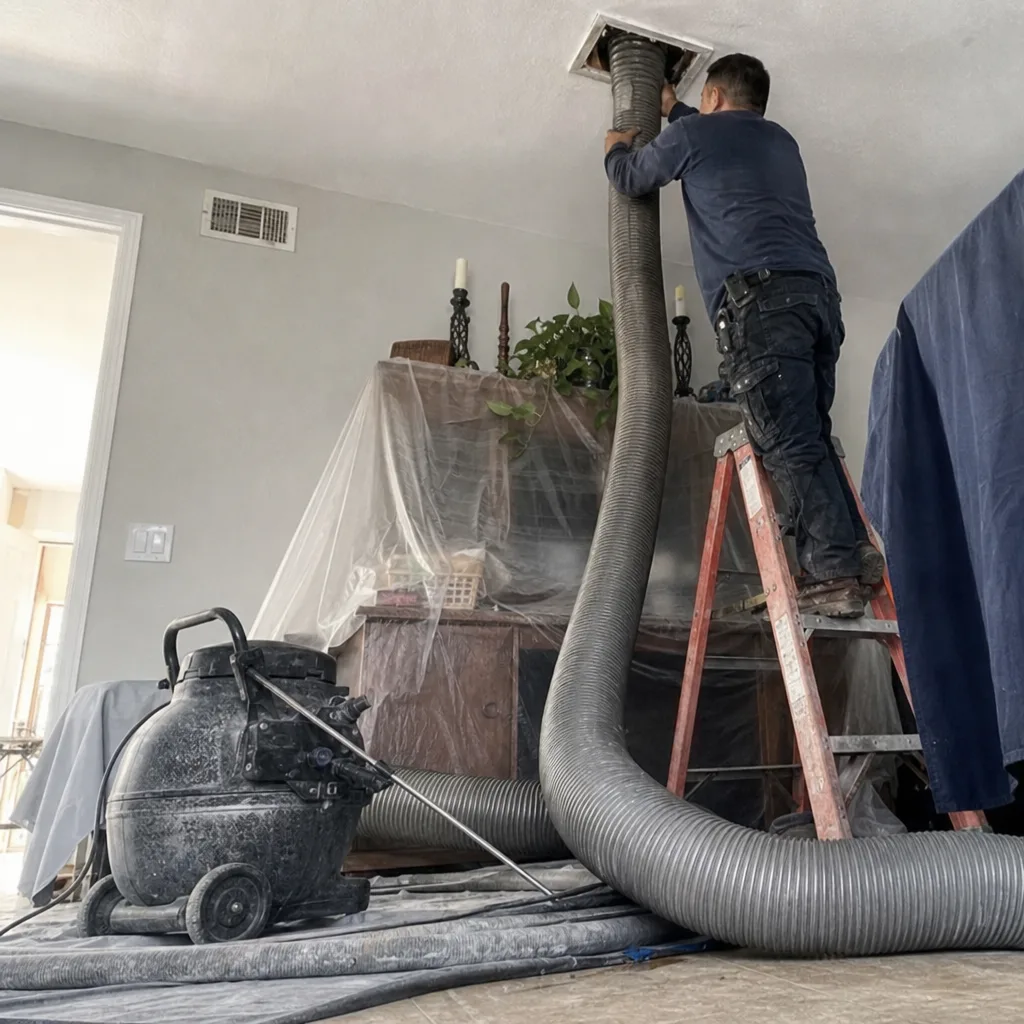 Before
 After
AfterAir Duct Cleaning Warning Signs Every Homeowner Should Know
If you’ve dusted the same coffee table three times in two weeks and it looks identical each time, the dust isn’t drifting in from outside. It’s being pushed back into the room by your HVAC system. At Morton’s Air Duct Cleaning, we’ve walked into Los Angeles homes where a family had been fighting dust for months before anyone thought to look inside the ducts. This guide reframes the warning signs as patterns, not single events, so you catch the problem early. You’ll learn how to tell the difference between normal household grime and duct-sourced buildup, how to spot the visual clues at your vents, when allergy symptoms point to your HVAC rather than LA’s pollen season, and the renovation red flag most homeowners never connect to their ducts. By the end, you’ll know exactly what to check before deciding whether your system needs a professional clean.
Quick Answer
Your air ducts likely need cleaning if you notice dust reappearing on surfaces within days of wiping them, see visible dust or debris clinging to vent covers, notice your HVAC running triggers allergy symptoms in your household, or find that some rooms consistently get less airflow than others-these are the Air Duct Cleaning Warning Signs: A Los Angeles Homeowner’s Reference Guide in action. These signs usually cluster together rather than appearing alone, and the key is recognizing the pattern early instead of waiting for the system to clog visibly.
Table of Contents
- How to Tell Normal Household Dust from Duct-Sourced Dust
- The Flashlight Test at Your Return-Air Grille
- Allergy and Asthma Symptoms That Correlate with the HVAC Running
- Uneven Airflow Between Rooms: The Register-by-Register Test
- The Post-Renovation Warning Sign Most Homeowners Miss
- Odors and Sounds Coming from the Vents
- How Often Los Angeles Homes Actually Need Duct Cleaning
- Common Mistakes to Avoid
- When to Call a Professional
- Frequently Asked Questions
How to Tell Normal Household Dust from Duct-Sourced Dust
Every home has dust. The question isn’t whether you have it, but whether your HVAC system is manufacturing it. Here’s the diagnostic distinction: normal household dust settles slowly and evenly over a week or more. Duct-sourced dust reappears within 24 to 48 hours of a thorough cleaning, and it often lands in the same spots repeatedly. You’ll see it on horizontal surfaces directly below or near supply vents, on ceiling fan blades that face a vent, and forming a light film on electronics and screens. In Los Angeles, where many homes run air conditioning daily from April through October, the airflow is constant enough that duct dust gets redistributed before it has time to fully settle. If you live in the San Fernando Valley or the Westside and keep windows closed for most of the year, exterior dust has no way into the house. What you’re wiping off the bookshelf each week is coming from inside the system. That’s the pattern to watch.
The texture of the dust matters too. Household dust tends to be fine and grayish, a mix of skin cells and fabric fibers. Dust that’s been cycling through ducts for months looks different: darker, clumpier, sometimes with visible flecks of insulation or debris from the original construction. In older LA homes near Griffith Park or Echo Park, we see dust with a reddish-brown tint from decades of accumulated particles baked by attic heat. If the dust on your furniture looks like something you could sweep into a little pile and almost photograph as evidence, the ducts are the source.
Three Patterns That Point to Ducts, Not Housekeeping
- Reappearance speed. You dust the living room Saturday morning. By Monday evening, the same table has a visible film. Normal house dust doesn’t accumulate in 48 hours. A dirty duct system can distribute it that fast.
- Location consistently near vents. The dust is heaviest within four to six feet of a supply register. If the far corner of the room stays cleaner while the vent-adjacent surfaces are always dusty, that’s your HVAC blowing particulates into the room.
- Family and pet activity doesn’t explain it. A shedding dog will leave hair, not an even gray film on picture frames and lamp shades. If the dust is uniform across surfaces at different heights, the distribution mechanism is airflow, not foot traffic.
One honest note from our crews: some dust is unavoidable in a busy home with kids and pets. The distinction is whether your cleaning routine is keeping up or falling behind. If you’ve increased how often you dust and it’s making no difference, that’s not a housekeeping problem. It’s an airflow problem. And the Morton’s Air Duct Cleaning home team has walked into hundreds of Los Angeles homes where that simple realization came as a relief: the house wasn’t dirty, the system was.
The Flashlight Test at Your Return-Air Grille
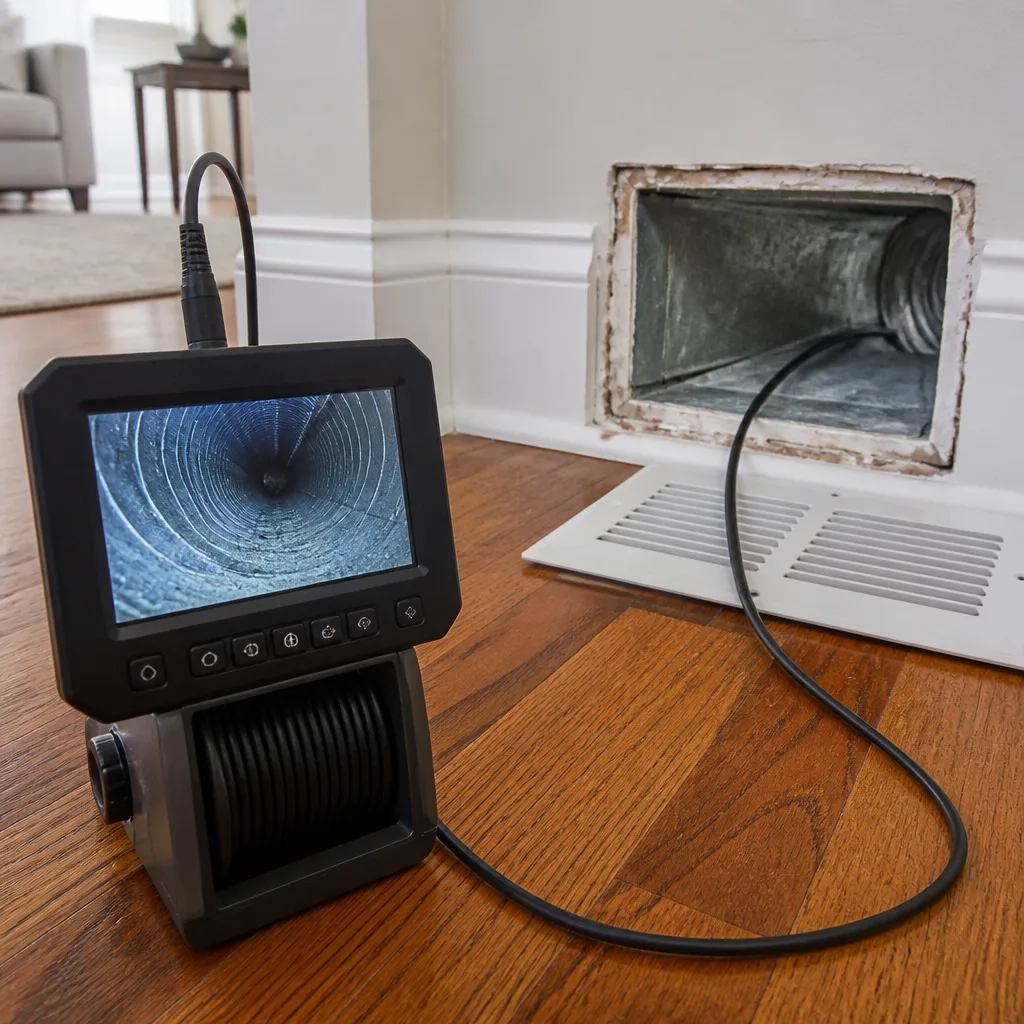
This is the single most useful thing you can do before calling anyone, and you can do it in under five minutes. The return-air grille is the vent that pulls air back into your HVAC system. It’s typically larger than the supply vents, mounted on a wall rather than a ceiling or floor, and often located in a hallway or near the thermostat. Turn off your system, hold a bright flashlight at an angle against the grille, and look inside. What you’re looking for falls into three categories: normal, buildup, and mold.
What normal looks like: a gray, flat coating of dust on the inside surface of the duct walls. Some dust is inevitable, even in a well-maintained system. If the coating is thin, uniform, and doesn’t flake or clump, and you can still see the metal underneath in places, your ducts are within a reasonable range for a Los Angeles home that’s been cleaned within the last three to five years.
What buildup looks like: thick, gray or brown material caked onto the duct walls, sometimes an eighth of an inch thick or more. You’ll often see fuzzy clumps, pet hair matted into the dust, or visible debris sitting in the bottom of the duct. If you can wipe the inside wall with a finger (use a tissue) and come away with a noticeable clump, that’s accumulation that’s been collecting for years. This is the stage where we see the dust-reappears-in-48-hours pattern at its worst. In Los Angeles’ dry climate, this buildup often gets baked brittle by the heat, then breaks off in chunks when airflow kicks on, which is why you’ll occasionally find small dark flakes on the floor near vents.
What mold growth looks like: spots or patches that are black, dark green, or brown, often with a musty smell when the system runs. Note that in LA’s climate, true mold growth in ducts is less common than in humid regions like Atlanta or New Orleans, but it does happen in coastal areas like Santa Monica, Venice, and Long Beach where marine layer moisture gets pulled into the system. If you see growth that looks organic rather than dusty, or you smell something earthy when the air kicks on, don’t wipe it yourself. That’s a job for professional inspection with proper equipment like the kinds of video inspection tools our technicians use from brands including Rotobrush and Nikro, not something to disturb with a household rag.
The flashlight test works because it shows you what’s in the duct where air enters the system. If that’s dirty, the air being pushed back out through your supply vents is dirty too. You can check supply vents the same way, though they tend to show less buildup since air is moving outward through them under pressure. The return side is where dust gets deposited on the way in.
Allergy and Asthma Symptoms That Correlate with the HVAC Running
Los Angeles allergy seasons are real, and they’re not the same in every neighborhood. The Eastside gets different pollen from Culver City. But here’s the diagnostic clue most people miss: seasonal allergies follow a calendar. Duct-related symptoms follow the thermostat. If someone in your household sneezes, coughs, or wakes with congestion primarily when the HVAC is running, and those symptoms ease within an hour of the system cycling off, the trigger is likely inside the system, not outside in the air.
Mold spores, dust mite debris, pet dander, and accumulated pollen get trapped in dirty ducts and then blown back into the living space every time the air handler kicks on. This creates a cycle that doesn’t match LA’s pollen forecasts. A family in Sherman Oaks we worked with noticed their daughter’s symptoms peaked at night in summer. That’s the hours when the AC runs hardest in the Valley heat. When we cleaned their ducts and replaced the old filter housing with a properly fitted Honeywell filter, the nighttime symptoms dropped within the first week. The household’s allergy trigger wasn’t outside air. It was the decade of accumulated dust being pushed through her bedroom vent.
The pattern to watch is correlation, not causation. Keep a simple note for two weeks: when symptoms flare, is the HVAC running? Does it happen in the car with AC on, or only at home? Do symptoms improve on days when the system runs less, like mild spring days in LA when you open windows? If the answer tracks with the HVAC rather than with the pollen count app on your phone, the ducts are a strong suspect. This is especially relevant in newer tightly-built LA houses and apartments that run mechanical ventilation nearly year-round. The building envelope seals out outdoor air, but it also means whatever is in the ducts stays in the ducts and keeps circulating through the indoor air you breathe.
A note for LA families with pets: dogs and cats shed constantly in our warm climate, since there’s no cold winter to trigger a thick seasonal coat and a single heavy shed. That means pet dander enters the system year-round. Dirty ducts hold onto dander and re-release it slowly. If your allergies tick up around your own pet but you test negative for pet allergies, the issue may be the dander load sitting in the ductwork, not the dog herself. The dog was never the problem. The duct work was.
Uneven Airflow Between Rooms: The Register-by-Register Test
In a Los Angeles home, whether it’s a 1920s bungalow in Highland Park or a 2000s build in Northridge, rooms should get roughly even airflow when the system runs. If one bedroom never cools in summer while the living room gets freezing, many homeowners assume the HVAC unit is undersized or the thermostat is in the wrong place. Sometimes that’s true. But far more often, the problem is simple: the duct run feeding that room is restricted. Dirt doesn’t distribute evenly through a duct system. It settles in runs of duct that bend, sag, or run horizontal through a hot attic. Over years, that restriction narrows the effective opening, and the room at the end of that run gets less and less air.
The register-by-register test is low-tech and takes about ten minutes on a day when the system has been running for at least thirty minutes. Here’s how to do it:
- Set your thermostat to fan-only mode if you have it, or set it to cool five degrees below room temperature so the system runs continuously.
- Walk to each supply register in the house and hold your hand about six inches directly in front of it.
- Note the force of the airflow. Does it feel the same in every room, or does one room feel noticeably weaker?
- Check the temperature too. A register blowing weak airflow is a restriction issue. A register blowing strong airflow but at room temperature is a duct insulation or damper issue, not a dirty duct issue. We’re concerned with the weak one.
- Repeat with a tissue held near the vent. If it barely flutters in one room and lifts strongly in another, you’ve found an airflow disparity.
If the weak-airflow room also shows more dust accumulation than other rooms, or the vent cover itself looks dark around the edges, that’s the duct restriction pattern in action. We clean ducts in Los Angeles homes from Pasadena to Playa del Rey and see this most often in rooms at the far end of the duct trunk from the air handler: the back bedroom, the converted garage, the upstairs addition. Those runs are the longest and most likely to accumulate debris. Cleaning them restores the airflow, and the room finally holds its temperature. It’s satisfying work, and it’s one of the most common problems we find that homeowners thought was an HVAC sizing issue. The unit was fine. The duct was constricted.
The Post-Renovation Warning Sign Most Homeowners Miss
You taped plastic over the vents during the remodel. The contractor said they’d protect the ducts. The work finished, you changed the filter, and everything looked fine. Now here’s the part nobody tells you: drywall dust and construction debris settle into ducts during remodels even when vents are taped, and they don’t always show up at registers for weeks. Here’s why. Drywall dust is extremely fine. It’s lighter than typical household dust, so it stays suspended in the air much longer during construction. It drifts into return-air openings even through small gaps in plastic sheeting. It settles into the horizontal runs of ductwork in the attic, where it may sit undisturbed for weeks. Then the first time the system runs harder, on a hot LA day or after a filter change increases airflow, that loose material gets blown through the registers. Suddenly you’re seeing a fine white film on everything the same week the remodel finished and wondering where it came from. It came from the ducts.
Los Angeles is a constant remodel market. From Koreatown condo renovations to South Bay home additions, drywall work happens year-round. If you’ve had any work done, especially plaster, drywall sanding, floor refinishing, or ceiling scraping, the ducts should be professionally cleaned before you settle back into the space. Even if you taped vents. Even if the workers were careful. Our crews have used Abatement Technologies equipment on post-renovation jobs where the amount of drywall dust we pulled from the duct system filled multiple heavy-duty collection bags. It wasn’t visible at the registers. It was sitting in the trunk runs, waiting.
The test for post-renovation duct inspection is simple: go back to the flashlight test and look specifically for white or gray fine powder on the duct walls. Drywall dust looks different from household dust. It’s pale, uniform, and very fine, like cake flour. If you see that, call a professional. Don’t run the system more than necessary until the ducts are cleaned, because each cycle pushes more of that fine dust into your living space and into your lungs.
Odors and Sounds Coming from the Vents
Two more warning signs that don’t get enough attention. The first is a musty or stale odor that intensifies when the HVAC runs. Ducts in Los Angeles attics collect dust, and when that dust is exposed to heat-day and cool-night cycles, or when it absorbs moisture from the marine layer in coastal neighborhoods like Marina del Rey, it can take on a smell. You’ll notice it most when the system first cycles on, before the smell dissipates. That’s not something air fresheners fix. That’s the smell of accumulated organic material inside the ductwork. It doesn’t improve with time. It compounds.
The second is rattling, whistling, or flapping sounds from the vents. A rattle usually means debris has settled in the duct and is being moved by airflow, or a vent register has enough buildup on it that air movement is partially obstructed. A whistle happens when airflow passes through a narrowed opening, which restricted ducts create. These are mechanical cues that the system is working against a restriction. In our experience in Los Angeles, ignored airflow restrictions lead to the blower motor working harder and failing sooner. The ducts aren’t just dirty. They’re quietly stressing the equipment.
If you have a professional air duct cleaning done properly, both the odor and the sound should resolve. If they don’t, the issue may be elsewhere in the system, but dirty ducts are the most common culprit, and the simplest to address first.
How Often Los Angeles Homes Actually Need Duct Cleaning
The national guideline from NADCA is every three to five years. But Los Angeles isn’t a national-average city. Our climate is warm and dry for most of the year, which means AC runs for many more hours per year than in most US cities. More runtime means more air cycles through the system, and more air cycles means more dust deposited. Our air is also dustier than people realize. The LA basin traps particulate matter, and Santa Ana wind events in fall push more dust and debris through every available opening in a home. Combine those factors and we find that many Los Angeles homes need duct cleaning on the shorter end of that range: every two to four years. Homes with these factors tend to need it sooner:
- Multiple pets, especially dogs and cats that shed year-round in our warm climate
- A recent renovation or construction project in the home
- Household members with allergies or asthma
- Homes that use the HVAC system heavily from April through October
- Homes in neighborhoods near freeways, where brake dust and tire particulate enter through vents
- Older homes with original ductwork from the mid-century era, common in neighborhoods like Los Feliz and Leimert Park
This isn’t advice to clean ducts on a rigid schedule regardless of what you find. Use the flashlight test and the dust-pattern clues to make an informed decision. But if you can’t remember the last time the ducts were cleaned, and you’ve lived in your LA home for more than five years, the odds are strong that the system has accumulated enough material to matter. In our experience as dryer vent and duct cleaners in Los Angeles, the average system we see for the first time in a 10-year-old home carries between three and eight pounds of accumulated dust and debris. That’s material you’ve been sharing your air with for a decade.
Common Mistakes to Avoid
- Assuming one visible warning sign means the ducts are fine because another sign is absent. Duct buildup doesn’t present the same way in every home. A system can have significant accumulation in the return trunk while the supply vents look mostly clean. Check multiple locations, not one.
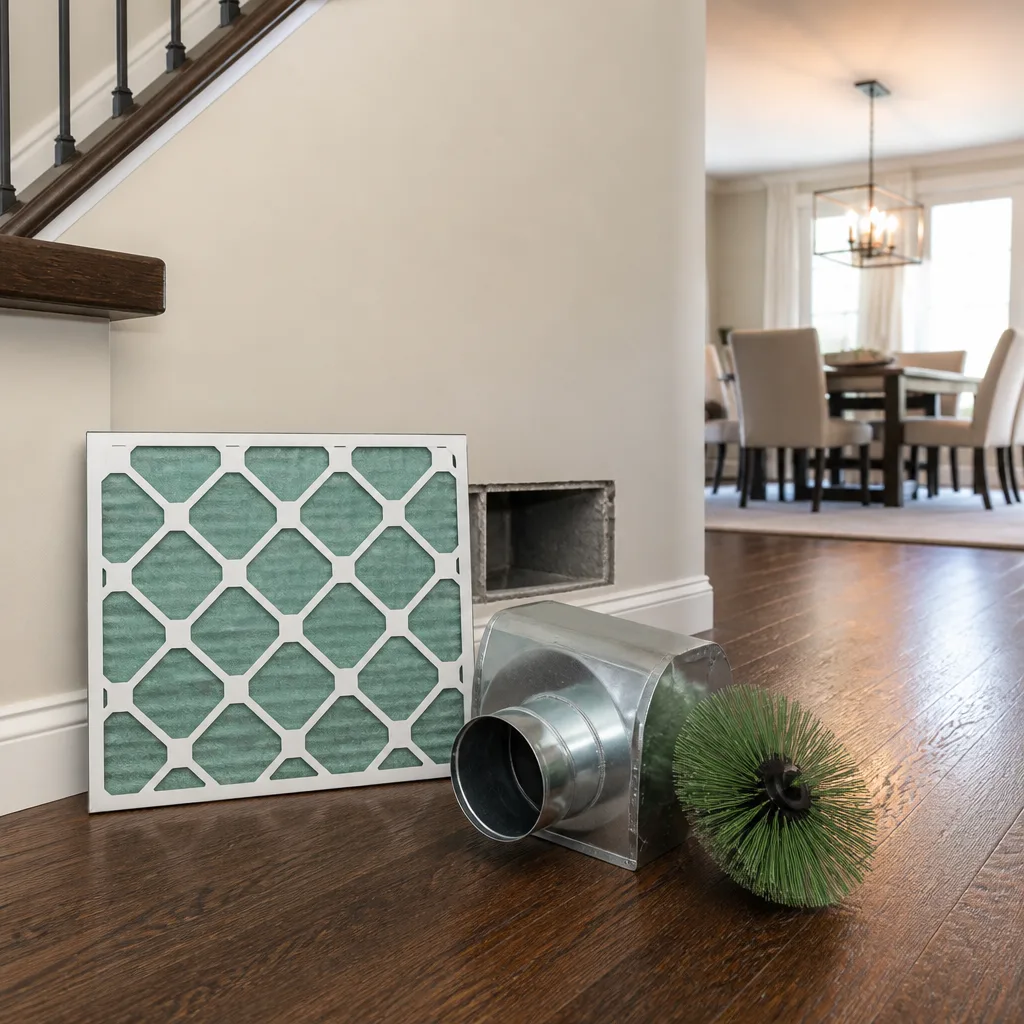
- Relying on the filter to protect the ducts. The filter protects the equipment, not the ductwork. It catches some incoming dust, but it doesn’t prevent accumulation in the duct system over the years of air passing through. A clean filter does not mean clean ducts.
- Cleaning only the vents with a vacuum from the living space side. Surface vent cleaning removes what’s visible at the register. It does nothing for the majority of the duct run that sits inside the walls and attic. You’re cleaning the tip of the iceberg while the mass of it remains behind the wall.
- Waiting until the dust is visibly “bad enough” before considering duct cleaning. By the time buildup is thick enough to see at the return grille without a flashlight, the system has been circulating particulates for months or years. The early warning signs are in the dust patterns, not the visual inspection alone.
- Assuming seasonal allergies explain everything. In Los Angeles, it’s easy to blame the pollen count. If symptoms spike with the HVAC and not with the calendar, the trigger is inside the house. Track the pattern before you rule out the ducts.
- Ignoring a post-renovation white film on surfaces. We’ve covered this above, but it’s worth repeating because so many homeowners assume the contractors “just did a messy job.” Drywall dust in the ducts means the renovation isn’t over. Get the ducts cleaned before you finish the punch list.
- Choosing a duct cleaner based on the lowest quote without asking what the quote includes. This is how families get surprised. A low quote may cover just the visible vents, not the trunk lines, not the return air shaft, not the plenum. Ask for a written price before any work starts and know what’s included.
When to Call a Professional
If you’ve done the flashlight test and found visible accumulation, or you’ve noticed the dust-reappears-in-48-hours pattern, or someone in your household reacts when the HVAC runs, that’s the time to get a professional assessment. A proper duct cleaning in Los Angeles includes the full system: supply runs, return runs, trunk line, plenums, and the blower compartment. This is not a job you want done halfway or with rental equipment from a hardware store. Professional-grade tools make a material difference in the quality of the clean, which is why our technicians work with equipment from Rotobrush, Nikro, and Aprilaire-compatible filtration systems rather than entry-level gear. Morton’s Air Duct Cleaning offers free estimates in Los Angeles. Call (323) 918-4345 and our team will give you a written price before any work starts, plus a photo of the clean-up before the crew leaves.
Frequently Asked Questions
The most common signs are dust reappearing on surfaces within two days of cleaning, visible buildup on or around vent covers, allergy or asthma symptoms that worsen when the HVAC runs, and airflow that’s noticeably weaker in some rooms than others. These signs typically appear as a cluster over time rather than a single dramatic symptom.
Air duct cleaning in Los Angeles generally ranges from $300 to $800 for a typical single-family home, depending on the size of the system, the number of vents, and the level of accumulation. Homes with post-renovation debris or decades of buildup may run higher. At Morton’s, we provide a written price before any work starts, so you know the total cost before we begin. Call (323) 918-4345 for a free estimate.
Cheaper quotes often cover only the visible vents and registers, not the full duct runs inside the walls and attic, which is why Choosing the Right Air Duct Cleaning Brand: A Buyer’s Guide for Los Angeles matters before you book. A low price sometimes means the company is planning to upsell you once they’re in the house. A thorough cleaning touches every part of the system, which takes time and professional-grade equipment, and that has an honest cost. Always ask what’s included in the price before you book.
Ask for before-and-after photos of the inside of the ducts. A professional company should be able to show you the difference, and we provide a photo of the clean-up before our crew leaves. You should also notice that the dust accumulation pattern in your home changes within a week or two after the cleaning. If the dust reappears in 48 hours, the job wasn’t done thoroughly.
In Los Angeles, most homes benefit from duct cleaning every three to five years, and homes with pets, recent renovations, or family members with allergies may need it every two to three years. Our climate runs AC more hours per year than most US cities, which accelerates dust accumulation. The flashlight test at your return grille is the best way to know if your system is due.
Yes. The filter catches particulates before they reach the equipment, but it does nothing for dust, dander, and debris already sitting inside the duct runs. When the HVAC runs, air passes through that accumulated material and carries particles into your living space. Changing the filter helps the system run efficiently, but it doesn’t clean the ducts. If your symptoms track with the HVAC running, the ducts are the place to look.
A musty or stale smell when the system first cycles on is often the result of dust and organic material that has accumulated inside the ductwork. Cleaning the ducts removes that material, which usually resolves the odor. If the smell persists after cleaning, the issue may be in the evaporator coil or drain pan, which your technician should check during the cleaning visit.
The Bottom Line
The warning signs of dirty air ducts are patterns, not single events. Dust that reappears in 48 hours, HVAC-correlated allergy symptoms, weak airflow in one room, and visible buildup at the return grille each tell the same story: the system is carrying years of accumulated material and redistributing it through your home. Los Angeles homeowners run their AC for months at a time, which makes the pattern more pronounced here than in cooler climates. The good news is that the solution is straightforward: a thorough professional cleaning, done once, with a written price before work starts, and visual proof of the result. If you’ve spotted the patterns described in this guide, it’s time to stop wiping the same surfaces and start treating the source.
Written by Paul Adeyemi, Owner at Morton’s Air Duct Cleaning, serving Los Angeles since 2005.