
Last updated October 8, 2026
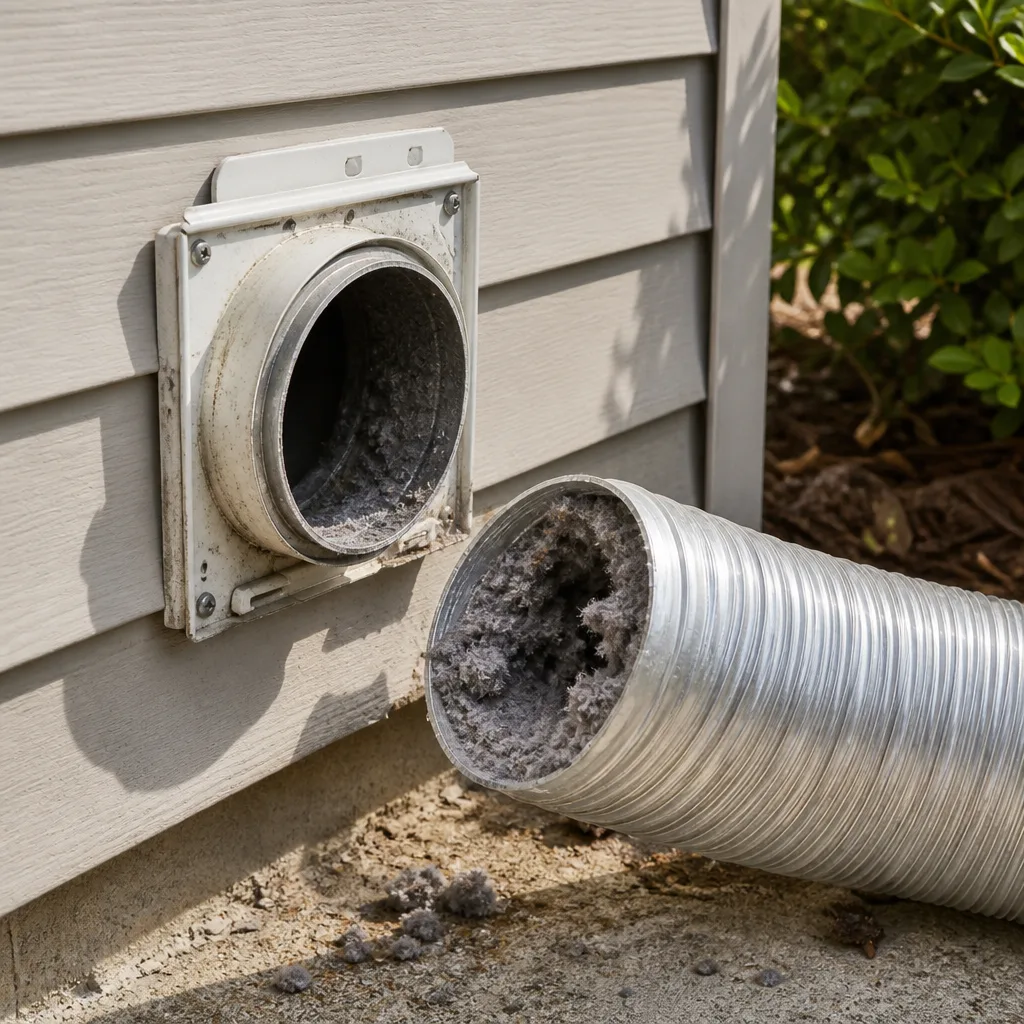
Whole-system duct and dryer vent check with before-and-after photos - you see exactly what came out of your vents
That "$99 whole-house special" is a bait ad - the real number appears once they are in your hallway, or the "clean" is a shop-vac at the register. We photograph the inside of your ducts before and after instead.
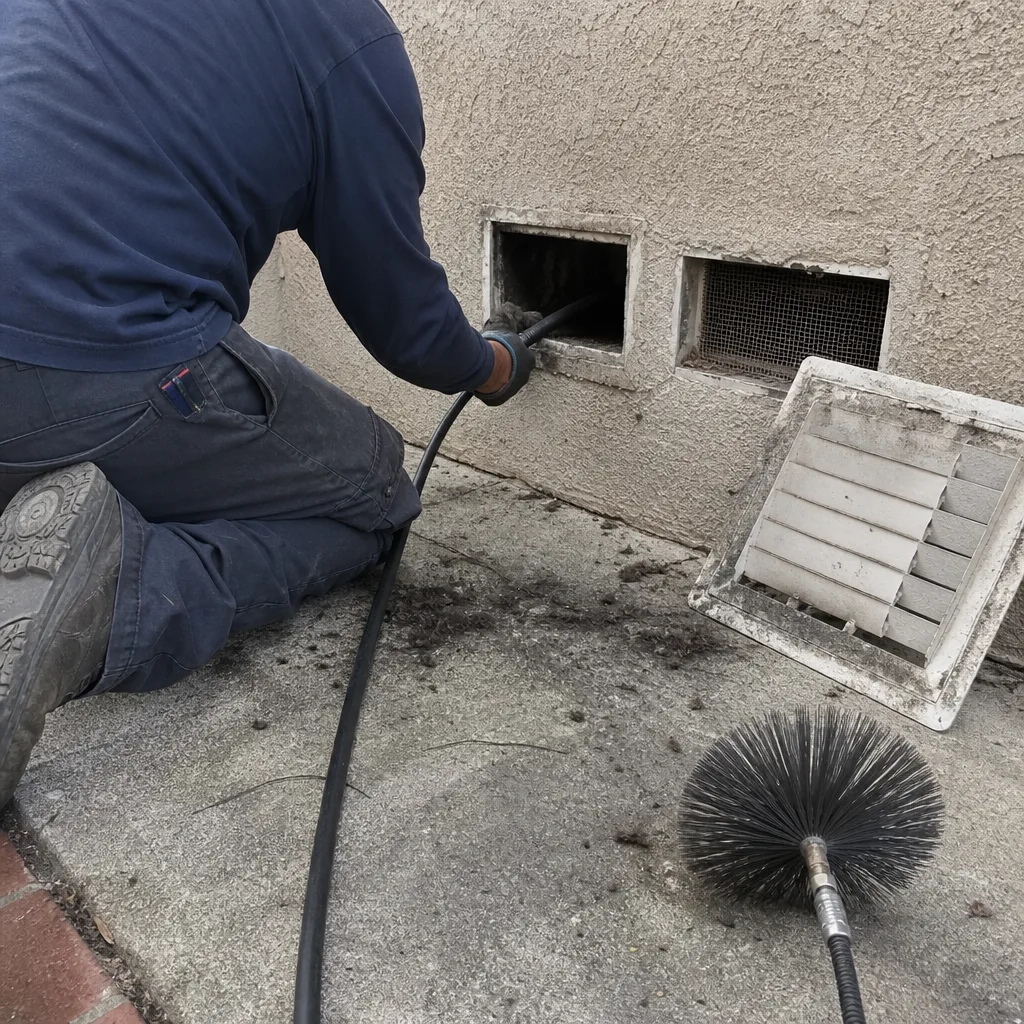 Before
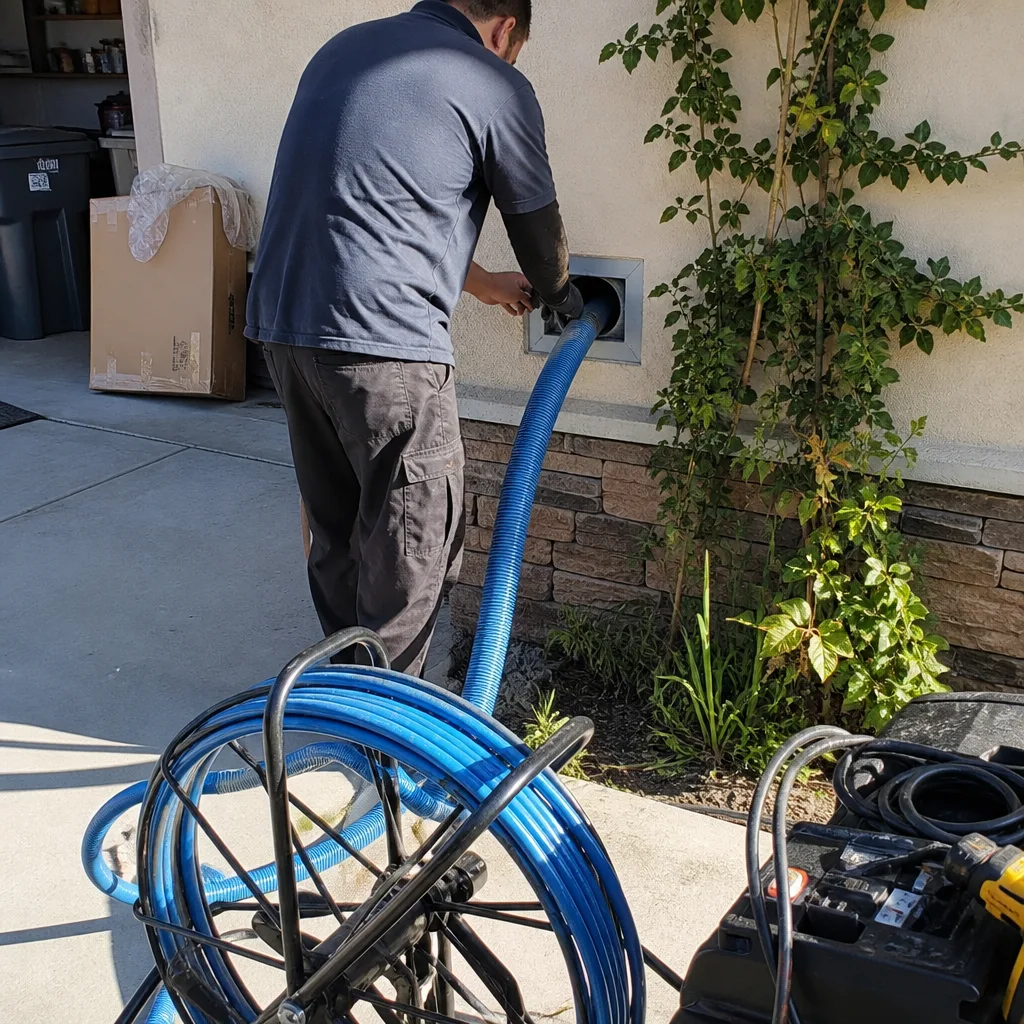 After
After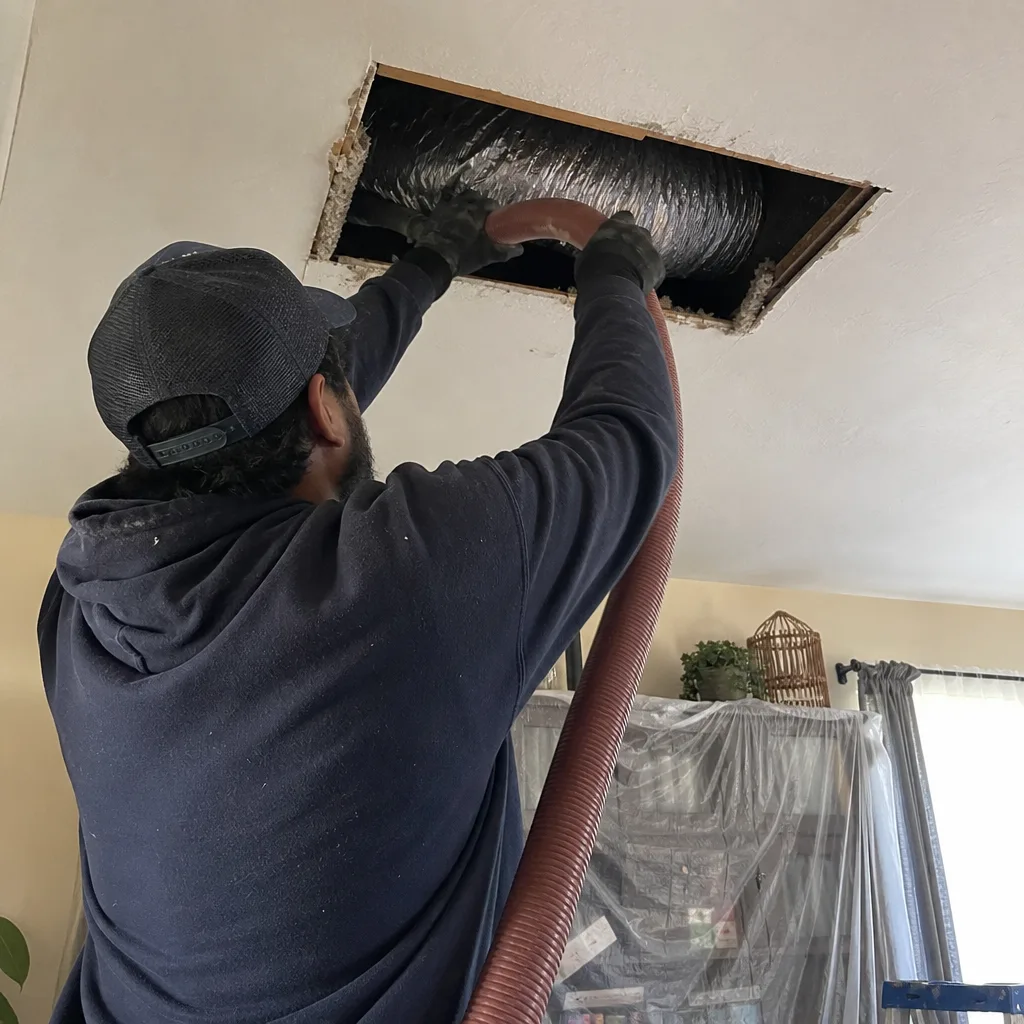 Before
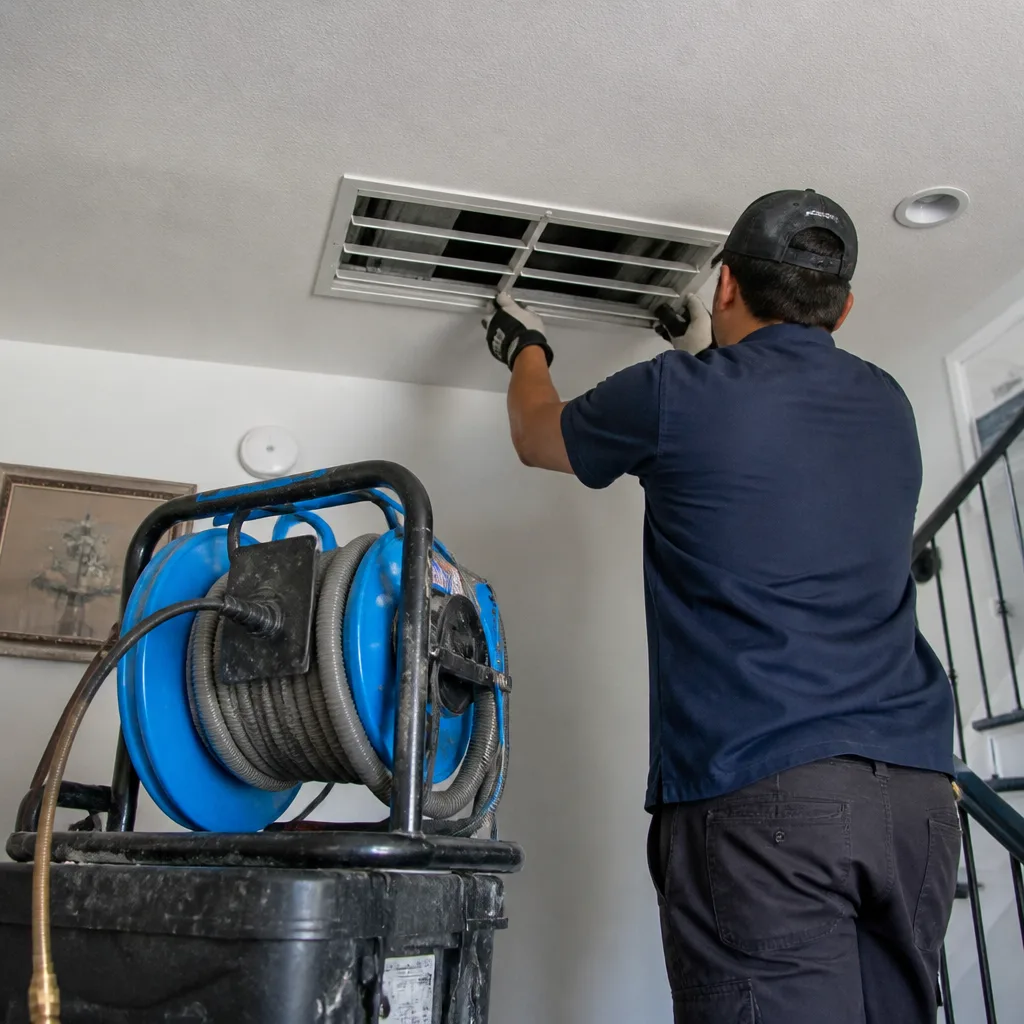 After
After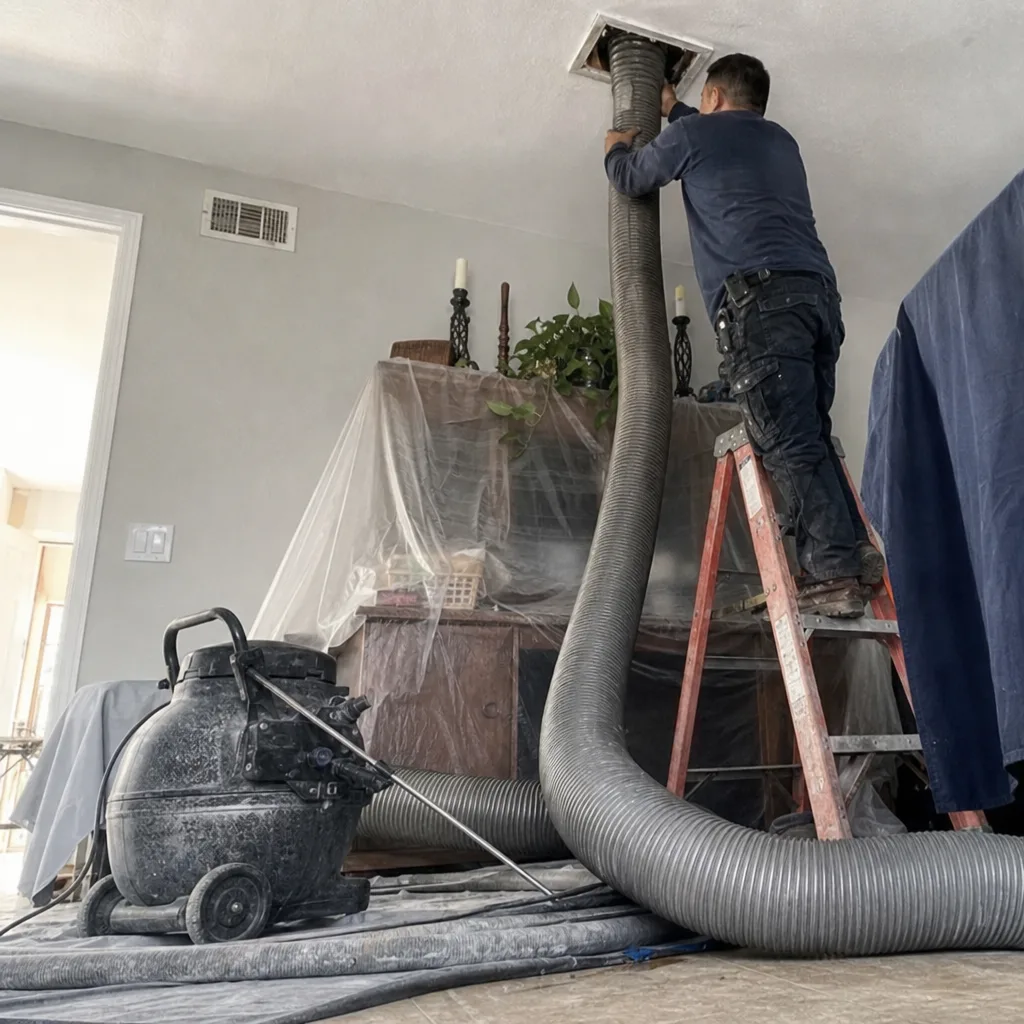 Before
 After
AfterHow to Hire a Air Duct Cleaning Contractor in Los Angeles: A Step-by-Step Guide
The California Attorney General’s office has cited air duct cleaning among the home services most frequently associated with bait-and-switch complaints, where a low advertised price becomes a four-figure bill after the crew is already inside. Los Angeles happens to have more than its share of those operations because the market is huge, the homes are older, and the entry barrier is low. This Air Duct Cleaning guide gives you a four-step vetting process before anyone opens a panel in your home: what to ask on the phone, how to verify credentials in under ten minutes, what a written quote must include, and how to handle mid-job surprises without pressure. By the end, you’ll know exactly what a legitimate air duct cleaning contractor in Los Angeles sounds like on the phone, looks like at the door, and puts in writing before the work starts.
Quick Answer
To hire an air duct cleaning contractor in Los Angeles, call and ask four specific questions about pricing format, equipment type, verification process, and what happens if additional problems are found. Then verify the company’s NADCA membership, California contractor licensing through the CSLB portal, and general liability insurance online before booking. Finally, require a written, line-item quote for the whole system before any work begins, and only book with companies that will show you the results, not just tell you the work was done.
Table of Contents
- Step 1: The Four Questions to Ask on the First Phone Call
- Step 2: How to Verify NADCA Membership, Licensing, and Insurance in Under Ten Minutes
- Step 3: What a Written, Line-Item Quote Must Include Before Any Work Begins
- Step 4: How to Evaluate Equipment on Arrival
- The Right Way to Handle a Contractor Who Identifies “Additional Problems” Mid-Job
- Why Los Angeles Homes Need a Different Kind of Cleaning
- What Air Duct Cleaning Actually Costs in Los Angeles
- Common Mistakes to Avoid
- When to Call a Professional
- Frequently Asked Questions
- The Bottom Line
Step 1: The Four Questions to Ask on the First Phone Call
Most people start a call by asking “How much do you charge?” That’s the wrong first question, and here’s why: the bait-and-switch contractors in Los Angeles have practiced their answer to that question for years. The price they quote on the phone isn’t the price you’ll see on the invoice, so asking it first just tells you how well they perform. Instead, ask these four questions, in order, and listen to how they answer. The way they answer matters as much as what they say.
Question 1: “Do you quote per vent or per system?”
A trustworthy answer sounds like this: “We quote per system, and the price is written down before we start. You’ll know the total before anyone touches anything.” The per-system price is based on the size of the home, the number of returns, and the level of buildup, but it’s a single number for the whole job.
A deflection sounds like this: “Well, it depends on how many vents you have. It usually runs between X and Y, but we’ll know more once we get in there.” That’s the setup for a moving target. Per-vent pricing is how a $49 advertised special becomes a $900 invoice. The contractor counts your vents after the crew arrives, adds a few “extra” charges, and suddenly the math is out of your control. In our experience cleaning ducts across Los Angeles, homes built in the 1960s in the San Fernando Valley frequently have 15 to 20 vents, while newer homes in Playa Vista may have half that. A per-vent model punishes the older homes, which is where most families live.
Question 2: “What equipment do you use?”
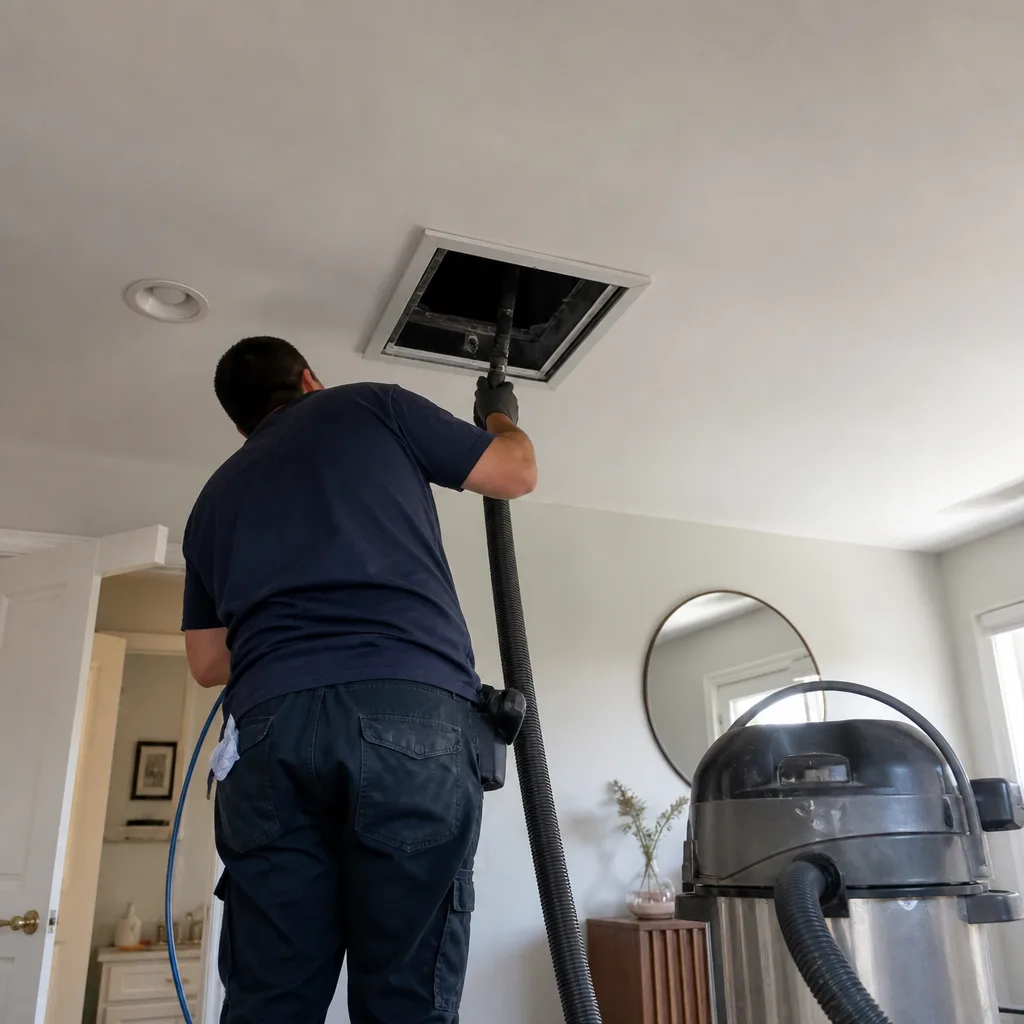
A trustworthy answer names the equipment brand: Rotobrush, Nikro, or similar professional-grade systems. Rotobrush machines use a rotating brush to agitate debris inside the duct while a vacuum pulls it out. Nikro systems are known for their HEPA filtration and powerful negative-air setups. These are not machines you can rent at a hardware store.
A deflection sounds like: “Oh, we have professional equipment, top of the line.” That’s a sentence with no nouns in it. If they can’t name the tool they’ll use in your home, assume it’s a shop vac with a long hose taped to it. Los Angeles has a well-documented problem with unmarked vans and consumer-grade vacuum cleaners being passed off as commercial air duct cleaning. The equipment genuinely matters: a shop vac doesn’t create enough negative pressure to pull debris from the full length of a duct run. It stirs dust around and leaves most of it in place.
Question 3: “How do I know the work was actually done?”
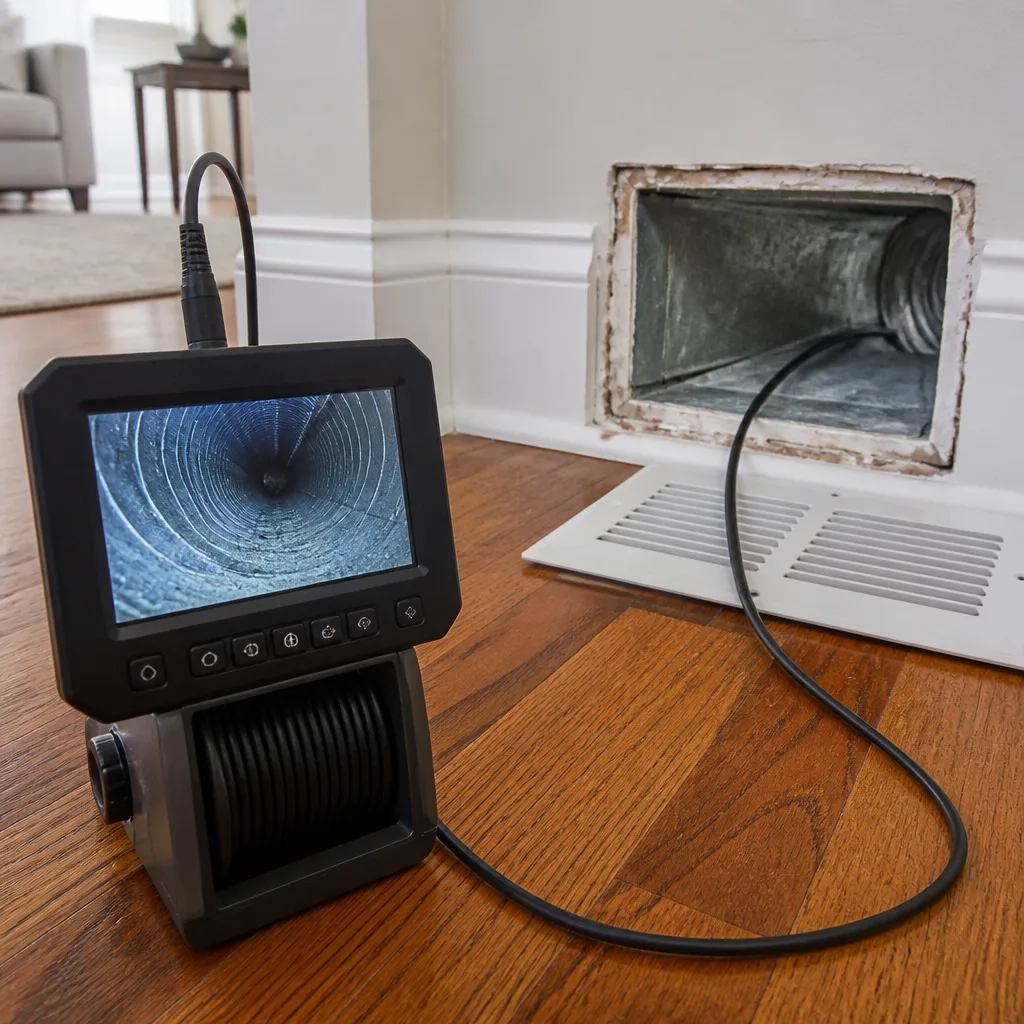
A trustworthy answer sounds like: “We’ll show you before-and-after photos of your ducts. You can see the difference with your own eyes.” Some companies also offer video inspection. The point is that they treat proof as part of the job, not an optional add-on.
A deflection sounds like: “Oh, you’ll feel the difference. Trust us, we’ve been doing this for years.” If a contractor asks you to trust them on a job you can’t see, that’s a sign they don’t have a process for verification. Air ducts are hidden behind walls and ceilings. Without visual proof, you’re paying for a promise. A company that photographs the inside of your ducts before and after cleaning is confident enough in its work to show it.
Question 4: “What happens if you find something else while you’re in there?”
A trustworthy answer sounds like: “We’ll stop, show you what we found with photos, explain the options, and give you a written price to fix it. You decide. We don’t proceed without your approval.” This is the most important answer you’ll hear, because it tells you how the company handles leverage.
A deflection sounds like: “We’ll cross that bridge when we get there” or “We’ll work it out.” That’s an open invitation to a surprise invoice. Mid-job discoveries happen in Los Angeles homes all the time: detached ducts in a crawlspace, mold on the evaporator coils, rodent nests in the return vents of older Silver Lake homes. The issue isn’t whether problems get found. It’s whether you keep control of the decision. A legitimate contractor treats the discovery as new information and goes back to square one: show, explain, price in writing, get approval.
Step 2: How to Verify NADCA Membership, Licensing, and Insurance in Under Ten Minutes
After the phone call, the next step is quiet verification. You don’t need to be an investigator, and you don’t need to spend an hour on it. Ten minutes of checking public records will eliminate most of the contractors who are good on the phone but thin on paper.
NADCA Membership Verification
NADCA, the National Air Duct Cleaners Association, is the industry’s recognized standard-setting body. Membership means the company follows NADCA’s ACR (Assessment, Cleaning, and Restoration) standard for duct cleaning. To verify, go to NADCA’s website, click “Find a Professional,” and type in the company name. The search takes under a minute. If the company isn’t there, ask why. NADCA membership is not legally required in California, but it’s the clearest signal that a company isn’t operating off a YouTube tutorial.
CSLB License Check
California requires contractors to hold a license from the Contractors State License Board (CSLB) to perform work over $500. Air duct cleaning falls under this threshold in most cases, but a licensed contractor is still a stronger choice. Go to the CSLB website, click “Check a License,” and search by company name or license number. Look for three things: the license is active, the license type matches the work being quoted (C-20 warm-air heating, ventilating, and air conditioning, or a similar classification), and there are no active disciplinary actions. This search takes about three minutes and it’s the same portal a Los Angeles homeowner can use to check any contractor, from roofers in Highland Park to electricians in Encino.
General Liability Insurance Verification
Ask for a Certificate of Insurance (COI) directly from the contractor, not from a website. The certificate should list general liability coverage and name the insurance carrier. Call the carrier to confirm the policy is active. This is a five-minute phone call. It’s not paranoid: if a crew member damages your home or gets injured on the job, their insurance status determines who pays. Uninsured contractors in Los Angeles are a real category, and the savings on a cheap quote evaporate the moment something goes wrong. A legitimate company will send the COI without hesitation. A deflection on this question ends the conversation.
Step 3: What a Written, Line-Item Quote Must Include Before Any Work Begins
A verbal estimate, no matter how friendly the technician sounds, is a red flag. In Los Angeles specifically, the bait-and-switch complaint pattern documented by the California Attorney General almost always involves a verbal quote that was lower than the final invoice. Here’s what to require in writing, before the crew opens a single panel.
- One flat price for the whole system. Not a range, not a “starting at” price. The exact dollar amount, for the entire duct system as it was described on the phone.
- A scope of work in plain English. What’s included: supply ducts, return ducts, plenum, registers, air handler access. If the dryer vent is bundled separately, it should be listed separately with its own line-item price.
- The equipment that will be used. The name of the machine, not “professional equipment.” If the contractor told you Rotobrush on the phone, the quote should say Rotobrush.
- What happens with “extras.” The quote should state that any additional work discovered during the job requires written approval from the homeowner before it begins.
- Timeframe. How long the job is expected to take, in hours, not days. A typical single-family home in Los Angeles takes two to four hours depending on the number of systems and accessibility.
- Payment terms. When payment is due and what forms are accepted. No legitimate quote asks for full payment in advance.
If a contractor won’t put the price in writing before starting, that’s the end of the conversation. It doesn’t matter how nice the technician is, how clean the van is, or how many good reviews the company has online. The written quote is the floor under the whole job. Without it, you’re negotiating from a position of having a crew in your hallway and a halfway-disassembled vent system. That’s not a negotiation; that’s a hostage situation with drop cloths.
Step 4: How to Evaluate Equipment on Arrival
The truck pulls up, and now you get to see whether the phone conversation matches reality. Here’s what professional air duct cleaning equipment looks like versus a consumer setup, and what to check in the first five minutes.
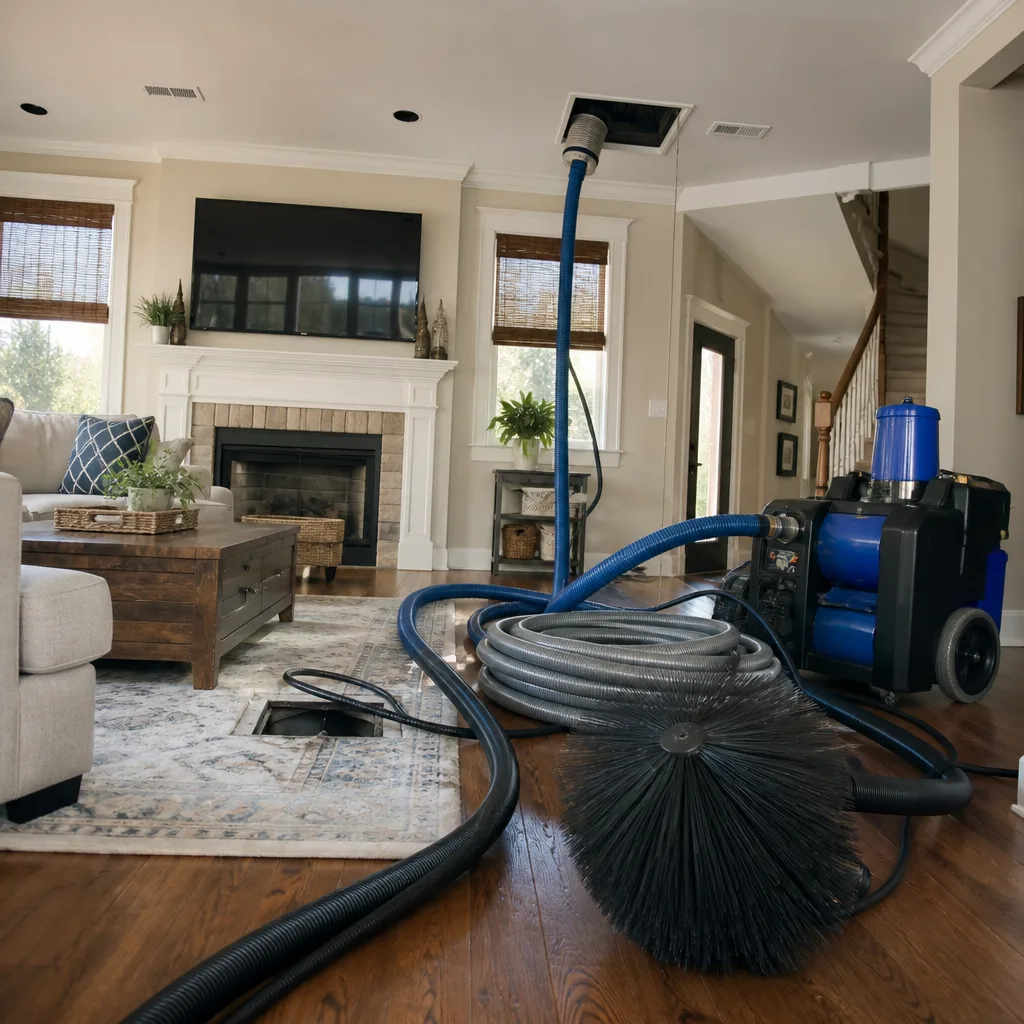
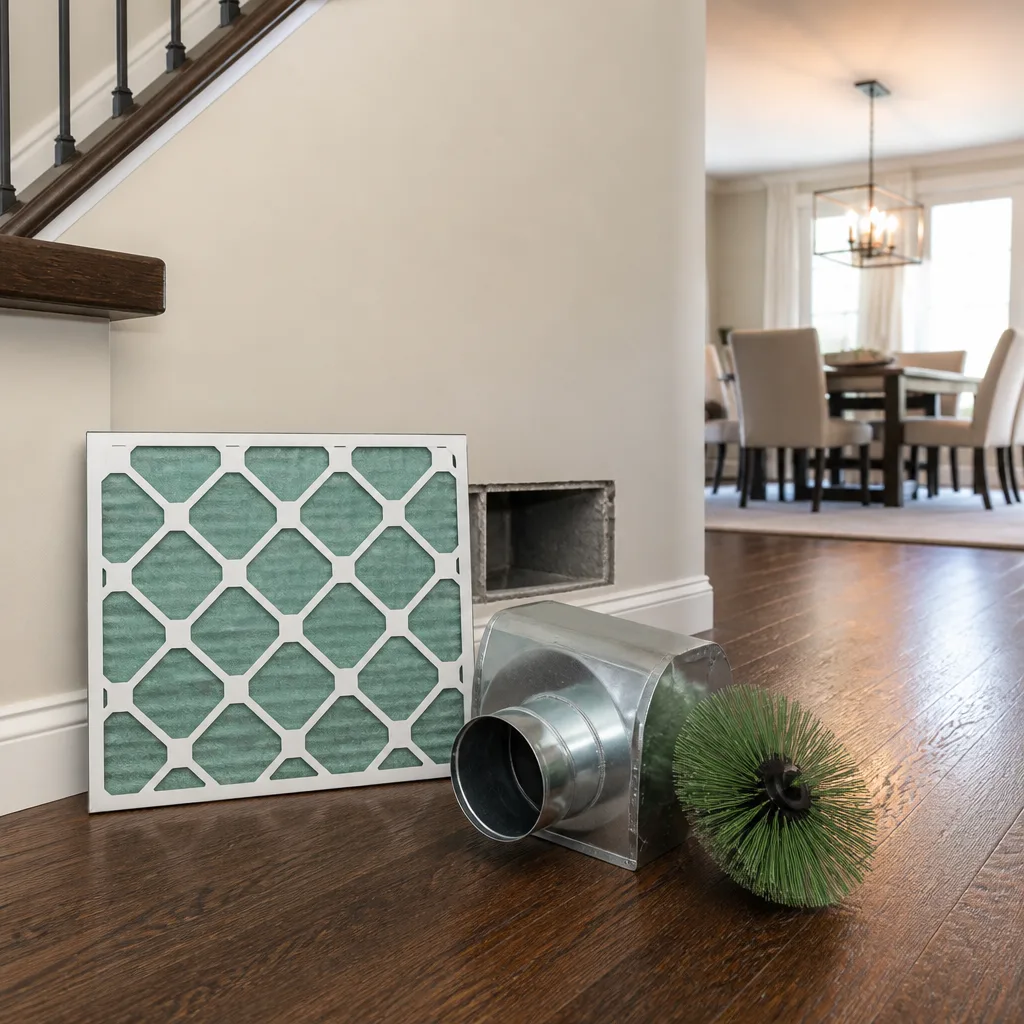
Rotobrush systems are recognizable by the long hose with a rotating brush head at the end. The machine itself is typically a wheeled unit around the size of a large cooler, with a control panel and a high-powered vacuum. The hose connects to a compressor and the brush spins inside the duct while the vacuum extracts loosened debris. Ask the technician to show you the brush head and explain how it works. A trained tech will be happy to.
Nikro systems use a negative-air approach: a powerful vacuum unit is connected to the duct system to create negative pressure, pulling air and debris out while agitation tools loosen buildup. You’ll see a larger machine with heavy-duty hoses, usually with HEPA filtration. Nikro machines are noticeably more substantial than anything you’d find at a rental counter.
The red-flag setup is a shop vac with a hose running into your vent register. Shop vacuums don’t have the suction power to clear a full duct run, and they don’t filter the air to industry standards. If you see a consumer-grade vacuum cleaner anywhere near your ductwork in a Los Angeles home, stop the job and ask questions. The same goes for leaf blowers rigged into the duct system, which is a real thing in this market and a genuine fire hazard.
Also check the crew itself: uniformed, with shoe covers visible before they step onto your floor. Professional companies in Los Angeles are aware of the standard they’re held to when working in homes with pets and children. Shoe covers are not optional.
The Right Way to Handle a Contractor Who Identifies “Additional Problems” Mid-Job
Mid-job discoveries are not uncommon in Los Angeles homes. The city’s older housing stock means ducts get disconnected, corroded, or invaded by vermin over time. A good contractor will find things. Here’s how to handle the moment without making a pressured decision.
Step 1: Pause the job. Tell the technician to stop work until you’ve had a chance to evaluate. A legitimate company will agree immediately. Pressure to decide “right now because the crew is already here” is a red flag.
Step 2: Ask to see the problem. Photos, video, or both. You should be shown the disconnected duct, the mold patch, or the rodent debris before agreeing to any additional work. If the contractor won’t show you, treat it as not found.
Step 3: Get a written price for the new scope. The original quote governed the original job. The new problem is a new job, and it deserves its own written price. Take the time you need. A good contractor’s prices don’t change based on how quickly you decide.
Step 4: Know what’s in scope and what isn’t. Air duct cleaning removes dust, debris, and buildup from the interior surfaces of the ductwork. It is not mold remediation, it is not insulation replacement, and it is not HVAC repair. If the “additional problem” is mold, you may need a separate remediation specialist. If it’s a disconnected duct, that’s an HVAC repair. A trustworthy contractor tells you which category the finding falls into, even if it means referring you elsewhere.
In our experience, the best conversations happen when the homeowner is calm and unhurried. You weren’t planning to buy mold remediation today, and that’s fine. Take the photos, take the written quote, and decide on your own schedule.
Why Los Angeles Homes Need a Different Kind of Cleaning
Air duct cleaning isn’t the same job in every city. Los Angeles has specific factors that change what’s in the ducts and how they should be cleaned: wildfire ash, coastal salt air, and the region’s older housing stock.
In neighborhoods from Sherman Oaks to Eagle Rock, homes built before 1970 often have rigid metal ductwork that has never been replaced. These ducts are more durable than modern flexible ducts, but they accumulate decades of dust, pet hair, and airborne particulate. Santa Ana winds push fine dust and pollen into homes across the San Fernando Valley, and the particulates settle in the ducts. Coastal areas like Santa Monica and Mar Vista deal with marine air, which can make dust cling to duct surfaces and speed corrosion in older systems.
Wildfire seasons add another layer. Smoke particles that enter the home through the HVAC system settle in the ducts and recirculate through the house long after the fires are contained. Many Los Angeles families notice the smell of smoke lingering indoors months after a nearby burn. A thorough duct cleaning with proper filtration is the most direct way to remove that residue.
The practical point is this: Los Angeles air duct cleaning jobs often require more time and more careful filtration than the same job in a newer, more temperate market. That’s another reason the $49 coupon model falls apart here. A meaningful clean of a 1960s home in the Valley takes hours, uses professional equipment, and produces visual proof. That’s not a $49 job, and anyone offering it at $49 either won’t actually do it or will bill you for it later under a different name.
What Air Duct Cleaning Actually Costs in Los Angeles
You deserve to see real numbers before you call anyone. The pricing table below reflects what a full-system air duct cleaning typically costs in Los Angeles in 2025, based on the size of the home and the complexity of the system. These are whole-system ranges, not per-vent prices.
- Apartment or condo (up to 1,200 sq ft): $250 - $400
- Single-family home (1,200 - 2,000 sq ft): $350 - $550
- Larger single-family home (2,000 - 3,000 sq ft): $500 - $750
- Larger homes with dual-zone systems (3,000+ sq ft): $700 - $1,200
These are whole-system prices for duct cleaning only. Dryer vent cleaning runs $100 - $175 as a separate service in most Los Angeles homes. If the scope includes coil cleaning, sanitizing treatments, or pest debris removal, those items appear as separate line items with their own written prices.
If you’ve received a quote far below these ranges, ask yourself what’s being left out. The $49 special covers roughly no time, no equipment, and no verification. A legitimate Los Angeles air duct cleaning takes two to four hours with professional-grade equipment, and that labor has a real cost. Companies that advertise below the floor are either planning to upsell aggressively or planning to do very little. Both outcomes cost you more in the long run.
Common Mistakes to Avoid
- Hiring based on price alone. The lowest-priced duct cleaning in Los Angeles is usually the most expensive one by the time the invoice arrives. Price is a filter, not the deciding factor.
- Skipping the license and insurance check. It takes under ten minutes and eliminates a large portion of the risk. A company that won’t produce a COI isn’t a company; it’s a van with a vacuum.
- Accepting a verbal estimate. If the price isn’t in writing before the work starts, you don’t have a price. You have a sales pitch.
- Not asking how results will be verified. Without photos or video, you’re trusting someone who has no obligation to be trustworthy. Ask for before-and-after shots of your actual ducts.
- Letting mid-job surprises rush the decision. Nothing found inside your walls creates a deadline for you. Take the written quote and decide on your own timeline.
- Confusing duct cleaning with HVAC repair or mold remediation. Different services, different credentials, different scopes. If a duct cleaner claims to do all three, get a second opinion.
When to Call a Professional
You should call a professional air duct cleaning contractor when you notice visible dust buildup around your vent registers, when indoor allergies worsen despite regular housekeeping, when you’ve renovated recently and construction dust has entered the system, or when you’ve moved into a Los Angeles home and have no records of prior duct maintenance. The same applies if you smell something persistent from the vents, or if your dryer trips the lint sensor or takes longer than it should to dry clothes. A professional assessment costs nothing to schedule and gives you a clear picture of what’s actually in your ducts. For more guides & resources on protecting your home, explore our blog. Morton’s Air Duct Cleaning offers free estimates in Los Angeles. Call (323) 918-4345 and ask the four questions from Step 1. You’ll know within minutes whether the conversation is one worth continuing.
Frequently Asked Questions
Air duct cleaning in Los Angeles typically costs $250 to $400 for a condo, $350 to $550 for a standard single-family home, and $500 to $1,200 for larger homes with more complex systems. These are whole-system prices, not per-vent rates. Call (323) 918-4345 for an exact quote for your home; estimates are free and given in writing before any work starts.
Quotes far below the typical Los Angeles range usually reflect compressed scope, consumer-grade equipment, or a bait-and-switch structure where the low advertised price is a launchpad for aggressive upsells. The $49 special covers almost no actual labor, so the contractor must recover the cost through add-ons or by doing very little. A written line-item quote that specifies scope, equipment, and total price is the only reliable comparison.
Ask for before-and-after photos of the inside of your ducts. A professional company using Rotobrush or Nikro equipment can show you the buildup before cleaning and the clean surfaces afterward. If a contractor can’t provide visual proof of your specific system, assume the work wasn’t meaningful. Call (323) 918-4345 to ask about photo documentation as part of the job.
Most Los Angeles homes benefit from air duct cleaning every three to five years, though homes with multiple pets, recent renovations, or smoke exposure may need it more often. Wildfire seasons in California can shorten the interval for homes downwind of burn areas. A professional inspection can tell you whether the current buildup justifies cleaning or if the system can go another year.
Duct buildup depends on many factors beyond visible dust: pets, cooking habits, HVAC filter quality, and local air conditions such as wildfire smoke and Santa Ana dust loads. Los Angeles homes near freeways or in the Valley often accumulate particulate faster than homes elsewhere. If you’ve lived in the home for several years without having the ducts inspected, the only way to know is to look.
Morton’s Air Duct Cleaning has been serving Los Angeles since 2005 as an independently owned member of the Cedarwell family, with professional equipment from Rotobrush, Nikro, and Guardsman, a written price before any work starts, and a 365-Day Done Right Promise. Shoe covers and drop cloths go down before the crew steps inside, and a photo of the clean-up is provided before we leave. Call (323) 918-4345 for a free estimate.
The Bottom Line
Hiring an air duct cleaning contractor in Los Angeles comes down to a simple discipline: ask specific questions, verify the answers, get the price in writing, and control the mid-job conversation. The four phone-call questions filter out most of the bad actors before they ever reach your door, the CSLB and NADCA checks handle the rest, and the written quote keeps the job honest once it starts. Los Angeles has no shortage of companies willing to clean your ducts; the skill is finding one that will do it thoroughly, with professional equipment, at a price you approved before the work began. If you’d rather skip the vetting process, start with a company that’s already been through it: Morton’s Air Duct Cleaning home explains who we are, and our Air Duct Cleaning in Los Angeles page covers the service in detail. If dryer vents are part of the job, see our Dryer Vent Cleaning in Los Angeles page. Call (323) 918-4345 for a free estimate, and we’ll answer all four questions before you finish saying hello.
Written by Paul Adeyemi, Owner at Morton’s Air Duct Cleaning, serving Los Angeles since 2005.