
Last updated October 8, 2026
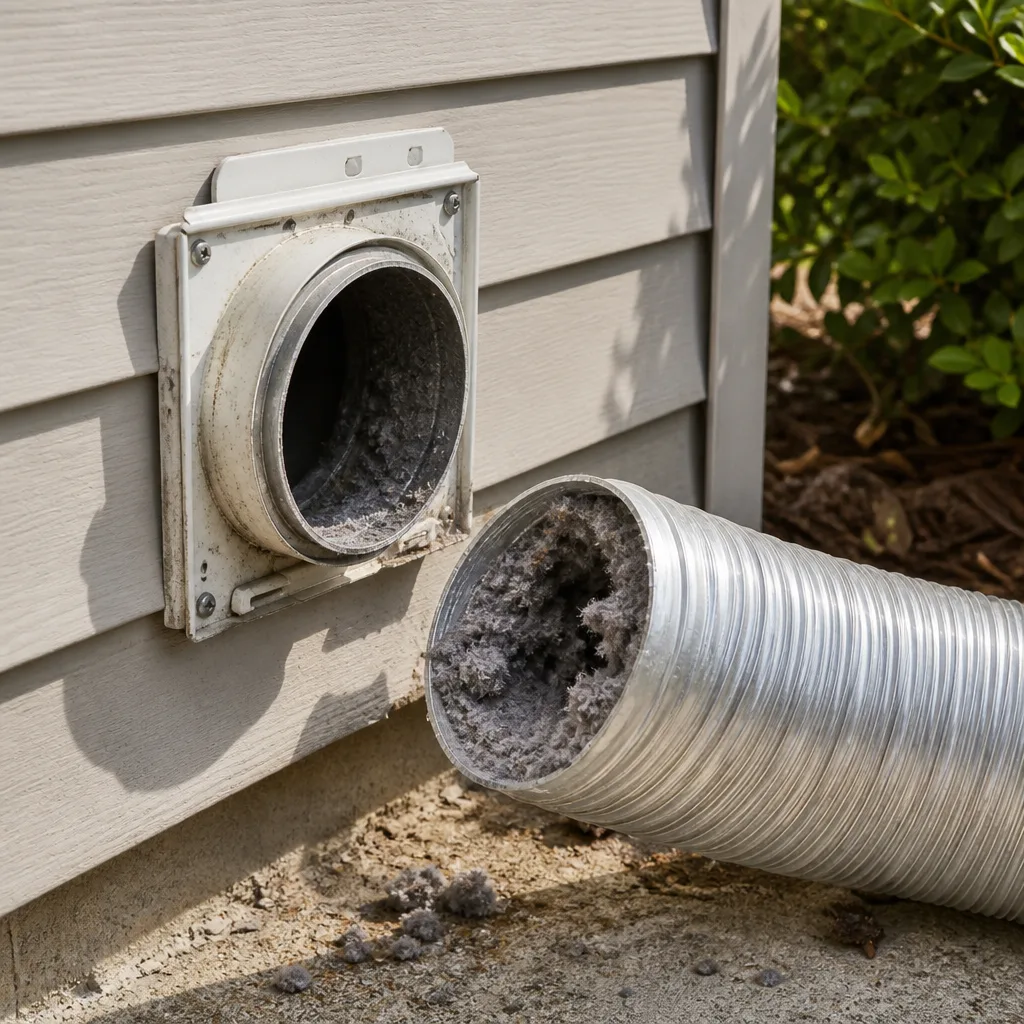
Whole-system duct and dryer vent check with before-and-after photos - you see exactly what came out of your vents
That "$99 whole-house special" is a bait ad - the real number appears once they are in your hallway, or the "clean" is a shop-vac at the register. We photograph the inside of your ducts before and after instead.
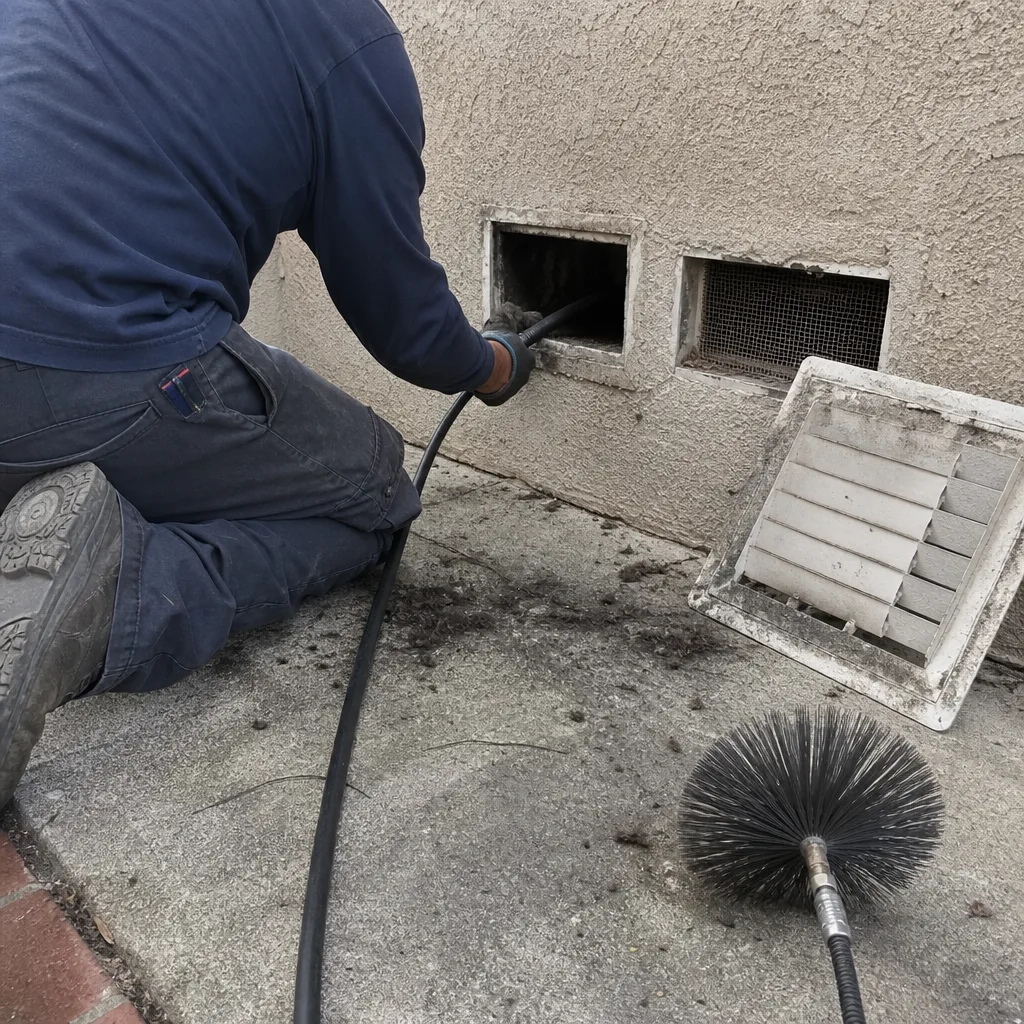 Before
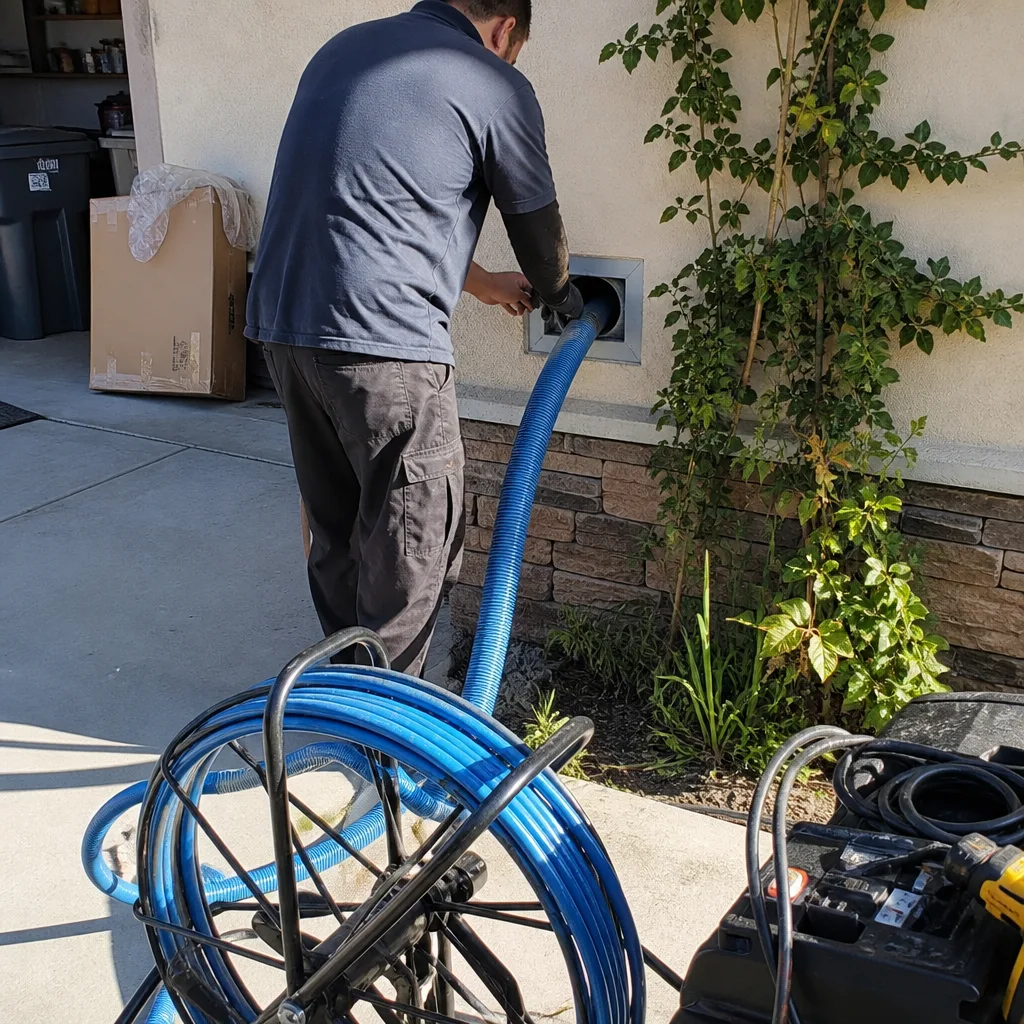 After
After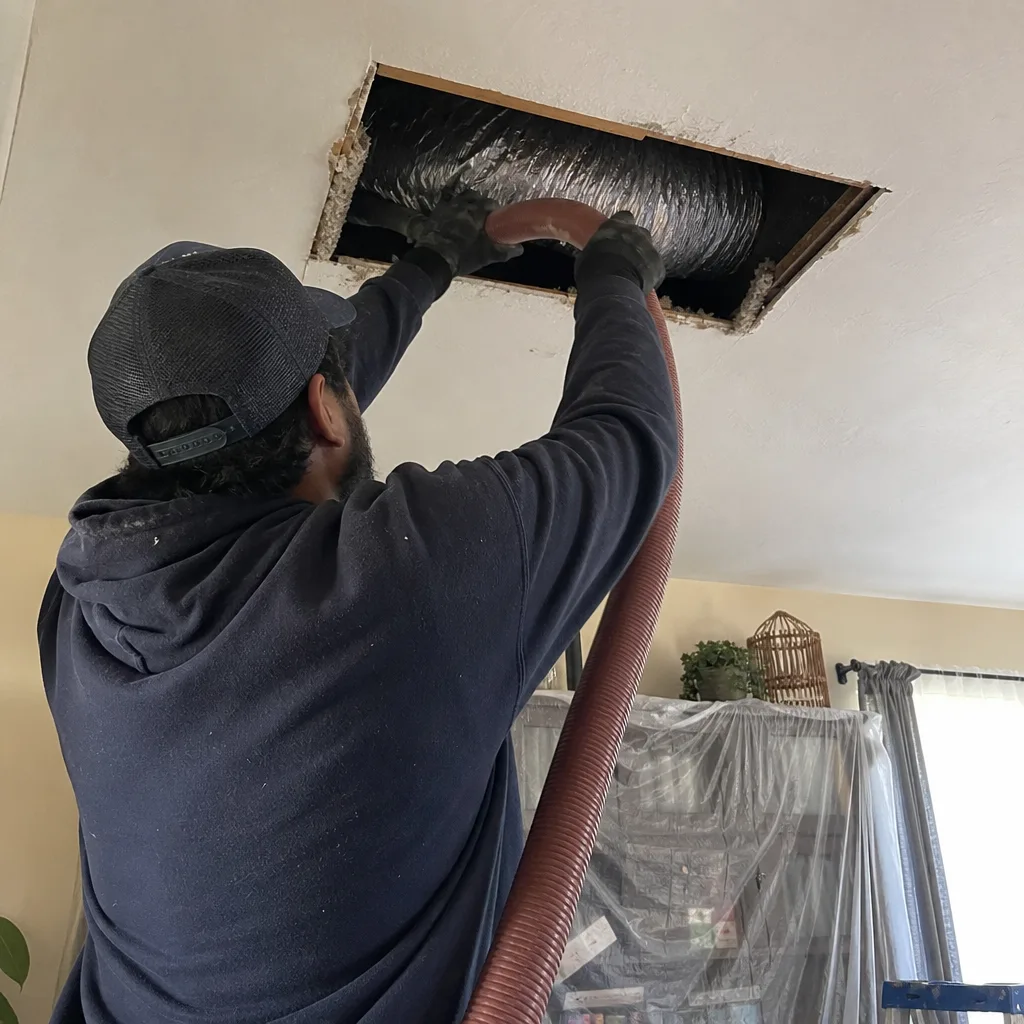 Before
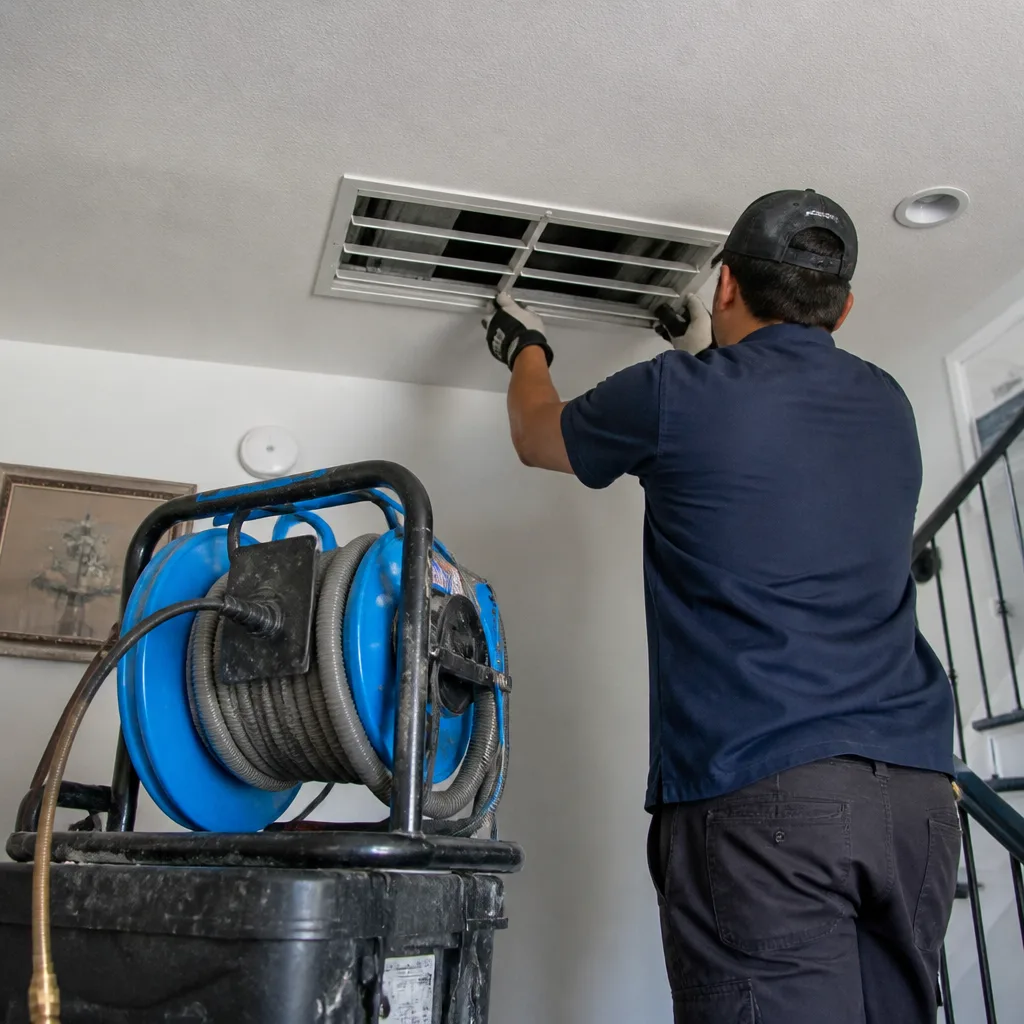 After
After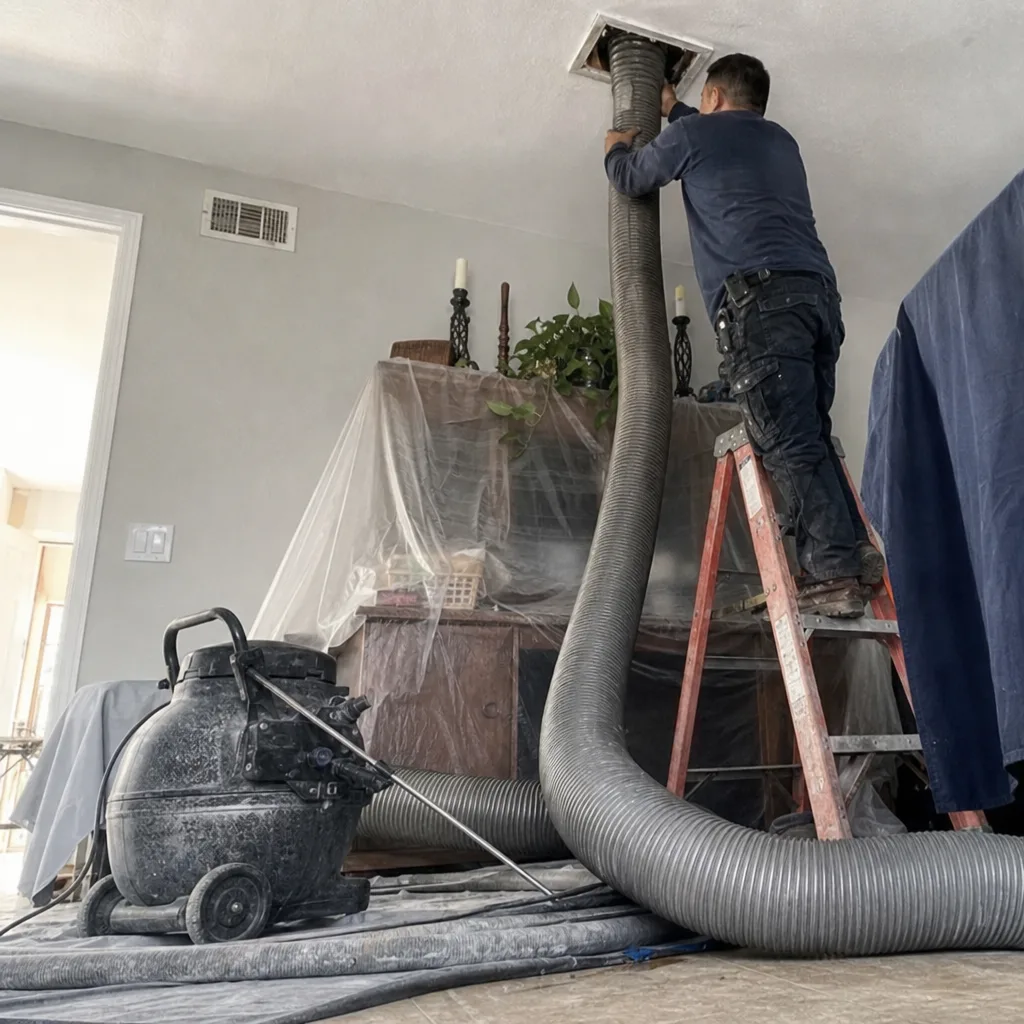 Before
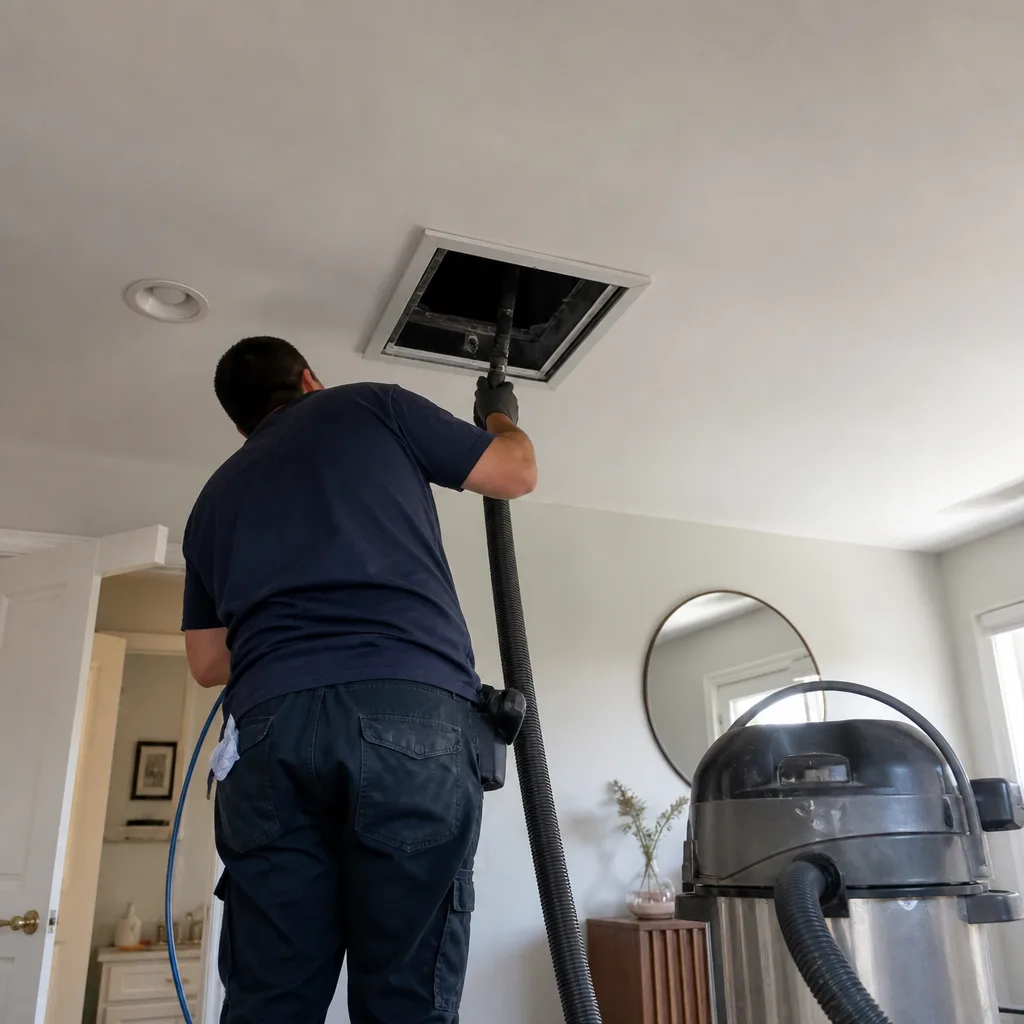 After
AfterAir Duct Cleaning Maintenance Schedule: What to Do and When
The EPA does not recommend a specific air duct cleaning interval. Read that again, because most companies in Los Angeles won’t tell you this. They’ll hand you a magnet that says “clean every year” and schedule your next appointment before the dust settles. The truth? Your home’s schedule depends on how many pets sleep on your bed, whether your daughter’s asthma flares at night, whether you just gutted a bathroom, and whether a Santa Ana wind event just blew a season of ash into your neighborhood. This guide doesn’t give you a one-size-fits-all calendar. It gives you a scorecard to build the schedule your actual home needs, plus what to do between cleanings and what LA-specific events should trigger an unscheduled Air Duct Cleaning services visit.
Quick Answer
Most Los Angeles homes with one or two pets and no major allergy issues benefit from professional air duct cleaning every 3 to 5 years. Homes with multiple shedding pets, smokers, allergy or asthma diagnoses, or recent renovation work should shorten that to every 2 to 3 years. Local events like wildfire smoke intrusion, major Santa Ana wind storms, or water damage after heavy rain warrant an unscheduled cleaning regardless of when your last service happened.
Table of Contents
- The Household Factor Scorecard: What Actually Shortens Your Interval
- What to Do Between Professional Cleanings
- Los Angeles Triggers: When to Clean Regardless of Schedule
- How to Document Each Cleaning and Build a Real Maintenance Record
- Flex Duct vs. Rigid Sheet Metal: Why Your Home’s Age Changes the Schedule
- What You Can Safely Do Yourself vs. What Needs a Professional
- Common Mistakes to Avoid
- When to Call a Professional
- Frequently Asked Questions
The Household Factor Scorecard: What Actually Shortens Your Interval
Before we talk about years on a calendar, let’s talk about what’s actually in your ducts. Because in our experience cleaning homes across Los Angeles since 2005, the difference between ducts that need attention at year two and ducts that can wait until year five comes down to a handful of household factors that are easy to identify.
Here’s the scorecard. Each factor pushes your home toward the shorter end of the 2 to 5 year range. Two or more factors and you’re solidly in the every-2-to-3-years camp.
Pets That Shed Indoors
One indoor dog or cat adds a measurable amount of hair, dander, and tracked-in dust to your ductwork. Two or more, especially long-haired breeds like huskies, shepherds, or Maine coons, and you’re pulling significantly more debris through the return-air grilles every single day. That material doesn’t all get caught by your filter. A surprising amount makes it into the return ductwork, where it accumulates on duct walls and reduces airflow over time. One dog? Three to four years is still reasonable. Three shedding dogs? Two years is realistic.
Smokers in the Household
Smoke residue is sticky. It clings to duct surfaces, then traps dust and pet hair that would otherwise blow through. Over time this creates a film inside the ductwork that is significantly harder to remove than loose dust. Even if smoking happens near an open window or on a patio, the residue travels on clothing and hands and finds its way into the system. Cigarette and cannabis smoke both qualify here.
Allergy or Asthma Diagnoses
If anyone in the house has physician-diagnosed allergies or asthma, the calculus changes. Not because ducts cause allergies, but because a large amount of accumulated dust and dander acts as a reservoir that keeps recirculating irritants through the living space. The American Lung Association and other clinical bodies don’t frame duct cleaning as an allergy treatment, and neither do we. What we do say, from two decades of field experience: homes where a family member has nighttime allergy or asthma symptoms and a lot of visible dust at the registers often see improvement after the ducts are properly cleaned and the system is protected going forward. These homes should consider the 2 to 3 year interval even without pets.
Infants Under 12 Months
This one surprises people. An infant’s respiratory system is still developing, and their airways are far smaller in absolute diameter than an adult’s. Babies also spend enormous amounts of time close to the floor, where the heaviest particles settle. If you have a new baby and you’re already thinking about air quality, clearing the ducts before the baby starts crawling makes sense, then sticking to a shorter interval while the child is in the toddler years. You’re not cleaning because ducts are dangerous. You’re cleaning because babies put everything in their mouths and a cleaner air delivery system is one less variable when you’re already managing so many.
Recent Renovation or Drywall Work
Renovation dust is the number one thing we see trigger an unscheduled cleaning in Los Angeles. Drywall dust is extremely fine, it stays airborne for weeks, and once it enters the return-air system it coats every surface inside the ductwork. If you’ve done any drywall work, flooring sanding, or whole-room demo, the ducts should be cleaned after the work is complete and the dust has settled. Not before, because more dust will enter, and not a year later, because by then it’s caked on. This is also a good moment to check that your filter is upgraded during active work.
What to Do Between Professional Cleanings
The years between professional cleanings are not passive. What you do during that window determines whether your next cleaning is a straightforward job or a heavy extraction. Here’s the maintenance routine we recommend to every Los Angeles homeowner after we finish a job, with Air Duct Cleaning Troubleshooting: Common Problems and How to Fix Them as a backup resource.
Step 1: Change Your Filter on a Real Cadence
Your filter is the front line. It determines how much debris ever reaches the ductwork in the first place. The replacement cadence depends on the MERV rating and your household factors:
- MERV 8, no pets, no allergies: every 90 days
- MERV 8, one or two pets: every 60 days
- MERV 11 to 13, pets and/or allergies: every 60 to 90 days, checking monthly during high-shedding months
- Any MERV rating, active renovation ongoing: check weekly, replace when visibly loaded, often every 2 to 4 weeks
- Wildfire smoke season in Los Angeles: check weekly during smoke events, regardless of MERV rating
Higher MERV ratings filter more particles but also restrict airflow more. If your system wasn’t designed for a MERV 13 filter, you can actually reduce system efficiency by upgrading too aggressively. Our technicians can tell you during a cleaning what your specific system can handle.
Step 2: Vacuum Your Registers Monthly
Supply registers collect dust on the louvers and the immediate duct opening behind them. Once a month, run a brush attachment or crevice tool across every register in the home. While the register is off, reach in with a vacuum hose and clear the first few inches of duct you can see. This takes ten minutes for a whole house and it removes the visible surface dust that would otherwise get drawn back into the system or blown into the room.
Step 3: Check the Return-Air Grille Weekly
The return-air grille is the single best early-warning indicator for your ducts. It’s the largest single intake point, usually located in a hallway or ceiling. When dust, hair, or a gray film begins building up visibly on the grille or immediately behind it within days of cleaning, your filter is being overwhelmed and debris is moving past it into the return side of the system. If you’re changing filters on schedule and still seeing this, it’s time to shorten your professional cleaning interval rather than just resigning yourself to dusty grilles.
Los Angeles Triggers: When to Clean Regardless of Schedule
Living in Los Angeles means your duct schedule is not fully in your control. Certain local events override whatever plan you’ve made. Here are the three we tell every homeowner to watch for.
Wildfire smoke intrusion. This is the big one. When wildfire smoke blankets the LA basin, your home’s HVAC system pulls that particulate-laden air through the return grilles even with the system in fan mode. Smoke particles are extremely fine and they coat duct surfaces quickly. If you’re anywhere near a burn zone, from the San Fernando Valley to the foothill communities to the Westside on a bad wind day, the ducts should be cleaned after the air clears. Not just the filter changed. Smoke residue inside ducts will off-gas odor for months and keep circulating particulate matter through the home.
Major Santa Ana wind events. The Santa Anas strip topsoil, construction dust, and debris from thousands of acres and drive it through neighborhoods at 40 to 60 miles per hour. Even with windows closed, homes are not sealed environments. Swirling ultra-fine dust gets drawn into the HVAC system through wall penetrations, attic vents, and door gaps. After a severe multi-day wind event where you can see dust on outdoor surfaces, check your return grille. If it’s coated within days, the ducts saw that same loading.
Water intrusion after rain. Los Angeles rain is infrequent but intense when it arrives. Roof leaks, window leaks, and slab issues can introduce moisture into ductwork, especially flex duct in crawl spaces or attics. Water in ductwork is a different problem than dust: it leads to mold growth if not addressed quickly. If you’ve had any leak that touched the HVAC system or the spaces around it, have the ducts inspected before the next season. Wet insulation inside duct runs does not dry out on its own.
These triggers don’t follow any calendar. They happen when they happen, and they matter more in a city with our specific wind patterns, fire seasons, and construction density. If any of these applies, the answer is not to wait until your three-year mark.
How to Document Each Cleaning and Build a Real Maintenance Record
Most homeowners have no idea when their ducts were last cleaned. They remember roughly “a few years ago” and that’s the whole record. Here’s how to fix that and why it matters.
A real maintenance record changes the conversation when you sell the home, when you make a warranty claim on HVAC equipment, and when you’re trying to decide whether it’s actually time for the next cleaning. It also protects you if a service company tries to sell you a cleaning you don’t need.
What to document after each professional cleaning:
- Date of service and the company name and technician name
- Scope of work: what was cleaned (supply ducts, return ducts, registers, main trunk line, coil, blower) and what equipment was used
- Photos taken before and after by the technician. At Morton’s Air Duct Cleaning, our Los Angeles customers receive a photo of the clean-up before the crew leaves (normally used to confirm the home was left clean) and we recommend you keep those with your paperwork
- Filter type and MERV rating currently installed, plus the recommended replacement cadence
- Technician notes: anything they observed, such as moisture in the ductwork, damaged flex, disconnected runs, or excessive buildup in one particular branch
Keep this in a folder or note on your phone. When you call for your next cleaning, having the previous service details in hand means the conversation starts with facts rather than guesswork. When you sell, a documented cleaning history is a genuine differentiator for buyers who ask about air quality.
Flex Duct vs. Rigid Sheet Metal: Why Your Home’s Age Changes the Schedule
Most Los Angeles homes fall into one of two ductwork categories, and they don’t behave the same way.
Rigid sheet metal ductwork is found primarily in older LA homes, roughly pre-1975 construction, including many of the Spanish-style and mid-century homes across the city. Sheet metal ducts have smooth interior walls. Dust and debris don’t cling as readily, and effective cleaning restores them to near-original condition. These systems are forgiving. With regular filter changes and no unusual triggering events, a five-year interval is genuinely reasonable for a sheet metal system in a low-factor household.
Flex duct is the ribbed, spiral-wrapped ductwork common in newer Los Angeles construction and most retrofitted systems. The interior surface of flex duct is not smooth. The spiral ribs create turbulence and make it easier for particulate to accumulate in the ridges. Flex duct is also more prone to sagging, pinching, and developing small tears. If you have a flex duct system, especially with pets, you should expect to be on the shorter end of the cleaning interval. It’s not that flex duct is worse. It’s that its geometry traps more material and its condition is more variable. A visual inspection of accessible flex runs during cleaning is one of the best reasons to keep up with your schedule, because a sagging or disconnected flex run wastes a large percentage of your conditioned air before it ever reaches the room.
If your home has a mix of both, common in additions and remodels across Los Angeles, treat the schedule as if the whole system is flex. The flex runs are where the buildup happens first, and they’re often the ones that need the attention.
What You Can Safely Do Yourself vs. What Needs a Professional
The line between maintenance and professional cleaning is straightforward. The maintenance side keeps debris from getting worse. The professional side removes what’s already accumulated inside the ductwork. Here’s where that line sits.
Safe and useful to do yourself:
- Changing filters on schedule
- Vacuuming register covers and the visible first few inches of duct opening
- Keeping return grilles free of dust and obstructions
- Keeping furniture and rugs from blocking supply registers
- Running the system fan during high-dust events with a fresh filter installed
Needs a professional:
- Cleaning the full length of any duct run, supply or return, beyond the first few visible inches
- Cleaning the main trunk line, the coil, or the blower assembly
- Removing moisture or suspecting mold growth anywhere in the system
- Inspecting and repairing flex duct runs
- Removing renovation dust that has moved beyond the registers into the system
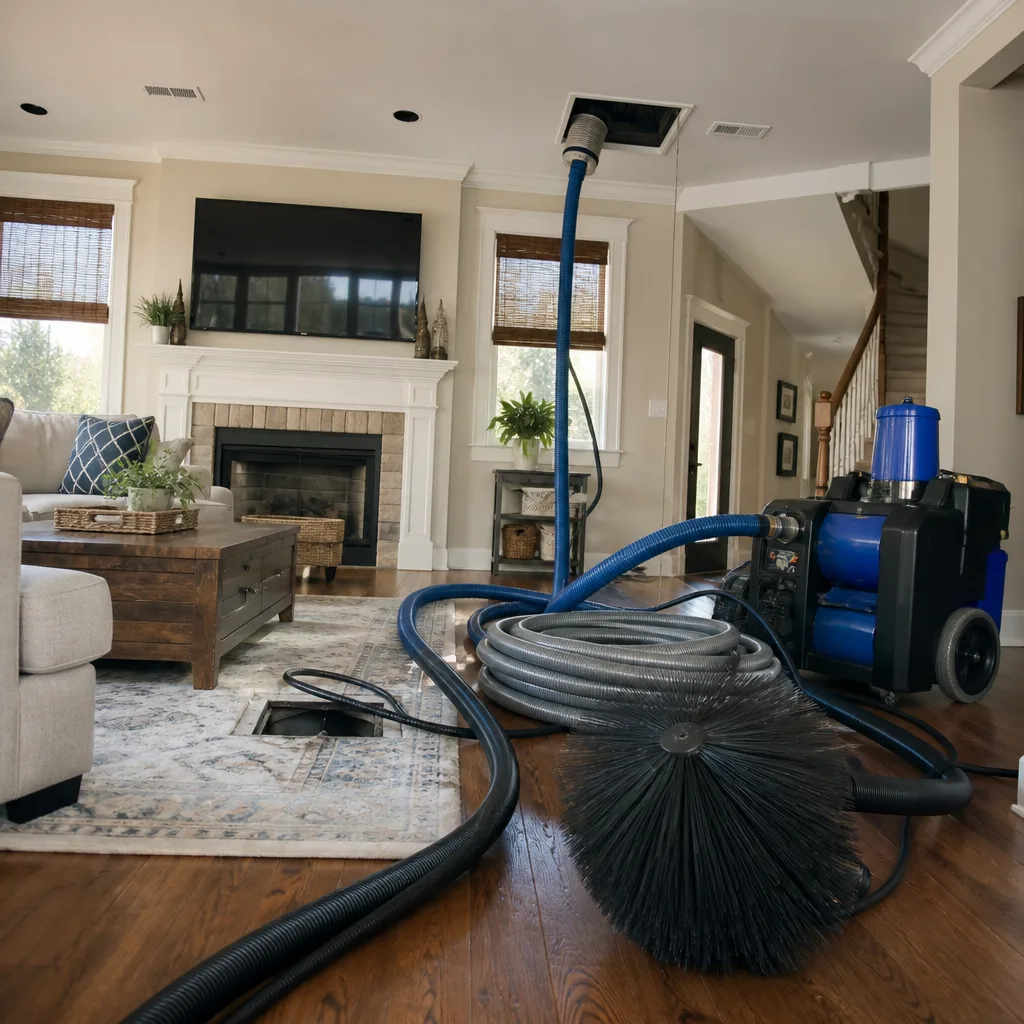
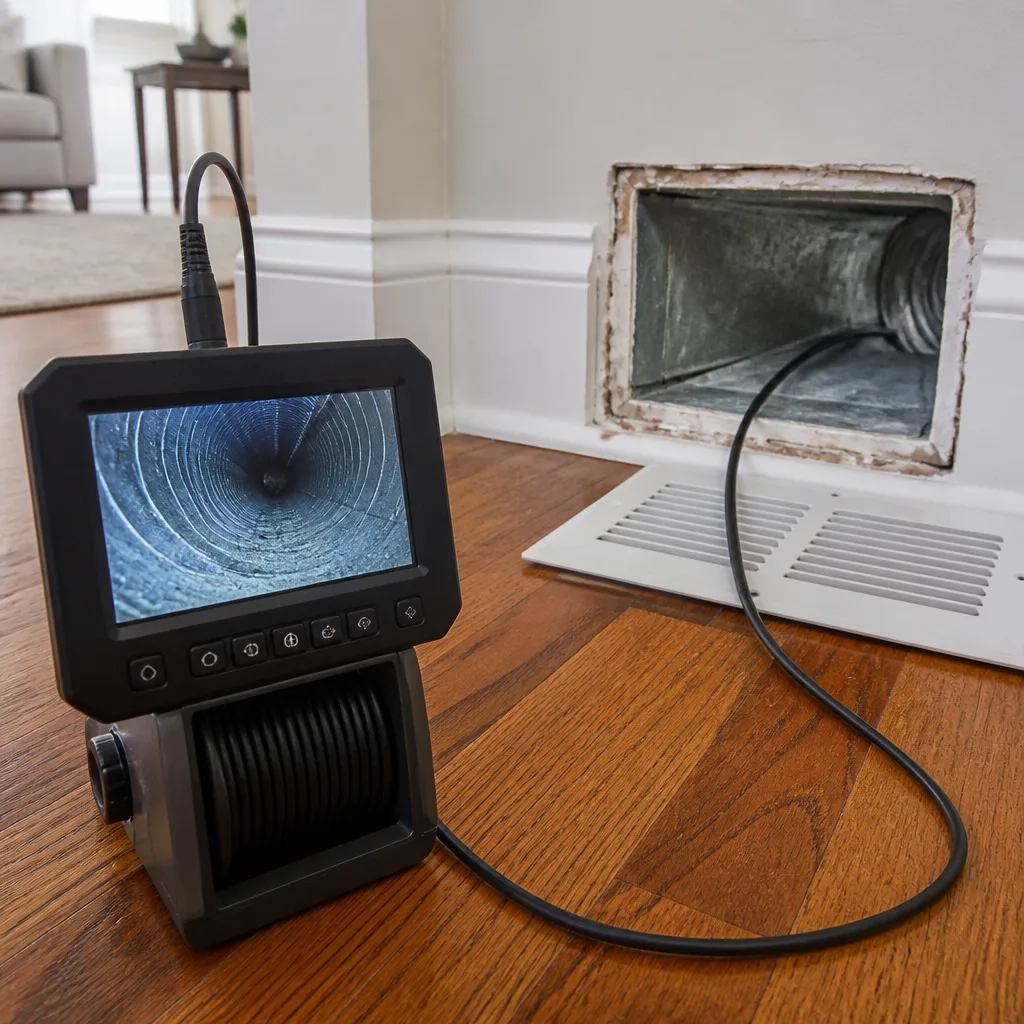
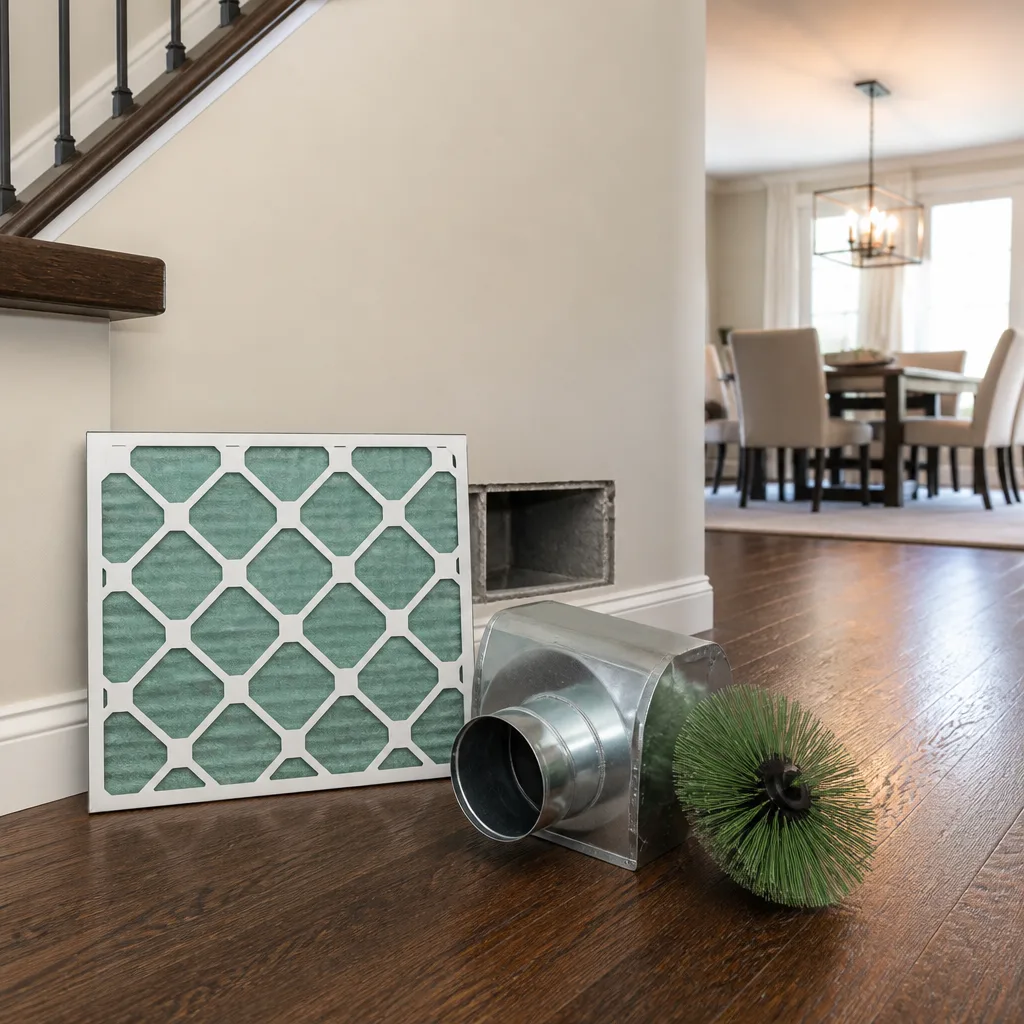
The equipment that does this properly is substantial-and regulated. Professional air duct cleaning companies in Los Angeles use negative-air machines and rotary brush systems from manufacturers like Rotobrush and Nikro, coupled with inspection cameras that let the tech see what’s happening inside the duct before and after the clean. For details on local requirements, see our guide to Air Duct Cleaning Permits, Codes & Inspections in CA: What You Need to Know. Our system at Morton’s runs on exactly this kind of gear, with HEPA-filtered collection so what comes out of the ducts doesn’t end up drifting into the living room. A shop vacuum and a dryer sheet are not substitutes.
Common Mistakes to Avoid
- Following a fixed annual schedule without looking at your household factors. A child-free, pet-free home in a coastal Los Angeles neighborhood with a new high-MERV filter doesn’t need the same schedule as a three-dog household in the Valley with a MERV 8 filter and a smoker in the house. Cleaning annual is not “safer,” it’s just more frequent than your home needs.
- Changing filters but never vacuuming registers. Register dust gets re-entrained into the living space every time the system cycles. Ten minutes a month handles this. Skipping it means you’re breathing that surface dust.
- Assuming the ducts are fine because the house looks clean. The inside of ductwork is invisible. A home that’s vacuumed weekly can still have significant duct buildup, especially in the return side, which is not protected by housekeeping.
- Waiting too long after renovation work to clean. Drywall dust is extremely fine and becomes more difficult to fully remove the longer it sits and compacts. Clean once the work is complete and the dust has settled, not a year later when you get around to it.
- Ignoring the return side. Many companies clean only the supply ducts and call it done. The return side is where the most debris enters the system in the first place. Ask specifically whether the return ducts are included before booking. At Morton’s Air Duct Cleaning, they are, on every single job.
- Using a MERV 13 filter in a system not designed for it. More filtration is not always better. If your system wasn’t designed for that level of static pressure, you’re reducing airflow and forcing your HVAC equipment to work harder. Match the filter to the system.
- Treating all duct companies the same. The Los Angeles air duct cleaning market includes everything from one-man operations with rental gear to companies running professional negative-air equipment. Ask what equipment will be used, whether before-and-after photos are included, and whether you’ll see a written price before work starts.
When to Call a Professional
Some signals outweigh whatever schedule you’ve built. Call for a professional inspection and cleaning if you see visible dust blowing from the supply registers when the system turns on, if you smell a musty odor only when the system runs, if you’ve had a leak near the HVAC equipment, or if your filters are loading up far faster than they used to. Same if you’ve just finished construction work, or if a family member’s allergy symptoms spike at night in the bedroom. These are not “wait until next year” situations. Morton’s Air Duct Cleaning offers free estimates in Los Angeles, works to a written price provided before any work starts, and every job includes a photo of the clean-up before the crew leaves. Call (323) 918-4345 to schedule. You can also learn more about what a full cleaning covers on our Air Duct Cleaning in Los Angeles page.
Frequently Asked Questions
Most Los Angeles homes should have air ducts cleaned every 3 to 5 years, with the shorter end applying to homes with multiple pets, smokers, allergy or asthma sufferers, infants, or recent renovation work. Homes with significant household factors or flex duct systems should aim for every 2 to 3 years. Local triggers like wildfire smoke or a major Santa Ana wind event override the routine schedule. For an exact recommendation based on your home, call (323) 918-4345 for a free assessment.
Because they sell cleanings, not advice. The EPA does not recommend a specific cleaning interval, and no independent health organization endorses annual cleaning as a routine practice. If a company tells you “every year, no exceptions” without asking about your pets, your household health factors, or your filter type, they’re selling a schedule that benefits their invoice, not your home.
Whole-system air duct cleaning in Los Angeles typically ranges from $450 to $900 for an average single-family home, depending on the number of vents, the system configuration, and the level of buildup. Homes with extensive flex ductwork, multiple stories, or heavy renovation dust may run higher. A reputable company provides a written price before any work starts, not a per-vent change order after the fact. At Morton’s, the price you see is the price on the invoice, every time.
Ask for before-and-after photos taken with an inspection camera inside the ductwork, not just photos of the equipment set up in the driveway. A shop vac hooked to a register is not duct cleaning, and post-clean photos are your proof. Also confirm whether the return ducts and the main trunk line were included. If the company can’t show what the inside of your ducts looks like before and after, they didn’t do the job.
No. You can reach the first few inches behind a register with a household vacuum, and you should do that monthly. But the full length of a duct run is beyond the reach of any consumer equipment, and manual attempts with improvised tools risk damaging flex duct or disconnecting joints. Professional duct cleaning uses negative-air machines and rotary brush systems from manufacturers like Rotobrush and Nikro with HEPA-filtered collection. There is no safe or effective DIY version of this.
Yes, for most homes, with realistic expectations. Since 2005, we’ve seen homes across Los Angeles where duct cleaning significantly reduced visible dust settling on furniture, improved airflow from previously weak registers, and eliminated persistent HVAC odors. It’s not a medical treatment and we’ll never claim it is. It’s cleaning. But when your ducts have years of accumulated pet hair, renovation dust, and wildfire particulate, removing that material from the air delivery system produces a noticeability improvement that most families tell us they feel within the first week.
The Bottom Line
Air duct cleaning doesn’t belong on a fixed calendar. It belongs on a schedule built around your actual household: how many pets you have, whether anyone has allergies or a new baby, whether you’ve renovated recently, and what kind of ductwork is in your walls. Most Los Angeles homes land somewhere between 3 and 5 years. Households with heavy pet load, smokers, or flex duct should lean toward 2 to 3. And when a local trigger hits, from a wildfire to a Santa Ana wind event to a leak after rain, the schedule resets. Between cleanings, maintain your filter, vacuum your registers monthly, and monitor your return grille. Document every professional clean with photos and notes. When you’re ready, Morton’s Air Duct Cleaning home shows you what we cover, and our Dryer Vent Cleaning in Los Angeles page covers the other half of your home’s air system. The schedule is yours to build. We’re here when you need us.
Written by Paul Adeyemi, Owner at Morton’s Air Duct Cleaning, serving Los Angeles since 2005. Explore more guides & resources on keeping your home’s air clean.