
Last updated October 8, 2026
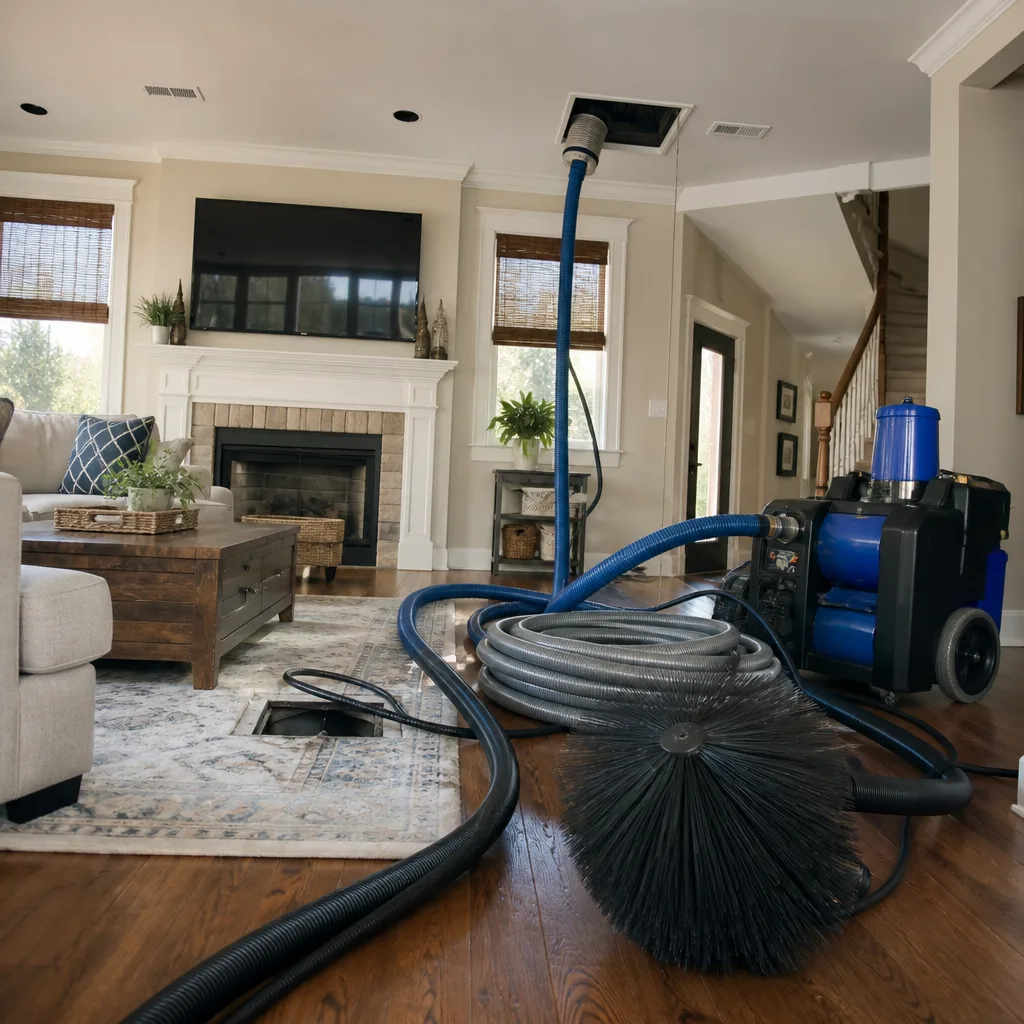
Whole-system duct and dryer vent check with before-and-after photos - you see exactly what came out of your vents
That "$99 whole-house special" is a bait ad - the real number appears once they are in your hallway, or the "clean" is a shop-vac at the register. We photograph the inside of your ducts before and after instead.
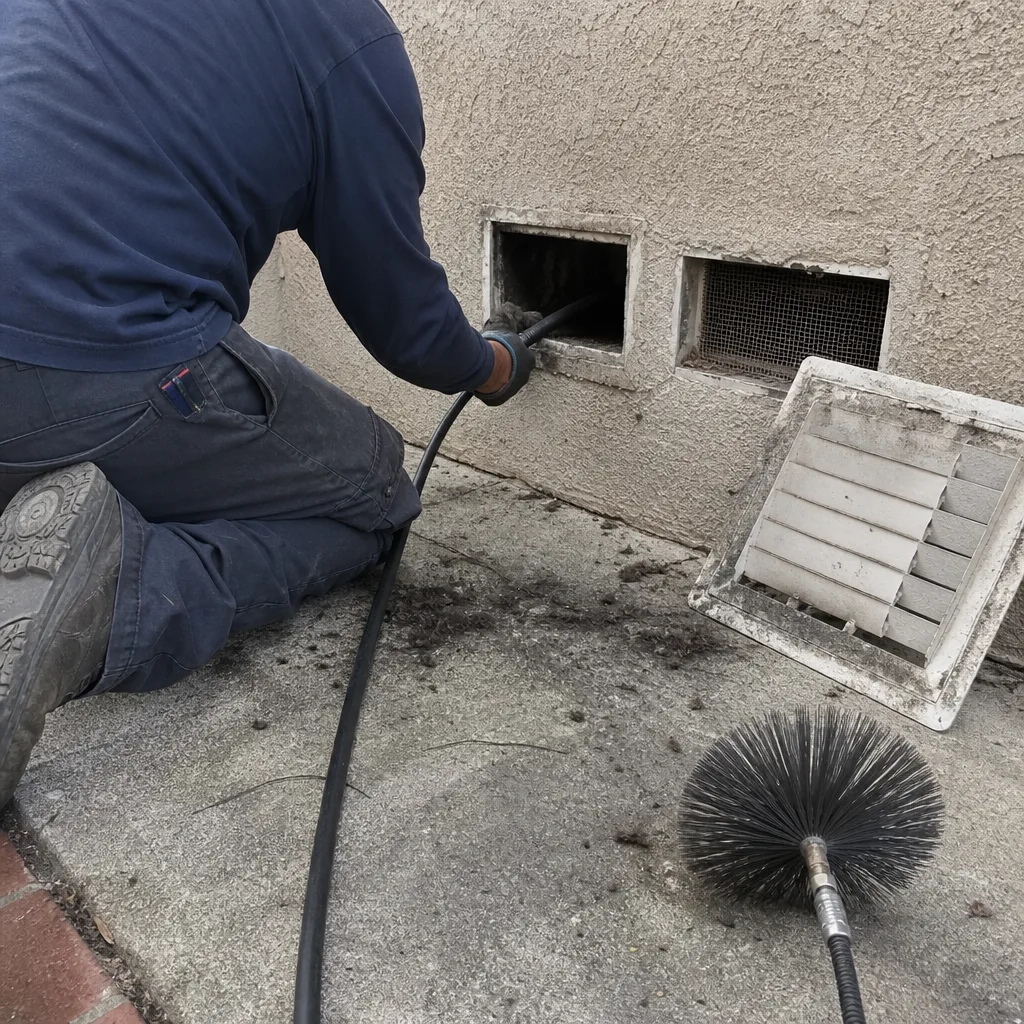 Before
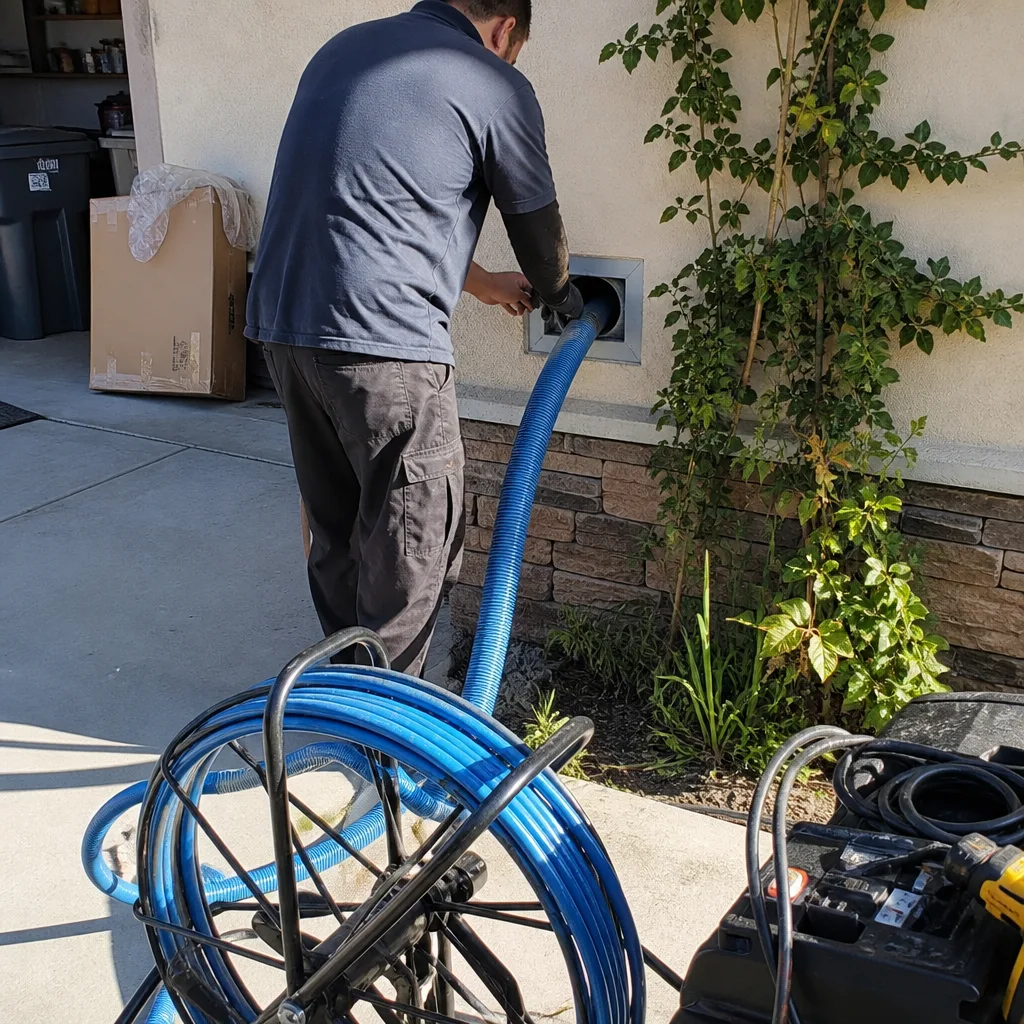 After
After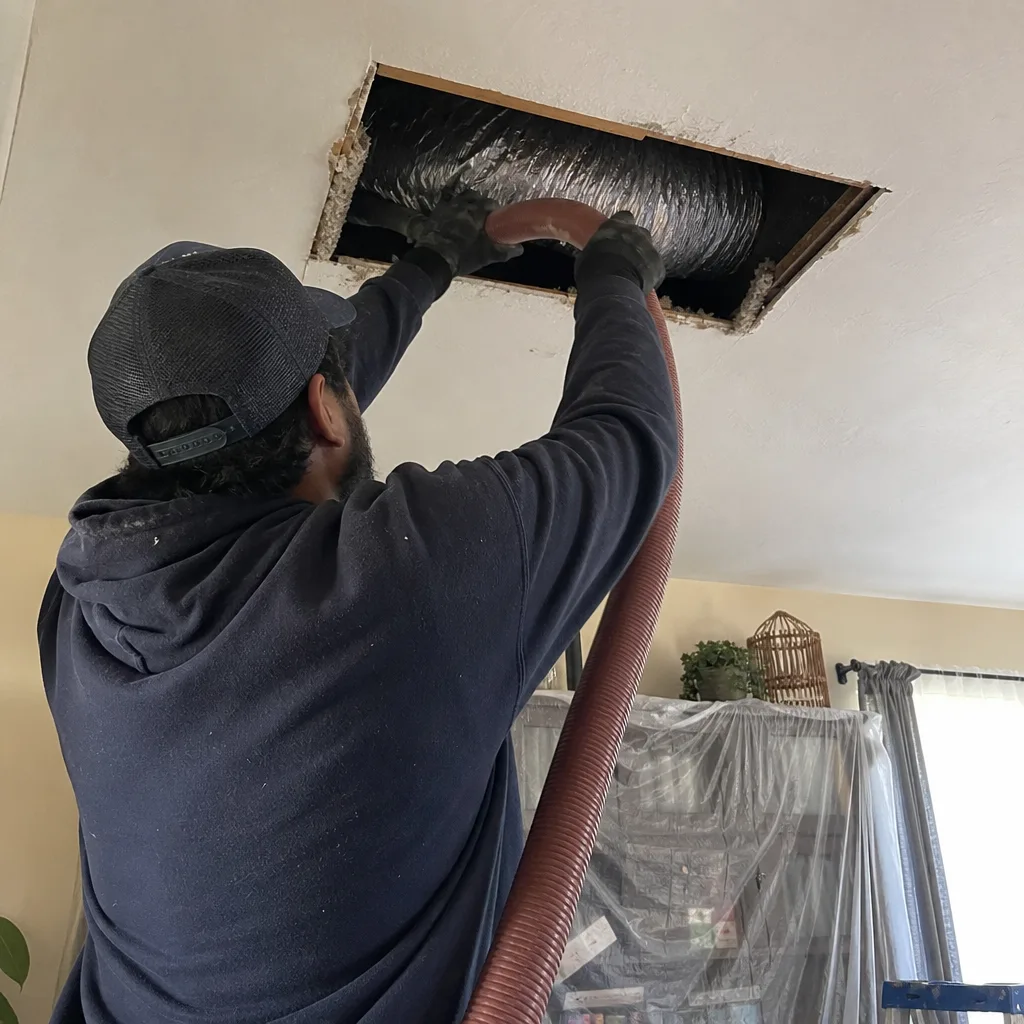 Before
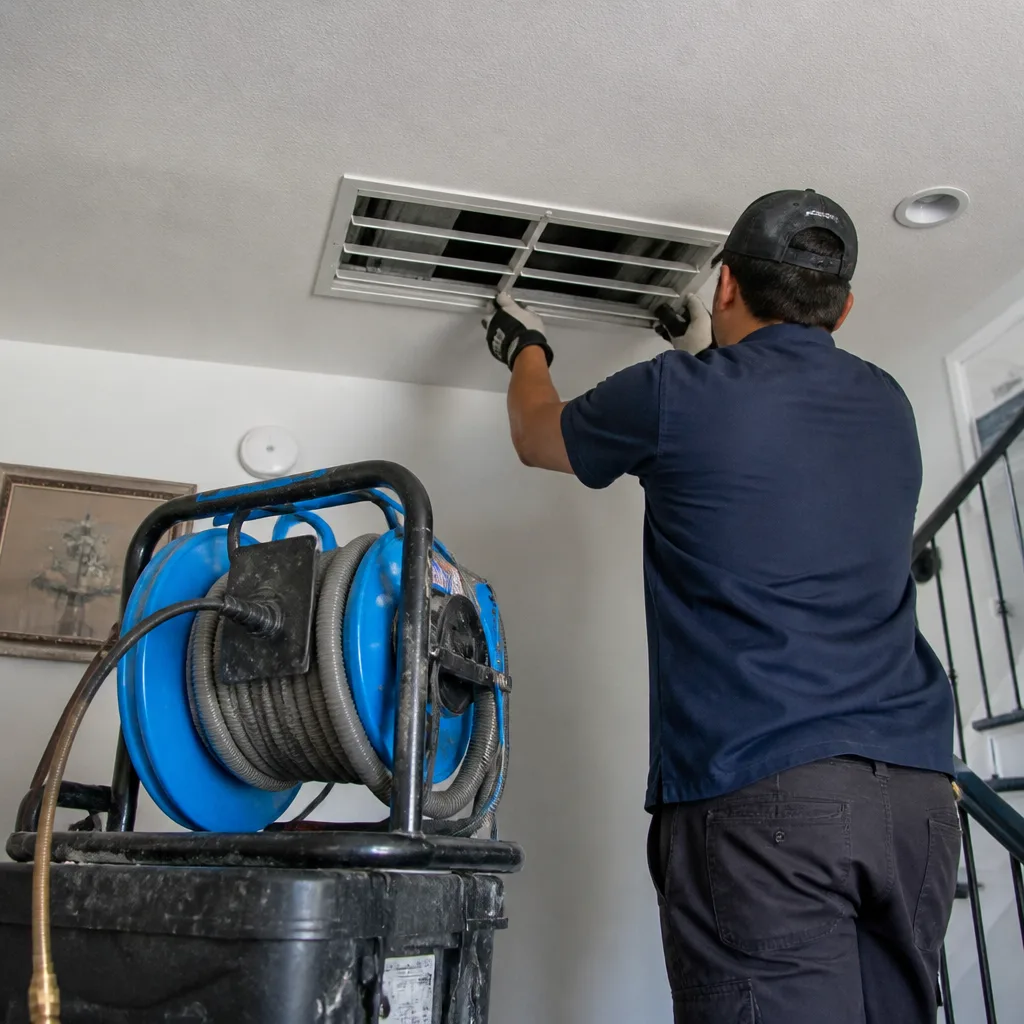 After
After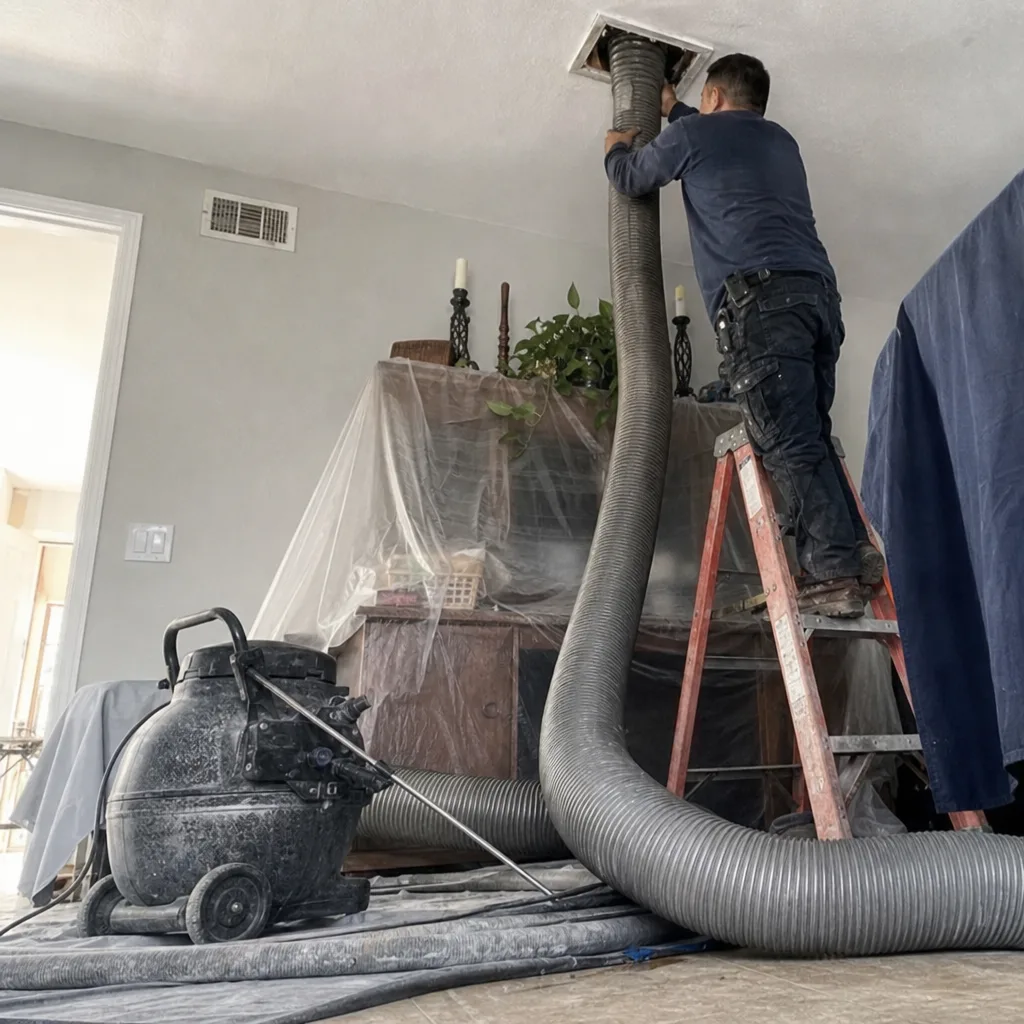 Before
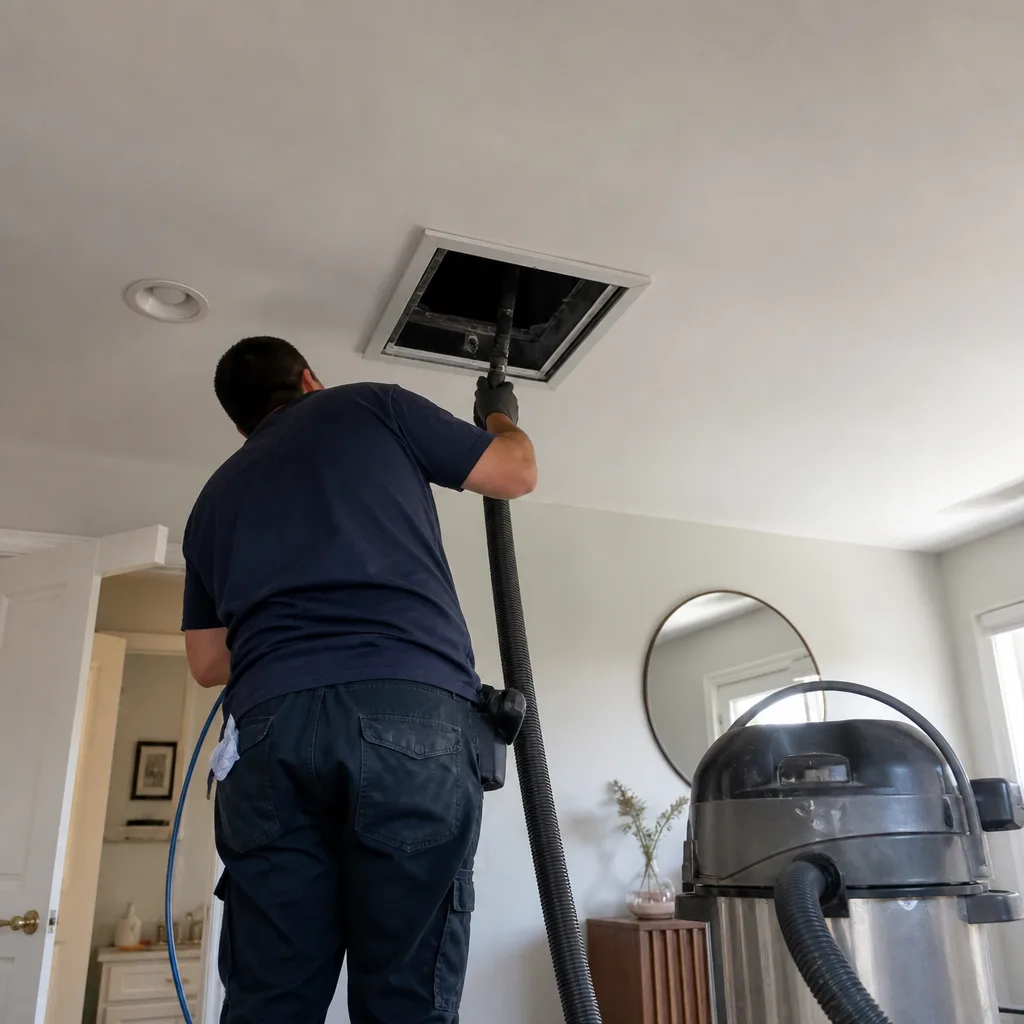 After
AfterThe Complete Dryer Vent Cleaning Guide for Los Angeles Homeowners
The U.S. Fire Administration records roughly 2,900 dryer fires every year, and the leading cause isn’t a faulty appliance. It’s a lint-clogged vent the homeowner never knew needed cleaning. In Los Angeles, that problem gets worse because of how our housing stock is built. A dryer vent in a single-family home in Van Nuys might run six feet straight through an exterior wall, while the same dryer in a Koreatown condo could push exhaust 25 feet through two walls, three turns, and a shared chase before it finally exits. This guide explains what your specific Los Angeles home actually has behind the dryer, how to know if it’s already over the safety limit, and what a proper Dryer Vent Cleaning should include before you pay for one.
Quick Answer
Dryer vent cleaning in Los Angeles typically costs between $120 and $250 for a standard single-family home with an accessible vent run, and $200 to $400+ for condos, townhomes, or older apartment units with long, multi-turn runs through walls. The exact price depends on vent length, number of elbows, access difficulty, and whether the duct is foil or rigid metal. You should clean a dryer vent every 12 months if you have a long run or a large household, and the vent should meet current code: 25 feet of equivalent length, minus 5 feet for every 90-degree turn.
Table of Contents
- Why Los Angeles Housing Stock Makes Dryer Vents Riskier
- The 25-Foot Rule: How to Measure Your Vent Run
- Flex Foil Ducts: The Hidden Problem in Older LA Homes
- Short Vents vs. Long Runs: Two Very Different Jobs
- How to Find Your Dryer Vent’s Exterior Termination Point
- What a Written Dryer Vent Cleaning Estimate Should Include
- How Much Does Dryer Vent Cleaning Cost in Los Angeles?
- Signs Your Dryer Vent Is Already Clogged
Why Los Angeles Housing Stock Makes Dryer Vents Riskier
Los Angeles isn’t one housing market. It’s several stacked on top of each other, sometimes literally. A 1920s bungalow in Highland Park has almost nothing in common with a 2015 high-rise condo in Downtown LA when it comes to how a dryer vent is routed. And that routing is everything.
In a typical newer single-family home, the dryer sits on an exterior wall. The vent pipe runs straight back, through the wall, and terminates outside. Total length: four to eight feet. That’s a vent you can clean with a brush and a shop vacuum in under an hour.
But a large share of Los Angeles residents live in attached housing. Condos, townhomes, stacked flats, older apartments converted to condominiums in the 1980s. In these buildings, the dryer is often in an interior closet or a hallway laundry niche. The vent doesn’t go straight back. It goes up. Or sideways. Or up, then sideways, then up again. In our experience, we’ve seen condo vent runs in West LA that travel 30 feet or more before they reach daylight. Every foot of that run is a place lint can settle, and every turn creates turbulence that drops more lint out of the airstream.
Add to this the age factor. Much of LA’s housing predates modern dryer vent codes. Homes built before about 2005 frequently used materials and routing that would fail inspection today. So you’re not just cleaning lint. You’re cleaning lint out of a system that was designed to accumulate it faster than it should.
This is why a generic national guide can’t answer a Los Angeles homeowner’s actual question. The answer depends on what kind of building you live in. We describe that difference throughout this guide and in our The Complete Guide to Air Duct Cleaning in Los Angeles, and you’ll know exactly which category your home falls into by the time you finish.
The 25-Foot Rule: How to Measure Your Vent Run
Current building code, including California’s adoption of the International Residential Code, sets a maximum dryer vent length of 25 feet. That’s not 25 feet of pipe as the crow flies. That’s 25 feet of equivalent length, a measurement that subtracts distance for every turn the duct makes.
The rule: subtract 5 feet from your 25-foot allowance for every 90-degree elbow. A 45-degree turn subtracts 2.5 feet. So a vent with two 90-degree turns has a maximum straight length of 15 feet. Add a third turn, and you’re down to 10 feet.
Here’s the problem. In older Los Angeles buildings, long runs with multiple turns were installed long before this code existed, and no one has since brought them into compliance. Many condo and townhome HOAs don’t inspect dryer venting unless a renovation permit is pulled. That means thousands of Angelenos are drying clothes through a vent run that would not be legal in new construction today.
How to measure your own vent run
- Find where your dryer connects to the duct. Pull the dryer forward gently and look at the connection point behind it.
- Trace the duct’s path as best you can. Does it go straight back through the wall? Does it turn upward into a ceiling chase? Does it travel sideways along a wall?
- Estimate the linear distance from the dryer connection to the exterior termination point. Use rough measurements: a hallway is about 3 feet wide, a standard ceiling is 8 to 9 feet high, a closet depth is about 2 feet.
- Count the turns. Every 90-degree bend is a turn. Every 45-degree elbow counts as half.
- Do the math. Take your linear distance and subtract 5 feet for every full turn. If the result is over 25, your vent is over the code limit, and it’s accumulating lint faster than a code-compliant system would.
Even if you’re under the limit, anything over 15 feet of equivalent length means you should be cleaning your vent every 12 months at minimum, and twice a year if you have kids, pets, or run the dryer more than three times a week.
Flex Foil Ducts: The Hidden Problem in Older LA Homes
Walk into a hardware store today and you’ll still see foil dryer duct for sale. It’s cheap, it’s flexible, and it’s been prohibited for use in new residential construction since the early 2000s in most U.S. jurisdictions, including California. That tells you something about how much of it is still sitting in Los Angeles walls.
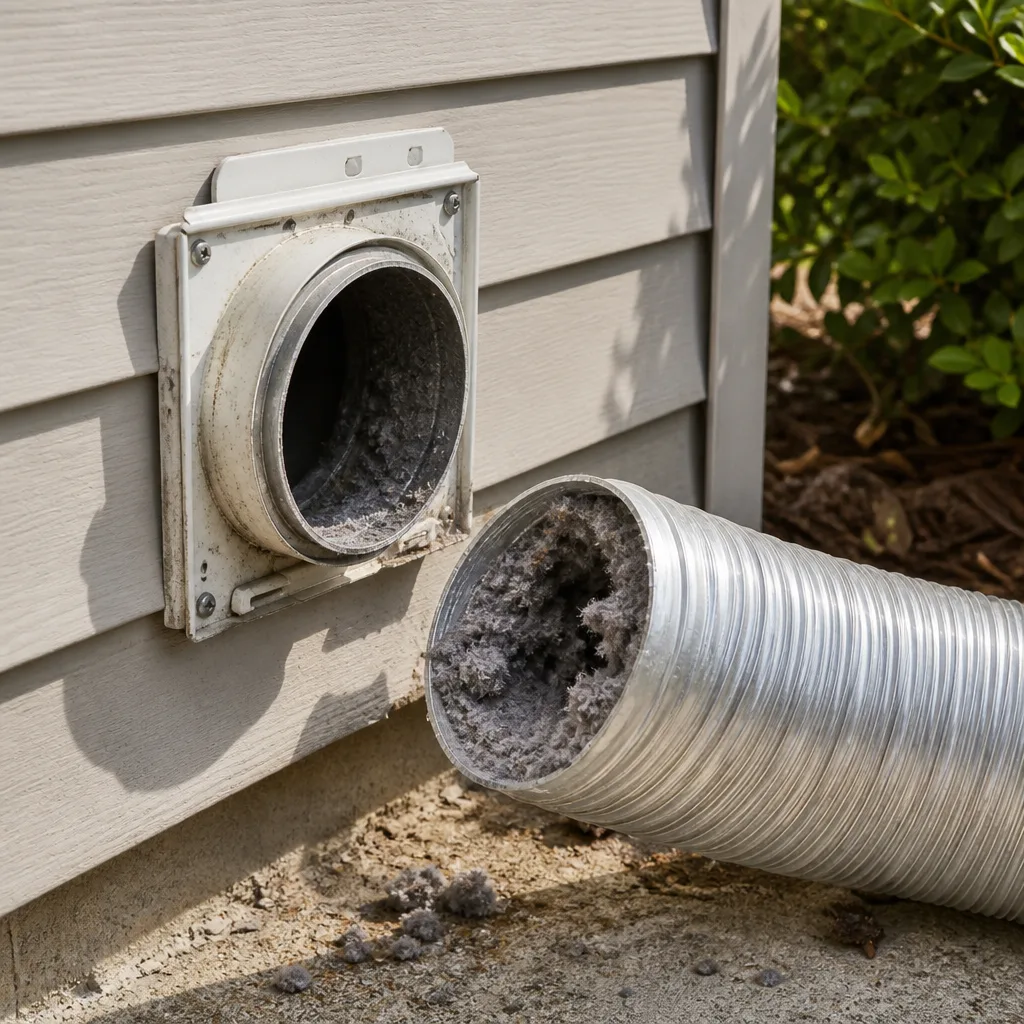
The problem with flex foil is structural. A foil duct has accordion-like ripples along its entire length. Every one of those ripples creates micro-turbulence in the exhaust airflow. Lint, which is already light and prone to settling, gets caught in the folds. Once one clump forms, it becomes a collection point for more. Over time, a foil duct can lose 30 to 50 percent of its internal diameter to lint buildup while a rigid metal duct in the same home is still flowing fine.
Foil is also fragile. It tears easily, and a torn foil duct leaks moist exhaust air into wall cavities and ceiling chases. That moisture feeds mold and attracts pests. We’ve opened walls in older LA homes and found foil ducts that had been slowly disintegrating for years, throwing lint into the framing behind the drywall.
If your home was built before roughly 2005 and you still have foil duct connecting the dryer to the wall, replacing it with rigid metal or semi-rigid aluminum is one of the highest-value changes you can make. It’s not a big job if the run is short. If the run is long and hidden in walls, you may not be able to replace it without opening drywall, which is why many homeowners choose to manage the foil they have with more frequent cleaning. Either way, knowing what’s back there matters.
Short Vents vs. Long Runs: Two Very Different Jobs
There are two dryer vent cleaning scenarios in Los Angeles, and they don’t require the same approach. Knowing which one you have tells you whether a basic service call will actually work.
Short, straight vents (single-family homes, newer construction)
A vent that runs six to ten feet from dryer to exterior wall, with one turn at most, is the simple case. A nylon brush on a flexible rod, run from either end, will usually clear it. A shop vacuum handles the dislodged material. This is the kind of vent many homeowners can clean themselves if they’re comfortable pulling the dryer out and reconnecting the duct properly, though our DIY vs Professional Air Duct Cleaning: What’s Safe to Do Yourself guide can help you decide. The key word is completely: even a short vent needs a brush, not just a vacuum, because lint compacts against the duct walls and doesn’t vacuum out easily.
Long, multi-turn runs (condos, townhomes, older apartments)
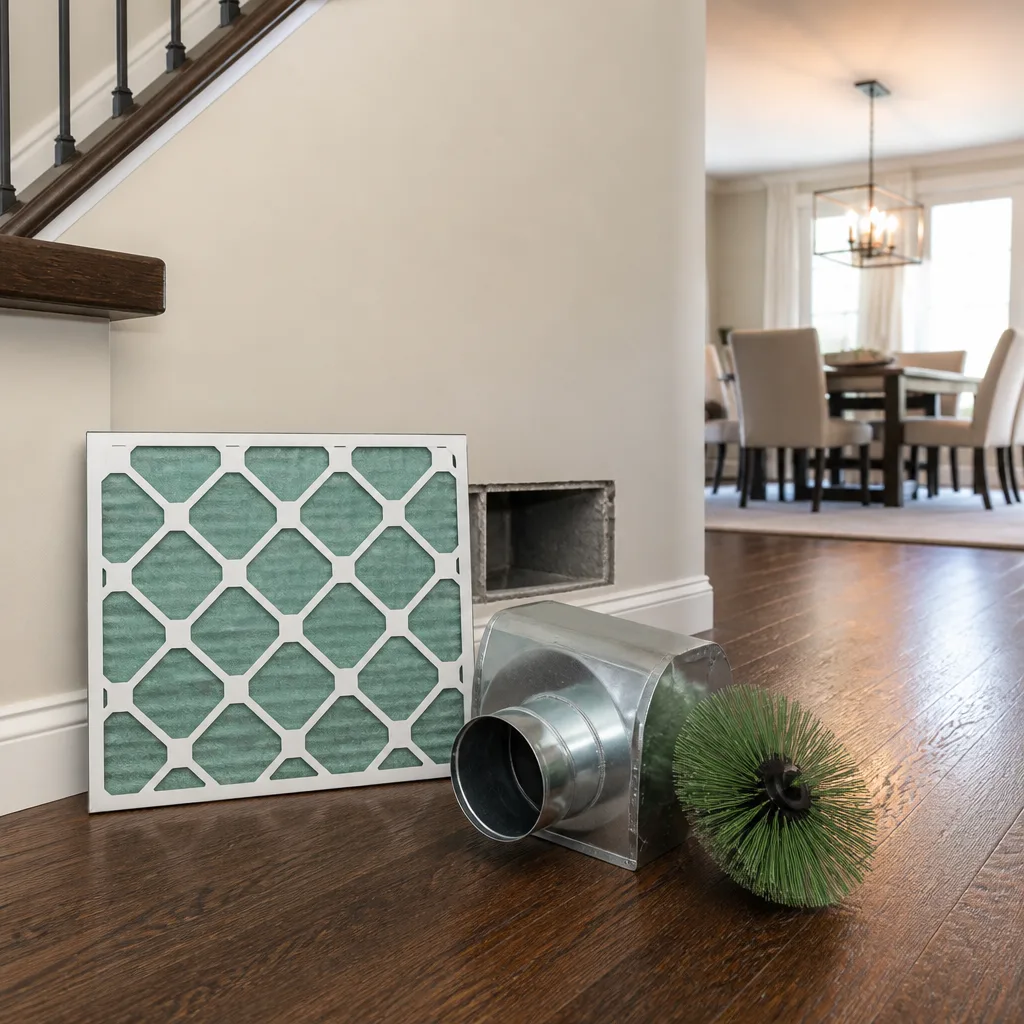
This is the Los Angeles specialty case, and it’s the one where DIY tools fail. A long run through walls and ceilings can’t be effectively cleaned with a hand brush. The lint in these ducts is often caked on, especially where the duct passes through unconditioned space and condensation has made the lint sticky. You need a rotary brush system powered by a drill or dedicated motor, with enough torque to spin the brush through turns. Professional equipment from brands like Rotobrush and Nikro is designed for exactly this application, and it’s the only tooling we use on runs over 15 feet. A half-cleaned long vent gives you a false sense of security for about three months, then it’s clogging again.
The other variable is access. Many condo dryer vents can only be accessed from the interior, which means the technician is working in your laundry closet, not outside on a ladder. That’s fine, but it changes what the job looks like and how long it takes.
How to Find Your Dryer Vent’s Exterior Termination Point
This step surprises more Los Angeles homeowners than any other part of the dryer vent conversation, especially condo and townhome owners. The duct goes somewhere. Where does it actually exit?
- Check the most obvious spot first: the exterior wall directly behind the dryer. In a single-family home with the laundry room on an outside wall, the termination point is probably a small hooded vent with a flap, mounted at roughly knee height.
- Look up. In condos and townhomes, dryer vents often terminate on the roof. Stand outside your unit and look for a small pipe or vent cap on the roofline. Many LA flat-roof buildings route dryer exhaust upward through the roof, especially in older courtyard apartments.
- Check the side of the building. If your dryer sits on an interior wall, the duct may run horizontally to a side wall termination point. Walk the perimeter and look for a vent cover you can’t explain. In multi-unit buildings, you may see several in a row, one per unit.
- Ask the HOA or building manager. In condos, the vent routing may be shown on building plans. Most owners never think to ask, but the manager usually knows where the dryers vent.
Why this matters: if you don’t know where the vent exits, you can’t check whether the exterior flap opens properly, whether the termination is blocked by a bird screen or dryer sheet, or whether the duct was ever connected properly in the first place. We’ve found dryer vents in LA that terminated inside a wall cavity because the original builder never punched it through the exterior. If you can’t find the exit, that’s a job for a professional inspection.
What a Written Dryer Vent Cleaning Estimate Should Include
A dryer vent cleaning estimate shouldn’t be a single mystery number. It should describe the job well enough that you can compare it against another estimate and understand exactly what you’re paying for. Here’s what a written estimate for a Los Angeles dryer vent cleaning should lay out:
- Vent length: estimated linear distance from dryer connection to termination point. This tells you whether you’re dealing with a long-run job or a standard short vent.
- Number of turns: how many 90-degree and 45-degree elbows the technician identified during inspection.
- Access method: will the cleaning be done from the interior, the exterior, or both? Does the dryer need to be pulled out? Is a roof access needed?
- Duct material: rigid metal, semi-rigid, or flex foil. Material affects both cleaning method and ongoing risk.
- Code observations: does the vent run exceed 25 feet equivalent length? Is the duct material code-compliant? Are there visible disconnections or damage?
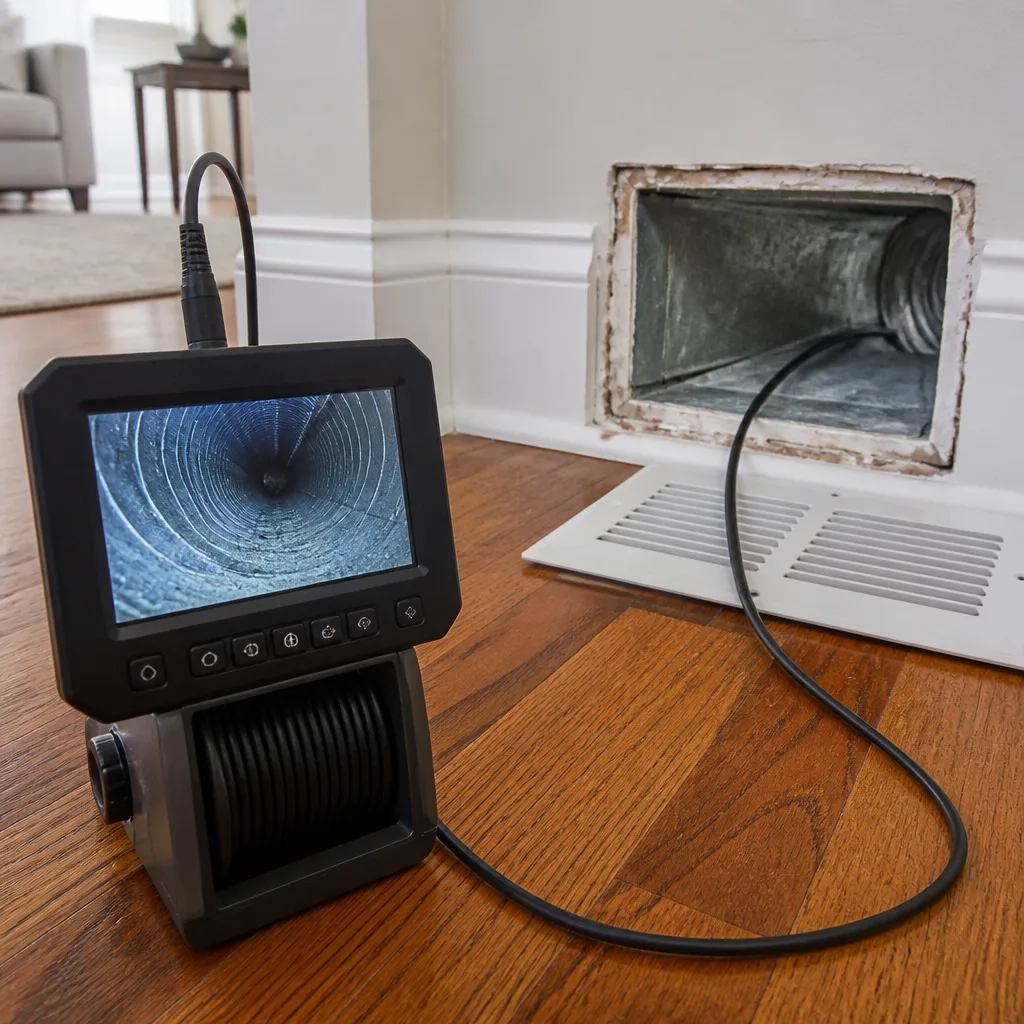
- Before and after photos: you should be able to see the inside of the duct before cleaning and after. If a company won’t show you the duct interior, ask why.
- Total price: one number, in writing, before work starts. No per-vent pricing, no upsell ladder, no “we’ll see once we get in there.”
Morton’s Air Duct Cleaning provides a written price before any work starts on dryer vent cleaning in Los Angeles, every single visit. You’ll know the vent length, the number of turns, and the total cost before any equipment comes out of the truck.
How Much Does Dryer Vent Cleaning Cost in Los Angeles?
Dryer vent cleaning in Los Angeles varies more than most home services because the housing stock varies so much. A straight vent in a Sylmar ranch house is a different job from a 28-foot multi-turn run in a Marina del Rey condo tower.
Here are realistic price ranges for the Los Angeles market as of 2025:
| Vent Type | Typical Length | Los Angeles Price Range |
|---|---|---|
| Short, straight vent (single-family home) | 4-10 ft, 0-1 turns | $120-$180 |
| Medium vent (single-family, interior laundry) | 10-15 ft, 1-2 turns | $150-$220 |
| Long-run vent (condo, townhome, older apartment) | 15-25+ ft, 2-4+ turns | $200-$350 |
| Severe clog or inaccessible termination | Varies, often roof-terminated | $250-$400+ |
These numbers reflect whole-system pricing, which is the only honest way to quote a dryer vent cleaning. If a company quotes you a price per vent, that’s a red flag. A dryer has one vent. Charging per vent is either a misunderstanding of the job or a way to inflate the invoice once work begins.
Why are some quotes much cheaper? Because they’re not doing the same job. A $79 dryer vent special usually means a technician with a handheld brush and a shop vacuum clears whatever they can reach from the exterior, takes a photo of the lint ball, and leaves. The interior section of the duct, which is where most clogs actually form in long runs, never gets touched. If your vent is six feet long and straight, a budget cleaning might be fine. If you’re in a condo, it almost certainly isn’t enough.
Signs Your Dryer Vent Is Already Clogged
You don’t need to wait for a scary moment to know your dryer vent needs attention. Here are the signs that tell you lint is building up inside the duct:
- The dryer takes two cycles to dry a load. This is the most reliable early signal. When airflow drops, the dryer can’t evacuate moisture. Clothes come out damp once, then you run the dryer again.
- The exterior vent flap doesn’t open when the dryer runs. Go outside while the dryer is on and look at the termination point. If the flapper isn’t lifting, airflow is too weak to push it open. That’s a clog in progress.
- The laundry room gets hot and humid during a cycle. That’s exhaust back-pressure, and it means the duct is partially blocked.
- You smell a musty or burning odor during drying. Musty means lint and moisture are trapped. A burning smell means lint is getting close to the heating element, which is exactly how dryer fires start.
- The outside of the dryer and the duct behind it feel hot. The dryer should vent heat out, not radiate it into the room.
- It’s been more than a year since the last cleaning. In Los Angeles, with our hard water and frequent laundry loads, 12 months is the practical interval for most households. If you have dogs or large loads of towels, make it six months.
Common Mistakes to Avoid
- Assuming a new dryer fixed the problem. A new dryer with a clogged vent will have the same symptoms as the old one. We’ve been called to homes in Los Angeles where the owner replaced a perfectly good dryer because the vent was the actual issue. Check the vent before replacing the dryer.
- Cleaning only the lint trap and calling it done. The lint trap catches maybe 25 percent of the lint your dryer produces. The rest goes into the duct. Emptying the trap is maintenance; cleaning the duct is the actual fix.
- Using vinyl or flex foil duct for a repair. It’s what’s on the shelf at the home center, and it’s illegal for new installations. Use rigid metal or semi-rigid aluminum. If you’re not sure, ask the technician to show you what’s behind the dryer.
- Hiring the cheapest quote without checking the scope. In Los Angeles, the gap between a $79 special and a real cleaning can be the difference between a cleared vent and a photo of a cleared-looking vent. Ask what length of duct the price covers and how many turns.
- Pushing the dryer back too hard after cleaning. The duct behind the dryer can crush against the wall, creating a kink that instantly halves your airflow. Leave six inches of clearance and make sure the duct isn’t compressed.
- Not checking the exterior vent after a cleaning. After any cleaning, go outside and verify the flap opens freely and closes fully. If it’s stuck open, you’ve traded a clog for a rodent highway. Los Angeles has rats, and an open dryer vent is an invitation.
- Ignoring a roof-terminated vent. If your condo vents through the roof and no one’s cleaned it in years, the clog is probably at the top where the air slows down. A ground-level cleaning doesn’t touch it. Make sure the technician has roof access or can clean the full run from the interior.
When to Call a Professional
You can handle a short, straight vent yourself if you have the time and basic tools. But there are cases where calling a professional is the smarter decision:
- The vent runs more than 15 feet or has more than one turn.
- You live in a condo, townhome, or apartment where the vent is inside walls and you don’t know its exact path.
- The vent terminates on the roof and you can’t safely access it.
- The duct inside the wall is flex foil that needs replacement or at least professional-grade rotary cleaning.
- You’ve tried cleaning and the vent still doesn’t flow air the way it should.
- It’s been more than two years since the last cleaning and you have pets, kids, or both.
Morton’s Air Duct Cleaning offers free estimates for dryer vent cleaning in Los Angeles. Call (323) 918-4345 and a live person answers, 24/7. We’ll tell you the price before any work starts, and you’ll get a photo of the cleaned vent before we leave.
Frequently Asked Questions
A dryer vent cleaning in Los Angeles typically costs $120 to $250 for a standard single-family home, and $200 to $400 for condos and townhomes with long, multi-turn vent runs through walls. The two biggest variables are vent length and access difficulty. Call (323) 918-4345 for a written estimate based on your specific vent configuration.
Most Los Angeles households should clean the dryer vent every 12 months, but that interval shortens to six months if you have long vent runs, pets that shed, or run the dryer more than three times per week. LA’s year-round use means dryers here run more annually than in colder climates where clothes hung outside part of the year.
Cheaper quotes usually come from companies that are only cleaning the accessible exterior portion of the vent, not the full interior run. A real dry vent cleaning covers the entire duct from the dryer connection to the exterior termination point. In a long-run condo vent, that’s the difference between a five-minute exterior brush and a full rotary cleaning of the entire system.
Ask for before and after photos of the interior of the duct. Any reputable company can show you a camera view or a bright flashlight photo of the duct before cleaning and again after. At Morton’s, you receive a photo of the cleaned vent before our crew leaves, along with a written report of the vent length, number of turns, and any code observations we made.
In Los Angeles condos, townhomes, and older apartments, yes. Interior laundry closets mean the duct must travel through walls, ceilings, or chases to reach the outside. That’s why these homes need special attention. The longer the run, the more lint accumulates, and the code limit of 25 feet equivalent length applies even in buildings where the original construction predates the rule.
If your vent is short, straight, and accessible from both ends, a DIY brush kit can work. But for any run longer than about 10 feet with turns, you’ll need professional rotary brush equipment to actually clear the duct. Pulling the dryer out and reconnecting it safely is also part of the job. For a long-run vent, call (323) 918-4345 and we’ll give you a written estimate before any work starts.
The Bottom Line
Dryer vent cleaning in Los Angeles isn’t a one-size-fits-all service. Where you live determines what kind of vent you have, how risky it is, and what a proper cleaning involves. Short straight vents are simple. Long condo runs through walls are not. Foil ducts accumulate lint faster than rigid metal. And the 25-foot equivalent length rule gives you a concrete way to assess whether your home’s duct is already over the safety limit. The most important step is knowing which category you’re in. Once you know that, you’ll know exactly what to ask for. For more guides & resources, visit our blog. Morton’s Air Duct Cleaning has served Los Angeles since 2005, and every visit includes a written price before work starts, and a photo of the completed job before we leave. Call (323) 918-4345 for a free estimate.
Written by Paul Adeyemi, Owner at Morton’s Air Duct Cleaning, serving Los Angeles since 2005.